Strokes are medical emergencies that demand immediate attention because the brain's cells begin to die within minutes when blood flow is interrupted. Recognizing symptoms early can significantly improve the chances of survival and reduce the likelihood of long-term disability. People often underestimate how quickly a stroke unfolds, mistaking the sudden onset of one symptom for something temporary or minor. The reality is that every minute counts, and the faster a person receives appropriate medical care, the better the chances are for preservi...
Diseases & Conditions
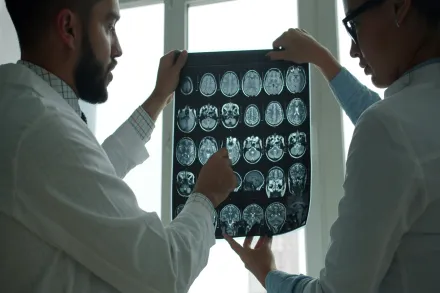

Diabetes is a condition that, when managed well, does not have to lead to the complications that many fear. The road to preventing complications is built on consistent habits, informed medical care, and daily routines that protect the body’s most vulnerable systems. This article explores a comprehensive approach to reducing the risk of common diabetes related complications, including cardiovascular disease, kidney damage, eye problems, nerve injuries, and infections. It emphasizes practical steps, explains why each component matters, and descri...

The relationship between obesity and heart attack is complex, evolving over years of metabolic changes, hormonal signals, and shifts in the way the body handles energy. When a person carries excess weight, especially around the abdomen, the body undergoes a cascade of adjustments that can quietly heighten the likelihood of a sudden cardiac event. This article explores how obesity influences the biology of the heart and arteries, how these changes accumulate, and what steps can be taken to interrupt the path from excess fat to a life threatening...

Breast cancer remains a major health concern worldwide, and the possibility of catching it in its earliest stages is a key factor in successful treatment outcomes. The goal of early detection goes beyond finding a lump; it encompasses awareness of subtle changes in the breast or surrounding tissue, regular screening through medical imaging, and prompt evaluation when something unusual appears. This article explores how to recognize early signals, how different screening methods contribute to detection, and how to navigate the process from notic...

In the world of health challenges, lung cancer stands out for its impact on adults who have a history of smoking, and for the subtle ways its early signs can present themselves. The risk is not uniform, yet smoking remains the leading cause of preventable lung cancer, making awareness of symptoms especially important for those who have smoked for years. Recognizing changes in breathing, persistent coughs, or unusual aches can prompt timely medical evaluation, which in turn can influence treatment options and outcomes. This article offers a thou...
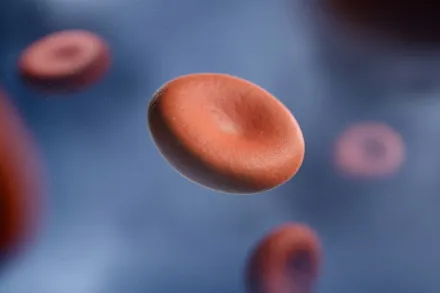
Anemia is not a single disease but a condition characterized by a reduced capacity of the blood to carry oxygen to the tissues of the body. This diminished oxygen delivery can result from a lower number of red blood cells, a lower concentration of hemoglobin, or abnormalities in the red blood cells themselves. Recognizing anemia early matters because it allows timely investigation into its cause, whether it is iron deficiency, a nutritional shortage, a chronic illness, a genetic condition, or a transient disruption in production of red blood ce...
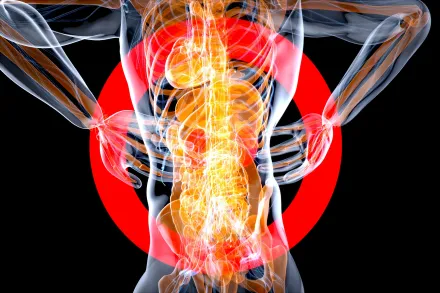
Chronic kidney disease, commonly abbreviated as CKD, refers to a gradual loss of kidney function over time. The kidneys play a vital role in filtering waste, balancing fluids, and regulating electrolytes that keep muscles, nerves, and the heart working properly. When kidney function declines, these processes can falter, leading to a range of symptoms that may include fatigue, swelling, changes in urine, and high blood pressure. Diet becomes a central ally in managing CKD because what you eat directly influences how hard the kidneys have to work...

Diabetes is a systemic condition that affects many parts of the body, and the eyes are among the most sensitive and revealing organs to the consequences of this disease. From subtle changes in vision to serious, sight threatening conditions, the path from altered blood sugar levels to changes in the eye encompasses a network of biological processes that unfold over time. Understanding this connection requires looking at how glucose regulation influences blood vessels, nerves, and the delicate tissues of the eye, particularly the retina, which i...

Living with chronic obstructive pulmonary disease, commonly known as COPD, involves navigating a condition that affects breathing, endurance, and overall daily function. Exercise emerges not as a luxury but as a pillar of management, capable of improving strength, stamina, and mental resilience while lifting mood and reducing the burden of breathlessness. The core idea is not to chase maximal performance but to cultivate safe, sustainable movement that respects the limits of the lungs and optimizes the body’s efficiency. When done thoughtfully,...

Chronic fatigue is a multifaceted experience that defies a single cause or a simple remedy, and its study invites a careful look at how energy is generated, consumed, and regulated within the living body. At its core, fatigue reflects a mismatch between demand and supply, a mismatch that can emerge from shifts in metabolism, immune activity, nervous system regulation, endocrine signaling, and the daily rhythms that organize wakefulness and rest. This phenomenon is rarely the consequence of a single factor; rather, it appears as a tapestry woven...