Breast cancer is a condition that often begins long before it is felt or seen by most people. The early signs can be subtle, and some people may experience changes that seem minor at first glance. Yet when these changes are identified promptly, the window of opportunity for effective treatment expands significantly. Early detection can translate into smaller tumors, fewer surgical complications, and options that preserve more normal tissue. It also tends to correlate with better overall survival rates and less intensive therapy in many cases. U...
Diseases & Conditions


Obesity is more than a simple measure of body weight; it represents a complex state of metabolic alteration that interacts with nearly every system in the body. When the body carries excess fat, especially around the abdomen, inflammatory processes intensify, hormone signaling shifts, and the cardiovascular system adapts in ways that can set the stage for a stroke. A stroke occurs when blood flow to part of the brain is abruptly interrupted or reduced, depriving brain cells of oxygen and nutrients and triggering a cascade of cellular damage. Th...

Eczema is a broad term used to describe a family of skin conditions characterized by itching, redness, and ongoing changes in the texture and color of the skin. While many people occasionally experience dry patches, eczema tends to appear repeatedly, sometimes in cycles that ebb and flow with seasons, stress, and exposure to triggers. The impact of eczema can extend beyond the visible rash, affecting sleep, daily activities, self esteem, and social interactions. With a clear understanding of the underlying factors and a consistent approach to s...
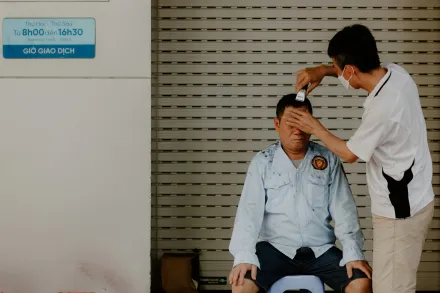
Stroke is a sudden disruption of blood flow to part of the brain or a bleed into brain tissue, and it can touch every part of a person’s life. When blood supply is interrupted, brain cells begin to die, and the effects depend on which area is affected and how long the interruption lasts. Immediate medical care aims to preserve brain tissue and limit damage, but the months and even years after a stroke are when rehabilitation can reshape the course of recovery. Rehabilitation is not a single treatment; it is a coordinated process that engages me...

Stress is a universal human experience that touches every corner of life, from daily hassles to profound life events. Yet within the broader conversation about health, stress often occupies a paradoxical place: it can be a practical motivator in the short term, a protector against immediate danger, and at other times a subtle hum that quietly reshapes physiology over days, weeks, or years. Autoimmune disorders, a diverse family of conditions in which the immune system misidentifies the body's own tissues as threats, have long been linked with s...

Urinary tract infections are a common health concern that can affect the bladder, the kidneys, the ureters, or the urethra. Preventing UTIs requires understanding how bacteria can reach the urinary tract and how daily choices influence this process. This exploration presents a comprehensive, care focused approach to reducing risk through steady, practical steps that fit into everyday life. The aim is to support bladder and urinary tract health across diverse ages and circumstances by emphasizing evidence informed practices, consistent routines,...

Obesity is more than a matter of aesthetics or cardiovascular risk; it profoundly influences joint health through multiple biological and mechanical pathways. Excess body fat alters the way load is distributed across joints, changes the metabolism within the musculoskeletal system, and modulates inflammatory signals that reach bone, cartilage, and connective tissues. For many individuals, the consequence is a gradual emergence of joint pain, stiffness, and limited mobility that can begin early in life and worsen as weight increases. In this exp...

Chronic back pain is a complex and multilayered experience that extends beyond the physical sensations in the spine. It often persists for months or even years and can influence mood, sleep, work, and social life. The modern understanding of chronic back pain frames it as a biopsychosocial phenomenon where biological signals interact with psychological processes and social context. This means that pain is not simply a sign of tissue damage but an experience shaped by the brain, expectations, coping strategies, daily routines, and the environmen...
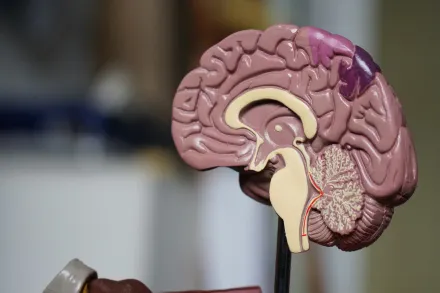
Epilepsy is a complex neurological condition defined by a tendency to experience recurrent seizures that arise from abrupt bursts of electrical activity within the brain. The phenomenon is not a single disease with a single cause but rather a spectrum of conditions in which the brain becomes prone to excessive synchronous discharges. The path from a normal brain to a brain that repeatedly generates seizures can be subtle and multifaceted, often involving a combination of genetic predispositions, structural alterations, metabolic disturbances, i...

Ankylosing spondylitis (AS) is a chronic inflammatory disease that primarily targets the spine and the sacroiliac joints, yet it often extends to the hips shoulders and ribs. The early signs can be subtle, frequently presenting as deep ache and stiffness that intensifies after rest and gradually loosens with gentle movement. This pattern stands in contrast to ordinary mechanical back pain, because activity tends to improve symptoms rather than worsen them. Diagnosis often takes patience as doctors piece together symptoms over time and look for ...