Chronic Obstructive Pulmonary Disease, commonly called COPD, is a condition that changes how a person breathes, moves, and experiences daily life. It is often progressive, meaning it tends to worsen over time, but with thoughtful management, many people learn to pace activities, protect their lungs, and preserve independence. Living with COPD means adapting routines to protect airways, manage symptoms, and seek support when needed. It touches physical capacity, emotional wellbeing, finances, and relationships, creating a complex daily reality t...
Diseases & Conditions

Irritable bowel syndrome, commonly abbreviated as IBS, is a chronic functional gastrointestinal condition characterized by recurrent abdominal pain or discomfort that is associated with altered bowel habits. For many people living with IBS, flare-ups represent periods when this discomfort intensifies, either in conjunction with changes in stool frequency, stool form, bloating, gas, or a sense of abdominal fullness. The experience of a flare can vary widely from person to person, ranging from mild and intermittent to severe enough to affect dail...

Obesity and hypertension are two of the most pervasive chronic health concerns in modern populations, and their coexistence amplifies the risk of cardiovascular disease, stroke, and renal complications. This article explores the multifaceted ways in which excess body fat, particularly when distributed around the abdomen, influences blood pressure through a network of physiological pathways. While genetics, diet, physical activity, and sleep patterns all contribute to individual risk, obesity itself acts as a dynamic driver that modulates hemody...

Chronic fatigue symptoms form a complex landscape that stretches beyond ordinary tiredness. They often defy simple explanations and can wax and wane with variable intensity across days, weeks, and even seasons. When people hear the phrase chronic fatigue, they may imagine a single, uniform experience, but the reality is more intricate. Individuals reporting persistent fatigue frequently describe a constellation of sensations and experiences that touch physical energy, cognitive function, emotional wellbeing, and bodily regulation. The goal of t...
Autoimmune disorders occupy a complex space in medicine where the body's own defense system turns against its tissues, leading to a spectrum of symptoms and organ involvement that can be wide or highly specific. In a healthy state the immune system is tuned to recognize foreign invaders such as bacteria, viruses, and other environmental threats, while sparing the body's own cells and proteins. When autoimmunity arises, this delicate balance shifts, and immune cells may misrecognize self as nonself, triggering inflammatory responses that can cau...

Parkinson’s disease is commonly associated with later adulthood, yet a meaningful number of individuals experience its onset before the age of fifty, and sometimes even in the thirties. This phenomenon, often labeled early-onset Parkinson’s, presents with a blend of motor and non-motor features that can be subtle, easily overlooked, or misattributed to stress, fatigue, or other conditions. Understanding how early signs manifest, and how they evolve over time, can empower patients, families, and clinicians to seek timely evaluation, initiate app...

Arthritis is a term that covers more than a hundred different conditions affecting the joints, and it often involves pain, stiffness, and limited mobility that can gradually impair daily activities. While medical treatments and medications play a critical role in many cases, a growing body of evidence and practical experience show that natural approaches can complement conventional care, reduce inflammation, improve function, and enhance overall well being. The goal of this article is to explore a comprehensive, long term approach to managing a...
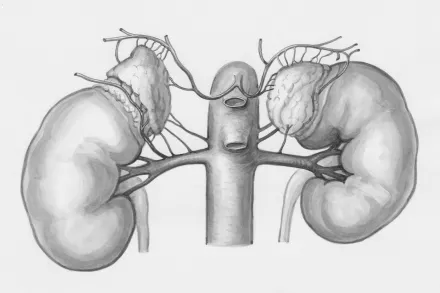
Kidney stones are hard, crystalline mineral formations that develop inside the kidneys or urinary tract when certain substances in urine become concentrated enough to crystallize. They are not a single disease but a family of conditions that share the common feature of mineral buildup occurring in a fluid environment that cannot dissolve those minerals fully. The most common type is calcium-based stones, typically calcium oxalate, which arise when levels of calcium or oxalate are higher than normal or when urine becomes unusually acidic or conc...

Chronic sinus infection, in medical terms chronic rhinosinusitis, describes a persistent inflammation of the sinuses that lasts for twelve weeks or longer despite attempts at basic treatment. This condition contrasts with acute sinusitis, which flares briefly and then resolves. The persistence of symptoms such as nasal obstruction, facial pressure or pain, reduced sense of smell, nasal discharge, and sometimes fatigue speaks to an ongoing disruption of the normal sinus drainage system and mucosal defenses. Understanding the causes is not merely...

Osteoporosis is a condition characterized by weakened bones and increased fracture risk. It often progresses without obvious symptoms until a fracture occurs. Detecting early signs involves paying attention to subtle changes in the body, daily function, and overall health, as well as participating in medical assessments that measure bone density, structure, and risk factors. Understanding how bone health works provides a foundation for recognizing signals that something may be amiss before a break happens. This article explores reliable ways to...