Heart disease remains one of the leading health challenges of modern times, yet a large body of evidence shows that regular physical activity can markedly reduce the risk and severity of cardiovascular problems. The aim of this article is to present a thorough, practical guide to using exercise as a powerful tool for preventing heart disease, focusing on how different forms of activity affect the heart, how to structure a safe and effective routine, and how to integrate exercise into a broader lifestyle that supports long-term heart health. The...
Diseases & Conditions


Chronic diarrhea is a symptom that challenges patients and clinicians alike because its origins span a broad spectrum of diseases and physiological processes. When diarrhea endures for weeks or months, it signals that the intestines are not absorbing fluids, electrolytes, or nutrients properly, or that the movements of the gut are altered in a way that accelerates transit. The impact on physical health, energy levels, social functioning, and mental well being can be substantial, especially when weight loss, nutritional deficiencies, or ongoing ...

Ulcerative colitis is a chronic inflammatory condition that primarily affects the lining of the large intestine, known as the colon, and in some cases the rectum. It is one of the group of diseases collectively referred to as inflammatory bowel diseases, or IBD, and it tends to start in early adulthood though it can appear at any age. The hallmark of ulcerative colitis is inflammation that begins in the rectum and often extends in a continuous fashion through part or all of the colon, leading to a range of symptoms that can wax and wane over ti...

Skin cancer represents a group of diseases driven by the growth of abnormal cells in the skin, and its impact on health can be profound when it is not detected early. Across populations, sun exposure, genetic predisposition, and certain environmental factors shape the risk landscape, yet the most reliable defense remains everyday vigilance and timely medical assessment. Understanding how the skin communicates warning signs through subtle changes helps people take action before a small problem grows into a difficult medical challenge. This artic...

Type 2 diabetes represents a global health challenge rooted in how the body uses insulin, the hormone that guides the entry of sugar from the bloodstream into the cells that power daily activity. In the early stages, the body often requires more insulin than usual to keep blood glucose within a normal range because cells become less responsive to this key signal. This state, known as insulin resistance, can quietly develop for years before a formal diagnosis is considered, and the pancreas may compensate by producing even more insulin. When thi...

Pancreatic cancer is a formidable disease that often begins with subtle signs that are easy to overlook. The pancreas is a gland located deep in the abdomen, tucked behind the stomach, and its functions are essential to digestion and the regulation of blood sugar. When cancer develops in this organ, the initial symptoms can be quiet, nonspecific, or linked to problems in nearby organs such as the liver, gallbladder, or small intestine. This combination of hidden beginnings and a general tendency for symptoms to blend with other common condition...

Chronic sinus infection, often called chronic rhinosinusitis, is a persistent inflammatory condition that affects the nose and the cavities around the eyes and cheeks. It differs from a typical cold or acute sinusitis in that symptoms endure for many weeks, often twelve weeks or longer, despite efforts to treat them. The condition can wax and wane, with periods of relative relief followed by flare ups, but the underlying inflammation tends to persist unless a comprehensive management plan is put in place. Patients commonly report congestion, pr...
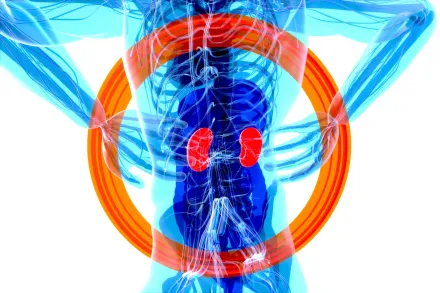
Chronic kidney disease, often abbreviated as CKD, describes a gradual loss of kidney function over time. Progression in this context refers to the pace and pattern by which the kidneys lose filtration capacity, evidenced by a sustained decline in the estimated glomerular filtration rate and by the accumulation of waste products that the kidneys would normally clear. The concept of progression is not a single linear path; it can be irregular, with periods of relative stability interrupted by episodes of faster decline. Clinically meaningful prog...

Stroke remains a leading cause of long term disability and, in many cases, premature death. It occurs when blood flow to part of the brain is interrupted, either by a blockage in an artery or by bleeding within the brain. The consequences can be profound, affecting movement, speech, memory, and independence. While some risk factors are inherited or linked to aging, a great deal of stroke prevention lies within everyday choices. By adopting deliberate lifestyle changes, individuals can significantly lower their risk and improve overall cardiovas...

Living with COPD presents a continuous balance between managing symptoms and preserving the ability to participate in daily life, and breathing exercises offer a foundational tool in that balance. These exercises are not a magic cure, but they empower individuals to influence how air moves in and out of the lungs, ease the effort of breathing, and improve overall stamina. By training the muscles involved in respiration, coordinating breath with movement, and learning gentle strategies to clear mucus, many people with COPD experience a reduction...