Understanding the Basics of Anemia and Why Early Detection Is Important
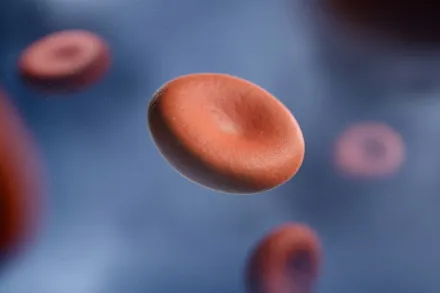
Anemia is not a single disease but a condition characterized by a reduced capacity of the blood to carry oxygen to the tissues of the body. This diminished oxygen delivery can result from a lower number of red blood cells, a lower concentration of hemoglobin, or abnormalities in the red blood cells themselves. Recognizing anemia early matters because it allows timely investigation into its cause, whether it is iron deficiency, a nutritional shortage, a chronic illness, a genetic condition, or a transient disruption in production of red blood cells. The early phase may feel subtle, but the impact on energy, mood, and overall function can accumulate over days and weeks, making prompt awareness crucial for effective management and prevention of complications that could affect heart health, cognitive function, and daily activity.
How the Body Signals That Oxygen Transport Is Impaired
At the core of anemia is a disturbance in the body’s ability to supply tissues with adequate oxygen. Oxygen is carried in the blood primarily by hemoglobin, a protein within red blood cells. When there are fewer red blood cells or less hemoglobin, tissues receive less oxygen during each heartbeat. The body tries to compensate by increasing heart rate and sometimes diverting blood flow to vital organs. These compensatory mechanisms may initially help, but they also give rise to a distinct set of symptoms that, if left unrecognized, can worsen over time. Being attentive to subtle changes in energy, stamina, and physical performance can flag a problem earlier than more obvious signs develop.
Common Early Symptoms: Subtle Clues That Should Not Be Ignored
The earliest signs of anemia often appear as persistent fatigue, a sense of weakness, or diminished endurance during everyday activities. People may notice they tire more quickly after light exertion, or that tasks they previously performed without effort now feel more demanding. Headaches may become more frequent, and some individuals report lightheadedness upon standing, particularly after lying down for a while. These symptoms can be attributed to many causes, but when they occur alongside other signs, they should prompt consideration of anemia as a possibility and a discussion with a healthcare professional.
Pallor and Visual Clues: When the Skin Tells a Story
Pallor, or paleness, is a classic sign of anemia but can be subtler in people with darker skin tones. The mucous membranes inside the lower eyelids and the inside of the lips may appear lighter than usual. Clinically, pale nails and the earlobes may also reflect a lack of adequate red blood cells. It is important to note that pallor is not universally present in all types of anemia, and its absence does not rule out the condition. Environmental factors, lighting, and skin tone can affect how obvious pallor appears, so relying on a single sign can be misleading. A combination of symptoms along with a medical assessment yields the most reliable information.
Breathlessness and Reduced Exercise Tolerance: Early Respiratory Signals
Shortness of breath during routine activities or a sense of breathlessness after small efforts can be an early clue to anemia, especially when accompanied by fatigue. The lungs and heart are trying to compensate for lower oxygen delivery by increasing breathing rate and wave amplitude. Some people notice a faster breathing rate with minimal activity, or a feeling of air hunger even when the air around them seems normal. These respiratory signs often prompt people to reflect on their overall health and consider whether red blood cell levels might be involved.
Heart-Pounded or Rapid Pulse: The Cardiac Response to Low Oxygen Carrying Capacity
As anemia progresses, the heart may respond by beating faster to maintain adequate blood flow and oxygen delivery. Palpitations, a noticeably fast or irregular heartbeat, or a sense that the chest is pumping vigorously without proportional activity can occur. In some individuals, especially those with underlying heart conditions, this cardiac strain can lead to chest discomfort or a feeling of fullness. Recognizing a rapid or irregular pulse in conjunction with other symptoms can be an important early warning sign.
Headaches, Dizziness, and Cognitive Fog: The Brain Feels the Impact
Brain function and clarity can be affected when oxygen delivery to tissues declines. People may experience headaches that are persistent or differ from usual headaches, along with dizziness or lightheadedness upon standing. Some report trouble concentrating, momentary forgetfulness, or a sense of cognitive fog that makes tasks that require focus more challenging. These neurological signs, particularly when they occur with fatigue and pallor, should be explored with a clinician to determine whether anemia or another condition is involved.
Cold Extremities: Hands, Feet, and a Chill in the Air
People with anemia may notice that their hands and feet feel cold more often than others or that they crave warm surroundings or clothing. Temperature intolerance is a common but nonspecific symptom. It can reflect a generalized reduction in metabolic heat production or a slower rate of circulation to the extremities due to reduced red blood cell mass. While cold hands do not diagnose anemia by themselves, when they appear alongside fatigue or pallor, they contribute to the overall clinical picture and justify further evaluation.
Changes in Mood and Sleep Quality: Subtle Behavioral Signals
Persistent fatigue can affect mood, leading to irritability, frustration, or decreased general vitality. Sleep disruption, whether due to restlessness or difficulty staying asleep, may accompany anemia as the body copes with low energy stores. While these symptoms are nonspecific and can result from many life factors, their persistence, especially in combination with other signs like pallor and breathlessness, merits discussion with a healthcare professional to identify any underlying cause.
Gastrointestinal Clues and Appetite Fluctuations: The Digestive Connection
Some individuals report a reduced appetite or a change in taste and cravings when anemia is present. Others may notice occasional abdominal discomfort or an upset stomach associated with dehydration and fatigue. Although these signs are not specific to anemia, they may appear as part of a broader constellation of symptoms in certain types of anemia, such as those related to nutritional deficiencies or chronic inflammatory states. Recognizing the pattern and duration of these symptoms helps clinicians distinguish anemia from transient dietary issues.
Who Is Most at Risk for Early Signs of Anemia
There are populations in which anemia tends to present earlier or more prominently due to specific risk factors. Women of reproductive age are more vulnerable to iron deficiency because of menstrual blood loss. Pregnant individuals have higher iron requirements that, if unmet, can lead to anemia that becomes noticeable through fatigue and reduced exercise tolerance. Children and infants require adequate iron for growth and development, and delays in iron intake can manifest as changes in energy, behavior, or schooling performance. Older adults may experience anemia as a consequence of chronic diseases, nutritional changes, or impaired bone marrow function, making early recognition essential in this group as well. People with digestive disorders and those who follow restrictive diets may face challenges in absorbing iron, B12, or folate, increasing the likelihood of early symptoms. Ethnic and socioeconomic factors can influence access to nutritious foods and healthcare, thereby affecting the likelihood of timely detection and treatment, underscoring the need for awareness and screening in broader populations.
Types of Anemia and How They Alter Early Symptom Patterns
Iron deficiency anemia, the most common form, often presents with fatigue, pallor, and brittle nails. Vitamin B12 or folate deficiency anemia may carry neurological symptoms such as numbness, tingling, or balance problems—signs that reflect a disruption in the nervous system’s reliance on these nutrients. Aplastic anemia, a rare condition in which the bone marrow fails to produce sufficient red blood cells, can manifest with severe fatigue and infections due to low white blood cell counts, while hemolytic anemia, resulting from red blood cell destruction, may present with jaundice and dark urine. The way symptoms present and their severity can vary by the underlying cause, so a thorough medical evaluation is essential to identify the specific type and guide appropriate treatment.
How Physicians Detect Anemia: From History to Laboratory Tests
In clinical practice, the first step is a careful history and physical examination to identify potential causes and risk factors. Physicians often ask about fatigue, exercise tolerance, dietary habits, menstrual history, and chronic illnesses. The next step typically involves laboratory testing, with a complete blood count revealing the number and size of red blood cells, the concentration of hemoglobin, and the hematocrit. Additional tests may include iron studies, ferritin levels to assess iron stores, vitamin B12 and folate levels, and, if indicated, tests for inflammation, kidney function, or bone marrow activity. The combination of symptoms and targeted laboratory work helps determine not only whether anemia is present but also its likely cause and the best treatment approach.
Self-Mcreening Approaches: What You Can Observe Between Visits
Keeping track of how you feel over several weeks can reveal patterns that might otherwise be missed. Note changes in energy, endurance for daily activities, the pace of your breathing during normal tasks, and any new or unusual fatigue after meals, especially if meals are iron-rich. Observing eyelid and lip color in good light can help you notice pallor, though this is not a definitive diagnostic sign. If you notice persistent fatigue, breathlessness with little exertion, or recurrent headaches coupled with pallor, it is wise to schedule a medical checkup. Early discussion with a clinician may lead to blood tests that reveal anemia at a stage when simple dietary adjustments and lifestyle changes can have a meaningful impact.
Dietary Clues and Practical Tips for Early Management
Diet plays a pivotal role in the prevention and early management of many common forms of anemia. Focusing on iron-rich foods such as lean red meats, poultry, fish, eggs, and plant-based sources like legumes, fortified cereals, and leafy greens can improve iron intake. Vitamin C-rich foods eaten with iron-rich meals can enhance absorption, while beverages like tea and coffee taken during meals may inhibit it. For those at risk of B12 deficiency, animal products or fortified foods are important, while vegetarians and vegans might require fortified foods or supplements. It is important to discuss any intended supplementation with a healthcare provider to avoid excess iron intake, which can be harmful in some circumstances. In addition to adjusting diet, maintaining adequate hydration, regular sleep patterns, and steady physical activity can support overall vitality and help mitigate fatigue associated with anemia.
When to Seek Urgent Medical Attention
Some signs warrant immediate medical evaluation rather than waiting for a routine appointment. Severe dizziness, fainting, chest pain, or a rapid, pounding heartbeat that does not settle with rest can signal urgent concerns, particularly in individuals with known heart conditions or lightheadedness that leads to falls. Blood loss from injury, heavy menstrual bleeding, or symptoms that accompany high fever or infection can also require prompt assessment. For pregnant individuals, prolonged fatigue with other symptoms should be evaluated promptly to ensure both maternal and fetal well-being. If you notice pale skin that is accompanied by severe fatigue, shortness of breath at rest, or confusion, seek urgent care as these may indicate more serious conditions needing rapid intervention.
Long-Term Health Implications and the Importance of Monitoring
Untreated or prolonged anemia can contribute to a variety of health challenges, including impaired cognitive function, reduced physical performance, and in some cases an increased risk of heart-related complications due to the heart working harder to compensate for reduced oxygen delivery. Even mild anemia that persists over months can impact energy levels, mood, and daily functioning. Regular monitoring through follow-up appointments and laboratory tests can help ensure that treatment strategies are effective and that the underlying cause is being addressed, whether it is a nutritional deficiency, chronic disease, or a more complex hematologic condition. Ongoing communication with healthcare providers allows adjustments in therapy and helps prevent relapse or progression.
Emerging Signs: Subtle Shifts and What They May Mean
Some individuals notice subtle shifts over time that may point toward evolving anemia or changing needs for nutrients. A gradual loss of stamina after meals, a slight change in skin color under certain lights, more frequent headaches, or a minor decline in sports performance can all be early indicators. Because these signs overlap with many other health issues, they require careful interpretation within the broader clinical context. Keeping a health diary that records symptoms, dietary patterns, menstrual cycles, sleep quality, and activity levels can be a valuable tool when discussing concerns with a clinician, helping to pinpoint whether anemia is present and guiding subsequent testing and treatment decisions.
Special Considerations for Women, Children, and Older Adults
In women, menstrual blood loss is a common contributor to iron deficiency anemia, particularly in those with heavy periods. Pregnant women face increased iron requirements to support fetal development, making vigilant monitoring essential. Children undergo rapid growth, and iron needs are high for cognitive development and physical performance; delayed or insufficient iron intake during these stages can have lasting effects if not detected early. Older adults may experience anemia influenced by chronic disease, nutritional changes, or medications, necessitating tailored evaluation to differentiate age-related factors from underlying conditions. Across all these groups, clinical vigilance, accessible screening, and proactive dietary planning can substantially reduce the impact of anemia on daily life and long-term health.
Historical Perspective and Contemporary Screening Practices
Historically, anemia has been recognized through a combination of visible signs and simple blood tests, with screening protocols evolving to emphasize early detection in primary care. Today, routine screening often includes white and red blood cell counts, hemoglobin measurement, and targeted investigations based on risk factors, symptoms, and pregnancy status. Public health initiatives emphasize the importance of accessible testing and education about dietary sources of iron and nutrients essential for red blood cell production. As science advances, new biomarkers and noninvasive methods may enhance early detection, but the core principle remains the same: identifying and treating the underlying cause promptly to restore oxygen delivery and everyday function.
Integrating Knowledge into Everyday Life: Practical Steps for Early Recognition
To translate knowledge into action, consider cultivating a habit of self-awareness regarding energy levels, breathing during routine activities, and mood changes. If fatigue or breathlessness persists for more than a couple of weeks, or if pallor is noted alongside other signs, arrange a medical evaluation. Discuss dietary patterns, menstrual history, chronic illnesses, medication use, and family history with your clinician, as these details can illuminate possible causes. Access to reliable healthcare and honest communication are key to obtaining an accurate diagnosis and building a practical plan that supports recovery and long-term health.
The Role of Education and Community Support
Education about anemia can empower people to seek timely care and to make informed lifestyle choices. Community health programs, school wellness initiatives, and workplace health services can raise awareness of early symptoms and encourage routine blood testing for at-risk groups. When communities understand the signs to watch for and the importance of nutrition and regular medical checkups, collective outcomes improve. Sharing patient stories and culturally sensitive guidance helps bridge gaps in knowledge and access, ensuring that individuals feel supported in navigating diagnosis, treatment options, and follow-up care.
Closing Thoughts: A Pathway to Early Recognition and Health Optimization
Recognizing signs of anemia early is about being attentive to signals your body sends during daily life and seeking medical evaluation when they persist or worsen. The body’s oxygen transport system is intricate, and anemia represents a disruption that can stem from many causes. By staying informed, maintaining a balanced diet, monitoring risk factors, and engaging with healthcare providers, you can catch anemia in its initial stages, begin targeted treatment, and protect your long-term health. The journey from first warning signs to accurate diagnosis is a collaborative process that benefits from curiosity, patience, and proactive care, ultimately helping you maintain energy, resilience, and the capacity to participate fully in the activities you value most.