Motivation is the inner drive that pushes people from intention toward action, and fitness trackers have emerged as accessible tools that can illuminate the path from thoughts to consistent behavior. These devices translate physical activity into data, and that data into feedback that can be interpreted as progress, effort, or a need for adjustment. When used thoughtfully, trackers do more than tally steps; they scaffold a feedback system that helps individuals recognize patterns, connect new behaviors to rewards, and sustain effort across week...
Fitness & Physical Activity

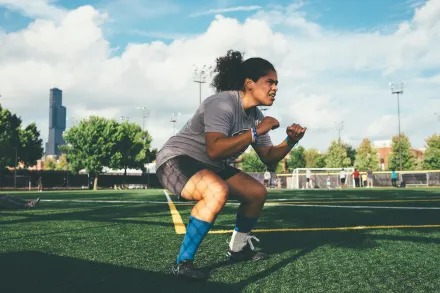
Agility stands as a dynamic intersection of speed, coordination, balance, and decision making that allows an athlete to change direction, accelerate, decelerate, and adapt to ever shifting demands of a game or competition. Unlike raw sprint speed, agility embodies the ability to process information, adjust mechanical output in real time, and execute precise movements under fatigue and pressure. This article explores a comprehensive approach that goes beyond drills and showcases how to build a resilient, adaptive athletic system. It presents a p...

Rest days are not an afterthought in a training plan; they are a fundamental element that shapes the quality of adaptation, the resilience of the body, and the clarity of the mind. Far from implying stagnation or laziness, deliberate pauses from strenuous work provide the opportunity for the body's systems to repair, rebuild, and rebalance after the cumulative stress of training. When athletes speak of progress, they often emphasize intensity and volume, yet the steady, measuring pace of recovery runs, complete rest, and mindful rest days quiet...

Cardio and strength training are often viewed as separate paths, yet they are deeply compatible when approached with clarity and intention. Cardio improves heart and lung capacity, enhances blood flow to muscles, and increases overall endurance, all of which support longer and more demanding resistance sessions. Strength training increases muscle mass, bone density, and metabolic rate, which in turn makes cardio feel more efficient because the body becomes mechanically efficient and better at using oxygen during effort. When you train these ele...

Core stability refers to the ability of the trunk musculature to coordinate and control movements of the spine, pelvis, and thorax in a way that provides a solid foundation for limb action. It is not merely a measure of how strong the abdominal muscles appear in isolation but a dynamic property that enables efficient transfer of force from the lower body through the torso to the upper body and vice versa. In modern athletic competition, athletes are asked to perform complex, multi planar actions under conditions of fatigue and rapid decision ma...

Dumbbells offer a versatile and accessible path to strength, muscle development, mobility, and overall functional fitness. The art of using dumbbells effectively lies not only in choosing weights and performing repetitions but in understanding how the body responds to resistance, how joints move, and how to sequence movements to maximize gains while minimizing risk. This article explores principles, practical strategies, and precise cues that help exercisers of varying levels to use dumbbells with clarity, confidence, and consistency. By embrac...

Building back strength is a nuanced journey that combines a solid understanding of anatomy with disciplined practice, careful supervision when needed, and a mindset oriented toward sustainable progress. The back is not a single muscle but a complex system that includes the muscles of the upper, middle, and lower back, along with the deep stabilizers that hold the spine in a safe and efficient position during movement. When approached with patience, respect for the body's limits, and a well structured plan, the process fosters better posture, mo...

Core strength is more than six-pack visibility or the ability to hold a plank for a long time. It is the engine of everyday movement, a layer of muscular support that stabilizes the spine, transfers force from the legs to the upper body, and helps you perform tasks with less effort and safer form. When your core is strong, you experience better posture during work at a desk, easier transitions in daily activities such as bending to lift groceries, maintaining balance on uneven pavement, and resilience during the unpredictable twists and turns o...

Maintaining fitness over the long arc of life is less about dramatic breakthroughs and more about the quiet, persistent choreography of daily choices. It requires a clear sense of direction, a reservoir of patience, and strategies that respect the variability of daily energy, work demands, and personal responsibilities. In practice, success hinges on building habits that endure beyond motivation, on shaping routines that feel doable even when motivation wanes, and on cultivating an adaptable mindset that allows progress through equipoise rather...
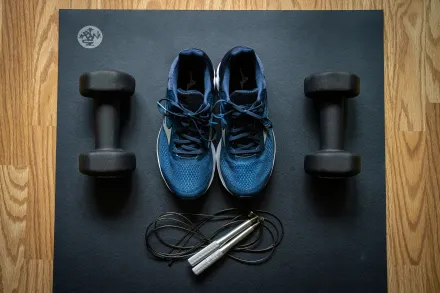
In the language of fitness, balance means more than equally dividing time across activities. It means designing a plan that respects the body's needs for cardio development, strength, mobility, flexibility, and critical recovery. A balanced routine acknowledges that progress in one area can be compromised if another is neglected. The most fundamental idea is to create a living system within your week that supports energy flow, keeps joints healthy, and reduces the risk of overuse injuries. When you picture balance, you should imagine a scale wi...