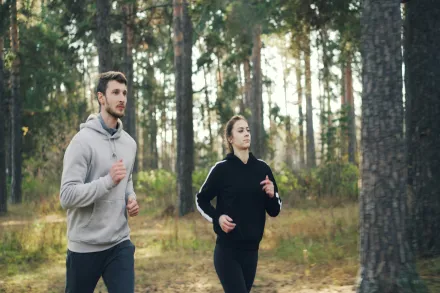
Across the landscape of personal fitness, few strategies prove as consistently effective for sustaining momentum as pairing up with a partner. When two individuals commit to a shared routine, the equation of motivation shifts from a solitary pursuit into a collaborative journey. The simple act of coordinating schedules, sharing progress, and offering encouragement can transform workouts from a chore into a meaningful social ritual. This article explores how partner workouts cultivate motivation, unlock consistency, and nurture a healthier relationship with exercise that lasts beyond a single routine or season.
Motivation in exercise is often portrayed as a spark that kindles initial fervor only to wane as the days slide by. In reality, motivation is a dynamic process that benefits greatly from accountability, social connection, and tangible feedback. A partner becomes more than a gym buddy; they become a mirror, a cheerleader, and a co-creator of a sustainable path toward fitness goals. The synergy of two people working toward a common aim creates a psychological environment where effort feels reciprocated, progress feels visible, and setbacks feel solvable rather than solitary.
Introduction to partner workouts and motivation
Partner workouts begin as an idea of shared effort but quickly evolve into a framework for lasting discipline. When two people commit to a plan, each person gains a reason to show up even on days when motivation is low. This shared responsibility reduces the cognitive load of deciding to start, making the daily act of exercising more automatic and less prone to excuses. The presence of another person can provide a gentle but persistent nudge to push through fatigue, maintain form, and stay engaged with the activity at hand.
Beyond sheer routine, partner workouts cultivate an atmosphere of support that extends into the mindset of each participant. The dynamics of give and take, of cheering and steadying, create a social contract in which personal improvement becomes intertwined with the other person's success. The momentum built through this social contract often spills over into other aspects of life, reinforcing discipline in work, sleep, and nutrition because the same energy that fuels workouts begins to pervade wider daily habits.
Accountability and commitment
One of the most powerful forces behind partner workouts is accountability. When two people agree to meet for a session, the commitment is not solely about the individual desire to exercise; it is also about honoring a mutual promise. The obligation to show up for someone else reduces the likelihood of skip days and late starts. Accountability also operates through gentle accountability checks, where partners review goals, share milestones, and acknowledge effort in a manner that validates progress rather than punishes shortfalls. This broader sense of responsibility can transform a tentative plan into a reliable routine that endures through busy seasons and changing schedules.
Accountability is not about judgment but about partnership. A partner can notice when form deteriorates, when a session becomes too easy, or when energy dips during a workout. In response, the partner can offer constructive feedback, adjust the plan, or switch up the routine to keep progress steady. This collaborative feedback loop reduces the isolation that often accompanies self-guided programs, replacing it with a steady stream of encouragement and practical guidance. In such an environment, accountability becomes a shared cultivation of care and competence rather than a metric of perfection or failure.
Social bonding and mutual encouragement
Humans are social beings whose motivation is deeply influenced by the quality of relationships around them. Partner workouts create opportunities for genuine connection that extend well beyond the gym walls. The shared effort fosters trust, mutual respect, and a sense of belonging. When two people savor the small successes together, such as completing a challenging set or maintaining consistency across a week, they build a reservoir of positive experiences that strengthens future commitment. This social bonding provides emotional safety, which makes it easier to experiment with new movements, push through discomfort, and celebrate progress without fear of judgment.
Mutual encouragement during exercise has a unique psychological effect. Hearing a voice of encouragement or receiving a nod of approval at a moment of challenge can shift one’s perception of effort. The perceived difficulty of a task often decreases when someone else signals belief in your abilities. In this way, encouragement is not mere fluff but a tangible cognitive resource that improves performance, reduces anxiety around performance, and builds resilience. The social dynamic turns workouts into a shared adventure rather than a solitary obligation, increasing the odds that both partners will remain engaged for the long term.
Structured routines and consistency
Consistency is the backbone of any effective fitness program, and a partner is a catalyst for forming that consistency. When two people agree to a routine, the timetable becomes more durable because it is anchored to another person’s availability as well as your own. Regular appointments with a partner create a rhythm that reduces the friction of decision making and eliminates excuses tied to last-minute changes in mood or energy. The predictable cadence of workouts helps the body adapt to a steady cadence of training, strengthening habit formation and reinforcing the pattern of showing up despite waning motivation.
The structure provided by a partner can also facilitate progressive overload with greater reliability. Partners can set joint milestones, adjust intensity together, and track shared progress in a way that feels collaborative rather than competitive. This shared structure supports incremental gains and helps both participants experience ongoing improvement. When routine becomes predictable, motivation is less likely to vanish because the routine is not tied to fleeting inspiration but to an established, dependable pattern that respects personal limits while encouraging growth.
Performance awareness and feedback
Feedback is a critical ingredient in motivation, and partner workouts offer real-time insights that solo training often lacks. A partner can observe form, alignment, tempo, and breathing patterns with a careful eye, providing immediate, actionable feedback. This dynamic reduces the risk of injury and increases the quality of each repetition, which in turn enhances motivation by delivering a clear sense of progress. When improvements are visible week after week, both partners experience a surge of confidence and renewed interest in the next session.
Shared feedback also reduces the cognitive load of self-assessment. Instead of guessing whether a movement was performed correctly or if a particular cue should be applied, partners can rely on each other to point out adjustments and celebrate correct technique. This collaborative evaluation cultivates a growth mindset, where mistakes are reframed as opportunities to learn. The combination of external feedback and internal reflection deepens the learning process and sustains enthusiasm for future workouts.
Competitive drive and healthy rivalry
A certain degree of friendly competition can be a powerful stimulus for sustained effort. When two athletes train together, they naturally calibrate their intensity, attempt challenging progressions, and push one another to extend sets or reach new targets. The key is to keep rivalry constructive, focusing on personal bests rather than comparative superiority. The presence of a partner who shares similar goals can turn a tough workout into a collaborative challenge that strengthens both individuals and fosters a sense of shared achievement.
Healthy competition also teaches resilience. Negotiating the line between pushing too hard and respecting limits is a nuanced skill that develops over time in a partnership. As partners learn to regulate intensity collectively, they build a resilient approach to training that embraces occasional tough sessions as necessary steps toward growth. This attitude broadens motivation beyond the single session and helps sustain engagement through plateaus, injuries, or shifting life circumstances.
Safety, guidance, and technique
Partner workouts offer a practical advantage in safety and technique oversight. When a partner is watching, they can remind you to maintain proper alignment, use appropriate ranges of motion, and stay mindful of breathing. For beginners, a partner can act as a spotter for lifts, ensuring that movements are controlled and safe. This supervision reduces the fear of injury, allowing individuals to experiment with new movements in a supportive environment. Even experienced exercisers benefit from a second set of eyes that can catch minor flaws before they become bad habits.
Beyond safety, guidance from a partner can accelerate skill acquisition. Two minds can analyze a movement from slightly different perspectives, uncover subtle cues, and articulate cues in ways that resonate more deeply than a single coach might. This collaborative learning fosters confidence and keeps motivation high because the process feels like a shared education rather than merely a routine. The result is a training culture built on care, precision, and continuous improvement.
Tailoring programs and shared goals
No two bodies respond identically to a given program, and partner workouts shine when it comes to customization. Partners can adapt sessions to accommodate varying fitness levels, injuries, preferences, and time constraints without compromising the sense of unity. By designing each workout around mutual goals, such as improving endurance, building strength, or increasing flexibility, both individuals feel that their progress matters and that their contributions directly influence a shared outcome. This alignment fosters belonging and a sense of purpose that bolsters motivation across weeks and months.
Shared goals also invite creativity in programming. Partners can introduce complementary modalities that keep things interesting, such as alternating strength tasks with mobility blocks, integrating functional circuits that mimic real-world activities, or weaving in playful challenges that test balance and coordination. The ongoing process of co-creating and refining a program reinforces engagement, because the plan is not handed down from somewhere else but co-authored by both participants who are invested in the result.
Overcoming obstacles and maintaining momentum
Life inevitably introduces obstacles that threaten consistency, from busy work weeks to travel or familial duties. In such moments, a partner can help reframe obstacles as temporary detours rather than insurmountable barriers. The presence of another person who values the commitment makes it easier to reschedule, adjust intensity, or switch the activity while preserving momentum. Momentum in this sense is not a binary state of having trained or not; it is a fluid curve that can recover quickly when two people commit to resetting and resuming together.
Momentum also benefits from variety, which partners are well positioned to provide. When fatigue or boredom sets in, a partner can propose restorative sessions, skill-building challenges, or playful, low-impact options that still contribute to overall fitness. This flexibility keeps motivation alive by preventing burnout and providing a sense of novelty. The ability to adapt without abandoning the core goal is a hallmark of successful partner training that fosters long-term adherence.
Practical considerations for getting started
Launching a partner workout routine begins with a thoughtful conversation about mutual expectations, scheduling realities, and safety boundaries. Potential partners should discuss preferred modalities, available equipment, and the common time window that works consistently. Clear expectations about communication style, feedback frequency, and accountability practices help prevent misunderstandings that can erode motivation. The goal is to establish a shared emotional contract that feels fair, sustainable, and genuinely enjoyable for both people.
Finding the right partner involves an honest assessment of compatibility: similar levels of commitment, compatible schedules, and a respectful approach to feedback. It can be beneficial to start with a trial period that allows both participants to explore how well the partnership meshes with their personality and energy rhythms. During this phase, it is important to keep the atmosphere supportive and nonjudgmental, emphasizing progress, not perfection. A patient, collaborative mindset lays a strong foundation for lasting motivation.
Maintaining motivation through variety and new challenges
Routine and novelty must coexist to sustain motivation over time. Partner workouts lend themselves to creative variations that keep training engaging while still achieving core goals. For example, partners can experiment with tempo changes, different equipment, or alternating emphasis between endurance, strength, and mobility. The shared accountability remains the anchor, while the evolving challenges provide fresh stimuli that prevent plateaus and reduce monotony. A sense of exploration within a familiar framework keeps motivation lively and purposeful.
Variety also supports psychological resilience. When the mind associates exercise with exploration and collaboration rather than repetition, it views workouts as opportunities rather than obligations. Partners can set playful milestones that invite curiosity and celebration, such as successfully integrating a new movement or achieving a coordinated sequence. This positive association reinforces the habit loop and makes continued participation more likely across seasons and life transitions.
Digital companions and remote partnerships
Technology has expanded the reach of partner workouts beyond physical proximity. Remote partnerships can function effectively through scheduled video check-ins, shared digital logs, and virtual coaching cues. The motivational benefit remains intact even when partners are separated by distance because the commitment to a plan, the exchange of feedback, and the celebration of progress can all occur in real time or asynchronously. Remote partnerships open possibilities for accountability, support, and social presence that transcend geography.
Remote collaboration also fosters inclusivity and flexibility. People with demanding schedules, travel obligations, or varying local gym access can still participate in a shared fitness journey. The core principle remains the same: two individuals align their efforts, exchange encouragement, and hold each other to a standard of consistency that transcends the walls of a single facility. In this sense, technology acts as an enabler of motivation rather than a barrier, expanding the potential for sustainable partnership-based training.
Measuring progress and interpreting feedback
Effective motivation requires clear signals of progress. Partners can align on simple metrics that reflect personal improvement without turning workouts into obsessive data collection. Tracking trends in endurance, strength, speed, or flexibility across weeks helps both participants see tangible gains. The interpretation of feedback, too, matters; framing progress in terms of capability and resilience rather than numbers alone fosters a constructive mindset. When partners share honest reflections about what felt easier or more controlled, motivation strengthens through a sense of evolving mastery.
Beyond numbers, qualitative indicators such as increased energy, improved mood, and better sleep provide compelling evidence of the value of a partner-based program. Celebrating these non-tangible wins alongside performance metrics reinforces the perception that effort yields meaningful life benefits. The practice of acknowledging both effort and achievement creates a holistic picture of progress that sustains motivation over the long haul, even through weeks when progress appears slower on the surface.
Long-term health and mindset benefits
The advantages of partner workouts extend well beyond the gym floor. Regular collaboration around movement builds habits that translate into diverse aspects of health, including stress management, cognitive sharpness, and social well-being. The habit of prioritizing time for physical activity becomes a shared ritual that reinforces positive coping strategies for daily stress. Over time, this collaborative practice cultivates a growth-oriented mindset where challenges are approached with curiosity, experimentation, and mutual support rather than avoidance or resignation.
The mindset shift is particularly evident in how individuals relate to failure. In a supportive partnership, setbacks become opportunities to adjust plans, not reasons to quit. This adaptive resilience reduces the fear of trying new things and encourages ongoing exploration of what works. When motivation is anchored in a collaborative, values-driven framework, people are more likely to persist through life changes and to maintain a steady course toward better health and well-being.
Integrating partner workouts into daily life
For workouts to remain motivating, they must fit seamlessly into daily life rather than feel like an extra burden. Partners can coordinate routines around family responsibilities, work commitments, and social obligations so that training becomes a natural part of the week. By aligning goals with available time and energy, both participants experience less friction and more consistency. This integration reinforces a sense of control over one’s lifestyle and strengthens the conviction that fitness is a sustainable, enjoyable part of life rather than a temporary project.
When workouts are harmonized with daily rhythms, even small sessions carry meaningful impact. Short, focused bouts can accumulate into substantial gains when performed consistently with a partner. The intimacy of shared routines also fosters a sense of belonging that transcends the gym. The relationship between accountability, enjoyment, and perceived value becomes a powerful predictor of adherence, guiding both participants toward healthier choices across food, sleep, and leisure activities.
Common myths about partner workouts
Some people believe that partner workouts inevitably lead to unhealthy competition, decreased autonomy, or dependence on another person. In reality, these outcomes are not automatic and depend on how the partnership is managed. A well-balanced partnership emphasizes mutual respect, personal pacing, and collaborative goal setting rather than coercive dynamics or hanging on to another’s pace. Debunking these myths invites a more nuanced understanding of how two people can reinforce each other’s strengths while honoring individual differences and limits.
Another misconception is that partner workouts require a fixed schedule or identical fitness levels. In truth, successful partnerships adjust to varying energy levels, skill sets, and interests. The flexibility to accommodate differences while maintaining shared objectives makes the bond resilient and the motivation sustainable. Rather than forcing sameness, the most effective partnerships celebrate complementary strengths and support growth at each person’s unique pace, fostering confidence and continuity over time.
Sustaining energy and motivation over time
Long-term motivation in partner workouts thrives on consistent communication, evolving goals, and a shared sense of purpose. Regular check-ins about what is working, what feels misaligned, and what new challenges are appealing keep the partnership dynamic. The practice of refining goals together helps prevent stagnation and creates an ongoing invitation to learn, adapt, and grow. As the partnership matures, both individuals discover that motivation is less about chasing a momentary high and more about nurturing a durable, collaborative approach to movement and wellness.
Ultimately, partner workouts invite a holistic view of fitness where motivation arises not from solitary willpower alone but from the mutual reinforcement of two people committed to each other’s health. The camaraderie, accountability, and shared learning that emerge from this dynamic create an environment in which effort feels meaningful, progress feels tangible, and the journey remains compelling across the seasons of life. In such a setting, motivation becomes a natural byproduct of connection, intention, and sustained practice that enriches not only bodies but also relationships and everyday well-being.