Essential oils have traveled a long path from traditional apothecaries to contemporary wellness routines, bringing with them a fragrance that many associate with clarity, balance, and a sense of well being. While their aromatic properties can uplift mood and support relaxation, their physical interactions with the skin are a separate realm of benefit. The skin is not only a barrier between the inside and outside world; it is a dynamic organ that responds to environmental stress, hormonal cycles, and everyday exposures. When used thoughtfully, e...
Alternative Medicine


Aromatherapy functions at the intersection of scent, brain chemistry, and daily experience, shaping how people feel and respond to their environment. When you breathe in the aromatic molecules released by essential oils, they travel through the nose and interact with specialized receptors that send signals to the brain. This pathway connects to regions that regulate emotion, memory, and alertness, particularly the limbic system, which includes structures such as the amygdala and hippocampus. In recent years scientists have been able to observe ...

Emotional resilience is the capacity to adapt to stress, to recover quickly from adversity, and to maintain a sense of inner balance when external circumstances shift or pressure builds. It does not imply a denial of difficulty or a constant state of calm; rather, it reflects a flexible stance that allows a person to experience distress without being overwhelmed by it. When resilience is strong, reactions to negative events tend to be more measured, thoughts become clearer, and actions align more closely with long term values rather than impuls...
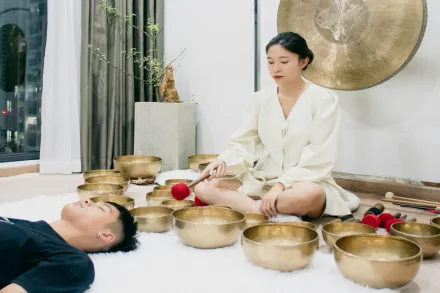
Long before the age of laboratories and clinical trials, people learned to use sound as a bridge between the inner state and the outer world. In many ancient traditions, the vibration of voice, drum, or instrument was believed to carry energy and intention, capable of guiding collective rituals and personal calm alike. In modern times, researchers and practitioners have begun to describe what those early experiences hinted at: sound can choreograph the body’s physiological tempo and influence the mind’s tendency toward worry or rumination. When...

Digestive discomfort touches many people in various ways, from occasional bloating to persistent tension after meals, from occasional nausea to sensitive stomachs that respond poorly to stress. Aromatherapy offers a gentle, accessible approach that centers on the sense of smell and the body’s natural rhythms. By aligning breathing, mood, and physiological responses, aromatherapy can contribute to a more comfortable digestive experience without demanding drastic changes in daily routine. This article explores how essential oils and aroma-based p...

Aromatherapy stands at the intersection of science, art, and everyday life, offering a pathway to influence mood through the sense of smell. Humans have long looked to fragrance as a companion to emotion, turning to fragrant plants and oils during moments of joy, stress, or fatigue. The modern exploration of aromatherapy extends these centuries of practice into a framework that emphasizes both experiential benefits and measurable brain processes. When a person inhales a carefully chosen aroma, a cascade of signals travels from the nose to the b...

Reflexology is a therapeutic approach that seeks to influence the body by applying deliberate pressure to specific points on the feet, hands, and ears. This practice rests on the idea that these points are connected to different organs, glands, and systems through energy pathways that enrich the overall sense of balance within the body. When the practitioner works with precise pressure and rhythm, the intention is not to treat a disease directly but to encourage a state in which the body can harmonize its functions more naturally. In the realm ...

Sleep disorders affect a significant portion of the population and can manifest as difficulties falling asleep, staying asleep, or cycles of sleep that are irregular and non restorative. For many people, traditional approaches such as sleep hygiene, behavioral therapies, and pharmacological interventions may help to varying degrees, but there are instances where sleep disturbance persists despite standard care. In recent years a growing conversation has emerged around energy healing as a complementary approach that seeks to address the perceive...

Chronic pain is a multifaceted experience that weaves together physical sensations, emotional responses, and cognitive interpretations into a single, persistent pattern. It is not merely a reflection of tissue damage, but a dynamic process that involves the brain, the nervous system, and the surrounding environment. In many cases the sensation lingers even after the original injury has healed or remains without a clear structural cause. In such circumstances the brain becomes highly sensitized, amplifying signals that arrive from the body and s...
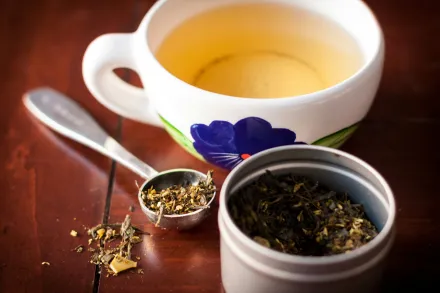
The human digestive system is a complex network of organs that work together to break down food, absorb nutrients, and eliminate waste. Herbal teas are not medicines, but they can support comfort and proper function by providing plant compounds that interact with the stomach, intestines, and liver in nuanced ways. When a warm cup of tea is sipped, the liquid can soothe the esophagus and stomach lining, encourage mild rhythmic contractions of the gut, and help maintain hydration which is essential for smooth digestion. In addition to hydration, ...