Yoga is a practice that blends mindful movement, controlled breathing, and focused attention into a single cohesive activity that can transform both the body and the mind. Its origins stretch across ancient traditions, yet its relevance remains vibrant in modern life where people seek balance, resilience, and a more functional range of motion. When approached with patience and consistent intention, yoga offers a pathway to increased flexibility and enhanced strength that supports everyday tasks, athletic goals, and long term health. The fabric ...
Alternative Medicine


Cupping therapy is a practice with a long arc that crosses cultures and centuries, weaving together traditional wisdom and evolving clinical perspectives. Its roots can be traced to ancient healing traditions where the body was understood as a dynamic system in which energy, circulation, and tissue health interact in intricate ways. Across different civilizations, practitioners observed that certain patterns of tissue tension and stagnation could be influenced by creating a temporary alteration in the local tissue environment, and that this alt...
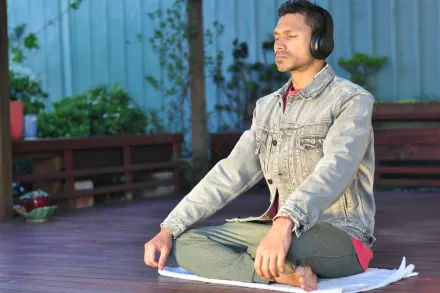
In the modern world where the pace of life often feels unrelenting, the practice of mindfulness meditation offers a path to calmer mental terrain and a steadier bodily response to the pressures that accumulate in daily life. Mindfulness, at its core, is the intentional cultivation of nonjudgmental attention to the present moment. It invites a curious and compassionate stance toward experience, whether that experience comes as a thought, a feeling, a sensation in the body, or an external event. This approach does not erase stress or deny its rea...
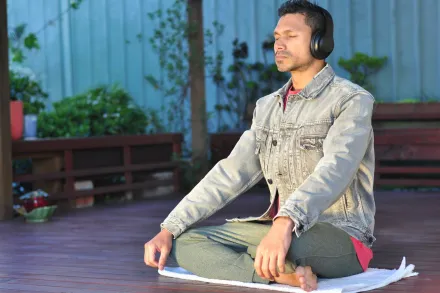
In a world that often promotes rapid attention and constant multitasking, the idea of sitting still and turning the mind toward its own patterns might seem counterintuitive. Yet meditation has a long lineage in many cultural and spiritual traditions and has become a scientifically validated method for strengthening focus. The core promise of meditation for a focused mind is not to erase distraction entirely but to change the way attention is allocated so that the mind can settle on chosen objects with steadiness and clarity. When the mind learn...

Aromatherapy has emerged as a gentle and accessible approach to supporting digestive comfort for many people who experience bloating, occasional indigestion, or stress related stomach upset. In its essence, aromatherapy uses the volatile compounds found in plants, captured in essential oils, to influence mood, appetite, and physiological responses in ways that can help the digestive system function with less friction and more ease. The appeal lies not in dramatic cures but in the potential to influence a complex network that links the gut to th...

In traditional Chinese thought, energy is not a metaphor but a living principle that animates all aspects of the body and its surroundings. Qi moves along meridians, networks that carry information and life force similar to rivers threading through a landscape. When qi flows smoothly, the tissues and organs receive sustenances at the right pace; when it becomes obstructed or misdirected, discomfort emerges, and energy can appear as fatigue, tension, or a lack of vitality. Acupuncture is a gentle invitation to reestablish rhythm, guiding subtle ...

In the human body, stress is a biological signal that triggers a cascade of chemical messages designed to mobilize energy and protect the organism. The main hormonal actors in this drama are cortisol, adrenaline, and norepinephrine, released by the adrenal glands as the brain perceives a need to respond quickly. When stress is acute, these hormones help sharpen focus, increase heart rate, and make glucose more available to muscles. When stress becomes chronic, however, persistent elevations in cortisol and related signals can disrupt sleep, sup...

Reiki is a tradition that traces its roots to early twentieth century Japan, and its modern form presents a gentle framework for approaching well being through the sense that life energy flows through and around the human body. Within this tradition, practitioners speak of a universal life force that can be channeled through the hands to support balance, harmony, and relief from distress. The names and symbols that are part of training are less important than the experiential quality of attention, nonjudgmental presence, and an intention to eas...

From its origins in the late eighteenth century, homeopathy sought to stimulate the body's own healing response through highly diluted substances. In the realm of digestive health, practitioners early observed patterns of symptoms and the way patients described their experiences with meals, bowel movements, and discomfort after eating. The language used by patients often reflected a broader sense that the digestive system is intimately tied to emotional well-being, energy fluctuations, and daily rhythms. Homeopathy proposed that matching sympto...
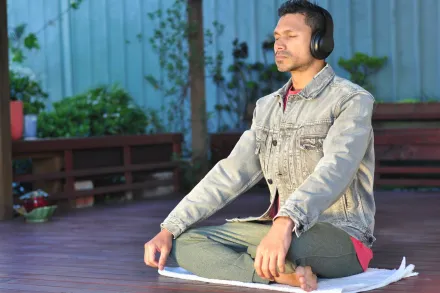
Qi Gong is a practice built around the cultivation and harmonization of life energy, a concept that has guided traditional health systems for centuries. In its essence, Qi Gong invites the practitioner to slow down the pace of ordinary life, to listen to the body, and to learn how to guide breath, attention, and movement in a way that supports a balanced flow of energy. The practice is not about exertion or competition but about alignment, mindfulness, and the graceful coordination of body and mind. When performed with intention, even brief ses...