Origins and historical context
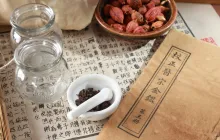
Cupping therapy is a practice with a long arc that crosses cultures and centuries, weaving together traditional wisdom and evolving clinical perspectives. Its roots can be traced to ancient healing traditions where the body was understood as a dynamic system in which energy, circulation, and tissue health interact in intricate ways. Across different civilizations, practitioners observed that certain patterns of tissue tension and stagnation could be influenced by creating a temporary alteration in the local tissue environment, and that this alteration might recalibrate pain responses, ease muscle knots, and promote a sense of relief. While the precise historical narratives differ, the common thread remains the belief that drawing certain parts of the skin into suction could redirect flows of energy and blood, offering a soothing counterpoint to persistent discomfort. The historical record preserves stories of cupping appearing in medical papyri, herbal compendia, and traditional manuals from varied regions, each adding texture to a practice that has persisted because it addressed real human needs for relief and functional restoration in the face of pain and strain.
In modern times, a blend of curiosity, clinical observation, and patient feedback has helped sharpen cupping into a more standardized therapeutic option within complementary and integrative care. The historical reverberations are not mere antiquarian notes; they shape how practitioners configure the therapy, how patients describe their experiences, and how researchers frame questions about efficacy and safety. The continuity from past to present is reflected in the emphasis on careful technique, patient suitability, and clear communication about what cupping can and cannot do. As scientists and clinicians explore mechanisms at cellular and systemic levels, the practice continues to be valued for its potential to complement conventional pain management strategies rather than to replace them. This bridging role is at the heart of why cupping therapy remains relevant in contemporary conversations about holistic approaches to pain relief.
From a cultural standpoint, cupping has often been situated within broader wellness and recovery paradigms that prioritize balance, renewal, and the restoration of functional capacity. The visual marks left by cupping, when present, can provoke curiosity and even a sense of reassurance for some patients, serving as a tangible reminder of an active intervention underway. At the same time, there is a growing emphasis on patient education, so individuals understand how cupping interacts with tissue physiology and neural pathways. The historical lineage, the modern clinical lens, and patient experiences intersect to create a narrative in which cupping is understood not as a single cure but as a therapeutic modality that may contribute to pain relief when used thoughtfully and within a comprehensive care plan. This context is essential for appreciating how cupping fits into the broader landscape of pain management and wellness strategies.
What cupping therapy is and how it is performed
At its core, cupping therapy involves applying cups to the skin to create a suction effect, which may be achieved through heat or mechanical means. In many contemporary practices, the procedure begins with the practitioner selecting appropriate cups, preparing the skin, and establishing a safe suction level that respects tissue sensitivity and patient comfort. The cups, typically made of glass, silicone, or silicone variants, are placed on specific points or larger regions where tension or stiffness is present. The suction draws the skin and superficial fascia upward into the cup, often resulting in a temporary change in tissue tension and a perceptible sense of relief for some individuals. The duration of each cupping session can vary, commonly ranging from several minutes to longer intervals depending on the specific goals, patient tolerance, and clinical judgment. During the session, some practitioners move the cups slowly, a technique known as moving cupping, which aims to influence broader myofascial networks and encourage a dynamic interaction between superficial tissues and underlying structures.
The process is typically complemented by careful communication between practitioner and patient, including assessment of comfort levels, monitoring of skin responses, and adjustments to suction strength or cup positioning as needed. After the cups are removed, clinicians often provide guidance on post-session care, such as gentle stretching, hydration, or rest periods, to support tissue recovery and to maximize the potential benefits of the therapy. It is important to note that cupping is usually described as a modality that can be combined with other therapies, including manual therapy, physical conditioning, and modalities aimed at addressing the broader factors contributing to pain. In clinical settings, the practice is often individualized, with plans tailored to a patient’s history, current symptoms, and treatment goals, reflecting the personalized nature of pain management. The overall approach emphasizes safety, clear expectations, and ongoing evaluation to determine how cupping may contribute to pain relief within a comprehensive plan.
From a practical perspective, social and cultural contexts, practitioner training, and local regulations shape how cupping is offered. Skilled practitioners emphasize hygiene, appropriate skin preparation, and the use of sterile or properly maintained equipment. They may also discuss potential temporary skin marks or discoloration that can occur after cupping and reassure patients about the typical duration and expected timeline for any marks to resolve. The emphasis on patient education remains central, as understanding the sensations, potential benefits, and any limitations helps people make informed decisions about whether cupping aligns with their individual needs and goals. By combining thoughtful technique with patient-centered communication, cupping therapy can be integrated into a nuanced approach to pain relief that respects both tradition and modern professional standards.
Biological mechanisms behind pain relief
The plausibility of cupping’s effects rests on several overlapping biological pathways that scientists and clinicians continue to explore. One widely discussed mechanism centers on local tissue perfusion: the suction created by the cups may increase blood flow to the treated area, which can help deliver oxygen and nutrients, facilitate removal of metabolic byproducts, and support tissue repair processes. Enhanced microcirculation may, in turn, affect the local metabolic milieu, promote relaxation of tight muscle fibers, and reduce the sensitivity of nerve endings that contribute to pain perception. While improving regional circulation is an attractive explanation, it is not the sole factor at play in the experience of pain relief, because pain is a complex phenomenon shaped by peripheral inputs, spinal processing, and brain-wide modulation of perception.
A second line of thought involves the modulation of the nervous system. The sensory input generated by cupping can activate mechanoreceptors and proprioceptors in the skin and superficial fascia. This sensory input may engage pain-modulatory circuits, including descending inhibitory pathways that dampen pain signals at their source. In some cases, this can translate into felt reductions in pain intensity, improved range of motion, and a broader sense of well-being after a session. The interplay between peripheral signals and central processing helps explain why some individuals report both physical relief and a calmer, mood-enhancing effect following cupping. These experiences are not uniform, however, and variability between people underscores the importance of individualized assessment and expectation management in clinical practice.
Another possible mechanism involves the connective tissue network, often described as the myofascial system. Cupping’s lift and separation of superficial layers can alter the mechanical environment of muscle fibers and fascia, potentially reducing adhesions and allowing smoother gliding of tissues during movement. When these mechanical changes accompany a reduction in tension, the nervous system may perceive less threat or distress in the treated region, contributing to a holistically calmer sensory state. The fascial and muscular systems are deeply interconnected with vascular and lymphatic processes, and cupping may facilitate a more favorable local environment for tissue recovery. While the exact contributions of these interwoven mechanisms remain the subject of ongoing research, a coherent picture is emerging in which cupping interacts with tissue perfusion, nervous system modulation, and connective tissue dynamics to support pain relief in many situations.
Beyond these localized effects, cupping can influence systemic factors such as stress response and inflammatory signaling. Some patients experience a sense of relaxation and improved sleep following sessions, which can feed into better pain coping strategies and functional resilience. When stress hormones and inflammatory mediators are bidirectionally linked to pain sensitivity, even modest shifts in emotional state or sleep quality may contribute to a more favorable pain experience over time. While these systemic considerations are compelling, they are probabilistic rather than guaranteed, and clinicians emphasize that cupping should be considered as part of a broader, multimodal approach to pain management. The convergence of local tissue effects and central processing changes helps explain why cupping can be meaningful for certain individuals and specific conditions, particularly when deployed with careful patient selection and ongoing evaluation.
Types of cupping and how they differ
In contemporary practice, several variants of cupping exist, each with its own characteristic technique and intended therapeutic aim. The traditional approach often described as dry cupping uses suction alone without skin incision, focusing on drawing tissue into the cup to influence superficial and mid-level structures. In contrast wet cupping, sometimes referred to as medicinal cupping, involves a controlled incision to draw a small amount of blood, a practice that is more controversial and varies according to cultural norms, safety guidelines, and clinician training. Some therapists also employ moving cupping, a dynamic form where the cups are slid across the skin during suction to create a sweeping contact with larger areas of fascia and muscle. A newer variation includes silicone or flexible cupping devices that can be applied with adjustable suction and removed quickly, offering a different tactile experience. The choice among these types depends on the patient’s condition, skin integrity, tolerance for sensation, and the clinician’s assessment of what is most appropriate and safe in a given context. Each method carries its own risk profile and is associated with distinct post-treatment expectations, including the possibility of transient skin markings that fade over hours to days in many cases.
Clinicians carefully tailor the choice of cupping style to the anatomical region being addressed and the functional goals. For example, a clinician managing back or shoulder tension might combine broader cups for regional influence with localized cups over trigger points. In patients with certain skin sensitivities or medical conditions, such as those affecting skin integrity or clotting, practitioners may adjust suction strength, duration, or even opt for alternative modalities. The nuanced decision-making that underpins these choices reflects a commitment to safety and effectiveness, recognizing that the same therapy can produce different experiences across individuals. The practical implications of selecting a cupping type extend to postoperative or post-injury contexts where tissue healing needs to be supported without overloading delicate structures. This thoughtful approach helps ensure that cupping remains a manageable and patient-friendly option within a comprehensive treatment plan.
For patients, understanding the differences among cupping styles can guide conversations with their practitioner and set realistic expectations. While dry cupping tends to produce more subtle tissue changes and minimal skin traces, wet cupping introduces a different physiological dynamic and requires careful consideration of contraindications and local regulations. Moving cupping emphasizes mobility of the fascia and may feel more continuous to the patient, whereas stationary cupping concentrates effects on targeted zones. When combined judiciously with other rehabilitative strategies such as stretching, strengthening, or manual therapy, these variants can complement each other to address pain from multiple angles. The practical takeaway is clear: the effectiveness of cupping is not determined by a single method alone but by an integrated plan that respects the person receiving care as a whole organism with unique needs and responses.
Conditions commonly addressed by cupping therapy
Pain is a multifaceted symptom, and cupping therapy has been explored across a spectrum of conditions, especially those involving musculoskeletal and connective tissue systems. In individuals with chronic neck or back pain, cupping has been reported to reduce tension, improve mobility, and contribute to a subjective sense of relief that can support continued participation in movement and daily activities. Headache and migraine disorders have also been areas of interest, where cupping may influence peripheral and central mechanisms that contribute to pain flares, offering a complementary pathway to manage frequency, intensity, and associated discomfort. Across studies and clinical experiences, individuals with shoulder impingement, knee osteoarthritis, and hip or lower back strain have described improvements in pain severity and functional capacity after cupping sessions, though results vary and depend on multiple interacting variables such as tissue health, activity levels, and concurrent therapies.
Beyond acute pain scenarios, cupping has been used in contexts where chronic pain coexists with psychosocial stress and sleep disturbances. In these cases, patients sometimes report an overall improvement in well-being that supports adherence to rehabilitation regimens and fosters a more positive feedback loop for recovery. Fibromyalgia and other complex pain syndromes have been approached with cupping as part of a broader treatment strategy that prioritizes patient comfort, safety, and the careful management of expectations. While anecdotal experiences are often supportive and encouraging, robust conclusions require careful interpretation of research evidence that accounts for placebo effects, natural history, and the individuality of pain experiences. In all instances, effective cupping practice hinges on clear communication about goals, realistic expectations, and the recognition that pain relief is seldom achieved by a single intervention alone.
In sports medicine, cupping is sometimes used to address muscular soreness, delayed onset muscle soreness, and joint stiffness that can accompany training cycles. Athletes may seek cupping as part of a recovery routine, appreciating the potential for improved tissue pliability and a sense of readiness to return to activity. Clinicians emphasize that cupping should not substitute for proven injury care, but can complement established protocols by supporting tissue health, reducing perceived tension, and potentially minimizing downtime when combined with rest, conditioning, and progressive loading strategies. In degenerative conditions where inflammation and stiffness contribute to mobility challenges, careful use of cupping may offer a noninvasive avenue for symptom modulation while preserving tissue integrity and functional capacity. The shared aim across these conditions is to provide a therapeutic option that aligns with patient preferences, safety considerations, and individualized treatment planning.
Clinical evidence, research considerations, and clinical relevance
Research on cupping therapy has grown steadily, with studies exploring its effects on pain, function, and quality of life. The evidence base includes randomized trials, observational studies, and mechanistic investigations that examine local tissue changes, neural responses, and patient-reported outcomes. While meta-analyses have highlighted modest to moderate benefits in certain pain conditions, researchers consistently acknowledge the heterogeneity of study designs, the importance of blinding challenges, and the variability in cupping techniques. Interpreting the literature requires careful attention to context, including the type of cupping used, the duration and frequency of sessions, the characteristics of the patient population, and the presence of co-interventions. This nuance helps clinicians and patients understand when cupping is most likely to contribute to meaningful improvements and when expectations should be tempered by the current state of knowledge.
Clinical relevance also hinges on safety profiles and patient experience. Most adverse events associated with cupping are minor and transient, such as circular skin marks, temporary tenderness, or mild fatigue after the session. Serious complications are rare when cupping is performed by trained professionals who follow safety guidelines. Communicating potential risks, contraindications, and post-session care is a cornerstone of responsible practice. In translating research findings to bedside care, clinicians integrate cupping within multidimensional treatment plans that emphasize function, participation in daily life, and active engagement in rehabilitation. The goal is not merely to alleviate pain but to support overall well-being, enable sustained activity, and reduce the burden of discomfort as part of a patient-centered approach.
From an evidence-based perspective, practitioners advocate for ongoing assessment and documentation. Tracking changes in pain intensity, functional measures, sleep quality, mood, and return-to-activity timelines helps determine whether cupping adds value for a given patient. This process reinforces the notion that cupping is most effective when personalized, integrated with other therapies, and approached with curiosity about each person’s unique response. The clinical take-home message is that cupping can be a meaningful component of pain management when applied thoughtfully, with rigorous attention to safety, and in concert with strategies that address the underlying contributors to pain and impaired function.
Safety considerations, contraindications, and practical guidance
Safety is a foundational concern in cupping therapy, and responsible practice involves a thorough pre-treatment evaluation, attention to the patient’s medical history, and an honest appraisal of possible contraindications. Individuals with skin infections, open wounds, or significant skin conditions in the treatment area may require alternative approaches. People with bleeding disorders, on anticoagulant therapy, or who have certain immunologic or systemic conditions may need specialized assessment before cupping is considered. Pregnant individuals and those with photosensitive skin or a history of adverse reactions to skin interventions may require tailored guidance. These considerations illustrate why cupping should be delivered by trained clinicians who can adapt techniques to individual risk profiles and who maintain open channels of communication with patients about any concerns that arise during or after sessions.
During and after a cupping session, clinicians emphasize gentle, patient-centered care. They monitor skin responses, ensure suction levels are appropriate for comfort, and adjust duration based on tolerance and therapeutic goals. After treatment, patients may experience transient skin markings, mild soreness, or a sense of relaxation that can last beyond the session. Guidance on post-treatment activities often includes hydration, light stretches, and moderate activity to reinforce tissue adaptations while avoiding sudden overload. Practitioners also stress the importance of reporting any unusual reactions, prolonged pain, or signs of infection, and they encourage ongoing communication to refine the care plan. Safety cascades into the broader framework of informed consent, professional standards, and adherence to regulatory guidelines that govern the provision of cupping services in different regions.
For individuals considering cupping as part of a pain management plan, practical guidance includes discussing goals with the provider, clarifying the expected timeline for noticeable changes, and ensuring that cupping is integrated with other evidence-based therapies. This collaborative approach helps align treatment with personal values, lifestyle, and preferences, fostering a sense of agency in the healing process. It also supports the careful management of expectations, recognizing that pain relief may be incremental and influenced by factors such as physical activity, sleep quality, stress levels, and concurrent medical conditions. The prudent path is to view cupping as one element within a broader strategy designed to improve function, comfort, and overall well-being rather than as a standalone solution for complex pain syndromes.
Integration with conventional care and holistic care planning
One of cupping therapy’s strengths is its potential to complement conventional medical treatments and rehabilitation programs. In many care pathways, cupping is used alongside physical therapy, pharmacologic management when appropriate, ergonomic and posture interventions, and strategies for sleep and stress reduction. This integrative approach recognizes that pain is seldom resolved by a single intervention, but rather emerges from the interplay of tissue health, neural processing, and daily activities. By incorporating cupping into a structured plan, clinicians aim to support tissue pliability, decrease perceived muscle tension, and facilitate participation in therapeutic exercise, which is often essential for long-term improvement. The collaborative ethos behind integration emphasizes patient choice, cross-disciplinary communication, and a shared commitment to reducing pain while improving function and quality of life.
From the patient’s perspective, integration means smoother coordination of care. When cupping is offered within a broader framework, patients may experience clearer goals, more consistent messaging about what to expect, and a coherent sequence of visits that builds toward meaningful outcomes. Practices may involve initial assessments to establish a baseline, periodic re-evaluations to adjust the plan, and documentation that tracks progress over time. This systematic approach fosters accountability and helps patients stay engaged in their recovery process, which is often critical for achieving durable relief and functional gains. The ultimate aim is a harmonized care journey where cupping complements other modalities in a way that respects patient values and optimizes the probability of positive effects on pain and daily living.
Healthcare teams frequently emphasize that cupping should not be used as a substitute for medical management when serious conditions are present. For example, signs of infection, neurological symptoms, or systemic illness require professional evaluation and potentially different interventions. When cupping is deployed thoughtfully within a multidisciplinary framework, it can serve as a noninvasive, adjunctive option that enriches the repertoire of strategies available to patients who are navigating the challenges of persistent pain. The emphasis remains on safety, individualized planning, and ongoing dialogue among all members of the care team to ensure that cupping contributes to a meaningful and safe pathway toward improved comfort and function.
Patient experiences, expectations, and the therapeutic alliance
Patient narratives about cupping often center on personal sensations, perceived shifts in muscle tone, and changes in how pain is located and described. Some individuals report a warm, comforting sense during and after a session, accompanied by a feeling of loosened tissue and improved mobility. Others describe a more subtle or delayed response, with benefits unfolding over subsequent days as tissue-level adjustments settle and nervous system processing adapts. The variation across experiences is a natural aspect of pain science, where biological diversity and psychological context shape outcomes as much as technique. Clinicians acknowledge this variability and cultivate an environment of honest dialogue, encouraging patients to share what they notice, ask questions, and participate actively in decision-making about continuing, modifying, or combining cupping with other therapies.
Expectations play a central role in whether cupping contributes to meaningful relief. Clear, evidence-informed conversations about likely benefits, typical timeframes for experiencing change, and potential discomfort or post-session effects help align plans with patient goals. A constructive therapeutic alliance rests on trust, empathy, and a collaborative mindset, where the clinician respects the patient’s experiences and the patient feels empowered to engage in lifestyle adjustments that support healing. This alliance fosters adherence to treatment plans, enhances satisfaction, and can amplify the practical gains achieved through cupping as part of a comprehensive pain management strategy. When such a partnership is present, cupping becomes not merely a procedural intervention but a component of a holistic journey toward improved function and well-being.
From a long-term perspective, supportive practices such as consistent exercise, posture optimization, and mindfulness-based strategies can interact synergistically with cupping. The combination of modality-based relief and lifestyle adaptations often yields more robust and durable outcomes. Clinicians encourage patients to view cupping as one piece of a multifaceted approach geared toward reducing pain impact, enhancing mobility, and supporting a durable capacity to engage in meaningful activities. In this light, the therapy is understood not as a magical solution but as a practical, patient-centered option that, when used thoughtfully, can contribute positively to the broader arc of recovery and quality of life.
Practical guidance for selecting a cupping practitioner and planning care
Choosing a qualified practitioner is a key step in maximizing safety and potential benefit. Individuals are encouraged to seek professionals who have formal training, clear practice standards, and a transparent discussion of the therapeutic plan. Questions about the types of cupping offered, suction levels, duration, and contraindications can illuminate whether a particular practice aligns with a patient’s needs and comfort levels. It is also prudent to inquire about hygiene practices, equipment sterilization, and the setting in which sessions are conducted. A thoughtful practitioner will welcome questions, provide a realistic assessment of what cupping can achieve in a given scenario, and tailor sessions to the patient’s evolving responses. Patients should feel empowered to request adjustments or to pause treatment if discomfort or adverse reactions occur, reinforcing the shared decision-making that underpins safe and effective care.
When planning care, it is useful to consider cupping as part of a broader regimen that may include targeted exercises, manual therapy, and modalities that address sleep, stress, and nutrition. A coherent plan emerges when the patient and practitioner align on goals, timelines, and milestones. Documenting progress through symptom diaries, functional assessments, or qualitative notes can support ongoing evaluation and inform decisions about continuing, modifying, or integrating cupping with other therapies. This structured approach helps ensure that cupping remains a purposeful component of pain relief, contributing to improvements in function and well-being while respecting the person at the center of care. The practical takeaway is that informed choices, collaborative planning, and ongoing communication maximize the likelihood that cupping will be a helpful part of a comprehensive treatment strategy, rather than a standalone trial.
Future directions and accessibility considerations
Looking ahead, the role of cupping therapy in pain management is likely to be shaped by advances in education, standardized protocols, and clearer safety guidelines. As professional societies refine best practices and as research clarifies which patient populations are most likely to benefit, access to trained practitioners could expand, making this modality more available to diverse communities. Innovations in equipment design, such as user-friendly cups and safer suction mechanisms, may also contribute to more consistent dosing and improved patient comfort. Equally important is the emphasis on culturally sensitive care, ensuring that cupping offerings respect diverse beliefs and preferences while maintaining high safety standards and evidence-informed practice. The trajectory of cupping therapy thus intertwines scientific inquiry, clinical prudence, and thoughtful consideration of patient-centered care in a manner that honors both tradition and contemporary medicine.
In terms of education, integrating cupping into curricula for allied health professionals can enhance awareness of its potential benefits and risks, enabling more informed referrals and collaborations. Public health messaging can help individuals understand what to expect, how to prepare for sessions, and how to monitor their own responses over time. As healthcare systems increasingly value multidisciplinary approaches to chronic pain, cupping may find new roles within integrative clinics, rehabilitation centers, and community health programs where it is offered alongside evidence-based strategies for improving function and reducing distress associated with persistent pain. The future potential lies in thoughtful implementation, ongoing research, and an emphasis on patient safety, empowerment, and meaningful improvements in daily life.
Ultimately, the story of cupping therapy as a support for pain relief is one of careful balance. It invites patients to explore a modality that has endured across centuries while inviting modern scrutiny and personalization. It asks clinicians to bring scientific rigor and compassionate care to a practice that resonates with many people’s lived experiences of pain and healing. It asks researchers to continue clarifying mechanisms, refining methodologies, and translating findings into practical guidance that helps patients and clinicians make informed, collaborative decisions. In this interconnected view, cupping therapy can contribute to a wider repertoire of strategies that respect individuality, advance safety, and support the goal of reducing pain’s hold on daily life, one session at a time.