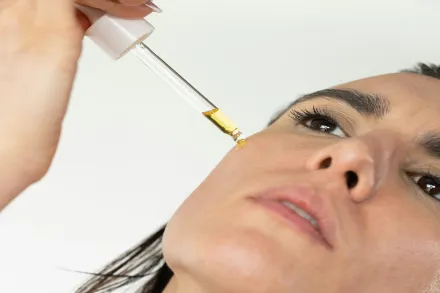
Face oils have earned a place in many skincare routines not merely as luxury products but as functional allies that support the skin’s natural barrier and help seal in moisture. At their core, oils are emollients; they soften the skin by forming a thin, protective film on the surface that reduces transepidermal water loss and minimizes friction that can lead to irritation. Some oils act more like occlusives, creating a barrier that keeps hydration from escaping, while others mimic the skin’s own sebum to a greater or lesser extent, helping to b...
Beauty & Cosmetology

Curly hair patterns are both a science and an artistry, a living map of how the hair naturally curls, coils, and clumps together when it is hydrated, conditioned, and supported by the right routine. The pattern refers to the curl geometry that a strand tends to settle into under typical conditions, influenced by cuticle structure, follicle shape, and how the hair responds to moisture and heat. Understanding these patterns means recognizing that curls are not a single, unchanging feature but a dynamic trait that can shift with humidity, health, ...
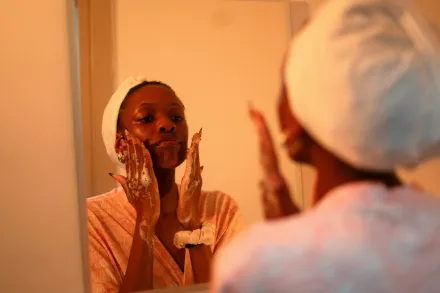
Regular facial cleansing is more than a cosmetic ritual; it is a foundational practice that supports skin health on multiple levels. By removing dirt, oil, sunscreen, and environmental pollutants, cleansing sets the stage for the skin to function optimally, breathe, and repair itself across the day and night.

Healthy hair begins with a thoughtful relationship to nourishment that enters the body through meals, beverages, and mindful choices about what supports the scalp and follicle health. When we consider hair as a living structure that reflects internal balance, we recognize that nutrients does not simply travel to the ends of the strands but rather feed the roots, the follicular microenvironment, and the moisture balance that preserves strength and flexibility. A holistic approach treats hair as a manifestation of overall wellness, where consiste...

As skin ages, fine lines and wrinkles become more visible due to a combination of structural changes, environmental exposure, and lifestyle choices. The quest to reduce these signs is not about a single magic product but about a deliberate, multi layer approach that supports the skin's natural repair processes while minimizing new damage. Effective strategies blend daily habits, smart use of active ingredients, and occasionally professional treatments when appropriate. Readers who adopt a consistent routine that respects their skin's unique nee...
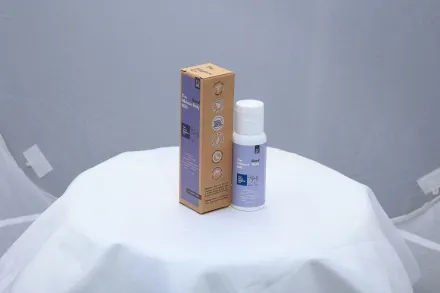
Dry skin is more than a temporary feeling of tightness after stepping out of a shower. It is a complex condition rooted in the skin’s ability to retain moisture, balanced by a delicate layer of lipids that form a protective barrier. When that barrier is compromised, water escapes more readily, and the skin can become rough, flaky, and prone to irritation. People with dry skin may notice a stubborn sense of tightness that lingers throughout the day, a tendency toward dullness, and sometimes a fine network of lines that becomes more visible when ...
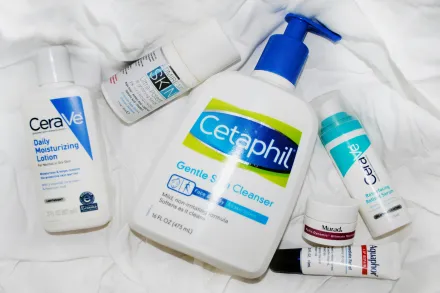
Skin aging is a complex biological process driven by a combination of intrinsic factors that operate independently of environment and extrinsic factors that arise from lifestyle choices and external exposures. With time the skin experiences a gradual decline in collagen production and elastin network integrity, which reduces its firmness and resilience. At the same rate, the turnover of skin cells slows, leading to a slower renewal of the epidermis and a diminished capacity to repair microdamage. These changes manifest as fine lines, wrinkles, ...

Healthy skin begins with a robust barrier and a balanced moisture system. The outermost layer, often described as the stratum corneum, acts like a shield built from lipids and essential minerals that lock hydration inside while keeping irritants at bay. When this barrier is compromised by harsh cleansers, environmental stress, or inadequate nourishment, the skin can feel tight, appear dull, and become prone to rough patches. A skin care approach that respects this complexity focuses on reinforcing lipids, maintaining a neutral to slightly acidi...

In the quiet hours of the morning when the world is catching its breath, makeup for daytime elegance becomes a celebration of restraint and clarity. This approach seeks to illuminate natural features rather than mask them, letting the skin breathe while the palette remains gentle and believable. The aim is not to shout but to speak with a soft, confident voice that mirrors the subtle changes of daylight. The following exploration delves into techniques, textures, and rituals that transform a routine into an expression of refined daily charm, wh...

Hyperpigmentation refers to patches of skin that appear darker than the surrounding area due to excess melanin production, inflammation, or skin injury. In many people it shows up as sunspots, post inflammatory marks after acne, or hormonal melasma that seems to rise and fade with seasons and life changes. The journey to a more even complexion is rarely quick, and it often requires a combination of protection, gentle daily routines, targeted active ingredients, professional guidance when needed, and patience that matches the pace at which skin ...