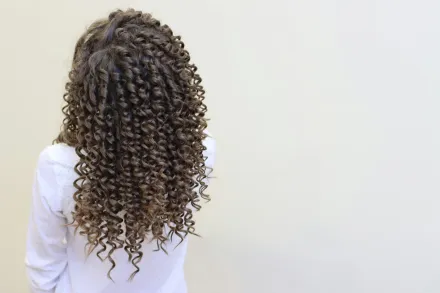
Curly hair patterns are both a science and an artistry, a living map of how the hair naturally curls, coils, and clumps together when it is hydrated, conditioned, and supported by the right routine. The pattern refers to the curl geometry that a strand tends to settle into under typical conditions, influenced by cuticle structure, follicle shape, and how the hair responds to moisture and heat. Understanding these patterns means recognizing that curls are not a single, unchanging feature but a dynamic trait that can shift with humidity, health, and daily care. When you invest in maintaining curl pattern, you are teaching your hair to remember the shape it prefers, so you experience defined coils, less frizz, and a consistent silhouette from wash day to the next stretch of days in between. The goal is not to lock the hair into a rigid mold but to create a reliable environment where each strand can reveal its natural architecture with minimal disturbance from external stressors. This approach rests on a balance of hydration, gentle handling, and deliberate protection, all tuned to the unique curl profile that lives on your head.
From the moment you wake up your routine, the shape of your curls depends on the moisture distribution along the shaft, the level of friction during detangling, and whether the cuticle remains uniformly closed when it dries. An important aspect of maintaining curl pattern is acknowledging that there are common differences between curl families, such as the looser waves that tend to spring back quickly when hydrated and the tighter coils that require more careful moisture sealing to hold their structure. While patterns can be categorized for practical purposes, every strand behaves as its own tiny spring. This individuality means that a successful strategy treats pattern as a living standard rather than a fixed label. The most effective maintenance respects the natural tendency of your curls to gather into defined shapes while preventing the small distortions caused by dryness, heat, or rough handling from breaking that harmony.
Understanding your unique curl map
To maintain curly hair patterns, you first develop a clear sense of how your curls behave on routine days. The way your hair contracts after washing, the speed with which it dries, and the manner in which it clumps into groups of strands all reveal the underlying pattern. When you observe your curls closely, you notice that some sections are more prone to elongation while others spring into compact ringlets. This variation is not a flaw but a signal of how your hair experiences friction, moisture, and tension. Your natural pattern is best preserved by aligning your grooming choices with these tendencies rather than against them. A thorough assessment includes noticing how your curls respond to water: a high porosity pattern may drink up moisture quickly and lose it faster, while a low porosity pattern might resist initial absorption but hold onto moisture once it penetrates. By recognizing these subtleties, you begin to tailor cleansing, conditioning, and sealing to keep the curl geometry stable rather than letting the surface appearance drift with every weather change.
Pattern maintenance also hinges on your understanding of damage indicators and recovery strategies. If you notice changes in shrinkage, altered curl bounce, or persistent frizz that persists beyond a day or two after styling, these cues point to the level of moisture balance or mechanical stress your hair is enduring. The goal is to cultivate a regimen that gently supports the cuticle’s natural layering and helps the cortex retain its shape as it takes on and releases moisture. When you approach maintenance with a mindset that your curls want to be hydrated, protected from harsh friction, and allowed to dry in a controlled manner, you start to see the pattern reassert itself with clearer definition and longer hold between wash days. This mindset becomes a practical foundation for an ongoing routine that respects your curls as they are rather than forcing them into a one size fits all standard.
Assessing porosity and its influence on pattern preservation
Porosity describes how easily your hair accepts and releases moisture, and it plays a central role in whether your curl pattern maintains its integrity between washes. High porosity hair tends to drink moisture quickly but also loses it rapidly, which can cause the pattern to look undefined as the shafts dry and the cuticles shrink unevenly. Low porosity hair resists absorption, which can leave the pattern feeling stiff or weighted if products sit on top rather than penetrate. In both cases, the strategy is to match the moisture delivery with the cuticle behavior so that the curl silhouette stays cohesive. The maintenance approach involves selecting cleansing agents and conditioners that work with your hair’s natural language rather than forcing moisture through brute hydration. For high porosity patterns, a lighter aqueous humectant and a heavier sealing layer can lock in the gains, while for low porosity patterns, a slightly warmer water temperature, a pre-wet or pre-clarified regimen, and a quicker absorbing treatment can encourage deeper penetration without triggering soggy buildup. These adjustments help the curls settle into their natural shape and resist flattening or stretching caused by inconsistent wetting and drying cycles.
In addition, porosity interacts with environmental humidity. A high humidity day can cause some patterns to expand and loosen, while a dry indoor setting may encourage shrinkage and a crisper silhouette. The art of maintenance is to simulate a steady, friendly environment where the curl coil can unwind into its preferred curve without fighting against evaporation or overhydration. You can achieve this by coordinating wash routines with a climate-aware mindset, using products that reinforce your pattern rather than inflaming it with aggressive surfactants, harsh alcohols, or heavy silicones that weigh the coils down. Understanding porosity enables a more precise selection of cleansers, conditioners, and sealants that harmonize with the geometry of your curls, letting the pattern reveal itself with less day-to-day variance.
Washing frequency and cleansing technique for pattern stability
Washing frequency is intimately connected to maintaining curl pattern because it governs the ongoing balance between cleansing away buildup and preserving moisture. Over-washing can strip the natural oils that help curls hold their shape, while under-washing can allow product residue to accumulate and disrupt clumping. The key is to tailor wash frequency to your hair’s response, climate, activity level, and how quickly your scalp builds up oils or sweat. A gentle cleansing ritual that respects pattern involves selecting a sulfate-free cleanser or a cleansing conditioner that dissolves grime without removing essential lipids, followed by a thorough but gentle rinse that leaves the cuticle intact. When you rinse, the water pressure should be moderate, enough to carry away dirt without forcibly separating curl groups. The goal is to create a clean canvas that still offers a slight layer of moisture so that the curls can reassemble without the friction that comes from a stripped surface. This balance helps the pattern rebound after each wash, producing a consistent appearance that resembles the natural curls you recognize in your reflection.
Conditioning plays a complementary role in protecting pattern during washing. A well-chosen conditioner adds slip and hydration that reduce breakage during manipulation, allowing the curl pattern to reform more readily as the hair dries. For many curl types, leaving a light film of conditioner can support the pattern during the post-wash air-dry stage, while for others, a multi-stage approach with a focused rinse and a light leave-in can optimize pattern memory. The important principle is to avoid heavy products that sag the curl texture or create a stiff shell that prevents the curls from bouncing back into their natural coil. By aligning cleansing and conditioning with your pattern’s needs, you reinforce a reliable structure that stands up to daily wear and environmental fluctuations without losing its distinctive geometry.
Detangling with respect for the curl pattern
Detangling is a delicate practice because rough handling can distort the curl pattern and cause unwanted frizz or thinning of the coils. The practice requires patience, moisture-rich detangling agents, and a thoughtful approach that respects the architecture of each strand. When detangling, you create detangled sections by gently working from the ends toward the roots, allowing the curls to release tangles progressively instead of pulling against a knot. A well-hydrated detangling session reduces breakage and helps preserve the curling pattern intact as you separate and re-clump hair groups. The use of a wide-tooth comb or even the fingertips can be appropriate depending on the density and texture, but the primary rule is to avoid detaching curls with harsh, careless movements. Keeping the hair wet or coated with conditioner during detangling reduces friction and permits each coil to glide across its neighbor, supporting the stability of the pattern. By approaching detangling as a measured, mindful process, you minimize trauma and preserve the curling geometry that defines your hair.
The discipline extends to styling during detangling, where you treat the hair like a living fabric that requires careful alignment and minimal bending. You work in small sections, maintain a gentle tension, and avoid forcing sections into shapes that would require the curls to stretch beyond their natural memory. If you encounter a stubborn knot, you reassess hydration, perhaps applying a bit more conditioner or rinse-out treatment before returning to detangling. This patient method sustains your curl pattern over time, reducing the risk that repeated rough detangling will erode the coils and cause permanent changes in the way your hair curls.
Moisture management and sealing to preserve curl architecture
Moisture management lies at the heart of maintaining curl patterns because the curl shape is most stable when the hair ends are evenly hydrated and the cuticle lies flat. A balanced routine uses humectants and water-driven hydration to keep the shaft pliable, while sealing products lock that moisture inside so the cuticle does not lift and cause frizz or pattern distortion. The sealing step commonly involves occlusives such as natural oils or butters that form a protective layer over the strand, reducing moisture loss and smoothing the surface to promote uniform clumping. The precise combination of humectants, conditioners, and sealants should be tuned to your hair’s porosity and climate. On a humid day, you may rely more on a light sealant to prevent excessive swelling that could loosen the pattern, while on a dry day, you might add a slightly richer sealant to retain moisture throughout the day. In all cases, the aim is to provide a steady, predictable environment for the curls to settle into their natural coils without the disruption caused by seasonal dryness or sudden moisture surges.
In practice, the moisture strategy means you monitor how long your hair remains hydrated after applying product and how quickly you lose elasticity as it dries. When you notice shrinkage that looks too aggressive or a limp look that fails to define the clumps, you reconsider the balance of water, conditioner, and sealant. A regular routine that respects the curl pattern includes a spectrum of products designed to work together rather than compete, with peptides, amino acids, and ceramides sometimes playing roles in supporting the integrity of the cuticle and the pattern’s endurance. This approach helps your curls retain their natural ringlets or defined coils for longer periods, especially between wash days, preserving the overall aesthetic and the health of the hair.
Heat styling and protective methods that support pattern memory
Heat styling is a tool that, when used judiciously, can help set and preserve curl patterns, but it also carries the risk of disrupting the hair’s natural memory if misused. The secret to maintaining curls while using heat is to apply the lowest effective temperature and to employ a heat-protective layer that minimizes damage to the cuticle and cortex. A diffuser on a low or medium setting allows the hair to dry with minimal disruption to the coils, encouraging them to settle into their characteristic shapes rather than becoming matted or stretched. When heat is used, a light thermal protectant that also functions as a conditioning agent supports the pattern by reducing friction and preserving moisture during drying. The goal is to avoid frequent high-heat sessions that can lead to cuticle lifting and pattern drift, but to embrace controlled styling that enhances curl definition without sacrificing long-term health. If you opt for heat styling, you build a consistent habit around prep, protection, and cooldown, ensuring that the curl pattern can remain recognizable and resilient even after a blow-dry or curling wand session.
Beyond direct heat, other protective techniques help maintain curl pattern by reducing mechanical stress. Sleeping on a satin or silk pillowcase, for instance, minimizes friction that can pull curls into unfamiliar shapes overnight. Protective hairstyles such as loose buns, low-tussled pigtails, or gentle braids can shield the pattern from tangling during daily activities while allowing the coils to rest and reorganize into their ideal geometry by the next morning. The choice of protective style should be guided by how well it preserves pattern memory rather than by fashion alone, since the ultimate objective is to sustain the curl architecture you enjoy when you leave the house. These strategies form a day-to-day shield that keeps the curls aligned with their natural curve, enabling a more stable visual palette across weeks of routine.
Protein balance and deep conditioning for curl resilience
Protein balance is another essential factor because the protein content in hair strengthens the cortex and can help support structure that defines the curl pattern. A well-timed protein treatment can reinforce the cuticle and improve resilience, especially when the hair has endured chemical processing, heat exposure, or environmental wear. However, too much protein can make curls feel stiff and reduce their flexibility, which can alter the way the pattern reads on a given day. The path to a healthy pattern memory lies in finding the right cadence of moisture and protein, aligning it with your porosity and the demands of your lifestyle. The same logic applies to deep conditioning sessions that provide intense hydration and nourishment. A properly balanced deep conditioner helps the pattern remain defined by maintaining coherent hydration along the strand and the clump, thus preserving the overall geometry when the hair dries. When you tune protein and moisture toward harmony, your curls regain their natural bounce, and the pattern reappears with greater clarity after each conditioning cycle.
Observing your hair after these treatments gives you feedback about the adequacy of the balance. If you notice a grainy texture or a crunchy feel, you may be getting too much protein and not enough moisture. If the curls appear limp or mushy, the moisture is likely overpowering and the patterns may flatten. Adjustments are gentle and incremental, allowing your hair to respond to small changes rather than abrupt shifts. The aim is a steady pattern memory that persists through ordinary daily stresses, so you experience consistent clumping, defined curls, and minimal frizz across a typical week. This mindful approach to protein and moisture encourages your hair to maintain its natural pattern while improving its overall health.
Seasonal adjustments and climate considerations
Climate exerts a powerful influence on curl patterns because humidity, temperature, and air flow affect how the shaft responds to moisture. In humid seasons, curls can swell, bend into looser shapes, and require adjustments to reduce puffiness and maintain definition. In dryer seasons, the pattern may tighten as moisture escapes, leading to more shrinkage and potential dryness. Adapting the routine to seasonal shifts involves recalibrating cleansing frequency, adjusting the balance between humectants and sealing materials, and refining styling techniques to preserve the coil’s natural geometry. A pattern-oriented approach considers the weather forecast and the living environment, guiding you to choose lighter products at times when the air is saturated with moisture and thicker, more occlusive formulations when the air is arid and drying. The life of your curls becomes a dialogue with the weather, and the best maintenance keeps listening to signals from texture, shine, and bounce. This constant adjustment builds a resilience that helps the curly hair pattern remain recognizable regardless of the season.
Seasonal changes also influence scalp health, which in turn affects how well the pattern holds. A balanced scalp environment supports consistent hydration distribution along the hair shaft and reduces itchiness or excessive shedding that can disturb the curl groups. Gentle scalp care, avoidance of heavy rubbing, and careful cleansing are part of the broader strategy to keep the pattern intact as conditions evolve. The goal is to create a stable routine that works year-round, with small, thoughtful modifications that respect the hair’s memory and its preference for a certain moisture profile. In this way, your curls continue to present as coherent coils and defined waves, even when the air around them is shifting.
Developing a long-term routine that honors your pattern
Building a long-term routine means integrating experimentation with patience, observing how your curls respond over weeks, and gradually refining the steps that consistently deliver pattern retention. A mature routine is not about chasing a single perfect day but about cultivating a stable rhythm that reduces daily guesswork and delivers reliable results. The rhythm encompasses how you wash, condition, detangle, and style, as well as how you protect your hair while you sleep and how you adapt to changing circumstances in life. A well-tuned routine aligns your laundry list of products with your curls’ needs, emphasizing hydration, light but effective sealing, and gentle handling that preserves the natural geometry. As you develop this pattern-minded regimen, you begin to notice that your curls become more coherent, more defined, and less prone to unpredictable frizz and volume spikes. This sustained approach supports pattern memory, reinforces curl integrity, and fosters a sense of confidence in managing your hair’s unique composition.
Over time, you may choose to document changes you make and the outcomes you observe, keeping a personal diary that tracks moisture levels, product interactions, and how the hair behaves under different weather conditions. The act of recording reinforces awareness and helps you detect subtle shifts that might otherwise go unnoticed. It also creates a reference you can revisit when you are tempted to revert to an older habit that did not serve your pattern well. The point of this diligence is not to chase perfection but to nurture pattern memory and resilience so your curls remain vibrant, healthy, and true to their natural form. With consistency and curiosity, your curl pattern becomes a reliable signature that you can maintain with care and respect for the hair’s inherent design.