The field of heart failure management has undergone a quiet but profound transformation as remote monitoring moved from experimental programs to mainstream clinical practice. For decades, clinicians relied on clinic visits and patient self-report to guide therapy, but the dynamic course of heart failure often outpaced episodic assessments. Digital platforms emerged to capture physiological signals continuously or near-continuously, translating ambulatory data into actionable insights. Early remote monitoring focused on a handful of metrics such...
Medical Technology & Innovations


AI-powered predictive models in healthcare sit at the intersection of data science, clinical expertise, and operational experience. They use advanced algorithms to analyze large, multifaceted datasets and to produce forecasts about patient trajectories, disease risk, and resource needs. The promise of these models lies in enabling earlier interventions, more precise diagnoses, and tailored treatment plans that reflect the unique biology and context of each patient. This promise is tempered by the complexity of real-world data, the necessity of ...
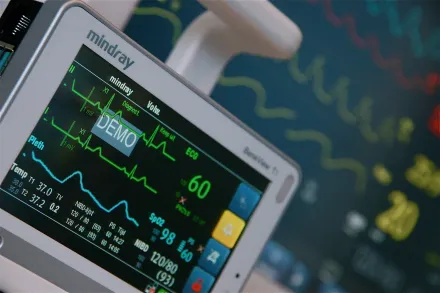
The Internet of Things in healthcare refers to a network of increasingly intelligent devices and sensors that collect, transmit, and analyze data to support medical decision making, patient monitoring, and system-wide efficiency. These devices range from wearable sensors that track heart rate and glucose levels to smart infusion pumps, connected imaging modalities, and ambient sensors embedded in hospital rooms. The common thread across this diverse ecosystem is the ability to generate timely information that was previously inaccessible in real...

In many surgical disciplines robotics has emerged as a pivotal technology that reshapes how surgeons approach complex anatomy, especially in the thoracic cavity where access is often limited and precision is paramount. The field of cardiovascular surgery stands as a notable example of how robotic assistance can extend the reach of skilled hands while reducing the physical footprint of traditional approaches. The integration of robotic platforms brings together advanced visualization, meticulous instrument control, and enhanced ergonomics to sup...
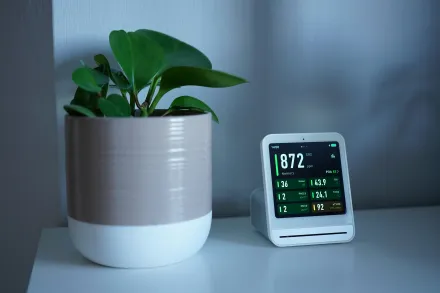
The home environment has undergone a remarkable transformation as digital health technologies migrate from specialized clinics into the fabric of daily life. Connected sensors, intelligent hubs, and cloud-backed analytics empower individuals to monitor vital signals, track activity, and receive personalized guidance without stepping away from their routines. This shift is not merely about collecting data; it is about turning streams of measurements into meaningful narratives that users can understand, trust, and act upon. The emerging ecosystem...
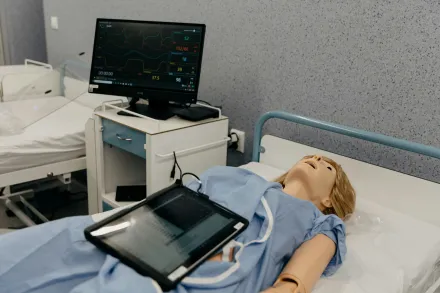
In the evolving world of healthcare delivery, a smart hospital system embodies a layered ecosystem where physical infrastructure, digital platforms, and human expertise align to improve outcomes. At its core, a smart hospital combines pervasive sensing, real time data capture, and intelligent orchestration to transform pockets of care into an interconnected network. Walls become carriers for environmental sensors, patient rooms host smart devices, and corridors buzz with cameras and beacons that respect privacy while enabling timely responses. ...
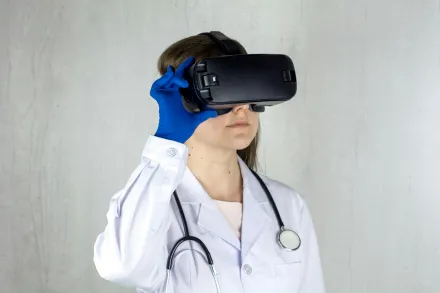
Virtual reality has emerged as a transformative force in modern surgery, offering immersive environments where clinicians can rehearse, plan, and refine complex procedures outside the high stakes of the operating room. The central appeal of virtual reality in this domain lies in its capacity to lower the incidence of errors by reshaping how surgeons acquire competence, interpret anatomy, and manage unforeseen events. Traditional apprenticeship methods, while invaluable, are inherently constrained by patient safety concerns, scheduling limitatio...
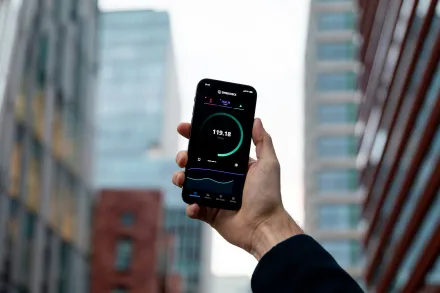
In recent years, the field of smart health tracking has moved beyond simple step counting and heart rate observation to become a sophisticated ecosystem of digital health technologies. Innovations now enable continuous monitoring, contextual analysis, and proactive guidance that can influence daily routines, preventive care, and chronic disease management. This expansion is fueled by advances in sensor technology, mobile processing power, and intelligent software that can transform streams of raw data into meaningful insights for individuals an...

In modern healthcare, patient data flows through numerous systems, from electronic health records to laboratory information systems, imaging repositories, and billing platforms. Each handoff increases the risk of exposure, fragmentation, and mismanagement. Blockchain technology offers a radical shift by providing a decentralized ledger that records transactions in a way that is verifiable, time-stamped, and resistant to retroactive modification. When applied to medical records, blockchain does not necessarily store every piece of data on-chain....

Stroke remains a major global health challenge, impacting millions of individuals each year and leaving lasting consequences for survivors, families, and healthcare systems. In this context, artificial intelligence emerges as a powerful tool to augment traditional clinical judgment by uncovering intricate patterns within diverse data sources. AI systems can integrate longitudinal electronic health records, laboratory results, imaging findings, environmental factors, and even wearable sensor signals to generate personalized estimates of stroke r...