Blockchain technology represents a shift in how data can be stored shared and validated within complex ecosystems. In healthcare it promises a structured approach to maintaining records that are tamper resistant and verifiable across institutions that may be geographically dispersed. At its core the technology relies on a distributed ledger that records transactions as cryptographically linked blocks, which are appended in a way that makes retroactive alterations exceedingly difficult. This property of immutability coupled with cryptographic in...
Medical Technology & Innovations

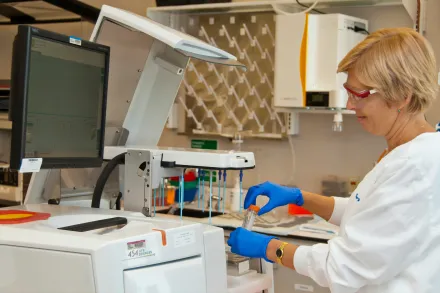
AI-Powered Diagnostics for Early Disease Detection
16 February 2026
In modern medicine, the promise of artificial intelligence to illuminate subtle signals within complex biological data has become a central axis around which many conversations about early disease detection revolve. The landscape expands beyond a single technology or a narrow clinical application and extends into a broad ecosystem that includes imaging, genomic evaluation, wearable sensors, electronic health records, laboratory analytics, and patient-reported outcomes. The core idea is not merely to identify disease when symptoms become apparen...

In medicine, digital twins denote highly personalized, computation based representations of patients, organs, or clinical workflows that evolve over time as new information becomes available. The aim is to create a virtual mirror that can simulate biology, disease progression, and the effects of interventions with the purpose of informing diagnosis, treatment planning, and ongoing monitoring. At its core, a digital twin blends data from diverse sources, mathematical models, and often artificial intelligence to generate predictions that are rele...
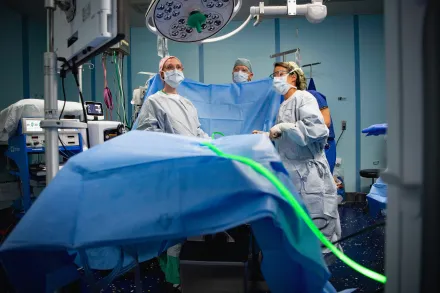
The Role of Robotics in Minimally Invasive Surgery
16 February 2026
Minimally invasive surgery has transformed patient care by reducing tissue disruption and speeding recovery. In this context, robotics emerged not as a replacement for skill but as an extension of the surgeon's capabilities, offering steadier control, finer dissection, and enhanced visualization. The result has been a shift in how surgeons plan, execute, and refine complex procedures across specialties. This evolution rests on a collaboration between engineers, clinicians, and institutions that value precision, reliability, and patient safety a...

In recent years the management of chronic diseases has shifted from episodic clinic visits to continuous, data driven care that follows patients beyond the walls of hospitals and clinics. Remote chronic disease monitoring emerges as a core strategy to track physiological signals, medication adherence, symptom evolution, and environmental influences in real time. This approach integrates wearable sensors, mobile software, cloud based analytics, and human driven care coordination in a way that can transform outcomes for conditions such as diabete...
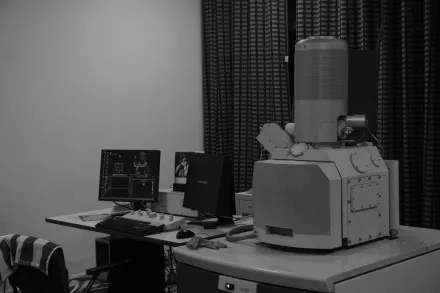
Artificial intelligence has moved from a theoretical promise into a practical framework that reshapes how radiology reports are generated, interpreted, and shared. AI-powered radiology reporting tools blend image analysis, natural language generation, and workflow automation to support radiologists in drafting accurate and timely narratives that accompany imaging studies. These systems are not meant to replace the radiologist’s expertise but to augment it by handling repetitive tasks, highlighting subtle findings, quantifying measurements, and ...
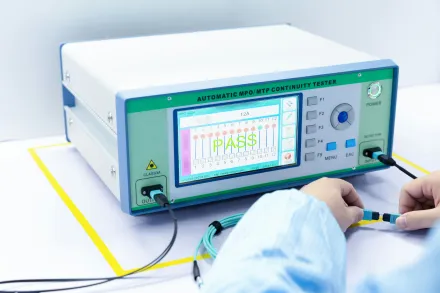
In the evolving landscape of remote diagnostic tools, a constellation of technologies converges to enable assessment, interpretation, and decision making without requiring the physical presence of a professional at the point of care. At the core are sensor networks that capture signals from people, machines, and infrastructure, translating measurements into actionable data streams. These streams travel across secure channels, often leveraging wireless technologies that balance bandwidth, latency, and power consumption. The result is a living fa...
The field of pediatric surgery has continually pursued safer, less invasive approaches that respect the unique physiology and developmental needs of children. When robotics entered the operating room, it promised to extend the gains of minimally invasive techniques by offering enhanced precision, steadier control, and improved visualization in spaces where small anatomy challenges the surgeon's senses. The role of robotics in pediatric surgery is therefore not simply a matter of adopting a new tool, but a shift in how teams plan, execute, and e...

The Role of Mobile Health in Chronic Disease Management
11 February 2026
In the contemporary landscape of healthcare, mobile health, often abbreviated as mHealth, stands as a transformative force that connects patients, providers, and data across distances and disciplines. At its core, mHealth encompasses a spectrum of technologies that leverage mobile devices, wearable sensors, and cloud based platforms to capture health information, deliver timely guidance, and support ongoing care. When applied to chronic diseases, which demand sustained monitoring and frequent patient engagement, mHealth offers a pathway to cont...
Radiotherapy has long been a cornerstone of cancer care, delivering ionizing radiation with the aim of controlling or eradicating malignant cells while preserving healthy tissue. In this landscape, machine learning emerges as a set of computational approaches that can learn from large collections of patient data to identify patterns, make predictions, and assist with decision making that previously relied heavily on human expertise and time-consuming processes. The promise lies in turning heterogeneous data streams into actionable insights that...