The Role of Robotics in Minimally Invasive Surgery


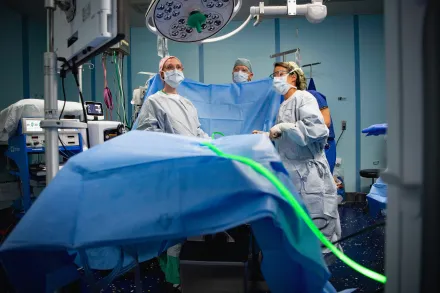
Minimally invasive surgery has transformed patient care by reducing tissue disruption and speeding recovery. In this context, robotics emerged not as a replacement for skill but as an extension of the surgeon's capabilities, offering steadier control, finer dissection, and enhanced visualization. The result has been a shift in how surgeons plan, execute, and refine complex procedures across specialties. This evolution rests on a collaboration between engineers, clinicians, and institutions that value precision, reliability, and patient safety as core attributes guiding innovation. The story of robotics in minimally invasive surgery is therefore a narrative about how technology amplifies human judgment while maintaining the central role of the surgeon in decision making, intraoperative assessment, and ethical responsibility toward patients. At its core the technology aims to translate intention into action with minimal friction, so that each movement is deliberate, measured, and adaptable to anatomical variability. The promise is not mere speed but a meaningful enhancement of quality that can be measured in tissue preservation, reduced blood loss, clearer visualization, and more consistent outcomes across diverse patient populations.
Historical background and evolution
Early attempts to extend surgical capability through machines traced back to concepts of teleoperation and master slave interfaces that allowed a surgeon to manipulate distant instruments with improved stability. Pioneering efforts faced practical obstacles, including coarse degrees of freedom, latency between the surgeon’s input and instrument response, and concerns about tactile feedback. Over the ensuing decades, relentlessly iterative engineering addressed these limitations by refining instrument articulation, improving motion scaling, and delivering three dimensional high definition visualization. These technical strides gradually translated into clinical acceptance as safety profiles improved and surgeons gained confidence in the precise control offered by robotic platforms. The trajectory moved from experimental case reports to multi center adoption, and today robotic systems are integrated into routine practice for a spectrum of procedures, with continuous updates that expand capabilities while maintaining core surgical principles.
Technical foundations of robotic systems in MIS
At the heart of robotic minimally invasive surgery lies a triad: a patient side cart that anchors multiple robotic arms, a console through which the surgeon views the operation in immersive detail, and a set of end effectors that perform the actual tissue manipulation. Each instrument possesses articulated joints that provide wristed motion beyond the natural limit of conventional laparoscopic tools, enabling seven or more degrees of freedom. Visualization is delivered through high fidelity three dimensional optics with color accuracy and depth perception that assist depth judgment during delicate maneuvers. The surgeon’s hands translate precise intent into scaled, tremor filtered movements, reducing fatigue and enabling steady dissection, precise suturing, and controlled tissue handling. Fall back safety features, such as emergency stops, instrument locks, and collision avoidance protocols, contribute to a robust safety envelope that supports clinical confidence during complex cases.
Clinical applications across specialties
Robotic systems extend across urology, gynecology, general surgery, colorectal surgery, thoracic procedures, and head and neck operations, among others. In urology, robotic assistance has refined prostatectomy techniques by enabling precise nerve-sparing approaches and meticulous dissection in confined pelvic spaces. In gynecology, robotic platforms support hysterectomy and complex reconstructive work with greater precision and ergonomic comfort for the surgeon. General and colorectal surgeons leverage robotics to access difficult anatomy, enhance suturing performance, and manage delicate tissue planes with improved visualization. Thoracic surgeons apply robotics to lobectomy and mediastinal work where limited access would otherwise hamper visualization. Across these disciplines, robotics complements skilled decision making, enabling surgeons to perform intricate tasks through small incisions with predictable reproducibility while maintaining patient-centered goals such as shorter hospitalization and faster recovery.
Advantages and trade-offs compared with traditional MIS
The adoption of robotics in minimally invasive surgery offers several advantages that are not uniformly achieved by conventional laparoscopy. Enhanced three dimensional visualization provides depth perception absent in two dimensional scopes, while articulating instruments deliver greater dexterity in tight spaces and facilitate precision suturing that reduces tissue trauma. Improved ergonomics for the surgeon can alleviate physical strain during lengthy operations, indirectly supporting performance and concentration. However, these benefits come with trade-offs, including increased setup time, higher equipment costs, and a learning curve that demands dedicated training. The balance between cost and clinical value remains a central consideration for institutions contemplating adoption, ensuring that patient outcomes, workflow efficiency, and long-term sustainability align with strategic goals and population needs.
Safety, regulatory frameworks, and ethical considerations
Safety considerations in robotic MIS focus on patient safety, operator competence, and system reliability. Regulatory oversight ensures that devices meet stringent performance criteria, and post market surveillance monitors adverse events to inform iterative improvements. Ethical considerations emphasize patient autonomy, informed consent, and transparency about risks and benefits associated with robotic assistance. The allocation of resources, including equipment and personnel, must be balanced against expected improvement in outcomes to avoid inequities. Clinicians also address concerns about dependence on technology, ensuring that core surgical judgment remains central and that a clear plan exists should robotic assistance be unavailable or suboptimal for a given case. Ethical practice includes ongoing evaluation of outcomes, equitable access, and responsible innovation that serves patients without compromising safety or professional accountability.
Training, simulation, and credentialing
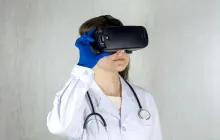
Effective training for robotic MIS integrates theoretical knowledge with hands-on practice in realistic simulations and supervised clinical cases. High fidelity simulators and virtual reality environments enable residents and fellows to develop spatial awareness, instrument coordination, and decision making in a risk free setting before engaging in live operations. Structured curricula emphasize gradual skill progression, from console familiarity to complex suturing tasks, enabling incremental confidence. Credentialing processes assess competency through validated performance metrics, ensuring that practitioners demonstrate proficiency before operating independently. Ongoing continuing medical education, proctoring, and performance audits sustain high standards as technology and software evolve, supporting consistent quality of care across institutions and geographic regions.
Current challenges and limitations
Despite the advantages, robotic MIS faces several persistent challenges. Economic considerations include upfront capital costs, maintenance expenses, and ongoing instrument utilization fees that can impact adoption in resource constrained settings. Technical limitations such as the absence of true tactile feedback hinder real time material assessment, though research into haptic sensing and feedback is advancing. Instrument size and port placement constraints can limit applicability in certain patient anatomies, and learning curves for complex procedures can be steep. Additionally, integration with existing hospital workflows, anesthesia protocols, and perioperative logistics requires careful coordination to realize the full potential of robotic systems without introducing inefficiencies or delays.
Future directions and research horizons
Ongoing research explores several transformative directions. There is continued refinement of haptic feedback to restore tactile sensation, enabling more natural manipulation and safer tissue handling. AI driven guidance and computer assisted planning may augment intraoperative decision making, improving accuracy of tissue dissection and suture placement. Advances in instrument design aim to reduce invasiveness further, including smaller ports, flexible robotic arms, and single port configurations that minimize scarring while expanding access. Enhanced visualization with augmented reality overlays could support orientation in complex anatomy, while improved force sensing and collision avoidance will contribute to safer and more reliable performance. The intersection of robotics with data science holds promise for shared learning across institutions and systematic improvements in patient outcomes.
Impact on health systems and global access
The deployment of robotic MIS influences hospital economics, staffing models, and patient pathways. While high volume centers may achieve favorable cost per case through efficiency gains and shorter hospital stays, initial investments and maintenance costs remain significant barriers for smaller institutions and low-resource settings. Health systems are exploring strategies to balance investment with equitable access, including regional robotics hubs, rental models, and shared training programs that disseminate expertise. Global collaborations aim to adapt systems and workflows to diverse clinical environments, ensuring that the benefits of robotic MIS reach a broader population while maintaining safety, quality, and patient autonomy across borders.
Interplay with AI, data, and automation
The convergence of robotics with artificial intelligence and machine learning opens avenues for data driven improvements in planning, execution, and post operative analysis. AI can assist with real time image interpretation, tissue identification, and motion optimization, supporting surgeons in decision making during challenging steps. Data collected from robotic procedures can fuel benchmarking, quality improvement, and predictive analytics for patient risk assessment. This synergy promises to reduce variability in performance and uplift outcomes, while raising considerations about data privacy, algorithm transparency, and governance to ensure that automated elements augment rather than diminish the surgeon’s central role and accountability.
Patient outcomes and quality metrics
Assessing the impact of robotics on patient outcomes involves multiple dimensions, including intraoperative metrics such as blood loss and operative time, and postoperative endpoints like pain, recovery speed, and complication rates. Benchmarking against traditional MIS and open approaches helps quantify the relative benefits and trade-offs. Patient reported outcome measures, functional recovery, and long term oncologic results also provide essential insight into value. Institutions increasingly adopt robust data collection, standardized reporting, and independent review to ensure that improvements are reproducible, meaningful, and transparent to patients and payers alike, thereby supporting evidence driven adoption of robotic technologies in diverse clinical settings.
Workflow integration and operating room dynamics
Integrating robotics into the surgical workflow requires careful orchestration of teams, equipment, and scheduling. OR time is influenced by setup, docking, instrument exchanges, and console transfer between surgeon and bedside assistants. A streamlined workflow minimizes interruptions, optimizes communication, and maintains sterility throughout the procedure. Anesthesia teams adapt to the demands of robotic setups, including positioning and monitoring nuances. Efficient room design, standardized protocols, and thorough preoperative planning contribute to predictable throughput, enabling programs to deliver high quality care while balancing patient safety, staff well being, and institutional productivity.
Cost, reimbursement, and economic considerations
Financial considerations surrounding robotic MIS encompass initial hardware investment, ongoing maintenance, and per procedure costs associated with disposable instruments. Reimbursement frameworks vary by region and modality, influencing adoption decisions. Economic analyses weigh upfront capital against long term savings from shorter hospital stays, reduced complication rates, and faster recovery, rendering the calculus context dependent. Institutions continually assess cost effectiveness through outcome data, patient demand, and competing technologies, seeking strategies such as shared platforms, utilization optimization, and bundled payment models that sustain innovation without compromising access or quality of care.
Ethical and legal implications of autonomy in robotics
As autonomous and semi autonomous capabilities evolve, ethical and legal considerations intensify. Questions arise about responsibility for decisions made by or with robotic systems, accountability for adverse events, and the appropriate extent of autonomy in high risk procedures. Informed consent must reflect the role of automation, data usage, and potential limitations in feedback. Legal frameworks address liability, cybersecurity, and regulatory oversight to safeguard patient safety while encouraging responsible experimentation and iterative improvement that aligns with professional norms and patient trust.
Training pathways and international collaboration
Global training initiatives focus on disseminating best practices, standardizing curricula, and creating opportunities for shared simulations and exchange programs. International collaborations support multicenter studies, cross border credentialing, and harmonization of safety standards, ensuring that surgeons worldwide benefit from advances while maintaining consistent quality. Through these networks, centers with varied resources can participate in learning clusters, mentor junior colleagues, and contribute to a growing body of evidence that informs guidelines and policy.
Robotic instrumentation and design innovations
Instrument innovations continue to push the boundaries of what is feasible in MIS. Developments include slimmer, more flexible arms, improved wristed end effectors, and energy delivery modalities that reduce collateral damage. Materials science advances enhance biocompatibility and sterilization processes, while modular architectures enable rapid reconfiguration for different procedures. The interplay between software updates and mechanical improvements sustains a cycle of progressive capability, with clinicians testing new configurations in controlled settings before adoption in routine clinical care.
Future prospects for miniaturization and single-port systems
Future directions emphasize further miniaturization and the expansion of single port and natural orifice approaches. Smaller devices promise enhanced cosmetic outcomes, reduced tissue disruption, and wider applicability in pediatric populations and intricate neck and chest anatomy. Single port configurations challenge surgeons with confined access yet offer potential decreases in postoperative pain and recovery time. Realizing these gains will require advances in imaging, instrument control, and ergonomic console design that preserve intuitive use while expanding reach and precision in ever more challenging scenarios.
The role of simulation and virtual reality in preparation
Simulation and virtual reality play a critical role in building proficiency and confidence before entering the live operating room. High fidelity scenarios mirror a range of operative contexts, enabling learners to practice decision making, instrument handling, and teamwork under pressure. Beyond technical skills, simulation reinforces soft skills such as communication under stress and intraoperative problem solving. As technology evolves, hybrid training models incorporating real patient data, biomechanical modeling, and adaptive feedback will further personalize pathways to mastery, supporting safer adoption and faster skill acquisition across institutions.
Closing perspectives on ongoing evolution
Robotics in minimally invasive surgery represents an ongoing collaboration between clinical insight and engineering ingenuity. The trajectory points toward greater customization, where devices adapt to patient anatomy and surgeon technique, guided by data and continual learning. Emphasis on safety, equitable access, and responsible innovation will shape how institutions invest, train, and monitor outcomes. As AI, materials science, and intelligent systems mature, the goal remains to enhance surgical precision while preserving the artistry, judgment, and compassion at the heart of patient care, ensuring that technology serves humanity with humility, rigor, and clarity.