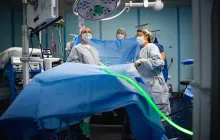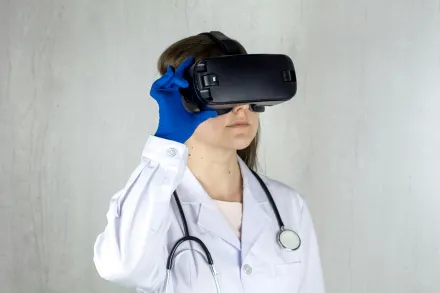
Virtual reality stands at the intersection of immersive technology and clinical training, offering environments where medical concepts transform from abstract theory into tactile, experiential understanding. In the realm of medical education, VR creates a bridge between classroom instruction and real world practice by providing lifelike simulations that can be repeatedly accessed, rehearsed, and refined without exposing actual patients to risk. The significance of this shift lies not only in the novelty of the medium but in its capacity to standardize core competencies, accelerate skill acquisition, and support ongoing professional development across diverse specialties. At its core, virtual reality for medical simulation embodies a disciplined approach to practice that foregrounds safety, measurable outcomes, and scalable learning pathways that adapt to individual trajectories. The emergence of VR as a staple in modern curricula marks a move away from traditional apprenticeship models toward data driven, experiential training that respects clinical realities while expanding access to high quality education.
Origins and evolution of VR in medicine
The roots of virtual reality in medicine trace back to decades of research in simulation, computer graphics, and human computer interaction, where scholars sought ways to replicate complex procedures in a controlled setting. Early efforts borrowed from flight simulators and industrial training, translating their logic into medical contexts by focusing on procedural rehearsal rather than narrative immersion. Initially, VR offered simple visual representations and rudimentary interaction, but over time advances in tracking, display resolution, and latency reduction created more convincing experiences. As medical science advanced, VR matured from a novelty into a disciplined tool that could be integrated with anatomy models, patient imaging, and procedural checklists to support deliberate practice.
With the expansion of consumer electronics and cloud based platforms, medical VR began to leverage more sophisticated rendering, better haptic feedback, and robust data pipelines that connected learners with deidentified patient data and debriefing analytics. The discipline evolved to emphasize realism not only in visual fidelity but in the alignment of a simulation with the actual clinical decision points that clinicians face. This evolution also included the shift from isolated training modules to integrated systems that span pre procedural planning, in the moment guidance, and post procedure reflection, creating a continuous loop of improvement that mirrors ongoing clinical practice.
As VR tools became more accessible, educators started to view simulation as a core cultural element of medical training rather than a supplementary activity. The transition was aided by interdisciplinary collaboration among surgeons, engineers, cognitive scientists, and instructional designers who brought in evidence based frameworks for skill acquisition, patient safety, and assessment. The resulting ecosystem supports a learner centered approach where repeated attempts to perform a skill are anticipated, feedback is structured, and mastery is demonstrated through objective criteria rather than reliance on ad hoc judgments. This history informs the current confidence that VR can support both novice learners and seasoned practitioners seeking to refine specialized techniques.
Technology behind modern medical VR simulations
Contemporary medical VR simulations rely on a layered technology stack that blends visual immersion, real time interactivity, and data driven realism. High fidelity head mounted displays transport users into 3D environments where anatomy, physiology, and pathology are represented with spatial accuracy. Precision tracking systems monitor hand movements, instrument position, and even force interactions, translating physical actions into virtual consequences that can be observed and analyzed. The inclusion of haptic devices, such as force feedback handles or phantom limbs, adds a tactile dimension that is essential for tasks requiring fine motor control and force modulation, including suturing, needle placement, and tissue dissection.
Crucial to the effectiveness of these simulations is the integration of patient specific data and realistic procedural workflows. Modern platforms often import anonymized imaging data, such as CT or MRI scans, to create patient tailored scenarios that challenge learners to adapt to anatomical variations. Artificial intelligence supports dynamic scenario generation, adaptive difficulty, and intelligent feedback that targets knowledge gaps discovered during practice. The software infrastructure also enables multi user experiences, allowing synchronized collaboration among trainees, supervisors, and consultants, which reflects the collaborative nature of real world medical teams.
Beyond visuals and contact with virtual instruments, the realism of VR medical simulations hinges on narrative design and cognitive fidelity. Scenarios are built around genuine clinical decision points, including diagnosis, plan selection, intraoperative contingencies, and post procedural care. The debriefing phase, facilitated by recorded metrics, gaze analysis, and performance rubrics, is essential for translating practice into learning. Data governance concerns are addressed by employing secure data handling, access controls, and consent processes that align with institutional policies and regulatory expectations, ensuring that the educational benefits do not compromise privacy or safety.
Applications in surgical training
Surgical training has become one of the most prominent domains for VR in medicine due to the precise motor skills, spatial awareness, and timing required for success. VR simulators for laparoscopy, robotic assisted surgery, and open procedures provide learners with a risk free environment where they can repeatedly attempt complex maneuvers, build tissue handling competence, and refine hand eye coordination without exposing patients to unnecessary risk. The ability to pause, replay, and analyze performance makes it possible to dissect subtle aspects of technique that may be overlooked in live training. In many programs, trainees begin with basic bench top tasks and progress toward full procedure simulations, guided by objective assessments and structured milestones.
Training in specialized areas such as vascular, orthopedic, neurosurgical, and pediatric surgery benefits from VR that can recreate variable anatomy, tissue properties, and hemodynamic conditions. By simulating tactile feedback and intraoperative decisions, VR allows residents to explore how different instrument choices influence outcomes, and to experiment with contingency plans under controlled conditions. The advantages extend beyond skill acquisition to include ensemble communication in the operating room, where teams can practice role clarity, timing, and coordination under pressure, reinforcing the social dimension of surgical care while maintaining patient safety as a central priority.
In addition to skill development, VR in surgery supports credentialing processes and ongoing proficiency maintenance. Because simulations can be repeated with exacting standards and measured against universal benchmarks, training programs can track progress over time and ensure consistency across learners and cohorts. The data generated by these simulations contributes to research on learning curves, optimal practice doses, and the impact of simulation based training on operative efficiency and patient outcomes, informing policy decisions and curriculum design at institutional and national levels.
Applications in non surgical training
Medical VR extends well beyond the realm of the scalpel, offering valuable experiences for non surgical disciplines such as emergency medicine, radiology, anesthesia, critical care, and primary care. In emergency medicine, VR scenarios can model mass casualty events, trauma triage, and time sensitive resuscitation protocols, enabling teams to rehearse rapid assessment, resource allocation, and inter professional communication under stress. For radiology and interventional specialties, VR gateways provide immersive exposure to complex anatomy and image guided procedures, supporting interpretation skills, planning, and precision in guidance strategies that are transferable to real imaging environments.
Anesthesia and pain management benefit from VR by enabling learners to practice airway management, regional nerve blocks, and sedation strategies in a controlled setting that mirrors clinical challenges. VR also lends itself to communication and consent training, where clinicians learn to convey risks, manage patient anxiety, and build trust with diverse populations. In primary care and family medicine, VR simulates chronic disease management, counseling, and preventive care dialogues, helping clinicians develop patient centered communication and shared decision making in a safe, repeatable context.
Educational researchers have noted that exposure to varied clinical scenarios through VR enhances diagnostic reasoning, procedural sequencing, and reflective practice. The ability to debrief with precise performance data accelerates the transition from theoretical knowledge to applied expertise. The breadth of non surgical applications demonstrates the versatility of VR as a modality for building competencies across the full spectrum of medical practice, while reinforcing the importance of aligning simulations with real world clinical guidelines and patient safety standards.
Impact on patient safety and outcomes
One of the most compelling arguments for VR based medical simulation is its potential to improve patient safety by reducing error prone opportunities before learners encounter real patients. Repeated exposure to high stakes scenarios under supervision allows clinicians to internalize best practices, recognize early warning signs, and execute standardized response protocols with greater confidence. The feedback loops embedded in VR environments—ranging from objective motion metrics to qualitative debriefings—help learners calibrate their skills and avoid complacency that can arise from imperfect training experiences.
Research in this area suggests that VR augmented training can shorten the time required to reach competency, increase consistency across clinicians, and lower the incidence of preventable complications in the operating room and clinical wards. By simulating rare but critical events, VR ensures that practitioners are prepared to respond effectively when real emergencies occur. The safety net provided by simulation also supports more thoughtful decision making, reducing cognitive overload in high stress situations and allowing clinicians to prioritize patient needs with clarity and composure.
As institutions collect longitudinal data from VR training programs, they can correlate simulation based proficiency with concrete patient outcomes such as reduced operative times, fewer intraoperative errors, and improved post procedural recovery trajectories. Although VR is not a panacea and cannot replace all hands on experiences, its role as a foundational platform for skill acquisition, rehearsal, and team based practice is increasingly recognized as a cornerstone of modern patient safety strategies.
Integration with other modalities and curricula
Effective medical education increasingly relies on the deliberate combination of VR with other instructional modalities such as cadaveric dissection, high fidelity manikins, and traditional lectures. This multimodal approach allows learners to progress along a continuum that begins with conceptual understanding, moves through tactile skill development, and culminates in integrated clinical scenarios. Within this framework VR serves as a flexible reservoir of practice that can be tailored to individual learner needs while maintaining alignment with institutional curricula and accrediting standards.
Curricular integration requires thoughtful mapping of VR activities to defined competencies, ensuring that each simulation targets specific learning objectives. Faculty development is crucial, as instructors must understand how to facilitate debriefings, interpret performance data, and provide constructive feedback that is actionable for improvement. Scheduling considerations, resource allocation, and ongoing evaluation mechanisms further shape how VR is embedded into daily teaching and assessment, ensuring that it complements rather than competes with other essential learning experiences.
Assessment and metrics
Assessing performance in VR simulations involves a blend of objective technical metrics, such as instrument trajectory accuracy, tissue handling quality, and procedural timing, with subjective assessments that reflect clinical reasoning and communication. Standardized rubrics enable consistent scoring across learners and sites, supporting fair comparisons and benchmarking. Gaze tracking, motion analysis, and event logging provide rich data for debriefing that illuminates not only what was done, but why certain decisions were made under pressure.
Regular audit and feedback cycles help learners close gaps between intention and execution. Debriefing sessions, guided by performance summaries and scenario specific checklists, encourage reflective practice and the formulation of targeted improvement plans. When integrated with summative assessments, these VR based metrics contribute to overall competency verification, inform progression decisions, and can influence honors designations or certification readiness in professional training pipelines.
Challenges and limitations
Despite rapid advancement, VR in medical simulation faces several challenges that must be acknowledged and addressed. Costs associated with high quality hardware, software development, and maintenance can be substantial, particularly for institutions with limited budgets. Technical barriers such as latency, image fidelity, and the realism of haptic feedback remain focal points of ongoing research, as does the need for robust interoperability with existing learning management systems and clinical informatics.
Cybersickness, fatigue from long sessions, and the potential for cognitive overload are practical concerns, especially when scenarios become overly intricate. Variability in user experience across devices and settings can complicate standardization of training experiences. Ethical considerations arise around the use of realistic patient avatars and data, requiring careful governance to protect privacy and to avoid unintended biases in scenario design. Addressing these challenges requires collaborative problem solving among clinicians, engineers, administrators, and learners.
Another dimension of limitation involves the transfer of VR acquired skills to real world procedures. While many studies show positive transfer effects, the degree of transfer can vary depending on the fidelity of the simulation, the level of supervision, and the frequency of practice. Continuous evaluation, iterative design improvements, and diverse scenario portfolios are necessary to maximize the translational value of VR training across contexts and specialties.
Future trends and research directions
The horizon for VR in medical simulation is rich with possibilities driven by advances in artificial intelligence, machine learning, and cloud based infrastructures. Adaptive learning systems can tailor scenario difficulty in real time to match a learner’s progress, ensuring optimal challenge and steady growth. Multi user simulations promise to enhance team training by fostering collaborative decision making and role specific practice, while virtual patients with dynamic physiology can respond to interventions with realistic feedback loops that resemble human responses.
Haptic technologies are likely to become more sophisticated, providing nuanced feedback that more closely approximates the tactile experience of real procedures. Telemedicine integration may enable expert instructors to observe and guide remote learners in VR labs, expanding access to high quality training across geographic boundaries. The convergence of VR with augmented reality overlays on real equipment could offer blended experiences that merge virtual guidance with hands on manipulation, creating hybrid workflows that reflect modern clinical practice.
Research directions are evolving to include longitudinal impact studies, scalability assessments, and cost effectiveness analyses. As data from VR programs accumulate, researchers will be able to quantify the return on investment more precisely and identify which modalities offer the greatest value for different specialties, training levels, and health care systems. The ongoing dialogue among stakeholders will shape regulatory acceptance, accreditation criteria, and best practices for implementing VR within diverse educational ecosystems.
Ethical and privacy considerations
The deployment of VR in medical education intersects with ethical concerns surrounding consent, representation, and the handling of sensitive information. Even when simulations use synthetic or anonymized data, the potential for data leakage or misuse requires rigorous security controls and transparent governance. Educational designers must ensure that learning activities do not exploit vulnerable populations in their scenarios and that avatars used in simulations respect patient dignity and autonomy in alignment with professional ethics codes.
Additionally, there is a responsibility to address bias in virtual environments, including how anatomies are depicted or how procedural success is defined across diverse patient groups. Equitable access to VR resources, irrespective of a learner’s background or institution, is another ethical dimension that governs resource allocation and program design. As VR becomes more embedded in medical culture, the ethical framework guiding its use must be intentional, revisitable, and anchored in patient centered care principles.
Accessibility and inclusivity in VR medical education
Ensuring that VR based training is accessible to learners with varied physical abilities, sensory needs, or cognitive styles is essential for inclusive education. Design strategies include adjustable display settings, alternative navigation modes, and accommodations that allow learners with mobility limitations to participate meaningfully. Inclusive content also means representing diverse patient populations and avoiding stereotypes in scenario construction, reflectively aligning with the principle of equity in medical education.
In practice, accessibility considerations extend to maintenance, cost, and technical support. Institutions strive to provide scalable options that allow smaller programs to share resources and access high quality simulations through cloud based platforms or regional simulation centers. By embracing universal design principles, VR medical education can reduce barriers, broaden participation, and promote a durable learning culture that benefits all learners and, ultimately, all patients who will be cared for by trait aware professionals.
Global health implications
Virtual reality can play a transformative role in global health by democratizing access to advanced training where faculty and resources are scarce. In low resource settings, VR simulations can deliver standardized, high quality curricula that would otherwise be impractical due to equipment constraints or limited clinical exposure. Remote and asynchronous VR content enables clinicians to build competencies that translate into safer, more effective patient care across diverse health systems, contributing to universal health coverage goals.
Moreover, VR can facilitate international collaboration by providing a common training platform for learners and experts from different countries to practice together, share best practices, and participate in joint quality improvement projects. The ability to export standardized modules that reflect international guidelines helps to harmonize education, enabling healthcare workers to respond to similar clinical challenges with a shared language and approach, regardless of local variations in resources or cultural context.
Case studies and illustrative scenarios
Consider a scenario in which a novice surgeon uses a VR simulator to rehearse a complex vascular anastomosis. The system records instrument trajectories, tissue handling force, and time to completion, then guides the learner through a structured debriefing that highlights misalignments and opportunities for refinement. A second scenario places the learner in a trauma resuscitation room where rapid triage decisions determine patient outcomes, emphasizing teamwork, communication, and rhythm under pressure. These case based simulations illustrate how VR can blend technical skill with soft skills in a cohesive learning journey.
In another example, anesthesiology trainees engage in airway management under varied anatomical challenges, practicing contingency plans and decision making. They receive automated feedback about airway clearance, tube placement, and hemodynamic responses, followed by reflective discussions that connect procedural technique with patient safety outcomes. Realistic, evidence informed scenarios like these help translate theory into practice, building confidence and competence across the spectrum of medical care.
Cost analysis and return on investment
Economic considerations are central to the adoption of VR in medical education. Upfront costs include hardware, software licenses, and the development of specialty specific content, while ongoing expenses cover maintenance, updates, and staff training. However, anticipated returns may include reduced training times, lower animal and cadaver costs, decreased patient risk from novice learners, and potential improvements in exam pass rates and clinical performance. When framed as a long term investment, VR can become a cost effective component of a comprehensive educational strategy.
Institutions often pursue phased implementations, starting with high impact areas such as surgical skills training or emergency response scenarios. By measuring educational outcomes alongside financial metrics, administrators can determine the optimal balance between VR based modules and traditional teaching modalities. Shared resources across departments and collaborations with industry partners can further enhance value, spreading development costs and broadening access to high quality simulation experiences for a larger learner population.
Interdisciplinary collaboration and design principles
The creation of effective VR medical simulations hinges on a collaborative design process that draws on clinical expertise, instructional design theory, and engineering capabilities. Healthcare professionals help define realistic workflows and patient safety considerations, while instructional designers shape objectives, assessment strategies, and debriefing protocols. Engineers and software developers translate these educational goals into immersive experiences that are technically robust and scalable across platforms.
Key principles include aligning fidelity with learning objectives, ensuring that the level of realism supports rather than overwhelms the learner, and maintaining an emphasis on feedback that guides improvement. A user centered design approach invites learners to participate in the refinement of simulations, enabling iterative testing and adjustments that reflect actual practice. This collaborative ethos strengthens the educational value of VR and fosters ongoing innovation in medical simulation.
Impact on empathy and patient communication
Beyond technical prowess, VR in medical simulation offers a pathway to cultivate empathy and enhance patient communication. Immersive experiences can place trainees in the shoes of patients and families, illuminating the emotional dimensions of care, such as explaining diagnoses, discussing risks, and providing reassurance under stress. By practicing compassionate communication in a safe, controlled environment, clinicians can refine their bedside manner, improve trust, and support more patient centered decision making in real clinical encounters.
The ability to simulate diverse patient experiences, including variations in health literacy, language barriers, and cultural contexts, helps learners develop adaptable communication strategies. When combined with reflective debriefings that examine patient perceptions and emotional cues, VR becomes a powerful tool for nurturing the humanistic competencies that underpin high quality medical care.
Regulatory and accreditation perspectives
Regulatory bodies and accrediting organizations increasingly recognize the role of simulation in achieving core professional competencies. VR based training programs are often evaluated for their alignment with defined standards, such as competency frameworks, risk management criteria, and patient safety requirements. Institutions pursuing formal accreditation may incorporate VR modules as part of their evidence packages, demonstrating how learners meet specific milestones and how simulations contribute to ongoing professional development.
Standardization efforts in VR medical education seek to establish common performance benchmarks, reproducible scenario templates, and shared metrics that enable cross institutional comparisons. As the field matures, policy makers will likely develop guidance on data collection, privacy, device interoperability, and quality assurance. These regulatory developments support a trustworthy ecosystem in which VR simulations are used responsibly, effectively, and consistently across diverse health care settings.
The role of artificial intelligence in VR simulation
Artificial intelligence augments VR medical simulation by enabling adaptive learning, personalized feedback, and smarter scenario generation. AI algorithms can monitor learner behavior, identify subtle patterns in decision making, and adjust difficulty to maintain an optimal challenge point. In debriefings, AI can synthesize performance data into actionable insights, highlight strengths, and target specific areas for improvement, enhancing the efficiency and impact of practice sessions.
AI also supports the creation of more realistic clinical narratives by simulating patient variability and responses to interventions in ways that are responsive to learner actions. The combination of AI with VR paves the way for increasingly sophisticated simulations that can mirror the complexity of real patient care, while preserving safety through controlled environments and standardized evaluation frameworks.
As AI driven VR systems evolve, questions about transparency, bias, and interpretability will require careful attention. Designers must ensure that learners understand how feedback is generated and that decision making within simulations remains clinically grounded. When implemented thoughtfully, AI enhances both the realism and the educational value of VR based medical simulation, reinforcing evidence led practice and continuous improvement.
In summary, the role of virtual reality in medical simulation is expanding across domains, integrating cutting edge technology with pedagogy that emphasizes patient safety, equity, collaboration, and lifelong learning. The field continually adapts to new clinical challenges, harnessing AI, interconnected platforms, and immersive design to help clinicians acquire and refine competencies that translate into better care, better outcomes, and a more resilient health care system for communities around the world.