Robotic surgical training stands at the intersection of engineering, medicine, and pedagogy, where rapid technological advances collide with the timeless demands of patient safety, skill mastery, and ethical responsibility. The past two decades have seen a transformation from apprenticeship in the operating room to layered training ecosystems that blend simulation, virtual reality, artificial intelligence, and remote mentorship. The core drive behind these innovations is the recognition that robotic platforms, while offering enhanced precision ...
Medical Technology & Innovations

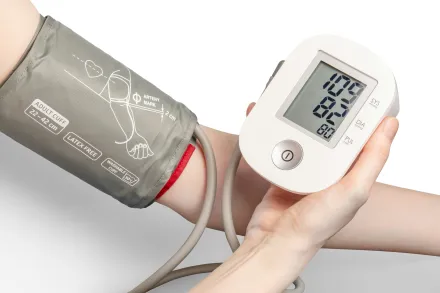
Across the landscape of cardiovascular monitoring, the journey from traditional cuff auscultation to continuous wearable sensing marks one of the most dynamic shifts in modern medicine. Early devices relied on a familiar inflatable cuff and a clinician skilled in listening for systolic and diastolic landmarks, a process that could be invasive in its inconvenience and time consuming in busy clinical settings. In recent decades, the push to empower patients to track their blood pressure beyond the clinic walls has accelerated, driven by advances ...

Across the spectrum of anxiety disorders, individuals experience persistent worry, fear, and physiological arousal that can impair daily functioning and quality of life. Traditional therapeutic approaches, especially cognitive behavioral therapies, have proven effective for many, yet barriers remain in exposure to real world situations, access to trained professionals, and the ability to calibrate the intensity of feared stimuli. Virtual reality technology offers a bridge between imagination and control by creating immersive, computer generated...

The Role of Wearable Tech in Chronic Pain Management
29 January 2026
Chronic pain is a complex, multifaceted experience that affects millions of people around the world and transcends simple physical sensation to influence mood, sleep, cognitive function, and overall quality of life. In recent years, wearable technology has emerged as a bridge between subjective experience and objective data, offering a way to continuously monitor physiological signals and daily activity in real time. The goal is not to replace clinical judgment but to augment it by providing a longitudinal view of how pain fluctuates with activ...
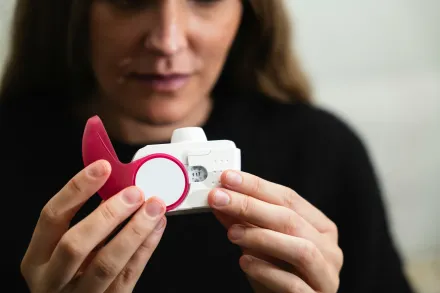
In the modern landscape of personal health, wearable sensors have emerged as a quiet revolution, weaving data streams from the body into actionable insights that can inform daily choices, guide medical care, and transform research. These devices, once relegated to novelty gadgets, now occupy a central place in chronic disease management, acute care, athletic performance, and preventive wellness. The evolution is not merely about adding more sensors but about integrating sensing with intelligent processing, user comfort, and reliable data interp...

In the evolving landscape of healthcare, robotic pharmacy automation stands out as a transformative force that reshapes how medicines are stored, prepared, verified, and delivered to patients. The convergence of robotics, advanced sensing, artificial intelligence, and digital health infrastructure has created systems that can operate with precision at a scale and speed that human operators alone could not achieve. As hospitals and community pharmacies grapple with rising volumes, complex regimens, and stringent safety requirements, automated so...

The landscape of orthopedic medicine is undergoing a quiet revolution driven by smart implants that couple mechanical stability with intelligent sensing. These devices, embedded in bones, joints, and soft tissues, extend the role of an implant beyond mere mechanical support to include real time monitoring, data collection, and feedback that informs both patients and clinicians. Historically an implant was a durable object designed to restore alignment or relieve pain, but today a smart implant can actively participate in the healing process by ...

Patient compliance, often described as adherence to prescribed therapies, appointments, and lifestyle changes, remains a central challenge in contemporary healthcare. Across a broad spectrum of conditions and care settings, patients struggle to follow complex medication regimens, attend timely follow ups, and incorporate the behavioral adjustments required to achieve optimal outcomes. The concept of compliance has evolved to emphasize engagement, shared decision making, and the capacity of individuals to integrate medical recommendations into t...
In modern medicine, the intersection of digital imaging, additive manufacturing, and clinical expertise has given rise to a powerful tool that reshapes how surgeons approach complex operations. Three dimensional printing, also known as additive manufacturing, enables the creation of tangible, patient specific models from medical imaging data. These models provide a tactile representation of anatomy, pathology, and instrumentation pathways that can be held, examined from every angle, and manipulated before a patient is anesthetized. The impact e...
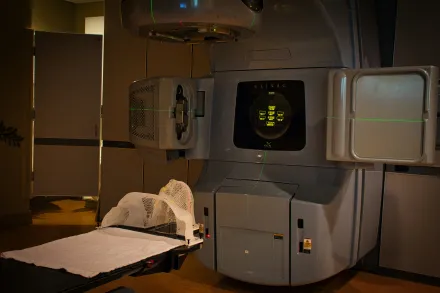
In the modern landscape of medicine, the convergence of artificial intelligence and imaging technology stands as a transformative force that reshapes how clinicians visualize, interpret, and act upon information contained in medical scans. This article explores the manifold dimensions of AI-powered analysis of medical scans, tracing the journey from data acquisition to clinical deployment while highlighting the benefits, challenges, and ethical considerations that accompany this evolving field. Across modalities such as computed tomography, mag...