Smart medication dispensers stand at the intersection of pharmaceutical science, digital health, and human factors engineering. They are more than simple pill boxes; they are integrated systems that combine mechanical dosing mechanisms with sensors, connectivity, and intelligent software to deliver not only medications but also insights about adherence. These devices aim to reduce missed doses, prevent wrong medications from being taken, and provide timely reminders that support patients in managing chronic conditions, recovering from illness, ...
Medical Technology & Innovations


In the modern landscape of digital health, wearable ECG monitors have moved from niche medical devices to everyday companions that continuously track the rhythm of the heart while seamlessly integrating into daily life. These devices empower patients, clinicians, and researchers by turning isolated measurements into streams of insights that can inform diagnosis, treatment, and prevention. The evolution has been shaped by advances in flexible electronics, skin-friendly sensors, intelligent software, and secure connectivity, creating tools that c...

Telemedicine has emerged as a transformative force in the landscape of follow-up care, redefining how patients and clinicians stay connected after an initial encounter. The traditional model relied heavily on in-person visits that required travel, time off work, and balancing scheduling against other life responsibilities. Telemedicine changes the equation by leveraging secure video conferencing, asynchronous messaging, remote monitoring devices, and integrated electronic health records to create a continuous thread of care that extends beyond ...
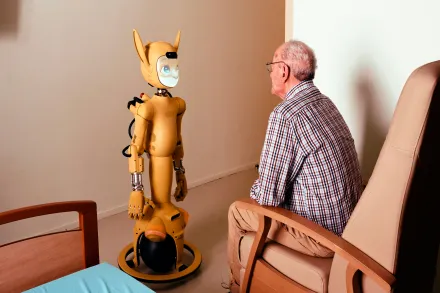
The landscape of elder care is undergoing a quiet revolution driven by advances in robotics and intelligent systems that seek to complement and extend human care rather than replace it. In its most essential form, robotics in elder care encompasses machines designed to assist with everyday activities, monitor health signals, facilitate communication with family and clinicians, and provide companionship that can reduce the sense of isolation that often accompanies aging. These systems are not a single invention but a constellation of devices tha...

Digital health coaching has emerged as a dynamic field where technology, behavioral science, and clinical insight converge to support healthier lives. The last decade has seen rapid advances that transform coaching from a static program into a responsive, data driven, and user centered experience. At its core, this evolution is reshaping how individuals set goals, monitor progress, and sustain motivation in real worlds that are messy, busy, and often fragmented by competing demands. Across diverse populations, innovations in digital health coac...

Artificial intelligence has begun to reshape the landscape of medical risk assessment by enabling rapid synthesis of diverse data sources into actionable insights about the probability of developing diseases. At its core, AI-powered disease risk assessment involves creating computational models that learn patterns from large datasets consisting of clinical records, imaging studies, laboratory results, genomic information, and even lifestyle indicators. These models aim to estimate an individual’s likelihood of future health events, ranging from...

The landscape of modern medicine is increasingly shaped by the ability to connect patients with clinicians beyond the confines of a physical clinic, and telehealth has emerged as a pivotal ally for preventive care. This shift is not merely about convenience; it represents a fundamental rethinking of how risk is identified, how healthy choices are reinforced, and how communities receive proactive interventions before illness progresses. Telehealth platforms enable ongoing dialogue, real time monitoring, and timely nudges that align with the core...
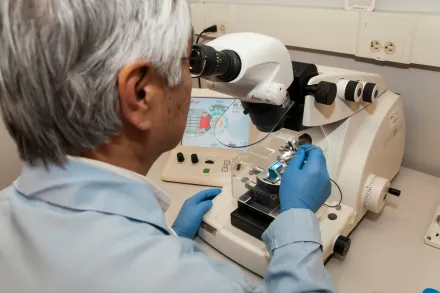
Rare diseases collectively touch a large number of lives, yet the path from symptom onset to a definitive diagnosis remains fragmented and arduous. For many patients, the diagnostic journey is marked by fragmented care, repeated testing, and a palpable sense of uncertainty that stretches over months or even years. In this complex landscape, artificial intelligence emerges as a framework for harmonizing disparate data streams, recognizing subtle cues that escape conventional analysis, and offering clinicians a structured set of diagnostic hypoth...

Hospitals operate as complex ecosystems where the allocation of limited resources such as beds, staff, equipment, and supplies must respond to rapidly changing clinical demand. Traditional planning methods rely on historical averages and rule of thumb, which often fail to capture nonlinear interactions, unexpected surges, or the tail events that stress systems. Artificial intelligence offers a potent set of tools that can ingest diverse streams of data, detect patterns, and translate them into actionable forecasts. By modeling patient inflow, a...

AI-Powered Predictive Health Analytics represents a shift from reactive medicine to proactive care, driven by the ability to extract patterns from vast and diverse health data. At its core it seeks to transform raw information into actionable foresight, enabling clinicians to anticipate complications, personalize interventions, and allocate resources with greater precision. This approach builds on historical practice in epidemiology and risk scoring but expands the toolkit with machine learning, probabilistic reasoning, and continuous learning ...