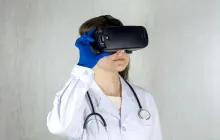
The landscape of modern medicine is increasingly shaped by the ability to connect patients with clinicians beyond the confines of a physical clinic, and telehealth has emerged as a pivotal ally for preventive care. This shift is not merely about convenience; it represents a fundamental rethinking of how risk is identified, how healthy choices are reinforced, and how communities receive proactive interventions before illness progresses. Telehealth platforms enable ongoing dialogue, real time monitoring, and timely nudges that align with the core goals of preventive medicine: to reduce the incidence of disease, to slow its progression, and to preserve quality of life through early action and sustained supportive care. By leveraging video visits, asynchronous messaging, remote monitoring, and integrated data, clinicians can extend the reach of preventive services to people who previously faced barriers such as distance, transportation, or scheduling constraints. In this sense, telehealth is not a temporary convenience but a durable infrastructure that expands the continuum of care toward communities and individuals who need it most, making preventive medicine more accessible, more responsive, and more personalized.
At its essence, preventive medicine aims to anticipate health problems before they manifest as symptoms or diagnoses. Telehealth complements this aim by enabling timely screening, risk assessment, and health coaching in settings that fit patients' daily lives. Patients can complete risk questionnaires from home, share wearable device data, and obtain educational resources that empower them to choose behaviors that reduce risk. Clinicians gain a broader, longitudinal view of a patient’s health trajectory through remotely collected information, which supports a shift from episodic care to continuous wellness management. This transition is grounded in a partnership model in which the patient remains at the center, and the clinician serves as a guide who helps interpret data, set attainable goals, and monitor progress over time.
The deployment of telehealth within preventive medicine also hinges on the integration of multiple technologies into a seamless patient experience. When a patient uses a telehealth platform, they may not notice the invisible interoperability that makes care coherent. Data from home blood pressure monitors, glucose meters, lipid trackers, and sleep devices can feed into the electronic health record, triggering automated alerts for clinicians when readings drift outside personalized targets. Telehealth also supports robust patient education, enabling clinicians to provide tailored risk-reduction plans, step by step action guides, and culturally appropriate resources during a single encounter or across a series of brief, well-timed visits. In essence, telehealth acts as a connective tissue that binds patient data, clinical judgment, and educational support into an integrated preventive strategy.
One of the most powerful aspects of telehealth in preventive medicine is its ability to reach people who might otherwise be missed by traditional screening programs. Rural communities, aging populations, and individuals with mobility limitations often face logistical hurdles that deter routine checkups and preventive testing. Through remote screening tools and virtual outreach, clinicians can identify risk factors early, order appropriate screening tests, and arrange follow ups without requiring patients to travel long distances. This approach also lowers the threshold for discussing sensitive topics such as smoking, alcohol use, nutrition, and physical activity, because telehealth visits can feel more private and less intimidating for some patients. As a result, more people engage in preventive conversations, leading to earlier interventions, higher screening uptake, and improved population health outcomes over time.
The patient experience in telehealth aligned with preventive goals is characterized by accessibility, consistency, and personalization. Accessibility means offering care that fits diverse schedules and circumstances, with options for synchronous video visits and asynchronous messaging that respects the patient’s time. Consistency refers to regular touchpoints that reinforce healthy choices, such as periodic check ins after a risk assessment or a reminder schedule for preventive services. Personalization involves customizing risk communication and recommendations to the patient’s unique biology, life context, cultural background, and preferences. When these elements come together, patients are more likely to engage with preventive plans, adhere to screening recommendations, and take ownership of their health journey.
In the broader health system, telehealth-supported preventive medicine contributes to a more efficient allocation of resources. By enabling remote assessments and triage, clinicians can determine which patients truly need in person visits versus those who can be effectively managed through virtual care. This triage reduces unnecessary appointments, frees up clinic capacity for urgent needs, and lowers the overall cost of care while maintaining a standard of preventive vigilance. For payer organizations and policymakers, telehealth offers a scalable model to extend preventive services, target high-risk populations, and measure program effectiveness with precise data. The synergy between telehealth and preventive medicine thus creates a virtuous cycle in which early intervention begets better health outcomes and smarter resource use.
Remote risk assessment and screening
Remote risk assessment lies at the foundation of telehealth for prevention because it translates complex health information into actionable insights without requiring an in person evaluation. Patients can complete validated risk questionnaires using patient portal interfaces, with automated scoring that highlights potential red flags for chronic diseases such as cardiovascular disease, diabetes, or obesity. Clinicians then review these results, interpret patterns across time, and decide which preventive tests are warranted. The process is supported by user friendly interfaces that guide patients through questions about family history, lifestyle factors, environmental exposures, and psychosocial stressors, helping to construct a multi dimensional risk profile. With this information in hand, clinicians can tailor screening schedules, recommend laboratory tests, and set realistic, measurable goals that patients can track themselves.
Remote screening is further strengthened by the integration of wearable and home monitoring devices. Blood pressure cuffs, glucose monitors, pulse oximeters, and weight scales feed data directly into electronic health records or secure patient dashboards. Clinicians receive real time or near real time alerts when values exceed predefined thresholds, enabling proactive outreach rather than reactive responses. This immediacy transforms how preventive care is delivered, turning it into a dynamic conversation rather than a one off event. Patients experience a sense of continuous oversight and partnership, feeling supported as they navigate lifestyle changes and treatment plans informed by fresh data from the comforts of their home.
Another important component is asynchronous communication that allows patients to share concerns between visits. For instance, a patient might send a message about a persistent question regarding diet changes or a new symptom that could influence risk stratification. Trained staff and clinicians respond with educational resources, risk modified recommendations, or clarifications about the need for in person testing. Asynchronous channels reduce anxiety by providing timely feedback and reduce the likelihood that subtle symptoms are overlooked, ensuring that preventive plans remain accurate and aligned with the patient’s evolving health status.
In addition to individual risk assessments, telehealth platforms enable population level risk surveillance while preserving privacy. Health systems can aggregate de identified data to monitor trends in risk factors across communities, identify gaps in screening coverage, and deploy targeted outreach campaigns. When done carefully, with strong governance and transparent communication about data use, this approach supports public health objectives without compromising patient trust. The combination of patient centered interaction and scalable analytics makes remote risk assessment a cornerstone of contemporary preventive medicine.
To maximize effectiveness, remote screening programs must be embedded within a care team that understands the preventive science behind risk stratification. Nurses, health educators, and care coordinators can coordinate outreach, schedule follow ups, and ensure that patients have access to necessary services. Clinicians can then interpret results in the context of each patient’s overall health story, considering comorbidities, social determinants of health, and personal preferences. When executed with fidelity, remote risk assessment becomes a reliable gateway to timely preventive actions that can avert disease progression and improve long term outcomes.
Chronic disease prevention and management via telehealth
Preventing chronic disease through telehealth involves a proactive blend of lifestyle guidance, regular monitoring, and timely medical interventions. For patients who are at risk of hypertension, dyslipidemia, obesity, or prediabetes, telehealth offers a structured pathway to achieve risk reduction goals. Routine video visits provide a space for clinicians to review home monitoring data, discuss dietary patterns, reinforce physical activity, and adjust treatment plans with the patient’s input. The continuity of care supported by telehealth helps patients develop sustainable habits, while clinicians monitor progression and intervene early when risk factors begin to tilt unfavorably.
Remote coaching for physical activity and nutrition is a central pillar of prevention. Through virtual sessions, patients can learn practical strategies to increase movement, plan balanced meals, and manage portions in a way that respects cultural preferences and budget constraints. Digital platforms enhance accountability by letting patients log activities, track meals, and visualize progress against personalized targets. The clinician can then provide motivational feedback, recalibrate goals, and celebrate milestones, reinforcing a positive feedback loop that encourages ongoing engagement in healthy behaviors.
Medication optimization is another critical dimension of chronic disease prevention that telehealth supports. When clinicians remotely review medication regimens, they can identify polypharmacy risks, assess adherence patterns, and adjust therapies to minimize adverse effects and maximize preventive benefits. E assistant reminders, patient friendly explanations about why a drug is prescribed, and timely refills all contribute to a smoother treatment journey. Telehealth also enables pharmacists to participate in consults, offering specialized expertise on drug interactions, dosing adjustments, and the best times for taking medications to align with lifestyle and circadian rhythms.
Home based monitoring devices enrich chronic disease prevention by providing continuous data streams. A patient with prediabetes can monitor glucose patterns alongside dietary changes, while a person with hypertension can observe blood pressure fluctuations across different environments and activities. Clinicians can detect early signals of instability, such as repeated nocturnal hypertension or post meal spikes, and intervene sooner with tailored recommendations. This approach helps prevent the escalation toward overt disease by emphasizing steady, incremental improvements in physiological measures and daily routines.
Interdisciplinary collaboration under telehealth expands the preventive reach to include nutritionists, exercise specialists, behavioral health professionals, and social workers as part of the care team. The virtual interface makes team based care feasible even when specialists are geographically dispersed. Patients benefit from a holistic plan that acknowledges physical, emotional, and social factors influencing risk and resilience. In practice, this integrated model supports more consistent follow ups, reduces the likelihood of care fragmentation, and fosters a sustainable approach to maintaining health over the long term.
Preventive strategies for chronic disease also gain from patient empowerment technologies. Goal setting, feedback loops, and personalized education prompts can be delivered through secure messaging, mobile apps, or tele health portals. When patients receive timely, relevant insights about how their daily choices affect their risk profile, they are more likely to take proactive steps rather than postpone action until symptoms appear. Telehealth platforms can be configured to adapt messages to a patient’s literacy level, language, and cultural context, thereby promoting equitable access to prevention regardless of background.
As preventive care evolves, the data generated by telehealth becomes a resource for continuous quality improvement. Aggregated, de identified data can reveal which interventions work best for different populations, informing evidence based guidelines and helping clinics refine their preventive programs. Clinicians can share lessons learned across teams, accelerate adoption of successful strategies, and contribute to a broader knowledge base that supports preventive medicine at scale. This data driven dimension reinforces the idea that prevention is not a one size fits all venture but a personalized, adaptive process guided by real world evidence.
Telehealth also plays a role in reducing disparities by making preventive services more affordable and reachable. When patients do not need to travel for every interaction, the cost barrier diminishes, especially for routine monitoring and brief consultations. Telehealth can be layered with community health initiatives to extend outreach into underserved neighborhoods, where partnerships with local organizations can provide screening events, education sessions, and navigation support. The result is a more inclusive preventive system that prioritizes equity alongside effectiveness, acknowledging that health outcomes are shaped by access, trust, and opportunity as much as by biology.
For clinicians, integrating telehealth into chronic disease prevention requires thoughtful workflow design. Scheduling practices that reserve specific time slots for remote monitoring, clear protocols for when to escalate to in person care, and standardized checklists ensure that prevention remains consistent and rigorous. Training for staff in digital communication, privacy protection, and cultural competence is essential to maintain high quality interactions across virtual channels. In parallel, patient onboarding processes that explain how to use devices, how to interpret feedback, and how to ask for help reduce confusion and promote confidence in the preventive program.
Ultimately, telehealth enhances the physician patient relationship by preserving the humane elements of care in a high tech environment. Visualizing a patient’s life context during a video visit, listening to concerns about daily routines, and collaboratively adjusting plans create a sense of partnership that strengthens adherence to preventive regimens. Patients who feel heard and supported are more likely to adopt healthier lifestyles, comply with screening recommendations, and remain engaged with their health over time, creating a feedback loop that improves outcomes while reducing the burden of preventable disease on families and communities.
Behavioral health integration in preventive care
Behavioral health is inextricably linked to preventive medicine because mental well being influences motivation, energy, and the ability to make sustainable lifestyle changes. Telehealth offers a discreet, flexible channel for screening, early intervention, and ongoing support for conditions such as anxiety, depression, and stress related disorders that can undermine preventive efforts. By normalizing conversations about mental health within primary care, telehealth reduces stigma and creates rapid access to evidence based therapies, leading to better overall health trajectories for patients who are navigating risk factors for chronic disease and unhealthy behaviors.
Integrating behavioral health into preventive care also means coordinating care across disciplines. Primary care clinicians, behavioral health specialists, and care coordinators can share insights about how mood and coping strategies influence adherence to exercise programs, dietary changes, or smoking cessation attempts. Telehealth platforms facilitate these collaborations through secure messaging, collaborative notes, and joint visit scheduling, ensuring that the patient experiences a coherent plan rather than fragmented advice. This alignment reinforces preventive goals by addressing the emotional and cognitive drivers of health, which are often the most influential determinants of sustained behavior change.
Virtual behavioral health services support preventive outreach by enabling proactive check ins following stressful life events or transitions that commonly destabilize health routines. A brief tele visit after a job loss, a relocation, or a family health crisis can reinforce coping skills, revisit goals, and prevent deterioration in health markers. When coupled with digital self management tools, patients can access cognitive behavioral strategies, mindfulness exercises, and stress reduction techniques on demand, creating a versatile support system that complements physical health efforts.
Patient education is particularly effective when delivered via telehealth in a manner aligned with behavioral health principles. Short psycho educational modules can be shared in secure messages, followed by reflective prompts that help patients apply recommendations to daily life. This approach respects patient autonomy while offering compassionate guidance, which is essential for sustainable preventive work. The result is an integrated care experience where mental health strengthens physical health and vice versa, forming a protective shield against the onset and progression of preventable conditions.
Access to behavioral health care through telehealth also helps address disparities that frequently complicate preventive efforts. People in high demand specialties, rural settings, and communities with limited stigma awareness can benefit from confidential, asynchronous options that fit their preferences. By normalizing help seeking and reducing logistical barriers, tele health fosters early engagement with preventive strategies that include stress management, healthy sleep practices, and coping skills that support healthier decisions across domains such as nutrition, activity, and substance use.
In practice, successful behavioral health integration relies on strong screening tools embedded in the telehealth workflow. Routine mental health screens during primary care visits, followed by prompt access to appropriate interventions, ensure that mental health care remains an ongoing component of prevention rather than a separate, episodic event. Clinicians can coordinate with counselors, social workers, and peer support specialists to design holistic prevention plans that address emotional well being, resilience, and healthy habit formation in a supportive, technology enabled environment.
Vaccination outreach and monitoring using telehealth
Vaccination remains one of the most cost effective preventive measures, and telehealth can amplify its impact by modernizing outreach, education, and follow up. Tele visits allow clinicians to assess eligibility, respond to patient questions, and address concerns about vaccine safety in a timely manner. Virtual platforms can also be used to deliver personalized immunization schedules, reminders for upcoming vaccines, and evidence based information to counter misinformation. When patients receive clear, trusted guidance through telehealth channels, they are more likely to participate in immunization programs and complete multi dose series, contributing to community level protection and herd immunity.
Monitoring vaccination status across populations is facilitated by telehealth through integrated immunization registries and secure patient portals. Clinicians can review vaccination histories during tele visits, identify overdue vaccines, and coordinate with schools, employers, or community clinics to arrange convenient administration locations. For families with busy schedules, this approach reduces the friction associated with obtaining vaccines, minimizing missed opportunities and improving adherence to age appropriate preventive schedules. In addition, telehealth can accommodate catch up campaigns for adults who miss routine immunizations due to access barriers, providing a practical avenue to restore protection levels in communities.
Education about vaccines is enhanced by multimedia resources integrated within telehealth platforms. Short, tailored messages with evidence based explanations can accompany reminders, helping patients understand the rationale behind immunizations, the expected benefits, and potential risks. Clinician voices remain central, and video consultations can provide a space to discuss individual risk considerations, such as chronic conditions or pregnancy, ensuring that recommendations are appropriate and well explained. This combination of counseling, reminders, and convenient access supports higher vaccination uptake as part of a comprehensive preventive strategy.
Telehealth also supports post vaccination monitoring when necessary, offering a venue to report adverse events or reactions and to receive guidance on when to seek additional care. For some vaccines, clinicians may schedule follow up visits to track immune responses or to provide reinforcing information about continuing preventive care. By streamlining communication and reducing delays, telehealth improves the efficiency and effectiveness of vaccination programs, which in turn strengthens population health resilience and helps communities withstand preventable disease threats.
From a system perspective, telehealth driven vaccination strategies can align with school health services, workplace wellness programs, and public health campaigns. Coordinated scheduling, multi channel reminders, and centralized documentation contribute to a cohesive, scalable process that enhances uptake across diverse populations. This integrated approach ensures that prevention is not limited to a single moment in time but is part of an ongoing life course, with timely boosters and age appropriate immunization recommendations supported by easy to use telehealth pathways.
In sum, the synergy between telehealth and vaccination programs demonstrates how virtual care can extend the reach and impact of preventive measures. Patients benefit from accessible education, convenient scheduling, and clear guidance, while health systems gain a more reliable mechanism to track coverage, manage inventory, and respond to population health needs with agility. The result is a preventive ecosystem where vaccines are integrated into a broader strategy of proactive health maintenance, rather than treated as isolated interventions separated from daily life.
Access disparities and equity considerations
Equity is a central concern in any discussion of telehealth as a tool for prevention. While telehealth has the potential to close gaps in access, it can also reproduce or magnify inequities if not thoughtfully implemented. Factors such as broadband availability, device ownership, digital literacy, language barriers, and cultural relevance all influence whether telehealth actually expands or constrains preventive care for different communities. A careful approach recognizes these determinants and designs solutions that meet people where they are, using a blend of modalities and community partnerships to ensure that prevention is truly accessible to all.
To promote equity, health systems must invest in the infrastructure that supports tele health for marginalized populations. This includes expanding low bandwidth options, developing mobile friendly interfaces, and providing multilingual, culturally sensitive content. It also means offering non digital alternatives such as telephone based outreach and in person visits when necessary, ensuring that no patient is left behind because of technology constraints. Equity minded design also requires continuous monitoring of utilization patterns and outcomes across demographic groups, followed by rapid adjustments to programs that show disparities.
Community engagement is essential to building trust and relevance. Collaborations with local organizations, faith groups, schools, and neighborhood health workers can facilitate outreach, education, and assistance with navigating digital platforms. When communities participate in the design and implementation of telehealth preventive services, the programs are more likely to resonate with local values, address practical barriers, and support sustainable adoption. This participatory approach strengthens the legitimacy and effectiveness of preventive care delivered through telehealth.
Language access is a concrete step toward equity in tele health. Providing interpreter services, translated materials, and culturally tailored counseling helps ensure that preventive messages are understood and acted upon. Clinicians should also consider literacy levels and use plain language, visual aids, and step by step demonstrations to convey health information clearly. In preventive medicine, where small changes can yield meaningful outcomes, clear communication is a prerequisite for success and a cornerstone of ethical, patient centered care.
Policy makers and payers play a critical role in shaping equitable access to tele health powered preventive services. Reimbursement policies that recognize remote visits, asynchronous communications, and remote monitoring as valid components of preventive care encourage clinicians to invest in telehealth capacities. Licensing frameworks that allow cross jurisdictional practice expand access for patients in underserved areas while maintaining quality standards. When the ecosystem aligns incentives with equity goals, telehealth becomes a robust instrument for preventing illness across diverse populations.
Patient trust is foundational to equitable tele health. Transparent explanations about data use, privacy protections, and the purpose of monitoring help patients feel safe sharing information essential to prevention. Privacy literacy, including clear consent processes and options to control data sharing, reinforces autonomy and confidence in the care relationship. As trust grows, patients are more likely to engage with preventive programs, adhere to recommended screenings, and participate in health dialogues that shape healthier futures for themselves and their communities.
Equity in prevention also requires continuous evaluation of how tele health affects social determinants of health. Screenings for housing insecurity, food access, transportation barriers, and exposure to unsafe environments should be integrated where appropriate, with pathways to connect patients with supportive services. Telehealth can serve as a bridge to social care, aligning medical prevention with community resources to address root causes of poor health and to create conditions in which preventive behaviors are feasible and sustainable.
Looking toward the future, the quest for equitable prevention through tele health invites ongoing innovation and collaboration. Innovations may include community based digital literacy programs, subsidized devices for low income households, and targeted outreach campaigns that co design interventions with residents. When these efforts are harmonized with clinical expertise and patient engagement, telehealth becomes a powerful lever to reduce disparities in preventive care while maintaining the highest standards of safety, privacy, and dignity.
Technology, data privacy, and patient trust
Security and privacy concerns are central to the acceptance of telehealth for preventive medicine. Patients entrust clinicians with sensitive health data, and any breach or misuse can erode confidence and participation in preventive programs. Therefore, telehealth systems must implement rigorous privacy protections, including encryption for data in transit and at rest, robust access controls, regular security audits, and clear policies that describe how information is used, stored, and shared. Transparency about data handling helps patients understand the benefits of remote monitoring while appreciating the steps taken to keep their information secure.
Beyond technical safeguards, cultivating patient trust requires consistent, respectful communication. Clinicians should explain how telehealth tools contribute to prevention, discuss potential risks, and obtain informed consent for remote monitoring or data sharing. Patients benefit when they can easily access their own health information, review who has viewed their data, and opt out of certain data sharing arrangements if desired. This sense of control reinforces a cooperative patient clinician relationship and supports sustained engagement in preventive care.
Interoperability is another pillar of trustworthy tele health systems. When data from home devices, wearables, and clinical records can flow securely between platforms, clinicians gain a comprehensive view of a patient’s health. This unified view reduces duplication of tests, minimizes errors, and enables more precise risk stratification. However, interoperability must be pursued with careful attention to privacy and consent, ensuring that data sharing respects patient preferences and legal requirements.
Clinics implementing telehealth for preventive medicine should adopt clear data governance frameworks. These frameworks define data ownership, retention periods, access rights, and responsibilities for data stewardship across the care team. Regular staff training on privacy best practices, phishing awareness, and secure messaging protocols helps reduce the risk of human error. Equally important is patient education about self management tools, the purpose of remote monitoring, and the ways in which their information is used to support prevention rather than to collect data without consent.
The patient experience of tele health in preventive care should emphasize simplicity and reliability. User friendly interfaces, straightforward appointment processes, and responsive technical support contribute to patient confidence and ongoing participation. When patients feel that technology supports their health goals rather than creating barriers, they are more likely to engage with regular screenings, adhere to lifestyle recommendations, and maintain open channels of communication with their care team. This positive cycle sustains the preventive mission in both everyday life and moments of medical need.
Healthcare systems must also stay adaptable as technology evolves. New sensors, analytic tools, and communication modalities will expand what is possible in prevention. A responsible approach combines rigorous evaluation, patient-centered design, and continual alignment with ethical standards. By balancing innovation with patient protections, telehealth can extend preventive reach while maintaining the trust that underpins the healing relationship. This careful balance positions telehealth as a durable component of preventive medicine that grows in capability while preserving the fundamental rights and expectations of patients.
Future directions and practical implementation tips for clinics
Looking ahead, practical telehealth strategies for preventive medicine will emphasize seamless integration into primary care workflows, patient education, and outcomes oriented metrics. Clinics can begin by mapping preventive pathways that are most amenable to remote delivery, such as risk assessments, lifestyle coaching, and monitoring of chronic disease risk factors. Establishing standardized protocols, eligibility criteria, and clear handoffs to in person care when needed helps maintain quality while expanding capacity. The goal is to create a frictionless experience for patients that keeps prevention at the center of every interaction.
Technology choices should be guided by user needs, data privacy considerations, and the clinical relevance of remote monitoring. Selecting platforms that support secure video visits, asynchronous messaging, digital coaching, and interoperable data exchange with electronic health records is essential. Clinics should also invest in patient onboarding that teaches device use, data interpretation, and the expectations for remote care, ensuring that people feel competent and confident using telehealth tools from the outset.
Workflows must be redesigned to leverage telehealth without compromising the depth of clinical assessment. Scheduling practices can allocate dedicated slots for preventive visits, follow up on risk factors, and periodic check ins that reinforce health goals. Care coordinators can play a central role in tracking adherence, coordinating tests, and connecting patients to community resources when social needs arise. A well designed workflow supports consistent preventive guidance, timely testing, and efficient use of clinician time.
Clinician training is a non negotiable element of successful implementation. Teams need education on telecommunication etiquette, cultural sensitivity, digital literacy, privacy protections, and the interpretation of remotely collected data. Training should also include patient communication strategies that translate medical information into practical, motivating guidance. When clinicians are confident in delivering preventive care through telehealth, patient trust and engagement naturally improve.
Measurement and evaluation provide the discipline needed to refine telehealth prevention programs. Clinicians can track metrics such as screening completion rates, adherence to lifestyle prescriptions, changes in risk factor trajectories, and patient satisfaction with virtual visits. Sharing performance data with stakeholders supports continuous improvement and demonstrates value, which can influence reimbursement models and policy decisions. As data accumulate, clinics can adjust programs to emphasize the most impactful interventions, ensuring that preventive benefits are maximized for diverse patient populations.
Patient engagement must remain central to any telehealth preventive strategy. Universities, health systems, and community organizations can contribute educational content, social support networks, and practical tools that help patients apply preventive advice in daily life. Telehealth platforms should offer multilingual resources, accessibility features, and culturally relevant content so that everyone can participate meaningfully. When patients feel empowered to take incremental steps toward health, the long term benefits of preventive medicine become more visible and tangible for individuals, families, and communities.
Finally, clinicians and administrators should cultivate a patient centered culture that treats prevention as an ongoing, collaborative journey. Telehealth is a powerful medium for this work, but its success depends on human elements such as empathy, reciprocity, and shared decision making. By prioritizing patient values, clarifying expectations, and sustaining open channels of communication, preventive telehealth programs can thrive. The end result should be a health system where prevention is not an afterthought but a daily practice embedded in every patient interaction, every data point, and every strategic choice made to protect and improve public health over time.