Three dimensional printing, also known as additive manufacturing, has evolved from a prototyping curiosity into a mature clinical tool across many medical specialties, with cardiology standing out as an area where tangible models can translate complex imaging data into tactile understanding. In its essence, this technology builds objects layer by layer from digital designs, and in medicine it has moved beyond simple plastics into biocompatible materials that can mimic the mechanical properties of human tissues. The heart, with its intricate geo...
Medical Technology & Innovations
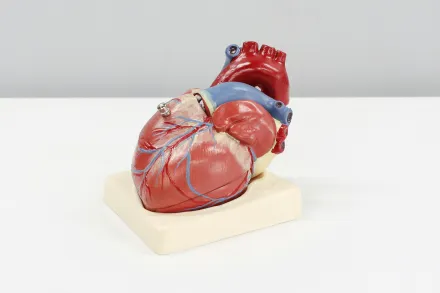

Predicting whether a patient will be readmitted to a hospital within a defined window after discharge is a complex challenge that sits at the intersection of data science, clinical workflow, and patient care. Artificial intelligence offers a way to synthesize vast streams of information—from electronic health records, claims data, and patient-reported outcomes to social determinants of health—and translate them into actionable risk signals. The goal is not merely to forecast a numerical score but to illuminate the factors that contribute to a h...
Artificial intelligence has entered the core of pharmacology with a promise to illuminate a landscape that has long challenged clinicians and researchers: the prediction of drug interactions. In this expansive domain, predictions are not mere curiosities but potential lifelines for patients who rely on complex regimens, where combinations of medications can interact in subtle but clinically meaningful ways. AI-powered approaches aim to forecast how one drug can affect the pharmacokinetics and pharmacodynamics of others, how these effects scale ...

In recent years the intersection of digital health, pharmaceutical science, and data engineering has given rise to a new paradigm in how medications are prescribed, dispensed, and taken. This paradigm shifts the focus from simply providing a good drug to ensuring that the drug reaches its intended target in the body at the right time and in the right amount, while continuously adjusting to the patient’s circumstances. The result is a range of interconnected systems that monitor, guide, and automate aspects of medication use, blending medical ju...
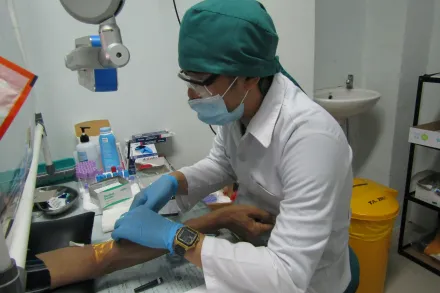
The field of dermatology and oncology is increasingly shaped by intelligent systems that can assist clinicians in recognizing malignant skin lesions with precision and speed. Artificial intelligence, when applied to skin cancer detection, combines advances in computer vision, natural image analysis, and sophisticated pattern recognition to interpret photographs of the skin, dermoscopic images, and even histopathological data. This convergence holds the promise of earlier intervention, improved diagnostic concordance among practitioners, and exp...
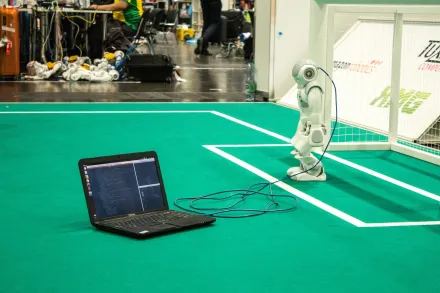
In contemporary healthcare, a quiet transformation unfolds as robotic technology integrates with physical rehabilitation to extend the reach of clinicians, augment patient effort, and redefine what is possible in recovery after injury or illness. The collaboration between human therapists and intelligent machines creates a synergy that blends precise repetitive movement with adaptive support, where machines act as partners in the rehabilitation journey rather than as impersonal devices. This shift is not about replacing expertise but about expa...

Telehealth has emerged as a pivotal mechanism for expanding access to medical services across geographic, economic, and cultural boundaries. In its most basic form, telehealth leverages telecommunications technology to connect patients with clinicians, enabling consultations, diagnostics, and ongoing monitoring without the need for the patient to travel long distances. The global health landscape has long suffered from uneven distribution of skilled professionals and healthcare infrastructure, a reality that leaves vast populations in rural hin...
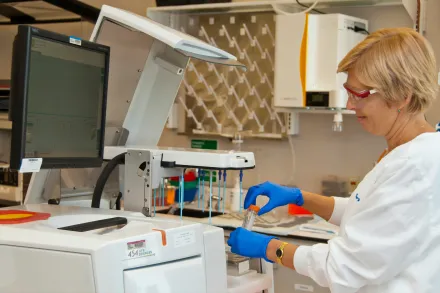
Bioprinting has emerged from a convergence of materials science, developmental biology, and advanced manufacturing, giving researchers a powerful toolkit to assemble living structures with unprecedented precision. The field sits at the intersection of engineering and medicine, promising to transform how we model diseases, test drugs, and ultimately repair or replace damaged organs. In recent years the pace of innovation has accelerated as multidisciplinary teams have refined the chemistry of bioinks, the physics of deposition, and the ways cell...
The landscape of organ transplantation has long been characterized by life changing successes tempered with persistent shortages and complex ethical questions. For decades, patients facing organ failure have depended on donor availability, waiting lists, and the delicate balance between urgency and quality of life. In this context, three dimensional bioprinting has emerged as a field promising to bridge the gap between rising demand and the supply of functional, compatible tissues and organs. The concept encompasses the precise placement of liv...
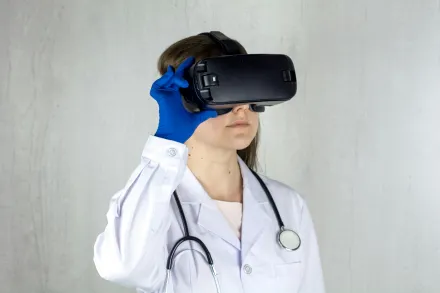
Virtual health coaching stands at the intersection of technology, psychology, and medicine, offering guided support for individuals seeking to improve health behaviors, manage chronic conditions, or adopt preventive practices without the need for in person visits. The field began modestly with simple messenger-based guidance and gradually expanded into sophisticated ecosystems that combine real time feedback, adaptive interventions, and data from diverse devices. In recent years, virtual health coaching has evolved beyond a static script to bec...