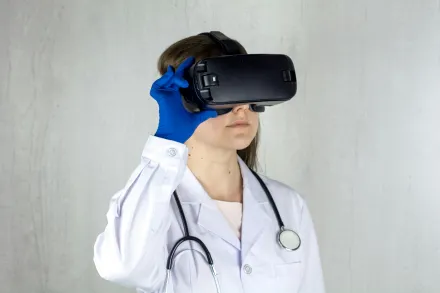
Virtual health coaching stands at the intersection of technology, psychology, and medicine, offering guided support for individuals seeking to improve health behaviors, manage chronic conditions, or adopt preventive practices without the need for in person visits. The field began modestly with simple messenger-based guidance and gradually expanded into sophisticated ecosystems that combine real time feedback, adaptive interventions, and data from diverse devices. In recent years, virtual health coaching has evolved beyond a static script to become an interactive, dynamic, and personalized service that can be scaled to reach populations across geographic and socioeconomic boundaries. This transformation has been propelled by advances in artificial intelligence, wearable sensors, smartphone accessibility, cloud computing, and user experience design, all converging to create coaching experiences that feel intimate, responsive, and evidence driven. The result is a landscape where coaches and clinicians can collaborate with patients in a continuous loop of motivation, monitoring, and adjustment, often at a fraction of the cost and time of traditional programs. At its best, virtual health coaching empowers individuals to take ownership of their health while still benefiting from professional guidance, accountability, and support that respects their personal context and life goals.
Foundations of virtual health coaching rest on three pillars that have remained remarkably stable even as technology shifts. First, behavioral science provides a framework for understanding how people change—recognizing readiness to change, identifying barriers, and designing interventions that sustain motivation over time. Second, clinical science supplies guidance about safe, effective strategies for managing specific health concerns, whether it is weight management, diabetes control, blood pressure regulation, or mental health stabilization. Third, digital infrastructure supplies the channels through which coaching is delivered, including mobile apps, web portals, telepresence, and asynchronous messaging. The synthesis of these elements yields a coaching process that begins with assessment and goal setting, moves through actionable planning and daily practice, and ends with monitoring, feedback, and adjustment. What makes virtual health coaching unique is the ability to continuously adapt to a user’s evolving circumstances, preferences, and data streams, creating a personalized pathway rather than a one size fits all program. The modern era of coaching also foregrounds user autonomy, ensuring that individuals retain control over how they engage with the platform, what information they share, and how they allocate time to health activities within the flow of daily life.
The landscape of virtual health coaching has also been shaped by shifts in patient expectations and healthcare delivery models. Patients increasingly expect care that is reachable on their terms, that respects their busy schedules, and that integrates seamlessly with other digital health tools they already use. Clinicians, meanwhile, are seeking scalable ways to extend their reach beyond clinic walls, to monitor patients in real time, and to intervene early before problems escalate. This desire for scalable, proactive care has driven the development of coaching systems that can operate at scale while preserving individualized attention. The result is a hybrid approach in which human coaches and clinicians collaborate with intelligent software to create a care continuum that feels both personal and precise. The goal is not to replace human support but to augment it with technologies that enhance responsiveness, reduce friction, and provide data-driven insights that enrich decision making for patients and providers alike.
In practical terms, virtual health coaching now often involves a constellation of components that work together to support behavior change. A digital coach may be an AI assistant that guides daily tasks, prompts users with reminders, and surfaces motivational content tailored to current needs. A human coach or clinician may supervise a cohort of users, conduct periodic check ins, interpret trends, and provide empathetic communication that respects patient values. Continuous data streams from wearables, connected devices, and self report surveys feed into analytics that help calibrate recommendations. Education modules, goal tracking dashboards, and social features can enhance engagement, while privacy protections and transparent data handling practices help build trust. Across diverse settings, from primary care clinics to workplace wellness programs and community health initiatives, virtual health coaching is demonstrating that high quality support can be delivered digitally without sacrificing empathy, safety, or effectiveness. The discipline shows particular strength in chronic disease management, lifestyle modification, medication adherence, and mental wellbeing, where persistence over weeks and months is essential for meaningful outcomes.
To understand the current momentum, it is helpful to consider how innovations in data collection and interpretation underpin coaching effectiveness. Modern digital health coaches rely on a tapestry of information: activity levels, sleep patterns, heart rate variability, stress markers, glucose readings, blood pressure curves, dietary intake, mood assessments, and pharmacotherapy data, among others. The analysis of these signals enables a coaching system to infer risk, detect early deterioration, and customize interventions with minimal delay. Importantly, this depth of data is paired with narrative inputs from users—their perceived exertion, appetite, energy, and daily challenges—to produce a more holistic picture than any single metric could offer. When integrated with clinical guidelines and individualized care plans, this data-informed approach allows coaches to adjust intensity, frequency, and content of interactions, creating a more nuanced and responsible form of guidance. The capacity to intertwine objective metrics with subjective experiences is a distinguishing feature of contemporary virtual health coaching and a driver of its potential to improve health outcomes across diverse populations.
Foundations and historical context
Tracing the roots of virtual health coaching reveals a gradual evolution from conventional in person coaching to online programs and, eventually, to sophisticated hybrid models. Early experiments in digital coaching leveraged email newsletters, static educational modules, and simple automated reminders to support health behavior change. While these early efforts produced modest improvements, they demonstrated a key insight: sustained engagement is essential, and digital channels can lower barriers to access and reduce the friction associated with traditional coaching. As mobile connectivity expanded and consumer devices became more capable, researchers and developers began to experiment with more interactive formats. Platforms emerged that could deliver guided exercises, track progress in real time, and respond to user input with increasingly intelligent automation. The subsequent integration of cloud computing allowed coaches to access data, update plans, and coordinate with multidisciplinary teams from anywhere, signaling a shift toward scalable, ongoing support rather than episodic interventions. In parallel, the field of behavioral economics and psychology provided robust theories about extrinsic and intrinsic motivation, habit formation, and relapse prevention, informing the design of digital tools that could sustain engagement and facilitate long-term change. The historical arc thus points to a convergence of science, technology, and human centered design that continues to accelerate as new capabilities become available.
As virtual health coaching matured, issues of credibility and safety emerged as important considerations. Clinicians and patients alike demanded evidence about effectiveness, and policymakers sought assurances about privacy, security, and ethical use of data. This catalyzed the development of standards for data governance, consent management, and risk stratification, which in turn reinforced the legitimacy of digital coaching as a complement to traditional care. Over time, reputable programs began to publish outcomes from randomized trials, observational studies, and real world data analyses, contributing to a growing evidence base that informs best practices. The historical narrative also highlights a broadening understanding of who can benefit from coaching, with programs expanding to diverse age groups, cultural backgrounds, and levels of health literacy. The result is a field that is not static but continually reimagined by empirical findings, user feedback, and regulatory developments that shape what is possible and permissible in digital coaching today and tomorrow.
In many respects, the current era of virtual health coaching represents a mature synthesis of decision support, patient empowerment, and scalable care delivery. The design philosophy emphasizes personalization, transparency, and human centeredness, aiming to preserve the dignity and autonomy of users while offering the benefits of data driven guidance. This synthesis does not imply that technology dominates the experience; rather, it suggests a cooperative relationship in which algorithms handle pattern recognition and routine tasks, while humans provide context, empathy, and nuanced clinical judgment. Within this framework, innovations flourish in features such as adaptive messaging, context aware coaching plans, and collaborative goal setting that respects patient preferences. The historical trajectory underscores that the most transformative advances arise not from a single breakthrough but from an iterative process of testing, refining, and aligning digital tools with the realities of everyday life and clinical practice.
Today, virtual health coaching continues to draw inspiration from diverse disciplines, including linguistics, behavioral science, human computer interaction, and health economics. Researchers explore how conversational agents can sustain long term engagement without becoming perceived as robotic or prescriptive. Designers investigate modalities of feedback that feel affirming yet constructive, balancing praise with evidence based guidance. Economists analyze cost per quality adjusted life year and total cost of care to determine the economic viability of programs, while policy experts examine how reimbursement models can incentivize preventive coaching and chronic disease management. The cumulative insight from these fields is shaping a future in which virtual health coaching is not merely a convenience but a core component of comprehensive, patient centered care that integrates smoothly with clinical workflows and community health ecosystems.
Within the evolving ecosystem, patient engagement remains a central objective. Engagement is not simply about frequent interactions; it is about meaningful, contextually relevant contact that respects a user’s time, preferences, and immediate needs. Achieving this requires a careful choreography of messaging frequency, content quality, and personalization. For some users, a gentle nudge at the right moment can trigger a cascade of positive behavior, while others may require more autonomy and self directed resources. Modern platforms therefore support flexible engagement strategies, offering a spectrum from fully autonomous self guided programs to highly collaborative coach led plans. The flexibility is essential for accommodating varying levels of health literacy, cultural differences, and personal goals, all of which influence how individuals respond to digital coaching and what type of support they find most helpful. The nuanced understanding of engagement now informs both product design and clinical implementation, making it possible to deliver interventions that feel natural, respectful, and effective over extended periods.
Ethical considerations also anchor the development of virtual health coaching. Respect for autonomy, beneficence, nonmaleficence, and justice guide how programs collect data, what recommendations they surface, and how they address potential disparities. Privacy by design has become a standard practice, with explicit consent, clear data ownership, and transparent explanations of how information will be used. Equity considerations drive efforts to reach underserved populations, tailor content to multiple languages and literacy levels, and remove barriers to access such as device cost or unreliable connectivity. Safety protocols are embedded in the systems to detect red flags, such as signs of worsening mental health or dangerous health behaviors, with clear escalation pathways to human professionals. As the field expands globally, cross cultural sensitivity and respect for diverse health beliefs become essential to ensure that interventions are acceptable and effective in different sociocultural contexts. The ethical framework thus supports a sustainable, trust based relationship between users, platforms, and the clinicians who supervise the programs.
Core technologies driving virtual health coaching
Central to the growth of virtual health coaching is a suite of technologies that enable real time interaction, personalized guidance, and scalable operations. At the core are intelligent agents that can converse with users in natural language, interpret user data, and adapt recommendations based on evolving patterns. These agents are increasingly capable of handling complex dialogue, managing multi step tasks, and integrating with other digital health tools to present a cohesive coaching experience. The user experience is enriched by intuitive interfaces, accessible on smartphones or web browsers, with content presented in a manner aligned with principles of readability and user engagement. The blend of conversational AI with structured curricula creates an adaptive coach that can respond to a user’s mood, energy level, and immediate constraints, making coaching feel relevant and timely. This adaptability is essential for maintaining motivation in the face of competing demands such as work, family responsibilities, and stressors that can derail health goals.
Another pillar is machine learning powered analytics that convert raw data into actionable insights. Algorithms analyze activity logs, biometric signals, dietary logs, sleep metrics, and mood ratings to identify trends, detect anomalies, and forecast potential relapse or risk of deterioration. This predictive capability enables proactive coaching, where the system can preemptively offer support before a problem becomes acute. Yet the analytics objective is not to replace human judgment but to augment it by highlighting subtle patterns that might escape human observation. Clinicians and coaches then interpret these insights through the lens of clinical knowledge and individual context to decide on the most appropriate intervention. The ultimate aim is to create a tightly coupled loop of data collection, analysis, feedback, and adaptive intervention that feels seamless to users and efficient for care teams.
The third technological pillar involves seamless integration with wearables and remote monitoring devices. From smartwatches tracking steps and heart rate to continuous glucose monitors and blood pressure cuffs, devices provide rich streams of data that feed into the coaching platform. This data is not merely stored; it is transformed into meaningful cues for users, such as highlighting a persistent sedentary pattern or signaling when a blood pressure threshold has been crossed. Importantly, integration is designed to be unobtrusive, respecting user privacy and minimizing manual data entry. The most effective systems synchronize device data with self reported information, clinical records, and medication data to ensure a comprehensive view of health status. This holistic data fusion makes it feasible to tailor interventions with specificity, such as adjusting exercise intensity based on recent measurements or modifying dietary guidance in response to glucose trends. As devices become more capable and affordable, the potential for remote, continuous coaching expands accordingly, enabling more personal and timely guidance than ever before.
Cloud computing and edge processing enable the distribution of workloads across secure servers and local devices, balancing responsiveness with privacy and bandwidth considerations. Coaches and AI services can scale to large populations while maintaining individualization, offering customized content, reminders, and feedback at scale. Security protocols and encryption protect sensitive health information as it traverses networks and resides in the cloud. The architecture often includes modular components such as authentication services, data normalization pipelines, consent management layers, and audit trails to support accountability and regulatory compliance. In practical terms, this means a platform can welcome a diverse user base with varying privacy expectations and still deliver a consistent coaching experience grounded in evidence based practices. The scalable architecture is what makes high quality virtual health coaching viable for health systems, employers, and community programs that seek broad reach without sacrificing quality or safety.
Natural language processing (NLP) technologies empower the coach to understand user input, summarize complex health information in approachable language, and generate personalized messages that maintain warmth and clarity. Through NLP, users can describe their day, discuss their challenges in their own words, and receive feedback that acknowledges their experiences while offering evidence informed steps forward. The linguistic capabilities are complemented by sentiment analysis that helps the system adjust its tone and pace to match the user’s emotional state, which can be particularly important when individuals are feeling overwhelmed, frustrated, or discouraged. The result is a conversational partner that listens as much as it speaks, creating an environment where users feel heard and motivated to engage with healthier choices. While AI components lead the way in automation and scalability, ongoing human oversight ensures that nuance, context, and clinical prudence remain central to the coaching relationship.
Interoperability technologies support the seamless exchange of information across different health IT ecosystems. Standardized data models, secure APIs, and consent driven data sharing enable coaches to access relevant portions of a patient’s health record, pharmacy data, and laboratory results when appropriate. This integration reduces duplication of effort, improves accuracy, and fosters a holistic approach to care. Interoperability also supports collaborative care models in which coaches, primary care physicians, specialists, and other members of the health team coordinate efforts, align goals, and share progress updates. The capability to harmonize data from disparate sources creates opportunities for more precise risk stratification and more targeted coaching plans. It also helps ensure that digital coaching remains a complement to clinical care rather than a silo, reinforcing continuity and coherence in a patient’s health journey.
Ethical AI design underpins all these technologies. Transparency about how AI generates recommendations, explicit disclosure of limitations, and clear pathways for human review are essential elements. Users should be able to understand why a particular coaching suggestion was made and have the option to override AI recommendations when they feel the guidance does not fit their preferences or medical needs. Fairness considerations require that models are trained on diverse data sets to avoid bias, and that accessibility features accommodate individuals with disabilities. Privacy preserving techniques, such as data minimization and local processing where feasible, reduce risk while maintaining usefulness. Accountability mechanisms, including regular audits and user feedback loops, help ensure that the technology serves users’ best interests over time. By embedding these ethical principles into the core design, virtual health coaching platforms cultivate trust and reliability, which are crucial for sustained engagement and positive health outcomes.
Artificial intelligence and personalized coaching
Personalization is the heartbeat of modern virtual health coaching. Rather than delivering generic advice, contemporary coaches aim to tailor content, pacing, and goals to each individual’s unique biology, preferences, and life context. AI plays a central role by analyzing patterns across long time horizons, learning from the user’s responses, and refining recommendations as circumstances change. The personalization process begins with a comprehensive onboarding that captures baseline data, preferences, health goals, risk factors, and constraints. From there, the system builds a dynamic plan that evolves with new data points, such as a shift in activity levels, the emergence of sleep disturbances, or a new medication change. The success of personalization rests on balancing specificity with simplicity; users should feel that guidance is meaningful and actionable without being overwhelmed by complexity. When well executed, personalization increases adherence, boosts motivation, and enhances perceived relevance, which in turn has a favorable impact on health outcomes.
Adaptive coaching uses progression logic to adjust the intensity and content of interventions. In practice, this means offering more challenging tasks as a user demonstrates competence, or scaling back when life events reduce capacity for dedicated health efforts. The system can also switch modality based on user preference, providing text based micro lessons, audio prompts, brief video clips, or interactive exercises depending on what the user finds most engaging at any given moment. Another dimension of AI driven personalization involves contextual awareness. By recognizing time of day, location, recent activity, and even weather, the coach can suggest feasible actions, such as a short walk during a lunch break or a quick at home workout when outdoor activities are impractical. Personalization thus integrates moment to moment feasibility with longer term aspirations, aligning daily choices with overarching health objectives in a way that feels natural and supportive rather than prescriptive.
Decision support is another crucial aspect of AI in coaching. Algorithms can propose multiple options for a given health goal, explain potential trade offs, and invite user input to select the path that resonates most. This collaborative approach helps preserve autonomy and fosters a sense of partnership between the user and the coaching system. In clinical contexts, AI can help clinicians by aggregating and interpreting data from many patients, identifying shared patterns and rare events, and presenting concise summaries that support decision making. The synergy between AI driven analytics and human clinical judgment has the potential to improve efficiency, reduce error, and elevate the quality of care delivered through virtual coaching channels. As the field matures, researchers continue to refine models to be more transparent, fair, and robust in the face of real world variability, ensuring that AI remains a trusted ally for patients and clinicians alike.
One challenge in AI powered coaching is avoiding over specificity that could inadvertently misinterpret a user’s needs. To mitigate this, designers implement guardrails that require user confirmation before applying sensitive changes, such as medication adjustments or medical referrals. They also incorporate dissent handling so that if a user rejects a recommended plan, the system solicits feedback and reframes options in a respectful and non persistent manner. This approach helps maintain a collaborative dynamic rather than a directive one and supports a sustainable relationship between users and the platform. The evolving AI landscape continues to push for better interpretability, enabling users to understand the rationale behind recommendations and build confidence in the coaching process. When transparency is combined with empathy, AI driven personalized coaching becomes a powerful vehicle for meaningful and durable health behavior change.
From a research perspective, personalized virtual health coaching offers fertile ground for studying which mechanisms drive behavior change in digital environments. Analysts can examine how different reinforcement schedules, feedback modalities, and social support structures influence adherence and outcomes across populations. Such studies help identify what works best for whom, under which circumstances, and with what combinations of human and machine guidance. The insights derived from this research inform the ongoing refinement of coaching programs, leading to iterative improvements that compound over time. The ultimate objective is to translate these findings into scalable, equitable interventions that produce clinically meaningful benefits for diverse users across various settings, ensuring that the promise of personalized digital coaching becomes a reliable reality for many people who would otherwise have limited access to traditional services.
In addition to clinical endpoints, personalized coaching increasingly addresses quality of life dimensions such as energy, mood, cognitive clarity, and social connectedness. Coaches recognize that health behaviors are embedded within broader life contexts, and that improvements in mental and emotional wellbeing can reinforce physical health changes. AI systems support this holistic view by tracking a wider spectrum of indicators and deploying interventions that consider emotional state and social environment. The integration of wellness and health behavior guidance reflects a mature understanding that sustained health transformation depends on multiple aspects of daily life functioning, not only the absence of disease. When personalization embraces this broader perspective, virtual health coaching becomes a more comprehensive and humane form of care that respects the interconnected nature of health and daily living.
Wearables, remote monitoring, and data integration
Wearables and remote monitoring devices have become ubiquitous, turning passive data into active coaching opportunities. Pedometers, smart watches, sleep trackers, and heart rate monitors provide objective streams that can be translated into meaningful insights and timely prompts. For instance, consistently meeting step goals may trigger positive reinforcement and the introduction of slightly more challenging targets, while a sustained pattern of poor sleep may lead to recommendations focused on sleep hygiene and stress management. The value of these devices lies not in any single metric but in the composite narrative they create about a user’s health trajectory. When integrated with self reported information and clinical data, wearables offer a powerful lens through which to view progress, detect early warning signs, and tailor interventions that respect the user’s real world context.
Remote monitoring moves beyond passive collection by enabling real time or near real time responses to changing health states. Hypertension management, diabetes care, and cardiovascular risk reduction are areas where remote monitoring has shown promise. By continuously or frequently tracking relevant metrics, digital coaching platforms can flag out of range values, initiate automated feedback, and expedite human review when necessary. This capability supports timely adjustments to treatment plans, which can prevent complications and reduce hospital visits. The experience for the user is often one of continuous support rather than solitary self management, with the platform acting as a vigilant partner that keeps health goals visible and within reach. The quality of remote monitoring systems depends on reliable data streams, patient consent, and clear escalation protocols that ensure safety and appropriate oversight by clinicians when issues arise.
Data integration is essential to realize the full potential of wearables and remote monitoring. Interoperability standards allow devices and apps to speak a common language, unify data formats, and merge information from diverse sources into a single coherent view. This unified view supports more accurate risk assessment, more coherent goal setting, and more consistent coaching messages. It also reduces the cognitive load on users who would otherwise need to manually reconcile data from multiple platforms. As data ecosystems mature, integration with electronic health records becomes more feasible, enabling clinicians to contextualize digital coaching data within a patient’s broader medical history. The combined effect is a more seamless and data rich experience for users, where insights flow from device sensors into personalized guidance with minimal friction.
With growth comes responsibility, and the expansion of wearables and remote monitoring raises important considerations about data privacy and security. Robust encryption, secure authentication, and granular consent controls help protect sensitive health information. Users must be empowered to decide which data are shared, with whom, and for what purposes. Platforms should provide clear explanations of how data are used to generate coaching recommendations and be transparent about any potential data sharing with third parties. Privacy by design, coupled with strong governance, fosters user trust and encourages sustained engagement. As technologies advance, developers continue to explore privacy preserving techniques such as on device processing and differential privacy to balance the competing demands of rich data insights and individual privacy, ensuring that the benefits of wearables and remote monitoring can be realized without compromising confidentiality or autonomy.
Beyond individual devices, analytics platforms synthesize data streams into actionable patterns and predictions. Early warning signals—such as a drift in activity levels, increased variability in sleep, or rising stress indicators—can prompt targeted interventions, timely coaching messages, or clinician alerts. This proactive stance helps avert problems before they escalate, contributing to better long term health outcomes and reduced healthcare utilization. At the same time, systems must avoid alarm fatigue by calibrating the sensitivity of alerts, prioritizing clinically meaningful changes, and offering users clear paths for validation and response. The balance between proactive coaching and user autonomy is delicate, but when achieved, empowers individuals to participate actively in their health while feeling supported rather than overwhelmed by constant monitoring.
In practice, the combination of wearables, remote monitoring, and integrated analytics translates into a coaching experience that feels intimate and responsive, even as it operates at scale. Users receive feedback that is timely, relevant, and grounded in real world data, and they see a visible thread connecting daily habits to longer term health outcomes. This coherence is essential for sustaining motivation and adherence. It also helps users perceive the value of digital coaching as a legitimate adjunct to medical care, reinforcing trust and encouraging continued engagement. The resulting ecosystem is a living system that adapts to each user’s physiology, preferences, and daily rhythms, turning health guidance into a practical, daily habit rather than an abstract ideal.
Behavior change science in digital coaching
Behavior change science provides the theoretical backbone of virtual health coaching. The most effective programs incorporate evidence based techniques such as goal setting, self monitoring, feedback, social support, motivational interviewing, and habit formation strategies. In digital environments, these techniques are operationalized through interactive features, timely prompts, progress visualizations, and opportunities for human contact when deeper support is needed. The challenge is to implement these strategies in a way that feels natural and non repetitive, avoiding desensitization or user fatigue. Thoughtful sequencing of interventions, context adaptive messaging, and varied modalities help maintain engagement across months or even years of use. By blending time tested behavioral methods with modern digital capabilities, virtual health coaching can foster meaningful behavior change that endures beyond the life of a specific program.
Goal setting in digital coaching is not merely about choosing targets but about aligning goals with personal values, creating actionable plans, and ensuring goals are measurable and meaningful. The software supports breaking down large ambitions into small, achievable steps and provides guidance on how to overcome barriers when they arise. Self monitoring, often enabled through diaries, checklists, or passive data collection, gives users a way to observe their own patterns, recognize triggers, and appreciate progress. Feedback loops then translate these observations into constructive adjustments, reinforcing progress while recalibrating expectations if necessary. Importantly, feedback should be timely, specific, and framed in a constructive tone to maximize motivation and confidence. The interplay of goals, self monitoring, and feedback creates a dynamic cycle that sustains engagement and promotes durable changes in behavior.
Social support is a critical accelerant of behavior change, and virtual health coaching leverages this by incorporating peer communities, buddy systems, or professional support networks. Digital platforms can facilitate supportive interactions that provide accountability, encouragement, and shared learning. For some users, social features enhance motivation; for others, privacy concerns may lead them to prefer more solitary pathways. The flexibility to opt in or out of social components allows programs to accommodate diverse preferences while preserving the potential benefits of social influence. In clinical settings, coaches can also harness family involvement or caregiver support to reinforce healthy choices, provided consent and boundaries are respected. This multifaceted approach to social support helps sustain behavior change by creating an environment in which healthy actions become a social norm and an expected part of daily life.
Motivational interviewing, a client centered counseling method, informs the tone and structure of coaching conversations. Digital implementations aim to evoke intrinsic motivation by guiding users to articulate personal reasons for change and to explore ambivalence in a non judgmental manner. AI and human coaches can mirror the spirit of motivational interviewing by asking open ended questions, reflecting user statements, and rolling with resistance rather than confronting it directly. The intent is to foster autonomy, competence, and relatedness—the core drivers of long term behavior change. When embedded in digital workflows, motivational interviewing can be scaled to large populations while preserving the human touch that makes the approach effective in in person settings. The careful translation of this modality into algorithms requires ongoing evaluation to ensure that it remains supportive, respectful, and aligned with evidence based practices.
Habit formation is the practical mechanism by which changes become automatic. Digital coaches support habit formation through cues, routines, and rewards that reinforce consistent practice. By identifying optimal times of day, simplifing decision making, and rewarding incremental progress, the platform helps users feel confident in sustaining new behaviors even when motivation evolves. The habit loop is reinforced by meaningful feedback that connects small daily actions to larger health improvements, creating a sense of continuity and achievement. A well designed digital habit formation strategy reduces reliance on willpower and replaces it with well structured environmental cues and reinforced routines. Over time, healthy habits become ingrained, reducing relapse risk and increasing the likelihood of lasting health benefits.
Digital coaching also benefits from behavioral economics concepts such as loss aversion, commitment devices, and social proof. Gentle commitment mechanisms, like publicly stated goals or progress sharing within a trusted circle, can heighten accountability without compromising autonomy. Leaderboards or group challenges, when designed with opt in participation and privacy controls, can provide positive social comparisons that motivate effort without inducing shame. The ethical application of these techniques involves avoiding coercion and ensuring that users retain control over their data, goals, and participation levels. When applied thoughtfully, behavioral economics can amplify the effectiveness of coaching by shaping choices in ways that align with long term health goals while respecting individual preferences.
The evidence base for digital coaching continues to grow, with systematic reviews showing mixed but generally favorable effects for lifestyle behaviors, metabolic outcomes, and mental wellbeing when apps are used as part of integrated care. What emerges from this literature is not a single magic formula but a set of principles that tend to predict success: personalization that respects context, feedback that is timely and actionable, and sustained engagement over extended periods. Furthermore, interventions that combine digital coaching with clinical oversight, education, and access to resources tend to outperform standalone digital programs. This underscores the importance of designing digital health coaching within a care ecosystem rather than as an isolated tool. It also highlights the need for rigorous evaluation, transparent reporting of outcomes, and ongoing iteration based on user experience data to ensure programs remain effective and user friendly over time.
Clinical integration and care pathways
Clinical integration represents a pragmatic bridge between virtual health coaching and traditional medicine. Digital coaching platforms increasingly collaborate with primary care practices, specialists, and health systems to create cohesive care pathways that align with established guidelines and patient needs. Integration can take many forms, from coaching programs that accompany preventive screening to chronic disease management plans that complement pharmacologic treatment and medical monitoring. The advantage of integration lies in creating a seamless patient journey, where information flows smoothly between digital coaching tools and clinical teams, enabling timely adjustment of care plans and better coordination of resources. By embedding coaching within familiar care structures, providers can extend their reach, improve adherence, and support early interventions that prevent deterioration or hospitalizations. Patients benefit from a sense that digital coaching is part of a continuum of care rather than a standalone product, increasing trust and engagement.
Implementation within healthcare systems requires thoughtful alignment with workflows, governance, and reimbursement models. Coaches and clinicians must be integrated into clinical teams with clearly defined roles, responsibilities, and escalation procedures. Data governance policies define what information is shared, who has access, and how patient privacy is protected. Reimbursement considerations, including coverage of digital coaching services by payers, influence adoption and sustainability. Programs that demonstrate cost effectiveness, improved clinical outcomes, and enhanced patient satisfaction are better positioned to secure reimbursement and scale within health systems. The success of clinical integration depends not only on technical interoperability but also on organizational culture, leadership support, and the perceived value of coaching as a component of high quality care. A well integrated approach fosters collaboration, reduces fragmentation, and ensures that digital tools reinforce, rather than disrupt, established clinical care pathways.
Care pathways augmented by virtual health coaching typically begin with risk stratification to identify patients who are likely to benefit most from coaching. Those at higher risk for complications or poor adherence may receive more intensive coaching with more frequent contact, whereas lower risk individuals might engage with lighter touch programs that emphasize education and prevention. Regular touchpoints, whether automated or human, help maintain momentum over time and provide opportunities to recalibrate goals as patients’ conditions evolve. Within these pathways, coaches can coordinate with clinicians to time interventions in alignment with medication changes, lab results, or planned procedures. This orchestrated approach helps ensure that digital coaching complements medical treatment and supports a coherent, patient centered care experience rather than a patchwork of independent tools.
Education and self management are central aspects of integrated care pathways. Digital coaching platforms offer a wealth of educational content that can be tailored to literacy level, language, and cultural context. By providing practical guidance on how to apply medical recommendations in daily living, these programs empower patients to participate actively in their care. The combination of education with behavioral support and data driven feedback increases the likelihood of durable health improvements. When educational components are coupled with accessible coaching and social support, patients are better equipped to maintain changes such as adhering to dietary plans, engaging in regular physical activity, and monitoring symptoms. The end result is a more informed, engaged patient who contributes to a more sustainable and effective care system.
From the clinician’s perspective, digital coaching platforms offer a valuable tool for extending reach and monitoring outcomes between visits. Clinicians can review progress dashboards, interpret trends, and adjust treatment plans with confidence that they align with real time data. This visibility helps clinicians tailor interventions to patient needs, identify early signs of deterioration, and collaborate with patients on goal adjustment. The ability to intervene earlier can improve prognosis and reduce emergency care utilization. In addition, digital coaching can support medication optimization, lifestyle counseling, and adherence strategies by providing consistent reinforcement outside of clinic hours. When clinicians perceive digital coaching as a partner rather than a threat to professional autonomy, adoption improves and care quality rises as a result of enhanced coordination and continuous support for patients.
Quality and safety assurance are essential in clinically integrated coaching programs. Establishing evidence based standards, performance metrics, and outcome monitoring ensures that coaching services deliver meaningful benefits while minimizing risks. Regular auditing, user feedback mechanisms, and clinician oversight help maintain high standards. Clear protocols for data handling, privacy, and escalation in case of concerning signals are critical to maintaining patient safety. By embedding safety and quality assurance into the fabric of the program, healthcare organizations can sustain high levels of trust and effectiveness as digital coaching becomes a standard component of care delivery rather than a one off innovation.
Reimbursement and policy considerations increasingly shape how virtual health coaching is deployed within healthcare systems. Payers seek demonstrations of cost effectiveness and measurable health outcomes to justify coverage, while policymakers evaluate regulatory frameworks that govern privacy, data security, and telehealth practices. A supportive policy environment can catalyze broader adoption, enabling health systems to invest in coaching platforms, training for coaches, and robust data infrastructure. Conversely, uncertain reimbursement landscapes can impede scale, even for programs with strong clinical promise. Ongoing collaboration among providers, payers, researchers, and patient communities is essential to create sustainable models that reward high quality coaching and patient centered outcomes while maintaining patient privacy and autonomy.
Outcomes, evidence, and ROI
Evidence on the impact of virtual health coaching has grown substantially, with studies showing improvements in physical activity, weight management, glycemic control, blood pressure, and mental wellbeing. Meta analyses indicate that while effect sizes vary by condition, intervention intensity, and population, meaningful gains accrue when coaching is sustained over time and integrated with clinical care. A key finding across studies is the importance of engagement. Programs that maintain regular contact, present relevant content, and adapt to user progress tend to demonstrate stronger outcomes. The ROI for digital coaching improves when programs reduce acute care utilization, shorten hospital stays, or prevent disease progression, though precise figures depend on the health problem addressed, the setting, and the specifics of the intervention. Healthcare systems that invest in robust data analytics, privacy protections, and high quality coaching teams tend to realize the greatest long term value from these investments.
Real world evidence complements randomized trials by capturing the heterogeneity of patient populations and the complexities of everyday life. Observational data reveal how digital coaching works in diverse contexts, including low resource settings where access barriers are pronounced. In such contexts, the scalability of digital coaching can produce substantial benefits, provided that programs are designed with sensitivity to local cultural norms, language needs, and technology constraints. Patient reported outcomes, satisfaction surveys, and qualitative interviews offer rich insights into participants’ experiences, helping program designers refine content, tone, and pacing. The convergence of quantitative results and qualitative feedback supports a nuanced understanding of what works, for whom, and under which circumstances, enabling continuous improvement and more precise targeting of interventions.
Cost analyses consider not just direct program expenses but broader savings from improved health, reduced complications, and greater productivity. When calculated within a broader economic perspective, digital coaching often demonstrates favorable cost effectiveness, particularly for chronic disease management and preventive health. However, these benefits depend on careful program design that emphasizes sustained engagement, data quality, and integration with clinical care. A mature ROI assessment accounts for patient preferences, long term adherence, and the opportunity costs of alternative care models. It also recognizes that the value of coaching extends beyond monetary measures, including enhanced patient autonomy, improved quality of life, and stronger relationships with healthcare teams. As more facilities publish comprehensive economic evaluations, stakeholders can make increasingly informed decisions about investment in virtual health coaching programs.
There is still work to do to strengthen the evidence base and ensure generalizability. Heterogeneity in study designs, populations, and outcome measures can complicate cross study comparisons. To advance the field, researchers advocate for standardized outcome metrics, longer follow up periods, and transparent reporting practices. Trials that incorporate implementation science frameworks help identify factors that influence adoption, fidelity, and sustainability in real world settings. By embracing rigorous methods and diverse contexts, the field moves toward clearer guidance on which coaching models yield the most benefit in different health areas and population segments. In the meantime, many stakeholders find reliable value in digital coaching as a complement to clinical care, particularly when it is thoughtfully designed, rigorously evaluated, and persistently patient centered.
In addition to clinical outcomes, digital health coaching can influence patient experience and system efficiency. Users frequently report higher satisfaction when coaching feels accessible, respectful, and responsive to their needs. Enabling factors include intuitive interfaces, responsive support, transparent data practices, and the sense that the coaching pathway aligns with personal values and life circumstances. At the system level, digital coaching can reduce avoidable visits, support chronic disease management, and optimize resource allocation by prioritizing high risk patients for more intensive interventions. These benefits accumulate over time as programs scale, data infrastructures mature, and collaboration between clinical teams and digital coaches becomes more seamless. The cumulative experience is one of improved care quality, better patient empowerment, and more sustainable health outcomes in a healthcare environment that increasingly values preventive care and patient engagement over episodic intervention.
Future directions and challenges
The horizon for virtual health coaching is rich with possibilities and equally rich with challenges that require thoughtful navigation. On the technology front, advances in multimodal interfaces, such as voice, video, and augmented reality experiences, hold promise for deeper engagement and more intuitive interactions. The ability to simulate in person coaching dynamics, including eye contact, tone, and body language cues, through immersive interfaces could further enhance the sense of connection and accountability. Nevertheless, delivering such experiences must be balanced with accessibility and affordability to avoid widening the digital divide. Universal access remains a critical frontier, with solutions needed for people who lack high quality internet, advanced devices, or digital literacy skills. Designing inclusive experiences means prioritizing low bandwidth options, offline functionality, simple language, and culturally appropriate content.
Personalization will continue to evolve as data ecosystems expand and models become more sophisticated. The challenge will be to translate a growing capability for tailored guidance into practical, ethical, and safe care. This will require ongoing attention to privacy, consent, bias mitigation, and the maintenance of human oversight. The ideal trajectory envisions AI components that handle routine, data heavy tasks with appropriate caveats and escalation protocols, while humans concentrate on complex decision making, emotional support, and nuanced interpretation of context. In this vision, digital coaching becomes a trusted partner to clinicians, expanding the reach and effectiveness of care without diminishing the central human elements that define compassionate health care.
Regulatory and policy environments will shape how digital coaching scales. Clear standards for data protection, patient safety, and accountability will be essential for widespread adoption. As solutions cross borders, harmonization of regulatory requirements will facilitate international collaboration and dissemination of best practices. However, global expansion must also address local regulatory nuances, language needs, and health system structures, ensuring that programs are adaptable and compliant in diverse settings. Stakeholders will need to invest in governance frameworks, performance monitoring, and continuous improvement processes to sustain quality and trust over time. The outcome of these efforts should be a robust ecosystem where virtual health coaching is reliably integrated, economically feasible, and capable of delivering equitable benefits to people across different communities and healthcare landscapes.
Ethical considerations will persist as a guiding light for future developments. The balance between data driven personalization and patient privacy, the risk of algorithmic bias, and the possibility of dependence on digital tools are ongoing concerns that require deliberate attention. Designers and researchers will continue to emphasize consent clarity, user empowerment, and transparent communication about what the platform can and cannot do. They will also explore mechanisms to ensure that digital coaching respects cultural diversity, avoids stereotyping, and remains sensitive to the varying health beliefs of different populations. Through a principled stance on ethics and a commitment to equitable access, the future of virtual health coaching can maintain public trust and deliver care that respects the dignity and autonomy of every individual.
In summary, innovations in virtual health coaching are reshaping how people approach health behavior change, bridging gaps between patients and clinicians, and enabling proactive, personalized support at scale. The integration of AI, wearables, remote monitoring, and behavioral science creates a rich tapestry of tools that, when thoughtfully designed and rigorously evaluated, can lead to meaningful improvements in health outcomes and quality of life. The path forward is not merely technical but human, requiring continued collaboration among developers, researchers, clinicians, policymakers, and communities to ensure that digital coaching serves as a constructive, compassionate, and accessible form of care. As programs mature, they will become more nuanced, more integrated with clinical pathways, and more capable of helping individuals navigate the complexities of modern health with confidence and resilience. The promise is substantial, and the work of realizing it will continue to unfold across clinics, workplaces, communities, and households around the world.