In recent years, dental care has undergone a quiet revolution as digital fabrication moved from the realm of laboratories into the everyday workflow of clinics. The core of this transformation lies in three dimensional printing, a technology that builds objects layer by layer under computer control. In dentistry, the ability to produce accurate replicas of the patient’s mouth, customized dental devices, and surgical aids directly from digital data has opened doors to faster treatment planning, improved comfort, better patient education, and mor...
Medical Technology & Innovations


In the evolving ecosystem of modern medicine, predictive analytics powered by artificial intelligence has emerged as a key driver of clinical insight, operational efficiency, and patient empowerment. The fusion of vast data streams, sophisticated learning algorithms, and clinical expertise creates a capability that extends beyond traditional analytics. It enables healthcare organizations to anticipate risk, optimize resource use, tailor interventions, and monitor patient trajectories with a precision that was previously unattainable. The underl...
In the modern healthcare landscape, predictive modeling powered by artificial intelligence has moved from a theoretical promise to a practical suite of tools that influence clinical decisions, patient outcomes, and health system efficiency. The core idea is to translate heterogeneous data into actionable foresight, enabling clinicians and care teams to anticipate deterioration, optimize interventions, and tailor treatment plans to individual needs. This article surveys the fundamental concepts behind AI-driven predictive models used in disease ...

In recent years telemedicine has moved from a peripheral option to a central channel through which mental health therapy is delivered to diverse communities. This shift has been shaped by advances in secure video platforms, changes in policy that broadened access to remote care, and a growing recognition that therapy is fundamentally about connection rather than location. Therapists now navigate a landscape where digital channels are treated as legitimate spaces for therapeutic work, requiring the same attention to boundaries, consent, and ethi...
Artificial intelligence stands at the intersection of computation and clinical judgment, offering emergency care a set of tools that extend the capabilities of clinicians without replacing their expertise. In the fast paced environment of emergency departments, AI systems can process streams of patient data in real time, recognize patterns that might elude human observers, and present actionable insights that support rapid decision making. This role encompasses a wide spectrum from triage prioritization and diagnostic support to resource alloca...

Chronic obstructive pulmonary disease, or COPD, represents a spectrum of progressive lung conditions where airflow limitation and inflammatory processes converge to limit breathing and impair quality of life. For millions of people globally, inhaled medications are the cornerstone of management, delivering bronchodilation and anti inflammatory effects that can reduce symptoms, improve exercise tolerance, and slow the course of disease in the right contexts. Yet the journey from prescription to consistent, effective use is long and complex. Trad...
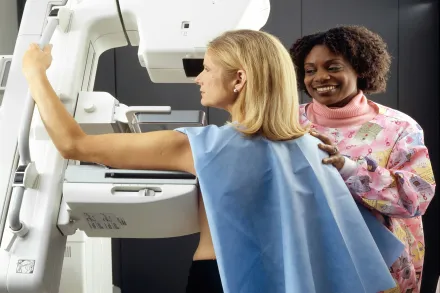
Radiology stands at a pivotal crossroads where traditional image interpretation intersects with data science, statistics, and computer vision. The infusion of machine learning into radiologic practice has shifted the emphasis from manual inspection of complex patterns to data-driven inference that can complement human expertise. This transformation arises from the recognition that medical images encode a wealth of information that can be distilled by algorithms trained on extensive corpora of annotated data. In this new era, accuracy is not mer...

Telehealth has evolved from a specialized adjunct to a mainstream modality that reshapes how chronic diseases are monitored, managed, and experienced by patients over the long arc of care. It integrates real time communication, remote data exchange, and secure, patient centered interactions to extend the reach of healthcare teams beyond the walls of traditional clinics. This transformation addresses not only the logistical barriers that patients encounter but also the broader social and behavioral dimensions of chronic disease management. By en...
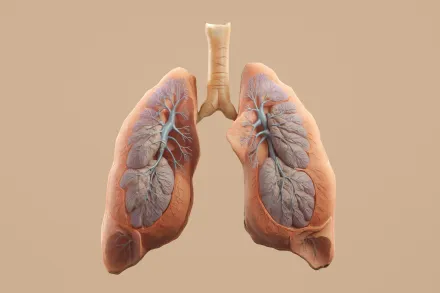
Across the world, lung diseases represent a major portion of the burden of illness, disability, and mortality. The spectrum ranges from acute infections such as pneumonia to chronic conditions like chronic obstructive pulmonary disease, interstitial lung diseases, and the many forms of lung cancer that claim lives each year. In this context, artificial intelligence has emerged as a powerful ally in the early detection, accurate interpretation, and continuous monitoring of lung health. The promise lies not only in improving diagnostic accuracy b...

Alzheimer's disease stands as one of the most formidable challenges in modern medicine, insidiously transforming memory, reasoning, and routine daily living into a progressively constrained experience. The urgency to detect the condition in its earliest stages has never been more acute, because intervening before substantial neuron loss occurs holds the promise of delaying progression, preserving independence, and extending healthy years for millions of people. Artificial intelligence emerges as a powerful ally in this quest, capable of spottin...