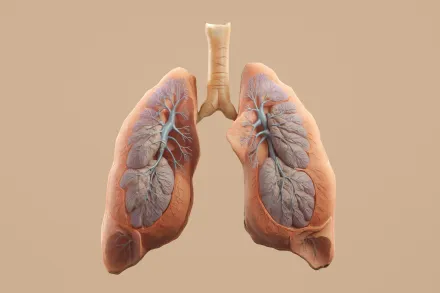
Across the world, lung diseases represent a major portion of the burden of illness, disability, and mortality. The spectrum ranges from acute infections such as pneumonia to chronic conditions like chronic obstructive pulmonary disease, interstitial lung diseases, and the many forms of lung cancer that claim lives each year. In this context, artificial intelligence has emerged as a powerful ally in the early detection, accurate interpretation, and continuous monitoring of lung health. The promise lies not only in improving diagnostic accuracy but also in expanding access to expert-level assessment in settings where radiology resources are scarce, thereby reducing delays in treatment and potentially saving lives. The fusion of imaging data with advanced learning algorithms creates a new paradigm in which machines assist clinicians by highlighting subtle patterns that may escape the unaided eye, enabling earlier intervention and better patient outcomes.
Foundations of AI in Medical Imaging for Lungs
At the core of AI in radiology is the ability to learn from large collections of medical images and associated labels to recognize patterns that correspond to disease or normal anatomy. This process begins with supervised learning, where algorithms are trained on annotated imaging data in which radiologists or other clinicians provide ground truth labels. The quality of these labels, the diversity of the data, and the balance among disease categories all influence how well an algorithm generalizes to unseen images. Deep learning, a subset of machine learning that uses multi-layer neural networks, has become the dominant approach for image analysis due to its capacity to automatically learn hierarchical representations from raw pixel data. As models become more sophisticated, they can capture complex textures, shapes, and spatial relationships within lung tissue that correlate with pathological processes such as inflammation, scarring, edema, or neoplasia.
Another crucial foundation is the process of data preprocessing and standardization. Lung images come from different scanners, protocols, and patient populations, which introduces variability that can degrade model performance. Techniques such as normalization of intensity values, alignment to standardized anatomical templates, and augmentation strategies that simulate real-world variation help models learn robust features rather than overfitting to idiosyncrasies of a particular dataset. The role of ground truth in training is pivotal; while some labels may denote the presence or absence of disease, other tasks require precise segmentation of lung regions, delineation of nodules, or mapping of lesions to stages or severity scores. These tasks demand carefully designed loss functions and evaluation strategies that reflect the clinical goals of detection, localization, and characterization.
Interpretability remains a central concern in clinical AI. Radiologists require not only a binary decision but also a rationale for why a model reached a particular conclusion. Techniques such as attention mechanisms, gradient-based saliency maps, and activation visualization help provide insight into the regions of the image that most strongly influenced the model’s prediction. While these tools do not replace expert judgment, they can foster trust, facilitate workflow integration, and reveal potential biases or failure modes. Rigorous validation in diverse populations, external datasets, and prospective studies is essential to ensure that AI tools function reliably in real-world environments and do not propagate health disparities. In this sense, AI in lung imaging is evolving as a collaborative enterprise that melds computational prowess with clinical wisdom.
Imaging Modalities and AI Techniques
Chest radiographs and computed tomography are the two principal imaging modalities where AI has made substantial inroads for detecting lung diseases. Chest X-rays are widely available, inexpensive, and serve as a first-line imaging tool. Yet their two-dimensional projection and relatively low contrast can obscure subtle pathology. AI models trained on large X-ray datasets can perform tasks such as triaging abnormal studies, flagging possible consolidations, effusions, or nodules, and estimating disease severity scores that can guide management. These capabilities are particularly valuable in high-volume settings where radiologist read times are stretched and there is a need to prioritize urgent cases for expert review.
Computed tomography offers a richer, cross-sectional view of the lungs and is often decisive in confirming diagnoses and planning treatment. CT-based AI applications include automated detection and characterization of nodules, quantification of emphysema, assessment of pulmonary fibrosis patterns, and segmentation of airway trees and lung parenchyma. Modern architectures leverage three-dimensional CNNs to exploit volumetric context, sometimes in combination with two-dimensional networks to balance computational efficiency with accuracy. Advanced approaches also integrate clinical metadata such as age, smoking history, pulmonary function test results, and laboratory values to create multi-modal models that better reflect the multifactorial nature of lung disease.
Beyond radiographs and CT, emerging modalities and techniques broaden the AI toolkit. Lung ultrasound has gained traction as a bedside modality in critical care and primary care settings; AI-assisted ultrasound analysis can help detect pleural effusions, pneumothorax, and interstitial syndrome with improved reproducibility. Magnetic resonance imaging, although less common for routine lung assessment due to technical challenges, offers potential for detailed tissue characterization in research settings and could contribute to AI-driven precision phenotyping of interstitial diseases. In all modalities, robust data handling, careful annotation, and alignment with clinical workflows determine whether these AI systems translate into real-world benefit rather than theoretical promise.
Lung Diseases and Detection Targets
The target spectrum for AI in lung imaging spans acute infectious processes, chronic degenerative conditions, and oncology. Pneumonia detection remains a high-priority task because timely identification affects antibiotic stewardship, isolation measures, and patient outcomes. AI systems can act as a second reader to reduce missed consolidations, while triage capabilities can accelerate care for deteriorating patients. Tuberculosis detection is another critical application in regions with high disease prevalence, where rapid, scalable screening can alleviate bottlenecks in diagnostic pathways. AI tools that can differentiate TB-related radiographic patterns from other infectious or inflammatory processes contribute to faster isolation decisions and more efficient use of laboratory resources.
Chronic obstructive pulmonary disease and interstitial lung diseases pose interpretive challenges that benefit from quantitative imaging biomarkers. AI can assist in measuring the extent of emphysema, identifying fibrotic patterns, and tracking progression over time. This quantitative perspective supports prognosis, guides therapy choices, and enables more precise monitoring of therapeutic responses. In the realm of oncology, AI-driven nodule detection and characterization can support early lung cancer screening programs, aiding radiologists in distinguishing malignant lesions from benign findings and estimating the likelihood of malignancy to prioritize biopsy or follow-up planning. Across these disease categories, multi-task models that simultaneously assess detection, localization, and severity hold particular promise for comprehensive lung evaluation.
Importantly, AI systems can handle multi-label and multi-class scenarios where a single scan reveals coexisting conditions. For example, a patient with a history of smoking may present with emphysema, a nodule, and mild interstitial changes on the same CT study. A robust AI model must disentangle these signals and provide independent but interconnected assessments. This necessitates careful design choices in model architecture, training objectives, and calibration to ensure that outputs remain clinically meaningful and actionable for radiologists and clinicians alike.
Deep Learning Architectures and Their Roles
Convolutional neural networks form the backbone of most contemporary lung imaging AI systems. Residual networks, dense networks, and their variants have demonstrated remarkable capability in learning hierarchical features that correlate with tissue pathology. For segmentation tasks that require outlining lung boundaries, polysemantic structures such as the lung parenchyma, airways, and lesion margins are delineated with specialized models like U-Net and its successors, which combine encoder-decoder symmetry with skip connections to preserve spatial detail. The segmentation outputs feed downstream detection and quantification modules, enabling accurate localization and measurement of disease burden.
Attention mechanisms have further enhanced model performance by allowing networks to focus on the most informative regions of an image. These mechanisms, integrated into both 2D and 3D models, help detect subtle patterns within heterogeneous lung tissue and differentiate overlapping features, such as distinguishing fibrotic patterns from normal aging changes. Transformer-based architectures, including vision transformers and their variants tailored for medical imaging, bring the advantages of global context modeling and flexible input handling to lung disease detection. Hybrid models that blend convolutional layers with attention blocks are particularly effective in balancing local detail with long-range dependencies inherent in thoracic imaging.
Another important development is the adoption of multi-modal architectures that fuse imaging data with non-imaging information. Patient demographics, clinical history, laboratory values, and functional testing can be integrated with imaging features to create richer representations of disease states. Multi-modal models can improve discrimination between similar radiographic appearances by leveraging complementary information, such as smoking duration, occupational exposures, and prior imaging trends. In clinical contexts, such integrative approaches support personalized risk assessment and tailored management plans, aligning AI outputs with the individualized nature of patient care.
Model evaluation in this domain emphasizes not only accuracy but also robustness and reliability. Techniques such as cross-validation across multiple institutions, external validation on unseen datasets, and prospective studies in clinical workflows are essential for assessing generalizability. Calibration of predicted probabilities ensures that model outputs reflect real-world frequencies, a critical property for decision-making under uncertainty. Additionally, human-centered design principles promote explainability and user-friendly interfaces that help radiologists interpret AI-generated suggestions without disrupting established workflows.
Data and Datasets
High-quality data are the lifeblood of effective AI systems in lung imaging. Public datasets such as Chest X-ray14, CheXpert, and the MIMIC-CXR collection have catalyzed research by providing large volumes of labeled radiographs with diverse patient populations. LIDC-IDRI and LUNA16 provide annotated CT scans focused on nodules and lung lesions, enabling the development of detection, segmentation, and characterization algorithms. PadChest contributes chest radiographs from a Spanish cohort with expert annotations, enriching the diversity of disease presentation and imaging protocols used in training. While these resources accelerate progress, they also introduce challenges related to label noise, annotation bias, and representativeness that researchers must address through careful data curation and validation practices.
Data heterogeneity, including differences in scanner brands, imaging protocols, and patient demographics, can influence model performance. Techniques such as domain adaptation, transfer learning, and federated learning help models maintain accuracy across sites without compromising patient privacy. Federated learning, in particular, enables institutions to train on their own data while contributing to a shared model, mitigating data sharing barriers and preserving confidentiality. Ongoing efforts aim to build large, diverse, and well-annotated multi-institutional datasets that reflect real-world clinical variability and support the development of robust, generalizable AI tools for lung disease detection.
Label quality is another critical concern. Ground truth often depends on radiologist consensus, biopsy results, pathology reports, and clinical outcomes. Ambiguities in labeling can hamper learning, so researchers employ strategies such as multiple expert adjudication, label refinement through active learning, and the use of soft labels that capture uncertainty. Furthermore, synthetic data generation and data augmentation methods expand the effective size of training sets while preserving clinically meaningful variations. Collectively, these practices help ensure that AI models experience a representative range of disease manifestations and imaging contexts during training.
Ethical and regulatory considerations intersect with data usage as well. Researchers must navigate privacy regulations, de-identification standards, and informed consent requirements. Reproducibility is aided by meticulous documentation of data provenance, preprocessing steps, and model hyperparameters. Transparency about dataset splits, performance metrics across subgroups, and potential limitations is essential to build trust among clinicians, patients, and policy makers who rely on AI-assisted lung imaging in practice.
Evaluation Metrics and Validation
Performance metrics in lung imaging AI encompass accuracy, sensitivity, specificity, area under the receiver operating characteristic curve, and precision-recall metrics. For segmentation tasks, Dice similarity coefficients and Intersection over Union quantify how well the predicted lesion or organ boundaries align with ground truth. Calibration curves and Brier scores assess the alignment between predicted probabilities and observed outcomes, informing whether a model’s risk estimates can be trusted for clinical decisions.
Validation strategies emphasize generalizability beyond the training data. External validation across diverse hospitals, patient populations, and imaging devices provides a realistic gauge of resilience. Prospective validation, in which the model is integrated into the clinical workflow and its impact on decision-making, diagnostic accuracy, and patient outcomes is the most compelling evidence for real-world utility. Metrics that capture workflow impact, such as reductions in time to report, inter-reader variability, and downstream downstream care changes, complement traditional accuracy measures and help justify deployment in routine practice.
Interpretability and trust metrics are increasingly incorporated into evaluation. Clinically meaningful explanations, such as localization maps highlighting suspicious regions, are assessed for usefulness and plausibility by radiologists. Studies examine whether explanations improve diagnostic confidence, reduce reading time, or reveal systematic biases. Ongoing research also explores the stability of model predictions under perturbations, the resilience to adversarial inputs, and the capacity of AI tools to maintain performance when confronted with rare diseases or atypical presentations. Taken together, robust evaluation frameworks ensure that AI tools for lung disease detection meet high standards of accuracy, reliability, and clinician acceptability.
Clinical Workflow Integration
AI tools are most valuable when they fit naturally into the radiology workflow rather than demanding radical changes. In the reading room, AI can function as a decision-support system that pre-annotates studies, flags findings for prioritized review, and provides quantitative metrics that radiologists can verify. This parallel processing can reduce turnaround times, mitigate fatigue, and standardize the reporting of key features such as nodule size, consolidation extent, or fibrotic burden. Implementations often include visual overlays, annotated heatmaps, and structured report templates that streamline interpretation and communication among care teams.
In emergency and triage settings, AI-powered systems can rapidly identify high-risk cases and ensure urgent studies are read promptly. For mass screening in community health programs, AI offers scalable screening that can guide referrals and follow-up testing. Despite these advantages, careful deployment is essential to avoid overreliance on automated outputs, preserve radiologist autonomy, and ensure that AI complements rather than replaces clinical judgment. Continuous monitoring of model performance in the live environment, with mechanisms for rapid updates and correction when drift or new patterns emerge, is necessary to maintain safety and efficacy over time.
Workflow integration also hinges on interoperability with hospital information systems, picture archiving and communication systems, and radiology information systems. Standardized interfaces, secure data exchange, and robust audit trails support seamless operation and regulatory compliance. Training for clinicians and technicians on how to interpret AI outputs, along with clear guidelines about the expected role of the tool, fosters adoption and minimizes misinterpretation. Ultimately, success depends on a collaborative ecosystem where AI augments human expertise and improves patient care without compromising clinical responsibility or patient privacy.
Explainability, Trust, and Safety
Explainability in lung imaging AI focuses on making decisions transparent and justifiable. Radiologists benefit from localized explanations that indicate which regions of a scan contributed to a given assessment, enabling them to confirm or question the model’s reasoning. This fosters confidence and helps identify potential failure cases, such as imaging artifacts or rare disease patterns that the model may misinterpret. It is important to recognize that explanations are aids to human decision-making, not substitutes for clinical reasoning, and must be interpreted in the context of the patient’s history and other diagnostic information.
Safety considerations include addressing biases that may arise from underrepresented populations in training data. If an AI model performs differently across age groups, sexes, ethnic backgrounds, or geographic regions, clinical decisions based on its output could inadvertently widen health disparities. Researchers and clinicians must actively seek out and mitigate these biases through diverse data collection, subgroup analyses, and performance reporting that disaggregates results by relevant patient characteristics. Robust monitoring for drift—the degradation of model performance over time due to evolving imaging practices or disease prevalence—is essential to maintain reliability in dynamic clinical environments.
Regulatory oversight ensures that AI-based diagnostic tools meet established standards before widespread use. This encompasses validation requirements, traceability of model development, post-market surveillance plans, and mechanisms for updates when clinical knowledge evolves. Data privacy and patient consent are integral to all stages of AI development and deployment. Federated learning, de-identification protocols, and secure data handling practices help protect patient information while enabling collaborative advances across institutions. Together, these elements contribute to safer, more trustworthy AI systems that support clinicians in delivering high-quality care to patients with lung disease.
Regulatory, Privacy, and Ethical Considerations
The regulatory landscape for AI in medical imaging varies by region but consistently emphasizes safety, effectiveness, and accountability. In many jurisdictions, software as a medical device requires rigorous demonstration of diagnostic performance, clear risk classifications, and human oversight. Developers pursue regulatory clearance through phased submissions that include retrospective validation, prospective studies, and real-world performance data. These processes aim to ensure that AI tools behave predictably across patient groups and clinical settings, with explicit claims about their intended use and limitations.
Privacy protections are central to data sharing and collaborative AI development. Laws governing patient health information impose strict requirements for data minimization, secure storage, access controls, and auditability. Techniques such as de-identification, anonymization, and privacy-preserving machine learning approaches help balance the benefits of large datasets with the obligation to protect patient confidentiality. Ethical considerations extend to transparency about data sources, potential conflicts of interest, and the equitable distribution of AI benefits, ensuring that improvements in diagnostic capabilities reach underserved communities as well as well-resourced centers.
In practice, ethical AI for lung imaging also entails continuous engagement with clinicians, patients, and regulators to align technology with patient-centered values. Issues such as consent for data use, the potential impact on radiologist training and employment, and the responsibility for AI-driven decisions must be addressed through governance frameworks that include multidisciplinary input. By combining rigorous validation, privacy safeguards, and ethical stewardship, the field can foster AI solutions that enhance lung disease detection while respecting patient rights and medical standards.
Future Directions and Challenges
Looking ahead, the field of AI in detecting lung diseases is poised for further advances driven by improvements in data diversity, model architectures, and clinical integration. Multi-task learning aims to build models capable of detecting multiple diseases, localizing lesions, and quantifying disease burden within a single framework. This approach mirrors the real-world scenario where patients may harbor several coexisting conditions, and efficient, holistic assessment is clinically valuable. Researchers are also exploring continuous learning paradigms that allow AI systems to adapt to new data streams without compromising safety or stability, a feature essential in rapidly changing clinical landscapes or in the face of emerging pathogens.
Multi-modal AI that fuses imaging with electronic health records, genomics, proteomics, and environmental exposure data has the potential to reveal deeper insights into disease mechanisms and individual risk profiles. Such integration can support personalized screening strategies, targeted interventions, and precision medicine in pulmonology. On the technical front, computational efficiency remains a consideration, particularly for deployment in resource-limited settings or on portable devices in the field. Models that deliver robust performance with lower computational footprint will enable point-of-care use, telemedicine support, and scalable public health applications.
Another frontier involves robust external validation across diverse populations and healthcare systems. Establishing standardized benchmarks, reporting guidelines, and reproducible research practices will facilitate fair comparisons and accelerate translation from research to routine care. As AI becomes more embedded in clinical practice, the emphasis will shift toward ensuring that these tools complement human expertise, enhance diagnostic confidence, and improve patient outcomes without introducing new risks or disparities. In this evolving landscape, ongoing collaboration among data scientists, radiologists, clinicians, patients, and policymakers will be essential to realize the full promise of AI in detecting and characterizing lung diseases.
Case Studies and Real-World Deployments
Several institutions have demonstrated the practical value of AI-assisted lung imaging in real-world settings. In tertiary care centers, AI systems integrated with the radiology workflow have shown reductions in report turnaround time and improved detection rates for subtle nodules and early consolidations. In community hospitals, AI triage tools have helped prioritize urgent cases, enabling faster clinical decision-making and timely initiation of treatment. Large-scale screening programs for lung cancer and infectious diseases have benefited from AI-based pre-screening that reduces the number of radiographs requiring human review while maintaining high sensitivity for clinically meaningful findings. These deployments illustrate how AI can operate in concert with clinicians to improve efficiency, accuracy, and patient access to care.
Nevertheless, real-world experiences also reveal challenges. Data heterogeneity across sites can lead to performance gaps if models are not adequately validated in local populations. False positives may drive unnecessary follow-up testing, contributing to patient anxiety and resource use if not carefully managed. Continuous learning processes must be coupled with monitoring to prevent drift and to ensure that updates reflect current clinical practice. The most successful implementations emphasize strong governance, clear accountability, and ongoing education so that AI complements clinical skills rather than supplanting them.
In the near term, AI in detecting lung diseases is likely to become an essential component of lung health programs, enabling more effective screening, earlier intervention, and more precise disease monitoring. The collaborators among radiologists, pulmonologists, data scientists, and health system leaders will shape a future in which diagnostic precision coexists with compassion, equity, and patient-centered care. This shared trajectory holds the promise of reducing the global burden of lung disease by combining human expertise with intelligent systems that extend the reach of expert interpretation to patients everywhere.
As research advances, education and training will also adapt. Medical curricula will incorporate AI literacy, teaching clinicians how to interpret model outputs, evaluate evidence, and engage in collaborative problem solving with intelligent systems. Continuous professional development will emphasize familiarity with performance metrics, bias detection, and the ethical dimensions of AI use in imaging. By investing in people and processes alongside technology, healthcare systems can maximize the benefits of AI for detecting lung diseases while safeguarding patient safety, privacy, and dignity. This holistic approach is the key to translating algorithmic gains into tangible improvements in lung health for diverse populations across the globe.