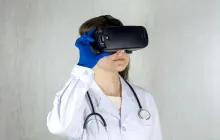
The Landscape of Telemedicine in Mental Health
In recent years telemedicine has moved from a peripheral option to a central channel through which mental health therapy is delivered to diverse communities. This shift has been shaped by advances in secure video platforms, changes in policy that broadened access to remote care, and a growing recognition that therapy is fundamentally about connection rather than location. Therapists now navigate a landscape where digital channels are treated as legitimate spaces for therapeutic work, requiring the same attention to boundaries, consent, and ethical practice that govern in person sessions. The result is a broader ecosystem where practitioners blend traditional listening with digital literacy, ensuring that the core aims of therapy remain intact while the modalities expand access and convenience for clients facing time constraints, transportation barriers, or caregiving responsibilities that previously limited participation.
At the core of telemedicine in mental health lies the idea that therapy is a process of listening, understanding, and guiding change, not a series of physical encounters. Clinicians recognize that the therapeutic alliance can flourish through careful attention to verbal and nonverbal cues, whether conveyed through a webcam or through a phone call when video is not feasible. This understanding has spurred the development of best practices that prioritize safety, confidentiality, and the ethics of care in digital environments. A well designed teletherapy practice seeks to replicate the warmth, attentiveness, and structure of in person work while leveraging the flexibility that remote contact affords to sustain engagement and progress across diverse client journeys.
As the field evolves, telemedicine is increasingly embedded within a broader continuum of care that integrates digital tools with human expertise. This means therapists pair sessions with digital homework, mood tracking, and asynchronous communication that supports ongoing reflection between visits. The fusion of live therapy with digital companion supports enables a more responsive and personalized experience, particularly for clients who manage fluctuating symptoms or who benefit from frequent but shorter touchpoints. The landscape is neither a replacement for traditional methods nor a one size fits all solution; it is a dynamic approach that honors individual preferences while maintaining clinical rigor and safety.
From a systems perspective telemedicine has accelerated the ability of clinics to scale services without compromising quality. Providers can extend outreach to rural areas where access to specialists is limited, connect with populations that face stigma around visiting a mental health clinic, and collaborate across multidisciplinary teams with ease. The result is a more inclusive framework in which people who previously felt unheard or unseen can access care that respects their cultural background, language, and personal pace. As telemedicine continues to mature, ethical guidelines and professional standards keep pace, emphasizing client autonomy, informed consent, and transparent communication about what teletherapy can and cannot address.
In addition to clinical considerations, the landscape is shaped by practical realities such as scheduling flexibility, platform reliability, and data security. Therapists must evaluate the technical ecosystems they rely on, ensuring that sessions remain private in varied home environments and that clients understand how their information is stored and used. The ongoing dialogue about best practices in telemedicine invites clinicians to continually refine their approach, balancing the immediacy and intimacy of a real time session with the potential benefits of asynchronous check ins and digital supports that complement traditional therapy rather than replace it.
A growing body of research underscores the effectiveness of telemedicine for a wide range of mental health concerns, from anxiety and depression to trauma and complex mood disorders. Yet the data also highlight the importance of matching modality to client needs, ensuring that remote care does not become a mandate but a choice aligned with therapeutic goals and safety considerations. Clinicians are increasingly trained to assess factors such as symptom severity, risk, social support, and technological access to determine the most appropriate pathway for each person. This nuanced approach respects diversity while upholding a commitment to evidence informed practice and ethical care in a digital age.
For policymakers, telemedicine represents an opportunity to redesign care delivery with the patient at the center. Efforts to expand reimbursement, streamline cross jurisdiction licensing, and safeguard privacy reflect a collective ambition to democratize mental health care. These shifts influence how clinics plan outreach, how clinicians document sessions, and how communities understand the value of ongoing therapy as a resource for resilience rather than a luxury. The evolving landscape invites ongoing collaboration among clinicians, researchers, administrators, and patients to ensure telemedicine remains a reliable, humane, and evidence based option within a holistic mental health system.
In the midst of rapid change, therapists must remain vigilant about the human core of their work. Telemedicine does not erase vulnerability or complexity; it reframes them within a different space. The emphasis on listening, witnessing, and guiding growth remains, while the tools and settings may differ. By embracing thoughtful boundary setting, transparent disclosures about limits and capabilities, and a commitment to cultural humility, telemedicine can preserve the therapeutic relationship as a stable anchor even as technology expands the reach of care beyond traditional clinic walls.
As technology becomes more integrated into daily life, clinicians increasingly consider how telemedicine can support preventive care and early intervention. Routine screeners, digital check ins, and psychoeducation can be delivered asynchronously in ways that empower clients to engage with therapy before crises emerge. This proactive stance aligns with a broader shift in mental health toward resilience building and self management, where digital tools serve as allies rather than mere delivery channels. By embedding telemedicine within a comprehensive care plan, therapists can create more continuous, responsive, and person centered pathways toward well being that adapt to evolving life circumstances.
The human factors that make therapy effective—trust, empathy, and a shared sense of purpose—are not bound to a physical room. Telemedicine invites clinicians to cultivate presence in new ways, using steady pace, reflective listening, and clear framing of goals to foster connection. When applied with sensitivity to privacy, technological competence, and ethical boundaries, teletherapy can become a powerful modality that honors the dignity and autonomy of clients while expanding opportunities for healing and growth across diverse contexts and life stages.
Accessibility and Reach
One of the most tangible advantages of telemedicine in mental health is its potential to reach people who would otherwise face barriers to care. Geographic isolation, transportation challenges, and limited provider availability are transformed into opportunities for connection when sessions can be held over secure video or phone lines. For someone living in a rural town, a teletherapy appointment might mean access to a clinician with specialized expertise that would not be available locally. For a busy parent juggling work, childcare, and self care, the ability to schedule a session in the evening or on weekends can be the difference between attending therapy and dropping out due to time conflicts. Language access improves when clinics partner with interpreters and bilingual providers, expanding the pool of professionals who can support clients in their native languages, and digital platforms can host on demand resources written in multiple languages to supplement live sessions. In such configurations, telemedicine becomes a bridge that connects individual needs with appropriate therapeutic expertise, reducing both physical distance and the social distance created by stigma and logistical strain.
Beyond geographic reach, telemedicine often helps address disparities linked to socioeconomic status and disability. Even when internet access is imperfect, some clients can participate through audio only sessions that still preserve key elements of therapy. For others, asynchronous content such as secure messaging or digital worksheets can accompany live sessions, reinforcing learning and practice between visits. Clinics increasingly invest in user friendly interfaces, tutorials, and technical support so that clients who are less familiar with technology feel empowered rather than overwhelmed. The cumulative effect is a more inclusive system in which people who carry the weight of inequity can access mental health care with dignity and consistency, regardless of where they live or how much income they earn.
Accessibility also encompasses age related considerations. Children and adolescents may respond differently to virtual formats than adults, and telemedicine provides opportunities to engage family members in a controlled, goal oriented way. For older adults or clients with mobility restrictions, teletherapy reduces the burden of travel and can be paired with home based safety checks or caregiver involvement under appropriate consent. The flexible nature of remote care invites clinicians to tailor the environment, session length, and modalities to fit individual preferences, thereby supporting adherence and reducing early terminations that can undermine therapeutic momentum.
Educational and community settings can also benefit from telemedicine by facilitating collaborative care models. School based or community health programs may connect clients with remote clinicians who specialize in adolescent development, sleep disorders, or trauma responsive care. When telemedicine is integrated with local supports, clients gain a coherent network that honors their cultural values and personal stories while providing evidence informed interventions. The enlarging circle of access helps normalize therapy as a practical resource rather than a distant or intimidating process, reinforcing the message that mental health care is attainable and necessary for ongoing life satisfaction and resilience.
In practice, expanding reach requires careful planning and ongoing evaluation. Clinicians monitor attendance rates, engagement quality, and outcomes across diverse populations to identify gaps and opportunities for improvement. Telemedicine programs often evolve through iterations informed by client feedback, safety incidents, and emerging research. The result is a living system that adapts to changing needs, ensuring that accessibility remains a central pillar of how mental health therapy is delivered in a world where digital channels are now part of everyday life.
For many clients, telemedicine reduces the stigma associated with seeking help. Access from the privacy of a familiar environment can lower the barrier to disclosure and encourage honesty about feelings that might be hard to articulate in a traditional clinic setting. When clients can choose a space that feels safe and private, they are more likely to engage openly, build trust with their therapist, and participate actively in the therapeutic process. This sense of safety is a fundamental ingredient in successful therapy, and telemedicine contributes to it by offering options that align with personal circumstances while maintaining professional standards and privacy protections.
The reach of telemedicine also extends to marginalized communities whose life experiences may be overshadowed by systemic barriers. Culturally competent care becomes more attainable when clinicians receive training on delivering services across cultural lines and when digital platforms provide language appropriate resources. By meeting clients where they are, telemedicine helps democratize access to mental health support. This democratization is not merely about proximity; it is about recognizing the legitimacy of diverse experiences and tailoring care to honor those experiences with sensitivity and technical reliability. In this way the accessibility gains are inseparable from the ethical commitments that guide responsible clinical practice in the digital era.
In terms of public health impact, expanded telemedicine access can contribute to early detection and intervention for mental health concerns. When communities have easier access to screening and brief interventions, instances of worsening symptoms can be averted, and people can be guided toward appropriate services sooner. Telemedicine thus acts as a frontline in the broader matrix of mental health care, supporting not only ongoing therapy but also coordination with medical providers, social services, and crisis response systems when needed. This integrative potential strengthens the overall resilience of communities by connecting individuals with a continuum of care that aligns with their life realities and preferences.
From a patient perspective the experience of telemedicine is often shaped by the quality of the digital interface. A smooth, intuitive platform can reduce cognitive load during sessions, leaving more room for reflection, emotion processing, and cognitive work. Conversely, a clunky or unstable connection can disrupt the therapeutic flow, generating frustration or anxiety that complicates the treatment process. Clinicians respond by choosing platforms with strong security, straightforward user experience, and reliable support. They also establish clear protocols for what clients should do if a connection is interrupted, ensuring safety and continuity regardless of technological hiccups. Through thoughtful design and proactive communication, the accessibility gains of telemedicine can be matched by consistent session quality that clients can depend on week after week.
Continuity of Care and Scheduling Flexibility
Continuity is a central goal of mental health therapy, and telemedicine markedly enhances the ability to maintain consistent engagement across fluctuating life circumstances. For many clients, the ability to schedule a session with short notice during a work break or between caregiving duties reduces the risk of missing appointments. Over time this flexibility compounds into greater therapeutic momentum, as regular contact reinforces learning, practice, and accountability. Therapists can also offer shorter check ins or more frequent but briefer sessions that adapt to a client’s symptom trajectory, enabling rapid adjustment of therapeutic focus without sacrificing depth or safety. This dynamic approach helps sustain progress when life events create turbulence, making therapy a reliable anchor rather than a fragile arrangement that dissolves under pressure.
Flexible scheduling also matters in crisis prevention and early intervention. When clinicians can quickly arrange a same day or next day session, clients experiencing acute distress can access timely support that may prevent escalation. Telemedicine platforms frequently incorporate safety planning tools and risk assessment workflows that enable clinicians to respond with appropriate urgency while keeping the client informed and involved. The combination of accessible timing and structured safety protocols contributes to a care environment in which clients feel seen and protected, reinforcing trust and willingness to engage in meaningful therapeutic work even during challenging periods.
Sequence and cadence are other aspects of continuity that telemedicine enables. Therapists can maintain a consistent weekly rhythm while accommodating client availability by offering varied session lengths or asynchronous follow ups. This preserves the coherence of the therapeutic plan, ensuring that the overall direction remains intact while allowing the format to flex in response to changes in symptom severity, seasonal patterns, or personal obligations. When clients experience improved stability, clinicians can adjust the pacing to consolidate gains and gradually increase the complexity of interventions, always in collaboration with the client and with consent for any modification to the treatment plan.
From the administrative side, telemedicine reduces some logistical burdens that previously disrupted continuity. Fewer missed appointments translate into more stable caseloads, more efficient use of clinician time, and potentially lower overhead costs for clinics. This efficiency can enable clinicians to allocate more time to direct patient care and invest in ongoing professional development focused on telepsychiatry and telepsychology best practices. Clients benefit from a system that respects their time and their commitment to growth, while clinicians benefit from a more predictable and sustainable workflow that supports high quality care over the long term.
Continuity in telemedicine also hinges on clear communication about boundaries, expectations, and the structure of sessions. Clinicians articulate guiding principles around session length, emergency protocols, and the use of digital tools between visits. Clients gain a sense of security when they know what to anticipate and how the therapeutic relationship will evolve in a remote setting. This transparency sustains engagement and fosters a sense of partnership, which is essential for effective therapy. When continuity is well managed, telemedicine not only preserves but enhances the emotional safety necessary for clients to explore difficult topics and to apply therapeutic insights in daily life.
Another element of continuity is the integration of telemedicine with a broader network of care. Remote therapy often exists within a mosaic that includes primary care, psychiatry, social work, and family services. Coordinated scheduling, shared care plans, and mutual alerts when a client’s status changes help reduce fragmentation and duplicate efforts. Effective telemedicine programs cultivate warm handoffs between providers, secure information sharing, and adherence to privacy standards that protect client confidentiality while enabling collaborative care. This interconnected approach makes therapy more resilient, ensuring that abrupt life transitions, such as relocation or changes in insurance coverage, do not disrupt the therapeutic process but instead provoke thoughtful adjustments that sustain progress.
The emotional and cognitive load of managing a chronic mental health condition can be amplified by logistical stressors, and telemedicine can help offset these burdens. By offering a reliable channel for ongoing dialogue, remote therapy reduces the cognitive load associated with commuting, waiting rooms, and lengthy intake procedures. Clients can participate with fewer distractions and greater focus when they are in familiar environments. This calmer setting often enhances the therapeutic alliance, making it easier to articulate emotions, reflect on patterns, and practice new coping strategies under real world conditions. The cumulative effect is a more humane and sustainable mode of care that aligns with the realities of modern life while preserving the core aims of psychotherapy.
In practice continuity also depends on the clinician’s ability to monitor engagement and adapt as needed. Regular check ins to assess mood, sleep quality, and functioning can be conducted through secure messaging, brief questionnaires, or brief video touchpoints. These digital check ins complement weekly sessions and provide timely data to guide treatment planning. When clients feel supported between sessions, they maintain a sense of progress and are more likely to stay connected to the therapeutic process. Telemedicine thus becomes a living, responsive system that keeps therapeutic work active even during periods when life circumstances contribute to volatility in mood or behavior.
Quality assurance in telemedicine includes ongoing training in digital competencies, cultural sensitivity, and crisis management. Clinicians engage in professional development that focuses on optimizing telepresence, interpreting nonverbal cues through a screen, and managing potential distractions in the client’s environment. They also learn to recognize signs that indicate the need for higher levels of care, such as acute risk or deteriorating functioning, and to coordinate timely referrals. Through these processes continuity is sustained not merely by scheduling and technology, but by a deep commitment to patient safety, ethical practice, and the enduring value of the therapeutic relationship.
From the client’s perspective continuity means consistency of experience and a sense that therapy is a stable partner in life’s journey. When sessions occur regularly, clients build routines that reinforce new skills and insights. Telemedicine makes it easier to keep these habits intact amidst the ebb and flow of daily life, which in turn supports longer-term resilience. While challenges such as technology glitches or privacy concerns can arise, the professional response that integrates problem solving, reassurance, and practical adjustments reinforces trust and confidence in the therapeutic process. With thoughtful implementation, telemedicine can become a dependable backbone for sustained mental health care that clients can rely on, trend lines illustrating gradual improvement rather than abrupt shifts in engagement or access.
The role of the clinician in ensuring continuity extends into the ethical domain, where consent, boundaries, and confidentiality remain central. Regular reminders about privacy measures, secure connections, and client rights help solidify a sense of safety in the digital space. When therapists model transparency about how information is handled and how emergencies are addressed, clients feel empowered to participate more fully in their treatment. The ethical frame accompanies every scheduling choice, every modality decision, and every conversation about risk, ensuring that continuity is not an accident but a deliberate practice anchored in professional responsibility and compassionate care.
As telemedicine becomes more embedded in standard care, clinics increasingly design protocols that blend personal warmth with technological reliability. A well executed teletherapy program recognizes that technology is a tool that can either amplify or hinder the therapeutic process. When employed with care, it expands opportunities for expression, accelerates access to resources, and sustains engagement through the inevitable challenges of living with mental health concerns. The result is a more responsive, patient centered system where clients experience consistent support, meaningful progress, and renewed confidence in their capacity to heal and grow.
Ultimately continuity in telemedicine is about creating a trustworthy space in which clients feel seen, heard, and validated over time. It is about keeping the door open for honest dialogue, ensuring safety during moments of crisis, and honoring each person’s unique path toward well being. Telemedicine supports this by offering flexible scheduling, diverse modalities, and integrated care practices that collectively reinforce the reliability and humanity of mental health therapy in a digital era. In such an environment therapy remains a durable resource—a steady companion that travels with the client wherever life leads and adapts to changing circumstances without losing its essential purpose and care.
Therapeutic Modalities Adapted to Digital Spaces
Digital platforms have not replaced the core therapies themselves; they have reshaped how these therapies are delivered and reinforced between sessions. Cognitive behavioral therapy can be conducted effectively through secure video sessions supplemented by digital worksheets, interactive modules, and real time feedback that clients use during practice assignments. Behavioral activation efforts become more practical when clients receive prompts, track activities, and report outcomes through a familiar interface, enabling therapists to fine tune activity plans with precision. The adaptability of these modalities to online settings preserves their foundations in empirical evidence while expanding the toolkit available to clinicians and clients alike.
Acceptance and commitment therapy translates smoothly into virtual exchanges because its emphasis on values guided action can be practiced through guided exercises, values clarification tasks, and mindfulness practices that clients perform in their own spaces. Telemedicine supports this by offering flexible pacing and ongoing check ins that help clients notice barriers, identify avoidance patterns, and cultivate willingness to engage with uncomfortable experiences. The digital environment can also provide cues for practice, such as ambient reminder prompts or timed intervals that encourage consistent behavior change, all of which reinforce the therapeutic process without sacrificing depth or empathy.
Trauma informed approaches retain their essential priority of safety and stability, and telemedicine offers a structured way to implement grounding techniques, resource development, and slow paced exposure when appropriate. Therapists can guide clients through sensory awareness exercises in real time, while providing a sense of control by inviting decisions about pacing and disclosure. The privacy of a client’s home can be leveraged to create a sense of safety, particularly when clinicians collaboratively establish a crisis plan, coping strategies, and a flexible framework for processing difficult memories. In practice this approach harmonizes evidence based practice with the realities of a remote setting to support healing while honoring individual readiness and boundaries.
Psychodynamic therapy in a digital format emphasizes depth of exploration, the nuances of transference, and the interpretive process that unfolds through careful listening and reflective attunement. Telemedicine allows therapists to maintain a patient centered stance while using the screen as a mirror for relational patterns that emerge during sessions. The absence of a shared physical space does not diminish the opportunity to experience countertransference, to observe nonverbal cues through facial expressions, posture, and tone, or to gently challenge maladaptive meanings in a manner that preserves safety and rapport. With skilled facilitation the classical aims of psychodynamic inquiry can unfold with integrity within a virtual frame.
Mindfulness based interventions find a natural home in telemedicine as well, with guided meditations, body scans, and breathing exercises delivered through the audio landscape of a session. Clients can practice techniques in their own environments between visits and report how the techniques affect their mood, sleep, and stress levels. Telemedicine makes it easier to normalize meditation as a practical habit rather than an abstract ideal, while therapists tailor practices to cultural preferences and personal comfort. The adaptability of mindfulness to remote delivery supports a holistic approach to mental health that integrates mental, emotional, and somatic experiences in a seamless, client centered way.
Family systems therapy benefits from telemedicine by enabling convenient family participation in real time. When appropriate, caregivers and loved ones can join the session or contribute to planning between visits through secure messaging and collaborative documents. This extended network of support can reinforce skills learned in therapy, align family expectations, and reduce relational stress by improving communication patterns. The digital space thus becomes a platform not only for individual insight but also for shared understanding and coordinated care, with attention to consent, boundaries, and privacy for all participants involved in the process.
Interpersonal therapy, focusing on current relationships and social functioning, is well suited to video formats that simulate the immediacy of in person conversations. Therapists guide clients through the exploration of interactions, attachment needs, and communication strategies while clients observe and practice new ways of relating. The ability to review conversations, revisit specific moments, and rehearse responses between sessions adds a practical dimension that can accelerate learning and improve relationship skills in real life. The telemedicine setting thus supports a more experiential, practice oriented form of therapy that extends beyond the confines of a weekly meeting.
When clinicians integrate digital tools with therapy, pharmacological care often becomes a coordinated companion to talk therapy. Telepsychiatry offers convenient access to psychiatrists who can assess medications, monitor side effects, and adjust regimens as needed, while therapists focus on behavioral and emotional work. This collaborative approach requires secure data sharing, clear boundaries about the roles of each professional, and careful attention to potential conflicts of interest. Clients benefit from timely medication management that aligns with their therapy goals, reducing delays in care and facilitating a smoother path toward symptom relief and functional recovery.
In addition to synchronous sessions, asynchronous modalities contribute to the depth of digital therapy. Clients may send reflective journaling, mood logs, or symptom check ins between appointments, and clinicians respond with feedback, prompts, or tailored exercises. This ongoing dialogue helps maintain momentum and provides a sense of ongoing support, even when live sessions are not immediately possible. The asynchronous channel complements real time therapy by enabling more thorough processing, reinforcing learning, and enabling caregivers or family members to participate in a measured and appropriate way when consent has been established. The result is a richer, more integrated therapeutic experience that respects client preferences for pace and modality.
Telemedicine platforms also facilitate the use of digital assessments that supplement traditional clinical interviews. Standardized questionnaires, validated scales, and functional measures can be administered online with automated scoring and secure data storage. Clinicians can track trends over time, alert supervisors to concerning changes, and tailor intervention strategies based on objective data as well as subjective reports. This data driven approach enhances clinical decision making while preserving the human element of care, ensuring that numerical scores are translated into meaningful conversations about pain, distress, and life goals rather than being treated as mere numbers.
With the expansion of virtual care social and behavioral health professionals increasingly incorporate interactive psychoeducation modules that clients can engage with at their own pace. These modules cover topics such as stress management, coping skills, sleep hygiene, and resilience strategies, providing a foundation for therapeutic work and empowering clients to take an active role in their healing. When combined with therapist guidance, these resources support a more autonomous form of recovery, enabling clients to internalize new patterns and apply them in daily life with confidence and clarity. The digital ecosystem thus becomes a comprehensive learning environment where theory and practice intersect in meaningful ways.
Telemedicine also opens up opportunities for innovative supports such as crisis response tools, safety planning templates, and location aware resources that help clients navigate stressors in real time. Clinicians collaborate with clients to develop personalized plans that specify coping steps, emergency contacts, and environmental adjustments that reduce risk and promote safety. The digital medium makes it possible to store these plans securely, reference them during moments of distress, and update them as needed in response to changing circumstances. This level of preparedness contributes to a sense of mastery and reduces the sense of helplessness that can accompany acute mental health crises.
In sum, the repertoire of therapeutic modalities adaptable to digital spaces is broad and continually expanding. The core elements of evidence based practice—clear goals, alliance building, ongoing assessment, and skillful intervention—remain constant. Telemedicine simply provides additional channels through which these elements can be delivered, enriched by asynchronous tools, scalable supervision, and collaborative care networks. As clinicians gain experience with virtual work, they refine their approach to preserve the integrity of therapy while embracing the flexibility, accessibility, and personalization that digital platforms uniquely offer. The ultimate aim remains the same: to support clients in understanding themselves better, reducing distress, and moving toward lives characterized by greater balance and purpose.
Transparency about what telemedicine can achieve is essential. Clients benefit from honest conversations about the limits of remote therapy, including the handling of emergencies and when a higher level of care may be necessary. Thorough informed consent processes educate clients about data privacy, platform features, and the expectations for engagement. This clarity helps establish trust and reduces the likelihood of misunderstandings that could erode the therapeutic relationship. When clients feel informed, respected, and protected, they are more likely to engage fully, disclose important information, and participate in the collaborative work that drives meaningful change.
Therapists also consider how the digital format may influence the pace and tone of sessions. For some clients a calmer, more deliberate tempo may be beneficial, while others may respond to a brisk, solution focused approach. The flexibility of telemedicine supports these stylistic adjustments without compromising ethical standards or clinical effectiveness. Clinicians attend to their own well being and practice life balance too, recognizing that the quality of attention provided in sessions is partly dependent on the clinician’s physical and emotional energy. Sustainable teletherapy rests on mindful practice, appropriate caseloads, and ongoing supervision that maintains professional vitality and patient safety.
Accessibility of training and professional development in telemedicine is a growing priority within the field. Practitioners seek out coursework that hones telepresence, ethical decision making in digital contexts, and strategies for managing complex cases online. Training also emphasizes cultural humility, recognizing that digital care crosses borders and intersects with diverse belief systems, family structures, and societal norms. By cultivating a diverse skill set, clinicians can meet clients where they are with sensitivity and competence, which strengthens the therapeutic alliance and enhances outcomes across populations and settings.
Technological innovation continues to shape the future of telemedicine in mental health. Emerging advances include enhanced audiovisual fidelity that captures subtle cues, adaptive interfaces that tailor content to individual learning styles, and secure integration with wearable devices that monitor sleep, activity, and physiological arousal. While these tools hold promise, clinicians emphasize that technology must serve human connection rather than overshadow it. The most impactful teletherapy practice will balance sophisticated digital capabilities with deep empathy, ethical stewardship, and a commitment to adapt to the evolving needs and preferences of clients while preserving the therapeutic essence of care.
Ultimately telemedicine in mental health therapy represents a courageous reimagining of how care is delivered. It preserves the sacred spaces of listening and growth while inviting new methods, partners, and formats into the therapeutic process. Clients gain access to skilled clinicians who understand their lived experience and can respond with skill and warmth even when separated by screens. Therapists gain flexibility, professional resilience, and opportunities to innovate in ways that retain core clinical principles. The result is a mental health care system that is more responsive, more humane, and better attuned to the realities of a digitally connected world.
From practical articulation of goals to the subtle choreography of a therapeutic conversation, telemedicine centers the client’s experience while expanding the possibilities of care. It invites ongoing collaboration, continuous learning, and a shared commitment to well being that endures beyond any single session or modality. This evolving practice holds the potential to transform not only how therapy is delivered, but how individuals understand themselves, how families navigate challenges, and how communities cultivate resilience in the face of collective stress. The journey of telemedicine in mental health therapy is one of adaptation and care, where technology supports humanity rather than eclipsing it, and where every session is a step toward better understanding, healing, and growth.
Privacy, Security, and Trust in Teletherapy
Privacy and security are foundational to the trust that underpins effective therapeutic work in any setting, and telemedicine intensifies the need for rigorous safeguards. Clinicians prioritize encrypted communications, secure storage of records, and robust access controls to minimize the risk of unauthorized disclosure. Clients deserve clear explanations about how their information is protected, the limits of privacy in digital environments, and the procedures in place for handling data breaches or technical failures. By establishing transparent practices and inviting informed consent, therapists foster a sense of safety that supports openness and therapeutic risk taking.
Trust in remote therapy also hinges on reliable platform performance. A stable connection reduces interruptions, preserves the flow of conversation, and allows clients to engage with emotional content without disruption. Clinicians collaborate with technology teams to ensure high availability, user friendly interfaces, and responsive technical support. When clients experience technical reliability alongside sensitive and empathic communication, the digital space becomes a secure place for exploration, healing, and growth. Trust is built not only through policy and procedure but through consistent demonstrations of competence, confidentiality, and respect for client autonomy.
Another dimension of privacy concerns involves the home environment. Clients may worry about who overhears conversations or how their private life appears on screen. Clinicians address these concerns by discussing the importance of choosing private spaces, using headphones, and scheduling sessions during times when privacy is more feasible. They also explore practical steps such as muting audio during waiting periods, using client controlled backgrounds, and ensuring that screen sharing or notes do not expose sensitive information unintentionally. These concrete measures empower clients to participate in therapy with greater confidence about their surroundings and the boundaries of the remote relationship.
Consent processes in teletherapy must reflect the realities of digital care. In addition to standard consent for treatment, clinicians obtain explicit consent for telemedicine modalities, data collection, and any recording practices if applicable. They discuss who may be present during the session, how session notes are stored, and how information may be shared with other health professionals with the client’s permission. Clear consent helps prevent misunderstandings, ensures that clients retain agency over their care, and establishes a shared framework that supports ethical decision making in every session. This collaborative approach reinforces empowerment and respect within the therapeutic alliance.
Disclosure and boundaries take on specific nuances in telemedicine. Therapists navigate the potential for blurred lines when work intersects with personal spaces or social platforms. They maintain professional boundaries by adhering to defined schedules, limiting non therapeutic communications to appropriate channels, and refraining from sharing personal information beyond what is therapeutically relevant. By modeling boundary wellness, clinicians demonstrate to clients how to sustain healthy relational dynamics both inside and outside of therapy, reinforcing a sense of structure and predictability that supports psychological safety and trust.
In crisis situations privacy considerations become even more critical. Clinicians have established protocols for risk assessment, safety planning, and emergency referrals that respect client confidentiality while ensuring timely and appropriate intervention. They clarify how imminent risk is managed and what information may need to be disclosed to caregivers or local emergency services to protect life. Clients understand that in digital care, safety protocols are as concrete and reliable as any in person plan, and that the intention behind these protocols is to maintain trust and reduce harm while preserving autonomy as much as possible.
Security audits, compliance with professional standards, and adherence to legal regulations across jurisdictions are ongoing commitments in telemedicine. Clinicians stay informed about evolving laws, technology controls, and industry best practices to minimize risk and protect client rights. Regular training, supervision, and quality assurance measures help maintain high levels of privacy, security, and ethical integrity. When clients perceive this level of professional vigilance, they feel reassured that their well being is the priority and that their sensitive information is treated with the highest care and respect.
Trust in teletherapy is ultimately built through the daily practice of listening, empathy, and competence. Clients notice whether therapists listen attentively, acknowledge difficult emotions, and translate insights into practical guidance within the digital format. They also observe how clinicians handle questions about privacy and technology, how they respond to concerns, and how consistently they follow through on commitments. Over time these interpersonal experiences form a durable sense of safety that makes telemedicine a credible, respectful, and effective vehicle for mental health care, enabling clients to engage more fully, disclose more honestly, and invest in lasting personal change.
Alongside professional trust, public trust in telemedicine benefits from transparent communication about data practices, user rights, and platform security. When clinics publish clear policies and offer accessible explanations, communities grow more comfortable embracing digital care as a legitimate option. Public confidence is reinforced by visible demonstrations of ethical practice, client testimonials, and evidence showing positive outcomes from teletherapy. This collective trust reinforces the normalization of mental health care within society and helps reduce stigma by presenting remote therapy as a practical, confidential, and dependable avenue for healing and growth.
In practice, privacy and security are not mere technical concerns tucked away in policy documents; they are lived experiences in every session. Clinicians routinely review privacy settings with clients, remind them about best practices for safeguarding devices, and revisit consent as technologies evolve. They integrate security minded habits into the clinical workflow, ensuring that privacy is not an afterthought but an active dimension of the therapeutic relationship. This holistic approach reinforces confidence, supports sustained engagement, and upholds the dignity and rights of every client who seeks mental health care through telemedicine.
Ultimately the work of telemedicine in mental health therapy rests on a foundation of privacy, trust, and ethical practice that respects clients as full partners in care. When these elements are present, digital sessions can feel intimate, secure, and empowering. Clients can explore vulnerability, practice new strategies, and build resilience in a space that honors their individuality and their autonomy. The result is therapy that feels accessible, credible, and deeply human, no matter the setting or modality through which care is delivered.
The Role of Technology in Assessments and Diagnostics
Technology has begun to play a supportive role in assessments by enabling scalable screening, data collection, and longitudinal tracking that inform therapeutic decisions. Digital questionnaires can be administered prior to sessions, allowing clinicians to review baseline symptoms and track changes over time. This streamlined intake process helps therapists focus their initial interviews on understanding context, meaning, and goals rather than spending excessive time on data gathering. When combined with clinician observation during live sessions, this data enriches the clinical picture and supports more precise formulation and treatment planning.
Remote observation offers another layer of insight, with telemedicine capturing facial expressions, voice pitch, and pacing in ways that can inform interpretation of affect, motivation, and engagement. Clinicians balance sensitivity to these cues with an awareness that the remote medium may magnify or attenuate certain signals. The careful integration of observed behavior with self report and collateral information allows for a holistic understanding that can guide adjustments to therapy approach, pace, and focus. When used thoughtfully, technology enhances diagnostic clarity without compromising the relational depth that underpins effective therapy.
Digital tools also support standardized assessment batteries that cover mood, anxiety, functioning, and risk. These tools provide objective data to complement subjective narratives, helping clinicians detect patterns that clients may not articulate spontaneously. Regular re assessment across treatment can reveal trends, clarify response to interventions, and indicate when a change in strategy is warranted. Clinicians interpret the data within the therapeutic context, integrating statistical indicators with client meaning and preferences to guide collaborative decision making and to tailor interventions to evolving needs.
One crucial consideration in digital assessments is ensuring that instruments are accessible and appropriate across populations. Language differences, literacy levels, and cultural contexts can influence results, so clinicians select tools with robust validity across diverse groups and offer accommodations as needed. This commitment to fairness and accuracy supports equitable care, enabling more clients to receive diagnosis and treatment recommendations that reflect their lived experiences. When assessment practices are transparent, participatory, and culturally informed, telemedicine enhances the precision and relevance of mental health care without sacrificing dignity or autonomy.
As assessments migrate into the telemedicine space, privacy protections remain central. Clients may complete assessments at home or in non clinical spaces, so clinicians reinforce the importance of private environments and secure devices. They also explain how data will be stored, who will access it, and how long it will be kept. These safeguards protect client confidentiality while enabling the benefits of digital assessment, which include efficiency, scalability, and the ability to detect subtle changes over time. The outcome is a more informed, responsive approach to therapy that respects client rights and advances clinical understanding in a technologically evolving field.
In addition to standard mental health measures, telemedicine opens doors to innovative monitoring approaches such as ecological momentary assessment, where clients report experiences in real time, or passive monitoring that integrates wearable data with subjective reports. While these methods offer rich insights, they also demand careful ethical consideration around privacy, consent, and data interpretation. Responsible implementation requires clear communication about what is being measured, how it will inform care, and how clients can opt out if they feel uncomfortable. When used with consent and restraint, digital monitoring can illuminate day to day fluctuations, supporting timely adjustments that improve outcomes and enhance client engagement.
Clinicians also leverage technology to improve reliability and consistency in diagnostics. Remote standardized interviews can be structured to align with evidence based guidelines while accommodating the practical realities of telecommunication. Some assessments incorporate collateral information from family or caregivers with client permission, enriching context and enhancing ecological validity. The integration of multiple data sources helps clinicians form a clearer diagnostic impression and to craft individualized treatment plans that reflect the complexity of each client’s experience. In this way digital assessments become a powerful ally in the thoughtful, patient centered practice of mental health care.
Telemedicine also supports ongoing outcome evaluation, allowing therapists to visualize progress across sessions through graphs, trend analyses, and milestone markers. When clients can see their own improvement represented in a transparent and accessible format, motivation to engage in therapy can grow. Clinicians discuss what the data means in plain terms, helping clients interpret changes in mood or functioning as meaningful steps toward their goals. This clarity fosters shared responsibility for progress and strengthens the collaborative partnership that underpins successful therapy in a digital context.
Ethical practice in digital assessments emphasizes informed consent for data collection, explicit explanation of how information will be used, and respect for client preferences regarding sharing with third parties. Therapists ensure that clients understand the purpose of each measure, how often it will be administered, and how results will inform treatment decisions. They are mindful of potential biases, ensuring that assessments do not pathologize normal experiences or cultural expressions of distress. When clinicians approach digital assessment with humility, curiosity, and rigorous standards, these tools enhance accuracy while preserving the dignity and autonomy of clients.
Technology also enables training and supervision that strengthen diagnostic capabilities across the profession. Clinicians learn from colleagues through case discussions, video reviews, and remote consultation, building collective expertise in interpreting complex presentations within a telemedicine framework. Supervisors emphasize reflective practice, attention to bias, and ethical considerations particular to digital care. This ongoing professional development supports high quality diagnostics and fosters a culture of continuous improvement that benefits clients who rely on telemedicine for mental health support.
In essence, technology serves as an amplifier for careful clinical reasoning in mental health assessment and diagnosis. When used prudently, digital tools complement the therapeutic interview by providing structured data, enabling real time feedback, and supporting long term monitoring that informs adaptive treatment. The result is a more precise, client centered approach that respects individuality while leveraging the strengths of digital innovation to enhance understanding, engagement, and care quality in telemedicine based therapy.
Building Therapeutic Alliance Virtually
The therapeutic alliance—an empathic, collaborative bond between therapist and client—remains the central predictor of therapy outcomes regardless of setting. In a virtual environment therapists work deliberately to cultivate rapport by maintaining steadiness, warmth, and attunement through the screen. This involves active listening, reflective responding, and the intentional use of verbal and nonverbal cues to convey presence and understanding. Therapists acknowledge the physical distance while prioritizing emotional closeness, using client centered language that validates experiences and invites honest self exploration.
Nonverbal communication takes on new forms online. Eye contact, facial expressions, and voice tone can signal empathy and engagement in a slightly altered way due to camera angles and line quality. Skilled clinicians compensate for potential deficits by slowing the pace, articulating observations with care, and inviting clients to elaborate on feelings when ambiguity arises. They also check in about the comfort of the digital process itself, inviting feedback on whether the format supports or hinders disclosure. This ongoing transparency helps clients feel safe to explore difficult topics and fosters a co created environment where growth feels possible within a remote frame.
Structure contributes to alliance in teletherapy as well. Clear agendas, predictable session routines, and explicit goals help clients orient themselves in a setting where physical cues may be less obvious. When clients understand what to expect, they can relax into the process and participate more fully. Therapists balance flexibility with boundaries, recognizing that some topics require gentleness while others benefit from direct, concrete guidance. The balance between warmth and decisiveness supports trust and encourages clients to take healthy risks in expressing fears, hopes, and vulnerabilities.
Engagement outside of live sessions also supports alliance. Timely responses to queries, timely feedback on homework, and the availability of asynchronous support reinforce the sense that the therapist is present and invested. This ongoing connection helps clients feel held between sessions, reducing isolation and promoting sustained motivation. Clinicians tailor communication style to each client’s preferences, whether that means concise check ins or more expansive message exchanges, while always keeping professional boundaries intact. When the alliance is strong, clients experience therapy as a reliable partnership rather than a distant obligation.
The sense of safety within telemedicine is another pillar of alliance. Clients who have experienced stigma or fear of judgment often find relief in a private space where they can speak freely without concern for being overheard by colleagues or acquaintances. Therapists acknowledge this benefit and work to preserve it by reinforcing privacy practices, offering session times that minimize risk of interruption, and guiding clients toward environments conducive to honest exploration. The outcome is a therapeutic relationship that feels intimate and respectful despite the screen, enabling clients to reveal painful memories, challenge unhelpful patterns, and practice new ways of being with confidence and curiosity.
Another dimension of alliance in digital care is the inclusion of clients in shared decision making. Therapists invite clients to contribute to treatment planning, set collaboratively defined goals, and choose interventions that align with personal values. This empowerment strengthens engagement and promotes a sense of ownership over the therapeutic journey. When clients see themselves as active partners rather than passive recipients of care, they are more likely to stay committed to the process and apply therapeutic skills consistently in daily life. The virtual environment thus becomes a space where equal regard, collaboration, and mutual respect sustain a powerful therapeutic alliance.
Clients’ cultural backgrounds, language preferences, and personal stories shape how alliance is built online. Clinicians honor these elements by adapting communication styles, choosing culturally congruent examples, and offering language appropriate services when possible. They remain attuned to the fact that trust is culturally mediated and that sensitivity to cultural nuances can deepen rapport and enhance therapeutic efficacy. By honoring diversity within the digital space, telemedicine supports a broader and more inclusive alliance that can resonate across different life experiences, making therapy more relevant, acceptable, and effective for a wider range of individuals.
The presence of peers and family members in teletherapy sessions, when appropriate and agreed upon, can further strengthen alliance by extending support networks and clarifying expectations. When caregivers participate with consent, therapists can align perspectives, coordinate strategies, and reinforce skill practice in the home setting. This collaborative approach respects client autonomy while leveraging the benefits of social support, which is often a critical determinant of long term recovery. Telemedicine thus offers a platform where alliance extends beyond the therapist client dyad to embrace a supportive ecosystem that reinforces healthy change and resilience across contexts.
Finally, technology itself can become a medium for alliance when used with mindfulness and intention. Visual presence, warm tone, and paced dialogue communicate empathy in the digital space as effectively as in a clinic. When therapists model reflective listening, summarize progress, and acknowledge effort, clients feel valued and understood. This sense of being seen fosters honesty and courage to confront painful emotions, experiment with new behaviors, and maintain commitment to growth. In this way telemedicine preserves the sacred core of psychotherapy—the healing relationship—while embracing the strengths of contemporary communication tools to deepen connection and facilitate meaningful change.
Integrating Telemedicine with In-Person Care
While telemedicine expands access and flexibility, it does not render in person therapy obsolete. Many clients benefit from hybrid models that combine virtual sessions with periodic in person meetings, allowing for a nuanced blending of modalities that respects individual preferences and clinical needs. Hybrid care supports continuity while offering opportunities for more intensive work that can be better facilitated in a shared physical space. For example, some therapeutic tasks, such as certain exposure exercises or family sessions, may be more effective when conducted in person, while routine check ins, psychoeducation, and skill practice can be managed remotely. The key is thoughtful triage and collaboration between clients and clinicians to determine the most appropriate format for each phase of treatment.
Care coordination across settings is another area where telemedicine complements in person care. When medical doctors, psychiatrists, social workers, and other professionals communicate through secure channels, clients receive more coherent guidance and fewer conflicting recommendations. Telemedicine platforms can function as a hub for messaging, appointment scheduling, and shared documentation, enabling a unified approach to treatment. This integration reduces fragmentation, promotes safety, and ensures that all providers work together toward common therapeutic goals. The result is a more efficient, patient centered system that preserves the strengths of both virtual and face to face care.
In person visits retain unique value in cultivating certain micro skills and relational dynamics that may be challenging to replicate remotely. For some clients, physical presence enhances experiential learning through tactile feedback, embodied exercises, or the nuanced shifts in dynamic energy that occur in a shared room. The option to alternate between modalities allows therapists to leverage the strengths of each approach, using telemedicine for ongoing support and in person sessions for deeper relational work or intensive interventions when clinically indicated. This flexible arrangement supports a comprehensive treatment plan that adapts to the person’s evolving needs, preferences, and life circumstances.
The decision to pursue hybrid models often emerges from careful assessment of risk, symptom trajectory, and client feedback. Clinicians monitor engagement, safety indicators, and functional outcomes to determine when a shift toward more in person contact is warranted. They also consider logistical factors such as travel distance, weather, scheduling ease, and the availability of local services. By embracing a patient centered, data informed approach, telemedicine and in person care can harmonize to deliver high quality mental health services that are responsive, efficient, and sustainable over time.
From a clinical standpoint integration requires clear communication about what each modality offers and when it is most appropriate. Therapists discuss with clients the rationale for in person sessions, including goals that are best advanced through in person work, and they establish a plan for transitioning between modalities as needed. They also address insurance, licensing, and regulatory considerations that may influence the feasibility of certain arrangements. The overarching aim is to preserve continuity and therapeutic momentum while offering a tailored mix of delivery methods that honors client preferences and clinical judgment.
Integrated care teams benefit from telemedicine by enabling timely consultations between professionals, quick sharing of clinical impressions, and coordinated care planning. For example, a patient recovering from a depressive episode may receive ongoing remote psychotherapy supplemented by one or two periodic in person sessions to reestablish grounding and social engagement. This staggered rhythm supports recovery while reducing the burden of frequent travel and time away from work. The collaborative framework helps ensure that care remains coherent, comprehensive, and sensitive to the client’s evolving needs across settings and times.
Equity considerations guide decisions about integrating telemedicine with in person care. Clinics strive to ensure that hybrid models do not inadvertently favor certain populations over others, maintaining equitable access and maintaining high standards of quality regardless of modality. They monitor for disparities in engagement related to technology access, language barriers, or cultural differences, and they implement targeted supports to bridge gaps. An inclusive approach respects the preferences of clients while delivering a consistent standard of care, so that every individual can pursue therapy in a manner that aligns with their values, circumstances, and cultural context.
Professional guidelines support thoughtful modality selection and transition management. Clinicians consult with supervisors and adhere to evidence informed practices that specify when telemedicine is preferred, when in person care is advantageous, and how to coordinate transitions smoothly. These guidelines emphasize safety planning, risk assessment, and clear documentation to ensure that hybrid care remains transparent, ethical, and patient centered. The resulting practice embodies both clinical rigor and adaptability, enabling mental health services to respond to a rapidly changing world while preserving the integrity of the therapeutic process.
Ultimately integrating telemedicine with in person care requires ongoing collaboration with clients, caregivers, and care teams to align goals, adapt to life changes, and sustain engagement. The best hybrid models are flexible, culturally responsive, and grounded in the principles of informed choice and shared decision making. They respect the client’s autonomy while offering the clinician the tools, resources, and context needed to support durable improvements in mood, functioning, and quality of life. In this way telemedicine and in person therapy together create a robust, resilient framework for mental health care that adapts as lives unfold, never losing sight of the person at the center of every session.
Special Populations and Telemedicine
Telemedicine serves diverse populations with unique needs and strengths, offering ways to tailor mental health support that respect cultural, linguistic, and developmental differences. For children and adolescents, remote therapy can be engaging and age appropriate, incorporating interactive activities, kid friendly psychoeducation, and parent involvement that aligns with family dynamics. Clinicians working with younger clients ensure sessions remain playful yet purposeful, delivering evidence based interventions in formats that capture attention and nurture curiosity while preserving safety and confidentiality. The digital setting can reduce anxiety about stigma and make initial outreach less intimidating, enabling early engagement and sustained participation as young people navigate complex emotional landscapes.
Older adults often face barriers such as mobility limitations, caregiver dependence, and sensory challenges. Telemedicine can be a lifeline, providing access to geriatric specialists, memory clinics, and mood assessments without the burden of travel. Clinicians adapt by using clear visuals, slower pacing, and explicit checks for comprehension and comfort with technology. They may also coordinate with family or caregiver supports to ensure safety and adherence to treatment plans, all while honoring the client’s sense of independence and privacy. When designed with sensitivity to aging processes and comorbidity considerations, teletherapy becomes a compassionate, practical resource that supports dignity and continued participation in care.
Individuals with disabilities may benefit from telemedicine through inclusive design and accessible communication options. Clinicians consider assistive technologies, captioning, and preferred modalities that align with each client’s abilities. The digital space can offer flexibility for those who experience fatigue with conventional care or who require accommodations in sensory processing. By centering accessibility within program development, clinics ensure that people with disabilities can engage meaningfully with therapy, develop skills, and build supportive networks that enhance overall well being.
For people who experience trauma, safety and pacing are critical in teletherapy. Therapists build a sense of safety through consistent routines, grounding techniques, and collaborative planning for exposure based interventions when appropriate. They remain attuned to triggers that may arise in remote formats and adjust the session structure to maintain comfort and control for the client. The virtual environment can be carefully calibrated to provide a steady, reassuring space where processing difficult memories becomes manageable and progress can occur in small, sustainable steps.
In refugee and immigrant populations telemedicine can improve access to culturally informed care that respects language, context, and migration related stress. Clinicians collaborate with interpreters, incorporate cultural scripts, and validate resilience strategies embedded in clients’ cultural frameworks. Remote care supports continuity for those who may be navigating displacement, partial access to healthcare, or unfamiliar health systems. By approaching care with cultural humility and flexibility, telemedicine helps bridge gaps and fosters trust that is essential for effective therapy in these communities.
People living in low income circumstances may face economic barriers to consistent care. Telemedicine can reduce costs related to travel, time off work, and childcare, improving adherence to treatment plans. Clinics that offer sliding scale fees, flexible scheduling, and access to devices or internet resources help ensure that cost does not become a barrier to care. The inclusive design of teletherapy thus supports economic equity by enabling more individuals to participate in treatment that can improve functioning and long term health outcomes.
Individuals in rural or underserved regions sometimes face provider scarcity or delayed access to specialists. Telemedicine directly addresses this by connecting clients with experts who may be widely distributed geographically. The resulting improvement in access to specialized therapies can lead to better symptom management and faster relief. Telemedicine also fosters professional collaboration that helps generalist providers deliver higher quality care through timely consultation with specialists when appropriate, enhancing the overall standard of care in areas where resources are limited.
In populations with high stigma surrounding mental health, the privacy benefits of telemedicine can lower barriers to seeking care. Clients can engage from the privacy of their own homes, choose times that minimize the risk of disclosure in public spaces, and gradually become comfortable with the process before traveling to a clinic if needed. The digital format can therefore serve as a first step toward ongoing therapy, reducing fear and uncertainty and enabling a gradual path toward sustained engagement and recovery.
Special populations also include individuals with chronic medical conditions who may experience intersectional challenges such as pain, fatigue, or medication management. Telemedicine allows these clients to coordinate mental health care with physical health care in a way that reduces burdens and aligns with their daily routines. Clinicians can adjust session content to accommodate symptoms, provide remote monitoring for mood related medication effects, and collaborate with other providers to optimize overall treatment plans. The resulting synergy supports improved quality of life across multiple domains of health and functioning.
In capacity building for clinicians, telemedicine expands opportunities to serve diverse populations by offering specialized training in cross cultural communication, trauma informed care, and culturally responsive assessment practices. Clinicians learn how to approach sensitive topics with respect, flexibility, and humility, recognizing that the structure of remote care must adapt to the needs of different groups. Through ongoing education and reflective practice, mental health professionals can deliver equitable, high quality care that honors the experiences and strengths of each client while mitigating barriers that might otherwise impede access and progress.
Telemedicine’s reach into school based mental health services is another important dimension. School settings can leverage remote therapy to support students who may be experiencing anxiety, depression, or behavioral concerns but lack access to on site specialists. Telepresence allows school counselors to coordinate with external clinicians to provide timely interventions, crisis support, and evidence informed treatments that align with educational goals. This collaboration between education and health sectors strengthens the holistic support system surrounding students and improves the likelihood of sustainable improvements in well being and academic functioning.
Ultimately the capacity to customize telemedicine approaches for different populations lies at the heart of inclusive care. By acknowledging diverse cultural contexts, developmental stages, physical abilities, and personal experiences, clinicians craft therapy that is both effective and respectful. Telemedicine, when practiced with cultural humility, strong privacy protections, and patient centered collaboration, becomes a powerful vehicle for social justice in mental health care—opening doors for those who historically faced barriers and inviting their voices into a shared journey toward healing.
Economic and Policy Considerations
The economics of telemedicine in mental health therapy are shaped by reimbursement policies, licensing frameworks, and the relative cost of delivering remote care versus traditional in person services. Payers have increasingly recognized the value of teletherapy in reducing hospitalizations, improving medication adherence, and supporting preventive care, which can translate into favorable coverage terms and improved access for clients. However, gaps remain in some regions and for certain populations, underscoring the need for ongoing advocacy and policy reform to create a stable, sustainable financial environment for digital mental health services. When reimbursement supports remote care, clinics can invest in infrastructure, staff training, and patient support services that enhance the quality and reach of therapy.
Licensing reciprocity across jurisdictions is another critical policy issue. Telemedicine makes it possible for clinicians to serve clients across state or national borders, but regulatory barriers can complicate practice in multi jurisdictional contexts. Progressive policy efforts aim to streamline cross jurisdiction licenses and establish consistent professional standards to ensure patient safety while enabling clinicians to meet demand. To participate in such a system, therapists must stay informed about evolving regulations, maintain current credentials, and implement secure workflows that comply with relevant privacy and security requirements. The end result is a more versatile and mobile mental health workforce capable of addressing population needs wherever they arise.
Cost considerations for clients also influence the utilization of telemedicine. While remote care can reduce expenses associated with travel, time away from work, and child care, clients may incur costs related to internet access or device usage. To mitigate these barriers some programs offer subsidized technology, low cost data plans, or public access points. Additionally, competition among telemedicine platforms can drive down platform fees and improve service quality, but it may also create a confusing landscape for consumers. Clear guidance and simplified options help clients and clinicians alike choose solutions that balance affordability with privacy, reliability, and user experience.
Policy initiatives focused on privacy and data protection provide essential guardrails for the growth of teletherapy. Clear standards around data encryption, storage, access controls, and breach notification foster confidence among clients and practitioners. As digital health expands, regulators work to harmonize rules across platforms and jurisdictions to reduce administrative burdens while preserving high ethical and safety standards. This alignment supports a stable environment in which telemedicine can thrive while protecting patient rights and public health interests.
Another economic consideration involves the long term cost effectiveness of telemedicine in mental health. Analyses often examine outcomes such as symptom reduction, functional improvement, treatment adherence, and patient satisfaction in relation to costs. When telemedicine demonstrates favorable value, stakeholders including health systems, employers, and communities are encouraged to invest in scalable teletherapy models that deliver measurable benefits. The growing evidence base helps inform decisions about resource allocation, program design, and policy development that sustain access to quality care beyond short term funding cycles.
Public payers and private insurers increasingly require documentation of quality and outcomes. Clinicians respond by adopting standardized metrics, reporting on engagement and treatment response, and aligning practice patterns with established guidelines. Data driven quality improvement initiatives support more transparent accountability while enabling clinicians to refine their approaches based on real world evidence. The integration of economic, regulatory, and clinical considerations produces a more mature, resilient telemedicine ecosystem where mental health care remains accessible, effective, and sustainable for diverse populations over time.
In addition to financial considerations, workforce development is essential for a thriving telemedicine sector. Training programs emphasize not only clinical skills but also telecommunication competencies, privacy literacy, and a culture of continuous improvement. By equipping clinicians with the tools to navigate remote care confidently, the field fosters a professional workforce capable of delivering high quality therapy at scale. This investment in human capital strengthens the capacity of mental health systems to meet growing demand and to innovate responsibly for the benefit of clients across settings.
The policy landscape continues to evolve toward expanding access, reducing disparities, and promoting patient autonomy. Concerted efforts involve stakeholders from healthcare, technology, education, and civil society to design frameworks that support ethical, effective, and equitable telemedicine. When policies align with the best available evidence and with the lived realities of clients, telemedicine becomes a durable, transformative force within mental health care, extending the reach of therapeutic expertise while preserving core ethical principles and clinical effectiveness.
Costs and benefits must be weighed in a comprehensive manner that accounts for social determinants of health, household resources, and community infrastructure. Telemedicine offers potential advantages in terms of reducing barriers and promoting early intervention, but its success depends on investment in broadband access, digital literacy, privacy protections, and culturally appropriate care delivery. Policymakers, providers, and communities must collaborate to create sustainable models that maximize benefits while ensuring that vulnerable populations do not bear the brunt of implementation challenges. In this way telemedicine can contribute to healthier communities with fair and lasting access to mental health support.
Financial models for telemedicine should also reflect the integration of digital tools with face to face care. Payment structures that reimburse for therapy time, digital monitoring, and asynchronous communication encourage comprehensive care that aligns with patient needs. The goal is to reward high quality outcomes rather than volume alone, supporting clinicians who invest time in building alliance, tailoring interventions, and coordinating care across settings. When reimbursement recognizes the full spectrum of telemedicine activities, clinicians can sustain innovative practices that promote recovery and resilience while preserving the integrity of professional care.
Finally, policy and economics intersect with research funding to propel advancements in telemedicine. Government agencies, foundations, and academic institutions invest in studies that evaluate the effectiveness, safety, and equity implications of remote mental health care. These investigations generate evidence that informs clinical guidelines, helps shape regulatory standards, and guides investment decisions in technology and training. A robust, well funded research ecosystem ensures that telemedicine remains a growing force in mental health therapy, delivering improvements that are scientifically grounded, practically relevant, and ethically sound for diverse communities.
The Future of Telemedicine in Mental Health
The horizon for telemedicine in mental health therapy is marked by expanding capabilities, greater personalization, and more integrated care ecosystems. Artificial intelligence may assist clinicians with decision making, risk screening, and synthesis of client data, while preserving the central human dimension of therapy: empathy, presence, and ethical care. AI driven analytics can offer insights into treatment responsiveness, enabling clinicians to adjust strategies in real time while maintaining a human centered focus on client goals and lived experience. The appropriate use of such tools promises to augment clinical judgment rather than replace it, ensuring that technology serves as a support for meaningful therapeutic work.
Wearable devices and digital phenotyping open possibilities for more contextual understanding of distress and functioning. Continuous streams of physiological signals, sleep patterns, activity levels, and environmental data can be correlated with mood and behavior to reveal patterns that might not emerge in episodic clinical interviews. Clinicians can use these insights to tailor interventions, anticipate relapse, and trigger timely supports that align with a client’s daily life. The ethical management of data, informed consent, and user autonomy will remain essential as these technologies mature, ensuring that clients retain control over how their information is used and who has access to it.
Virtual reality and immersive technologies are poised to enrich exposure-based therapies and experiential learning in mental health. Controlled, safe virtual environments can facilitate desensitization, social skills training, and stress inoculation in ways that complement real world practice. As these tools become more accessible, therapists will guide clients through simulated experiences that promote gradual, manageable progress toward challenging goals. In combination with telepresence, immersive technologies may open new frontiers for therapeutic engagement that is engaging, accessible, and clinically effective.
Another promising direction involves greater integration of community based resources and peer led supports within telemedicine frameworks. Digital platforms can host peer support networks, moderated forums, and mentor programs that provide validation and shared strategies for coping with common mental health concerns. When integrated with professional care, these peer based resources create a more robust support system that augments formal therapy, reduces isolation, and reinforces practical coping methods in everyday life. The synergy between professional and peer supports can strengthen resilience and promote sustained well being across communities.
From a policy perspective the trend is toward more universal access and streamlined regulation that supports cross border practice, data security, and quality assurance. As telemedicine becomes a standard component of mental health care, systems will seek uniform guidelines that facilitate safe, ethical, and effective remote therapy across diverse settings. This includes expanding broadband access, reducing digital red tape for patients, and aligning reimbursement with evidence based outcomes. The ambition is a future where high quality teletherapy is accessible to all who need it, without compromising safety, privacy, or the integrity of the therapeutic relationship.
Clinically the future holds the promise of more proactive and preventive care in mental health. Telemedicine could facilitate routine mental health screening in primary care, workplaces, and schools, creating opportunities for early intervention before symptoms escalate. This proactive stance may shift the emphasis of mental health services toward resilience building, coping skills, and ongoing monitoring that helps people maintain mental wellness across life transitions. The digital tools exist to support such a shift, and the challenge will be to implement them in ways that preserve person centered care, respect autonomy, and uphold ethical standards within increasingly complex health systems.
Education and training will adapt to reflect evolving practice realities. New curricula will emphasize telepresence, cultural humility in virtual contexts, crisis intervention in remote settings, and the practicalities of coordinating care across platforms. Clinicians entering the field will be prepared to navigate a landscape in which digital and in person care are seamlessly combined, with a commitment to ongoing reflective practice and quality improvement. This educational evolution will help ensure that the next generation of mental health professionals can deliver compassionate, evidence based care in a world where technology and humanity work together to support healing.
Public health will increasingly leverage telemedicine to reach populations at scale with preventive interventions and timely supports. Community level data, aggregated responsibly, can inform targeted outreach, resource allocation, and policy decisions that strengthen mental health systems. The blend of digital access, professional expertise, and community partnerships creates opportunities to address social determinants of health in creative ways, advancing equity and well being across diverse communities. Telemedicine thus contributes not only to individual outcomes but to broader societal resilience and quality of life.
As telemedicine continues to mature, ethical stewardship remains essential. Clinicians uphold the principle of informed consent, respect for autonomy, and a commitment to do no harm in every remote interaction. They navigate dilemmas thoughtfully, balancing efficiency with individualized care, guarding against over reliance on technology, and ensuring that clients retain meaningful control over their treatment choices. The ongoing engagement of patients, families, clinicians, and policy makers in the development of telemedicine standards will help maintain trust and ensure that the digital transformation of mental health care serves the highest ideals of the profession.
In narrative terms telemedicine for mental health therapy is a story about accessibility, empathy, and adaptive practice. It is about translating the timeless elements of therapy—the steady presence of a reliable listener, the courage to examine painful truths, and the determination to apply new skills—into a digital language that clients can understand and embrace. It is about meeting people where they are, respecting their contexts and pace, and guiding them toward healing with competence, warmth, and professional integrity. In this story technology does not replace human connection; it amplifies it, broadening the reach of care and enriching the possibilities for lasting personal growth.
As communities increasingly adopt digital health strategies, telemedicine stands as a central pillar of mental health services. Its promise rests on building trust, sustaining alliances, and delivering evidence informed interventions through accessible, flexible channels. The journey forward involves continual adaptation to new tools, thoughtful consideration of diverse client needs, and unwavering commitment to the safety, dignity, and autonomy of every person seeking support. When these principles guide practice, telemedicine not only expands access but elevates the standard of care, enabling more people to pursue healthier, more meaningful lives through therapy that is as compassionate as it is innovative.
In this evolving landscape, clinicians, researchers, and policymakers share a common horizon: to harness digital innovations in ways that strengthen therapeutic relationships, improve outcomes, and ensure mental health care is both equitable and humane. Telemedicine provides the mechanism for realizing this horizon by offering practical solutions to long standing barriers, enabling continuous care in the face of disruption, and inviting new forms of collaboration that enrich the field. The ongoing work is deliberate, evidence grounded, and anchored in the fundamental belief that every person deserves access to compassionate, effective mental health therapy—whether through a screen, in a clinic, or somewhere in between.