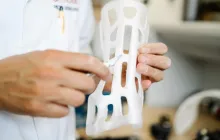
In recent years, dental care has undergone a quiet revolution as digital fabrication moved from the realm of laboratories into the everyday workflow of clinics. The core of this transformation lies in three dimensional printing, a technology that builds objects layer by layer under computer control. In dentistry, the ability to produce accurate replicas of the patient’s mouth, customized dental devices, and surgical aids directly from digital data has opened doors to faster treatment planning, improved comfort, better patient education, and more predictable outcomes. The promise of 3D printing is not simply about making physical items; it is about enabling a more integrated, data driven approach that links scanning, design, and manufacturing into a seamless chain. The shift is supported by advances in imaging technologies such as intraoral scanners that capture precise geometry, sophisticated software that translates scans into printable models, and a growing library of biocompatible materials that can be used inside the mouth under safety standards. In practice, clinicians are increasingly combining these elements to replace traditional steps that were slow, uncomfortable, or prone to variability, turning complex cases into a sequence of reproducible tasks that can be executed with higher consistency and confidence. The result is a patient experience that is less invasive, more predictable in terms of fit and comfort, and capable of delivering aesthetically and functionally enhanced outcomes that align with modern expectations for dental care.
Foundations of 3D printing in dentistry
The foundations of 3D printing in dentistry rest on a convergence of three pillars: accurate digital capture of patient anatomy, robust digital design processes, and reliable manufacturing using biocompatible materials. Intraoral scanners have evolved from exploratory devices into essential instruments that map the intricate surfaces of teeth, gums, and supporting structures with submillimeter precision. This data, often captured as a standard digital file such as a stereolithography or STL file, can be manipulated in specialized software that allows clinicians to annotate, segment, and modify structures before any material is formed. The design phase translates anatomical information into practical endpoints, such as a model for planning orthodontic movement, a surgical guide that directs a drilling trajectory with high accuracy, or a template for temporary crowns. The printing phase then brings these digital constructs into the physical world by depositing material in controlled layers, calibrating parameters like layer thickness, exposure to light or heat, and print orientation to enhance dimensional stability and surface finish. Across this journey, validation steps—ranging from virtual fit checks to physical testing of models—help ensure that the final product behaves as intended in the clinical setting. The result is a workflow that reduces guesswork and enhances repeatability, enabling practitioners to reproduce complex outcomes with greater reliability than traditional methods permitted.
Impression replacement and patient comfort
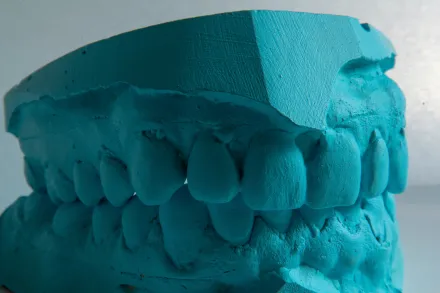
One of the most tangible benefits of 3D printing in dentistry is the potential to replace conventional impression techniques that many patients find uncomfortable or claustrophobic. Traditional impressions require a tray filled with viscous material that sits in the mouth for several minutes, which can provoke gag reflexes and cause patient distress. Digital impressions, produced by intraoral scanners, provide a faster, gentler experience while delivering highly accurate data for downstream fabrication. The resulting digital model can be used directly to print precise study casts, full arch models, or partial models that capture critical occlusal relationships. In addition to improving patient comfort, digital impressions reduce the need for retakes caused by material distortion or air pockets, leading to shorter chair time and accelerated treatment timelines. The printed models derived from these scans serve as tangible references for patient education, allowing the clinician to demonstrate the planned treatment steps, expected outcomes, and the rationale behind chosen materials. This hands-on, patient-centric communication helps build trust and engagement, which are key components of successful care delivery.
Customized dental models and surgical guides
Printed dental models have evolved from simple replicas into highly functional tools that support every phase of treatment planning. For implant placement, precise surgical guides can be produced to translate digital plans into physical guides that constrain the drill path during surgery, enhancing accuracy and reducing operative time. In complex restorations, accurate models aid in try-ins, articulation with opposing dentition, and the assessment of phonetics and aesthetics before any permanent material is fabricated. Orthodontic planning benefits from models that capture the exact relationship between teeth and soft tissues, enabling more accurate predictions of movement and space requirements. Beyond implants, printed guides and models are used to fabricate custom tray setups for individualized impression materials, enabling highly reproducible outcomes. The tactile feedback from a real model helps clinicians assess margins, contacts, occlusion, and alignment in a way that complements digital simulations, creating a robust hybrid workflow that merges the strengths of both digital and physical representations.
Imaging, planning, and precision dentistry
In the realm of precision dentistry, 3D printing acts as a bridge between diagnostic imaging and clinical execution. Cone beam computed tomography, optical scans, and digital scanners combine to create a comprehensive representation of both hard and soft tissues. This holistic dataset can be transformed into printable guides and prototypes that exactingly reflect mesial-distal dimensions, root angulations, and bone contours. The precision afforded by printing is particularly valuable in delicate procedures such as guided implant placement, where even small deviations can affect prosthetic fit or bone health. Moreover, printed prototypes of removable prostheses allow clinicians to assess fit, function, and esthetics long before fabrication of final restorations, reducing the risk of remakes and adjustments. This careful orchestration of data and fabrication supports patient-specific solutions that honor individual anatomy, occlusion, and aesthetic goals, moving dentistry toward a standard of care that is both personalized and reproducible across patients and clinicians.
Materials and biocompatibility
The range of materials available for dental 3D printing continues to expand, with resins forming the backbone of most printed intraoral devices and laboratory models. Biocompatible resins, designed for temporary restorations, surgical guides, and indirect bonding trays, must meet stringent safety standards and be compatible with dental workflows. Some resins are formulated to resist moisture and sterilization processes, maintaining dimensional stability through repeated cycles. For certain applications, metal printing using powder bed fusion or direct metal laser sintering opens opportunities for custom abutments or surgical components, though these processes require specialized equipment and rigorous quality control. The advent of ceramics and composite materials for end-use crowns, bridges, and veneers is advancing, offering improved aesthetics, strength, and wear resistance. Across all materials, the properties that matter most include dimensional accuracy, surface finish, biocompatibility, sterilizability, and compatibility with existing clinical protocols. Clinicians weigh these factors when selecting materials for a given indication, balancing patient needs with practical considerations such as cost, cure times, and accessibility to printers and post-processing equipment.
Prosthodontics and crowns with digital fabrication
In prosthodontics, digital fabrication through 3D printing enables the rapid creation of diagnostic wax-ups, try-in models, and temporary restorations that closely approximate final outcomes. Temporary crowns and onlays can be printed with a precise fit and favorable esthetics, providing a functional and comfortable interim solution while final materials are prepared. For permanent crowns and bridges, 3D printing is often used to create accurate patterns, cores, or substructures that guide the final milling or layering process in a laboratory environment. The ability to customize contours, margins, and occlusal surfaces at a granular level enhances the clinician’s control over esthetics and function. In some practices, fully printed indirect restorations are explored in combination with chairside finishing, bonding protocols, and cementation techniques designed to preserve tooth structure and reduce chair time for patients. As material science progresses, the line between digitally planned prosthetics and physically produced restorations continues to blur, offering endless possibilities for tailored solutions that respect individual comfort and visual harmony.
Orthodontics and aligners
Orthodontics has been transformed by 3D printing through the production of precise aligner models and the eventual fabrication of aligners themselves based on digital workflows. Scans capture the three dimensional geometry of a patient’s dentition, and software simulates tooth movement across multiple stages. The resulting digital files guide the printing of accurate physical models that serve as references for planning and patient communication. In some systems, the printed models are used to thermoform clear aligners directly, enabling a streamlined, closed-loop process from scan to print to appliance. The benefits are clear: faster turnaround times, improved fit and predicted outcomes, and the ability to experiment with treatment sequences using risk-free physical models before committing to irreversible changes. As material and printing speed improve, practitioners gain more flexibility to customize treatment plans for complex malocclusions, expand preventive orthodontics, and enhance patient engagement through tangible demonstrations of proposed movements and anticipated results.
On-site manufacturing and lab integration
The integration of 3D printing into dental practices and in-house labs has altered traditional workflows by enabling on-site fabrication of models, guides, and temporary devices. Clinics equipped with appropriate printers often experience shorter lead times, enabling faster case submission, fewer dependencies on external laboratories, and improved control over the entire treatment timeline. This on-site capability is particularly advantageous for urgent cases, provisional restorations, or rapid prototyping of innovative treatment concepts. Dental laboratories that adopt additive manufacturing often split tasks between design and fabrication, where technicians focus on refining digital models and ensuring compatibility with final materials. The synergy between clinic and lab, once mediated by analog steps, can now occur through a shared digital workspace, with printed outputs flowing seamlessly from design to fabrication to clinical application. The result is a more agile ecosystem where expertise is distributed along a digital chain, enhancing collaboration, consistency, and patient satisfaction.
Education and patient communication
3D printed models offer powerful tools for education and patient communication. Clinicians can demonstrate anatomy, pathology, and proposed procedures with tangible, accurate replicas that patients can handle. This hands-on approach helps demystify complex treatment plans, clarifies expectations, and invites patient input in the decision-making process. In teaching environments, printed models support practical training for students and staff, enabling repeated practice without involving live patients. They also serve as references for documenting progress and for acquiring informed consent, since patients can visually compare different treatment options and understand the rationale behind chosen paths. The educational value extends to demonstrate oral hygiene techniques, postoperative care, and the maintenance of appliances, contributing to better outcomes through improved adherence and understanding.
Safety, regulation, and quality assurance
As with any medical technology, the adoption of 3D printing in dentistry requires careful attention to safety, quality assurance, and regulatory compliance. Standards bodies and national regulatory frameworks guide the permissible use of printed devices, materials, and sterilization processes. Quality assurance protocols address printer calibration, material lot tracking, exposure parameters, and post-processing procedures to ensure consistent results across cases. When clinicians rely on printed surgical guides or temporary restorations, strict validation of fit, accuracy, and mechanical properties is essential to avoid jeopardizing patient safety. Ongoing research and clinical audits contribute to a growing body of evidence about the reliability of digital workflows, helping practitioners make informed choices about equipment, materials, and processes. As the technology matures, regulatory expectations evolve, but the underlying emphasis remains constant: patient safety, reproducibility, and transparent documentation are the foundations that support patient trust and successful care outcomes.
Economics, accessibility, and sustainability
The economic impact of 3D printing in dentistry is complex and context dependent. While initial investments in printers, materials, and software can be substantial, long-term savings often arise from reduced lab fees, quicker case turnaround, and the ability to take on more cases within a single day. Smaller clinics may find on-site production especially beneficial for routine items such as models and trays, while larger practices might integrate more advanced workflows for guided surgery and customised prosthetics. Access to high-quality printed devices also supports underserved communities by offering more predictable care and reducing the need for multiple visits. In terms of sustainability, additive manufacturing can reduce material waste relative to subtractive methods when optimized, and it supports digital inventory management that minimizes excess stock. The environmental footprint of printing depends on the materials chosen, energy efficiency of printers, and the lifecycle of printed devices, which a growing number of manufacturers are actively addressing through improved resins, recyclable supports, and streamlined post-processing steps.
Future directions and continuous improvement
The future of 3D printing in dentistry is shaped by ongoing advances in printer speed, material science, and intelligent design software. Emerging technologies promise faster build times without compromising accuracy, broader biocompatible material portfolios, and enhanced capabilities for printing multi-material objects that better simulate the gradient properties of natural teeth and surrounding tissues. Artificial intelligence and machine learning are beginning to assist in design optimization, error detection, and decision support, guiding practitioners toward more efficient workflows and better patient outcomes. As digital dentistry becomes more integrated with electronic health records and cloud-based collaboration platforms, the potential for remote case review, standardized templates, and shared libraries of validated designs increases. These developments are likely to expand the accessibility of high-quality dental care, empower clinicians with robust tools, and foster a culture of incremental improvement that continually raises the bar for patient safety, comfort, and aesthetic satisfaction.
In the end, the impact of 3D printing on dental care is measured not only by the precision of a printed model or the fit of a temporary crown but by how well the technology integrates with human care. The technology serves as an amplifier for the clinician’s expertise, turning digital insight into tangible, patient centered results. Through thoughtful selection of materials, careful validation of designs, rigorous adherence to safety standards, and a commitment to education for both patients and practitioners, 3D printing becomes a practical companion in everyday dentistry. The patients experience shorter waits, fewer visits, and clearer explanations of what will happen, while clinicians gain a tool that accommodates complexity without sacrificing predictability. In such a landscape, 3D printing is not a distant future novelty but a current, evolving component of high quality dental care that supports better function, longer lasting restorations, and more comfortable, informed patient journeys. The ongoing collaboration among clinicians, engineers, and researchers continues to push the boundaries, inviting dentists to imagine new possibilities where ideas become objects that truly improve oral health and quality of life for people around the world.