The landscape of postoperative care is undergoing a profound transformation as healthcare systems integrate remote technologies into every phase of recovery. This evolution is propelled by the dual goals of enhancing patient safety and expanding access to high quality care beyond hospital walls. As patients return home after procedures, clinicians face the challenge of monitoring progress, identifying complications, and supporting adherence to recovery protocols without the luxury of in person rounds. Remote post-surgical care offers a framewor...
Medical Technology & Innovations
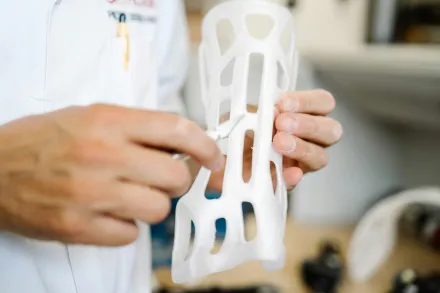
In the unfolding story of modern medicine, the advent of three dimensional printing has emerged as a transformative force, reshaping how clinicians approach diagnosis, planning, intervention, and postprocedural recovery. This technology, which began as a method for rapid prototyping in industrial settings, has evolved into a versatile platform capable of translating complex digital models into tangible objects with remarkable precision. Its impact on medicine arises from the unique ability to tailor tools, implants, and educational materials to...
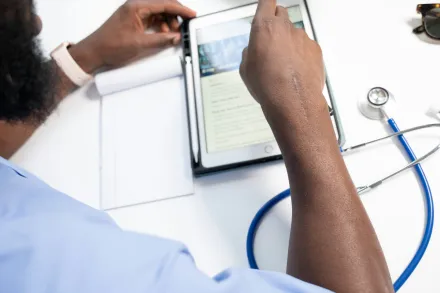
For decades, healthcare relied on in-person encounters and intermittent measurements that offered a snapshot rather than a steady stream of patient information. The distant vision of remote data collection emerged from the realization that the pace of chronic disease progression, recovery from surgery, and response to treatment could be understood more accurately if clinicians could observe patterns over time. In the early days, simple phone check-ins and manual diary logs provided rudimentary insights, but the data were fragmented, unreliable,...

Rural communities face a convergence of challenges that hinder timely access to high quality healthcare, including long travel distances, scarcity of specialized clinicians, limited transportation options, and uneven incentives for investment in local facilities. Telehealth has emerged not as a single technology but as an ecosystem of connected services that can bridge distances, reduce wait times, and extend the reach of clinicians who are often stretched by caseloads and geographic isolation. When thoughtfully designed, telehealth respects lo...
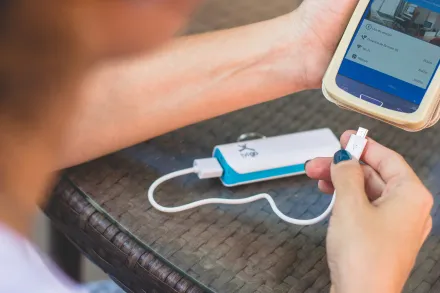
The landscape of diabetes technology has transformed dramatically in the last decade as smart insulin pumps have evolved from simple, programmable devices into interconnected, intelligent systems that cooperate with sensors, clouds, and mobile interfaces. Modern pumps are no longer solitary infusion devices; they function as nodes within a broader ecosystem designed to interpret real time data, anticipate fluctuations, and translate complex physiological signals into timely doses. This transition toward automation is powered by seamless communi...
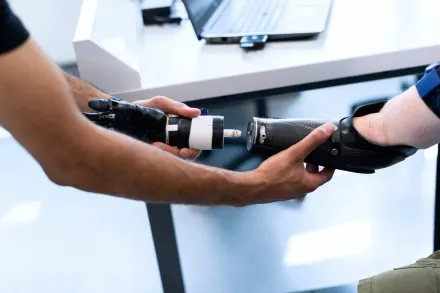
The field of rehabilitation robotics has evolved from conceptual ideas about mechanical assistance to a vibrant ecosystem of devices that are increasingly integrated into everyday clinical practice and home environments. The early demonstrations of robotic assistive devices in rehabilitation centers showed how machines could augment motor practice, measure progress, and provide consistent repetition that human therapists alone could seldom sustain over long periods. Over the ensuing decades, researchers and clinicians collaborated to design sys...

Medical imaging has long stood at the intersection of science, engineering, and clinical care, continually transforming how doctors visualize the human body, identify disease, and guide therapy. The journey began with simple projections that revealed silhouettes of internal structures and gradually evolved into sophisticated systems capable of revealing physiology, metabolism, and molecular processes with astonishing precision. Each era brought new detectors, new computational approaches, and new physics that broadened the scope of what could b...

Artificial intelligence has emerged as a powerful ally in modern oncology, offering new ways to quantify risk, interpret complex data, and foresee the likelihood that cancer will return after initial treatment. Cancer recurrence is a multifactorial process influenced by tumor biology, treatment response, patient health, and microenvironment dynamics. Traditional clinical models relied on linear risk factors and static snapshots from diagnostic tests, but AI opens a path to integrate heterogeneous data across time and modalities. By training on ...

Mobile apps have transformed the landscape of mental health support by bringing strategies, information, and connection to the palm of a user’s hand. These tools range from simple mood trackers that capture daily fluctuations to sophisticated platforms that deliver guided therapies, mindfulness exercises, and crisis resources. The accessibility of mobile devices means that individuals can engage with mental health content in moments of uncertainty, during commutes, or in the quiet hours of the night when professional contact might be difficult ...
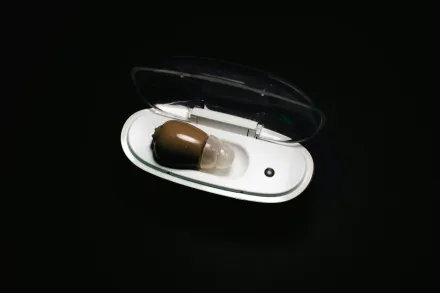
In the last decade the field of hearing technology has shifted from a narrow focus on amplifying sound to a broad ecosystem of intelligent devices that perceive, interpret, and adapt to complex auditory environments. Today smart hearing aids are not merely amplifiers but sophisticated systems powered by real time signal processing, machine learning, biomedically aware sensors, and seamless wireless connectivity. This convergence of acoustic engineering, digital signal processing, wearable design, and cloud based analytics has transformed how pe...