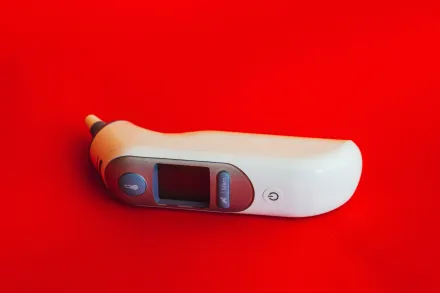
In recent years the management of chronic diseases has shifted from episodic clinic visits to continuous, data driven care that follows patients beyond the walls of hospitals and clinics. Remote chronic disease monitoring emerges as a core strategy to track physiological signals, medication adherence, symptom evolution, and environmental influences in real time. This approach integrates wearable sensors, mobile software, cloud based analytics, and human driven care coordination in a way that can transform outcomes for conditions such as diabetes, hypertension, heart failure, chronic obstructive pulmonary disease, and a range of metabolic and autoimmune illnesses. The overarching aim is to detect clinically meaningful changes early, empower patients to participate in their own health decisions, and support clinicians with timely, actionable insights that can avert deterioration and reduce unnecessary hospitalizations. The evolution of remote monitoring is not merely a technological upgrade; it represents a reimagining of the patient journey that emphasizes proactive management, individualized risk assessment, and continuous learning from real world data.
Overview of remote chronic disease monitoring
The concept of remote monitoring rests on the idea that health is a dynamic state rather than a static snapshot captured during periodic visits. When patients wear sensors that continuously collect data such as glucose levels, blood pressure, heart rate, or lung function, a longitudinal view emerges that reveals trends, variability, and responses to therapies. This kind of longitudinal dataset enables more precise decision making. It allows clinicians to distinguish between transient fluctuations and persistent trajectories, to differentiate treatment effects from natural disease variability, and to tailor interventions accordingly. At its best, remote monitoring blends patient engagement, clinical expertise, and algorithmic support into a seamless care loop where information flows securely, interpretations are contextual, and actions are timely. The result can be earlier detection of decompensation, better medication titration, improved adherence, and a sense of continuous partnership between patient and care team.
From the patient perspective, remote monitoring can lessen the burden of frequent in person visits while maintaining a safety net that reassures individuals with complex needs. It supports self management by providing feedback on how everyday choices influence disease control, whether that means understanding how meals and activity affect glucose levels or recognizing how environmental factors influence respiratory symptoms. For health systems, the promise lies in improving population health, lowering costs associated with preventable complications, and enabling clinicians to allocate limited resources to patients with the greatest need. Yet the promise is not universal; it requires concerted attention to data quality, user friendly interfaces, appropriate incentives, and robust privacy protections to ensure that innovations translate into meaningful, sustainable benefits for diverse patient communities.
Key technologies enabling remote monitoring
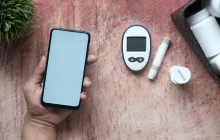
A wide array of technologies underpins modern remote monitoring. Wearable devices, ranging from continuous glucose monitors and wireless blood pressure cuffs to activity trackers and pulse oximeters, collect objective physiological signals over extended periods. Mobile applications act as hubs that capture patient reported outcomes, medication adherence data, and symptom diaries while integrating with device data streams. Cloud based platforms process, store, and secure these data, applying analytics to identify patterns, detect anomalies, and trigger alerts when clinically significant changes occur. Interoperable application programming interfaces enable data sharing with electronic health records, laboratories, pharmacies, and other partners in care. At the forefront are machine learning models that translate raw sensor streams into clinically meaningful indicators, such as risk scores or decompensation alerts, while preserving individual context. The ecosystem also includes video and messaging capabilities that support telehealth visits and asynchronous communication, creating a flexible spectrum of remote interactions that can be tailored to patient preferences, clinical needs, and regulatory constraints.
Sensor technologies continue to evolve toward greater accuracy, lower power consumption, and better patient comfort. Flexible, skin adjacent sensors, implantable devices, and non invasive imaging modalities contribute to richer datasets without imposing heavy burdens on patients. The software stack emphasizes usability, with intuitive dashboards for patients and clinicians and automated data quality checks that filter noise, correct drift, and harmonize measurements across devices. Security architectures employ encryption, device attestation, and robust access controls to protect sensitive information as it traverses clouds and networks. In parallel, patient facing education materials and decision aids embedded in apps help patients interpret data, understand when to seek care, and maintain a sense of agency over their health journey. Taken together, these technologies form a resilient framework that supports continuous monitoring while respecting individual preferences and social contexts.
Digital biomarkers and data streams
Remote monitoring generates a diverse set of data streams that together constitute digital biomarkers. These biomarkers extend beyond traditional vital signs to include dynamic patterns such as circadian variability in glucose or blood pressure, respiratory rate changes during sleep, and symptom clusters that correlate with inflammatory activity or disease flares. The granularity of data supports more nuanced clinical questions: not only whether a patient is within target ranges, but how frequently and under what circumstances deviations occur. To harness this richness, data pipelines incorporate artifact detection, calibration routines, and context aware interpretation so that readings reflect true physiological states rather than measurement noise. This level of sophistication enables a more precise understanding of disease trajectories, supports personalized thresholds for interventions, and fosters a proactive stance where clinicians can anticipate events before they become clinically evident.
However, digital biomarkers must be interpreted with care. Sensor accuracy varies by device, placement, and user behavior, and models trained on one population may not generalize to another. Therefore, validation across diverse cohorts, transparent reporting of limitations, and continuous post market surveillance are essential to ensure that digital biomarkers guide decisions in a way that is safe, fair, and effective. Clinicians also need to be aware of the ecological validity of these markers—whether changes observed in real world settings reliably translate into meaningful clinical outcomes. The balance between sensitivity and specificity, the management of false positives that can overwhelm clinicians with alerts, and the alignment with patient priorities all shape the practical value of digital biomarkers in everyday care.
AI and predictive analytics in RPM
Artificial intelligence and predictive analytics sit at the heart of modern remote monitoring, converting streams of data into actionable insights. Machine learning models can perform risk stratification, forecast short term deterioration, and personalize therapeutic recommendations based on a patient’s historical data, comorbidities, and social determinants of health. In chronic diseases, early warning scores derived from longitudinal data can prompt timely interventions, such as medication adjustments, lifestyle coaching, or escalation to urgent care when warranted. The strength of these tools lies in their capacity to learn from real world experiences, continually updating models as more data accumulates, and refining predictions to reflect changing clinical practice and evolving populations. Yet the adoption of AI requires rigorous governance to prevent biases, ensure interpretability, and preserve the clinician's ultimate authority to decide on care plans.
Practical AI in remote monitoring also focuses on reducing workflow friction. For clinicians, AI driven dashboards can filter noise, highlight clinically meaningful trends, and provide compact summaries that fit into typical consultation time. For patients, AI can personalize feedback, suggest gentle behavior changes, and adapt to individual learning styles. Importantly, AI should be integrated with human oversight and shared decision making to maintain trust and accountability. When paired with high quality data and robust validation, predictive analytics not only anticipates adverse events but also informs population health strategies, guiding resource allocation and targeted interventions that maximize impact while keeping patient autonomy intact.
Interoperability and standards
Successful remote monitoring hinges on seamless data exchange across devices, platforms, and care settings. Interoperability is achieved through standards, open APIs, and careful data governance. Standards such as HL7 FHIR provide a framework for structuring health information so that disparate systems can exchange data in a meaningful and interoperable way. When RPM data can flow into electronic health records, pharmacist systems, and care management software without manual reentry, clinicians save time and patient data gains coherence across the care continuum. Interoperability also supports scalable implementations, enabling health networks to deploy RPM programs across clinics, hospitals, and community settings with consistent data quality and governance. In parallel, data provenance and lineage tracking ensure that data sources, timestamps, device versions, and calibration details are documented, which is essential for trust, auditability, and regulatory compliance.
Privacy and security are inseparable from interoperability. As data moves through networks, encryption, secure authentication, and strict access controls protect patient information. Consent management mechanisms empower patients to decide how their data can be used and shared, balancing the benefits of data sharing with the imperative to respect individual rights. Interoperability also raises governance questions about data stewardship, especially when data is combined from multiple devices and vendors. Clear policies, patient transparency, and independent oversight help maintain confidence in RPM programs while enabling continuous innovation across the ecosystem. By aligning technology with thoughtful policy and rigorous standards, remote monitoring becomes not only feasible but sustainable at scale for diverse populations.
Patient engagement and self management
Central to the success of remote chronic disease monitoring is patient engagement. When patients actively participate, data quality improves and outcomes tend to improve as well. Engagement strategies emphasize education, clear feedback, and shared goals. Digital tools can visualize progress toward targets, demonstrate how everyday behaviors influence disease control, and offer adaptive coaching that respects individual preferences and cultural contexts. Remote monitoring also enables timely communication with care teams through asynchronous messaging and scheduled telehealth visits, reducing anxiety and increasing the likelihood that patients adhere to treatment plans. Importantly, patient empowerment goes beyond data collection: it includes designing experiences that minimize alert fatigue, preserve autonomy, and uphold dignity, so that patients feel supported rather than surveilled in their own homes.
Effective engagement requires attention to literacy levels, language preferences, and accessibility features. Interfaces should be intuitive for older adults or people with limited experience with technology, while still offering advanced options for those who desire deeper insights. Social support networks, caregiver involvement, and community resources can amplify the benefits of RPM by providing pragmatic assistance, transportation solutions, and motivation. When patients perceive tangible benefits from monitoring, such as easier medication management or improved symptom control, sustained participation becomes more likely, creating a positive feedback loop that enhances both data completeness and clinical outcomes.
Clinician workflows and remote care teams
Remote chronic disease monitoring reconfigures the way clinicians work and how teams coordinate care. RPM data feeds into multidisciplinary workflows that may include physicians, nurses, pharmacists, care coordinators, and health coaches. The goal is to integrate data reviews into daily routines without overwhelming clinicians with noise. Thoughtful design of dashboards, alert thresholds, and escalation protocols helps balance sensitivity with specificity, ensuring that important events are not missed while reducing unnecessary interruptions. Regular telehealth check ins, remote medication reconciliation, and virtual rounds with the care team can extend the reach of specialized expertise to patients who would otherwise face barriers to access. Training and change management are essential to help clinicians adapt to new modalities, comfort with data driven decision making, and the evolving role of RPM in patient care.
Technical considerations for clinicians include ensuring data reliability, validating device compatibility, and maintaining up to date software across devices. Privacy by design and patient consent are integrated into daily practice so that care teams respect patient choices while delivering high quality care. The most successful RPM programs position the care team as a collaborative network, where each member understands their role in monitoring, interpreting, and intervening based on real time information. Such collaboration can improve continuity of care, reduce fragmentation, and enhance patient satisfaction as people experience more consistent and proactive management of their chronic conditions.
Privacy, security, and regulatory landscape
The expansion of remote monitoring raises important questions about privacy, security, and compliance. Protecting patient information begins with robust data encryption, secure transmission, and careful access controls for clinicians, patients, and caregivers. Consent management is essential to enable patients to determine how their data is used, who can access it, and for what purposes data may be shared. Regulatory frameworks vary by region but typically emphasize patient rights, data minimization, and accountability for data handling. Clinicians and vendors must maintain clear audit trails, ensure that data provenance is traceable, and implement incident response plans for potential breaches. As clinical evidence for RPM grows, regulators are also refining reimbursement policies, quality metrics, and safety standards that shape how remote monitoring is adopted in real world practice. The evolving landscape demands ongoing collaboration among clinicians, vendors, policymakers, and patient advocates to ensure that innovations improve care without compromising fundamental privacy and security principles.
Data governance is another critical element. Institutions must establish governance models that define who can access which data, how data is stored, who bears responsibility for data quality, and how data sharing agreements align with privacy laws. Robust governance supports accountability, fosters trust among patients and providers, and enables scalable deployments. When done well, privacy and security measures become a competitive differentiator rather than a barrier, reassuring patients that their information is protected while enabling the lifelike immediacy of remote monitoring.
Equity and access considerations
Equity is a central question in remote monitoring. While RPM has the potential to extend high quality care to underserved populations, disparities in access to devices, internet connectivity, digital literacy, and language support can create gaps if not actively addressed. Rural and low income communities may face barriers such as limited broadband, unreliable power, and scarce technical support. To counteract these challenges, programs may deploy low bandwidth solutions, provide devices at reduced or subsidized costs, and design multilingual, culturally appropriate interfaces. Community health workers can play a pivotal role in bridging digital divides by offering hands on training, helping with device setup, and guiding patients through care pathways. Data collection should also be scrutinized for bias, ensuring that algorithms perform equitably across diverse demographics and do not reinforce existing inequities. Thoughtful program design, vendor collaboration, and patient centered policies are essential to ensuring that the benefits of remote monitoring reach all who could benefit, not just those with easy access to technology.
Access considerations also extend to physical accessibility. For patients with visual or motor impairments, touch friendly interfaces, voice guided interactions, and high contrast options improve usability. Language accessibility remains critical: providing educational materials, alerts, and coaching in multiple languages helps ensure comprehension and engagement. When equity is embedded into the design and deployment of RPM programs, remote monitoring becomes a force for broader health improvement rather than a widening gap in care.
Economic and policy implications
Adoption of remote chronic disease monitoring intersects with economic realities and policy choices. Health systems weigh the upfront investment in devices, software platforms, and personnel against the projected savings from reduced emergency visits, shorter hospital stays, and improved disease control. Cost effectiveness analyses consider not only direct medical costs but also patient time, productivity, and quality of life. Policy plays a crucial role by establishing reimbursement models, setting performance incentives, and defining acceptable standards for measurement, data sharing, and patient safety. Reimbursement pathways that recognize RPM services—whether through fee for service or bundled payment models—help align financial incentives with clinical benefits. As evidence accumulates from diverse settings and patient populations, policymakers may refine coverage criteria to support scalable, sustainable RPM programs that deliver meaningful value while maintaining patient autonomy and privacy.
Healthcare organizations seeking to implement remote monitoring must also consider total cost of ownership, which includes device maintenance, software subscriptions, cybersecurity expenditures, and staff training. A well crafted business case often emphasizes the marginal gains from early intervention and the societal benefits of improved chronic disease management. Financial models that incorporate scenario analyses, sensitivity analyses, and risk sharing arrangements with vendors can help decision makers understand potential returns and align program design with organizational priorities. In the long run, the strategic integration of RPM into healthcare delivery may contribute to more resilient health systems that can absorb shocks, absorb demand fluctuations, and deliver higher quality care at sustainable costs.
Case studies and real world implementations
Across healthcare systems worldwide, pilot programs and larger scale deployments illustrate the potential and the challenges of remote chronic disease monitoring. A diabetes focused program may combine continuous glucose data with nutrition and activity tracking, coupled with automated coaching that adjusts insulin dosing in consultation with clinicians. A heart failure initiative might monitor weight, respiration rate, and symptoms, alerting the care team to early signs of congestion so medications can be adjusted promptly. In respiratory diseases such as COPD, home monitoring of oxygen saturation and spirometry trends can reduce exacerbations and hospitalizations by enabling timely interventions and targeted pulmonary rehabilitation. Each case demonstrates that success hinges not only on technology but also on human factors: patient trust, clinician buy in, workflow compatibility, and the alignment of incentives. Real world implementations reveal the importance of iterative improvements, ongoing training, and the need for robust data governance and privacy protections as programs scale.
In several integrated care networks, RPM programs have demonstrated reductions in preventable admissions and improvements in adherence to treatment regimens. These successes are often accompanied by enhanced patient satisfaction and greater sense of security as patients can monitor health indicators remotely and receive prompt feedback. On the other hand, programs that neglect user experience, fail to integrate with existing workflows, or do not invest in patient education frequently encounter stagnation or decline in participation. The take away is that remote monitoring thrives when it is designed with patients and clinicians at the center, when data flows are reliable, and when there is a clear value proposition for all participants in the care ecosystem.
Challenges and risks
Despite its promise, remote chronic disease monitoring presents several challenges. Data deluge can overwhelm clinicians if alerts are not well managed, or if data quality varies across devices. Device interoperability remains a technical hurdle in some settings, requiring ongoing governance and collaboration among vendors, healthcare providers, and regulatory bodies. Patient burden is another consideration; while some people relish constant feedback, others may feel overwhelmed by continuous monitoring, leading to disengagement. Ensuring device comfort, battery life, and user friendly interfaces is essential to maintain adherence. Reliability and accuracy of sensors must be validated across diverse populations and real world conditions. Ethical concerns also arise around surveillance, autonomy, and the right to disconnect, underscoring the need for transparent policies and patient-centered design. Finally, ensuring equitable access requires concerted efforts to address the digital divide, language barriers, and cultural relevance to avoid reinforcing existing health disparities.
From a clinical standpoint, a common risk is overdependence on automated signals at the expense of clinical judgment. The best RPM programs preserve the clinician’s role as the ultimate decision maker while using data to inform, corroborate, and contextualize observations. Balancing alert fatigue, ensuring data provenance, and safeguarding against over treatment are ongoing endeavors that require continuous monitoring, governance, and a feedback loop between users and developers. Robust risk management plans, post implementation evaluations, and patient safety reviews contribute to a more resilient RPM environment where benefits can be realized while risks are kept within acceptable bounds.
Future directions and emerging trends
Looking ahead, innovations in remote chronic disease monitoring are likely to be shaped by advancements in several domains. Edge computing may push analytics closer to the patient, enabling real time decision making even when connectivity is limited. Multimodal sensing, combining data from wearable devices, environmental sensors, and even genomic or microbiome data, could provide a richer understanding of disease dynamics and treatment response. Personalization will extend beyond thresholds to individualized care plans that adapt to a patient’s evolving circumstances, preferences, and life goals. The integration of virtual reality and augmented reality tools for education, coaching, and rehabilitation could enhance patient engagement and adherence. In addition, the emergence of decentralized approaches, such as patient owned data wallets and consent driven data sharing, may redefine data control and empower patients as stewards of their own health information. Across these developments, the focus remains on making remote monitoring not only technically capable but also clinically meaningful, ethically sound, and socially inclusive.
As the technology matures, new use cases will emerge. For instance, in aging populations, RPM could support independence and safety at home by detecting falls, pacing irregularities, or early cognitive markers in conjunction with caregiver networks. In oncology, remote monitoring could track treatment related toxicity, symptom burden, and performance status, enabling timely palliative care discussions and supportive interventions. In behavioral health, remote monitoring may blend physiological signals with self reported mood and sleep data to offer proactive mental health support. Across disease areas, the continuous loop of measurement, feedback, and adjustment has the potential to transform the patient experience from reactive care to proactive, personalized health management that respects patient preferences and preserves quality of life.
Research and development will continue to refine the balance between automation and human touch. Human centered design will guide the creation of tools that clinicians trust and patients find approachable. Collaborative governance frameworks will ensure data quality, privacy, security, and equitable access, while performance metrics will evolve to capture not only clinical outcomes but also patient experience, care coordination efficiency, and system level impact. The ongoing collaborations among clinicians, engineers, patients, payers, and policymakers are essential to realizing the full potential of remote chronic disease monitoring as a standard of care that is scalable, sustainable, and capable of delivering meaningful improvements for millions of people living with chronic illness.
Ultimately, innovations in remote chronic disease monitoring are about more than gadgets and dashboards. They represent a shift toward care that is continuous, personalized, and anchored in the realities of people’s daily lives. When patients feel heard, when data flows into a coherent, secure ecosystem, and when clinicians have timely, trusted insights to guide decisions, the patient journey becomes less perilous and more hopeful. The promise lies not in the novelty of sensors or algorithms alone, but in the ability to harmonize technology, human expertise, and compassionate care into a durable framework that keeps people healthier, longer, and more in control of their health destinies.