Hospitals face a continuous challenge of patients returning after discharge, a cycle that drains resources, strains staff, and burdens families. Readmissions are not only a marker of clinical risk but a reflection of gaps in care transitions, social support, and the ability to monitor patients once they leave the facility. Remote monitoring has emerged as a strategic approach to extend the reach of hospital teams into the days and weeks after discharge. By continuously collecting data about a patient’s condition, virtually anywhere, and by tran...
Medical Technology & Innovations
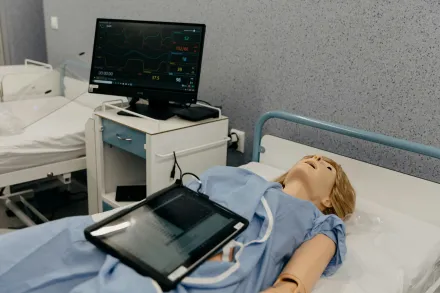
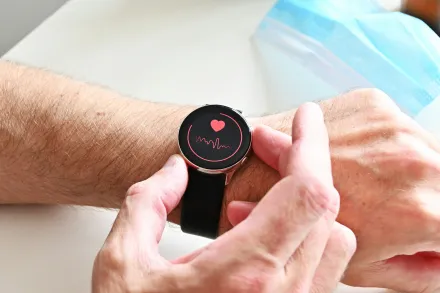
In recent years the landscape of health monitoring has shifted from periodic visits to continuous observation powered by wearable devices. Chronic conditions such as heart disease, diabetes, sleep disorders, respiratory illness, and musculoskeletal pain impose long tails of risk that unfold over weeks, months, and even years. Wearables provide a window into physiological signals and daily patterns that were once available only in clinical settings or through invasive testing. This gradual shift toward real time data has transformed how patients...
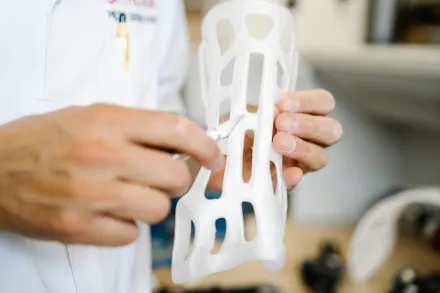
Orthopedic implants in contemporary medicine are no longer limited to standard shapes forged and machined from a few traditional geometries. The convergence of high resolution medical imaging, digital modeling, and additive manufacturing has created a new paradigm in which every implant can be designed around the biology of a single patient. In this digital foundation, surgeons, engineers, and regulatory specialists collaborate to translate a surgical plan, a patient’s anatomy, and healing goals into a physical device with a precision that was ...

Medication adherence is a dynamic behavior shaped by a constellation of factors including patient understanding, access to medications, the complexity of regimens, and the quality of the patient‑provider relationship. Telehealth introduces a bridge between patients and clinicians that can reduce barriers rooted in time, distance, and logistical challenges, while also enhancing the clarity of instructions and the accountability of the care process. In a health landscape that increasingly values person centered care, telehealth technologies provi...

As populations around the world age, families and healthcare systems face a rising demand for solutions that can extend independence while maintaining safety. Smart wearables offer a unique blend of unobtrusive monitoring and proactive support that aligns with the values of person centered care. These devices, once imagined as gadgets for fitness enthusiasts or tech buffs, are increasingly repurposed to support older adults living at home, in assisted living facilities, or in short-term recovery contexts. By collecting real time data on movemen...
Nanotechnology emerged as a language for describing and manipulating matter at the scale where atoms and molecules begin to organize into predictable structures. In medicine, this escalated into a practical toolkit for improving how drugs are carried through the body, how they reach diseased sites, and how they release into target compartments. The core motivation has been to increase the therapeutic index: to deliver enough drug to cancer cells or infected tissue while sparing healthy organs and minimizing systemic toxicity. This requires a co...
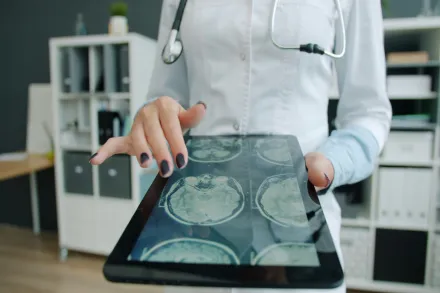
In the evolving landscape of healthcare, data travels across a mosaic of systems that often speak different languages, and this fragmentation creates barriers to timely, accurate care. Innovations in health data management are increasingly driven by a concerted push toward interoperability and semantic clarity. At the heart of this transformation lies a commitment to standardize how data are represented, exchanged, and interpreted so that a patient’s information can accompany them across clinics, hospitals, laboratories, and even home environme...

Chronic pain is a complex and deeply human experience that extends beyond the intensity of sensations to affect mood, sleep, work, and relationships. It often resists simple medical explanations and demand for consistent, coordinated management over months and years. In many communities, patients face barriers that make regular clinic attendance difficult or even impractical. Distances between home and specialists, limited transportation options, and the high costs of repeated appointments can create a barrier that leaves pain unmanaged or unde...
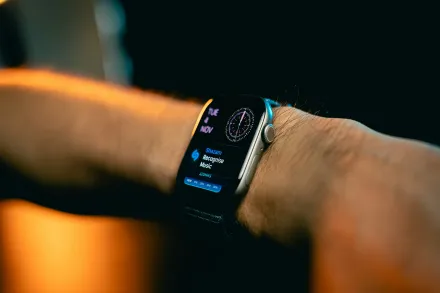
In recent years, wearable technology has moved from novelty to a common companion for millions, quietly gathering data about daily rhythms, heartbeats, movements, and environments. Among the most impactful applications of these devices is their ability to illuminate patterns in sleep behavior that often go unnoticed in the hustle of daily life. Sleep disorders, ranging from obstructive sleep apnea to chronic insomnia and restless legs syndrome, affect not only rest but daytime functioning, mood, cognitive performance, and long term health outco...
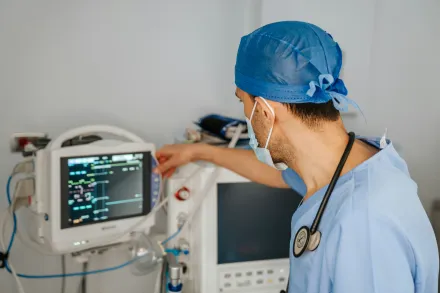
In the evolving landscape of modern healthcare, artificial intelligence stands as a transformative force that reshapes how hospitals manage complexity, allocate scarce resources, and deliver care with greater consistency and safety. AI in optimizing hospital workflows is not merely a collection of clever algorithms applied to isolated tasks; it is a holistic integration of data, processes, people, and governance that aims to align operational reality with clinical intent. The core idea is to use intelligent systems to illuminate patterns that h...