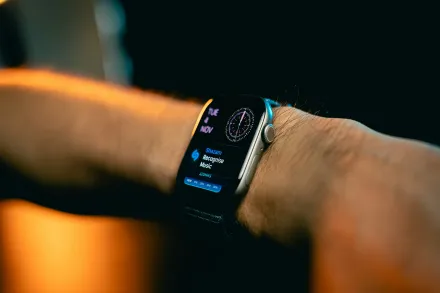
In recent years, wearable technology has moved from novelty to a common companion for millions, quietly gathering data about daily rhythms, heartbeats, movements, and environments. Among the most impactful applications of these devices is their ability to illuminate patterns in sleep behavior that often go unnoticed in the hustle of daily life. Sleep disorders, ranging from obstructive sleep apnea to chronic insomnia and restless legs syndrome, affect not only rest but daytime functioning, mood, cognitive performance, and long term health outcomes. The emergence of consumer friendly wearables has created a bridge between personal experience and data driven insights, allowing people to observe how their nights unfold with a granularity that was once possible only in specialized clinics. This intersection of accessible technology and sleep science is reshaping how individuals track, understand, and respond to persistent sleep problems, with implications for personal health management and clinical care alike.
What Sleep Disorders Are and Why Wearables Matter
Sleep disorders are conditions that disrupt the natural architecture of sleep, often altering the amount, timing, or quality of sleep a person experiences. Insomnia, characterized by difficulty falling asleep or staying asleep, is common and can become chronic when patterns persist for weeks or months. Obstructive sleep apnea involves repeated partial or complete blockages of the airway during sleep, leading to fragmented sleep and reduced oxygen delivery. Restless legs syndrome produces uncomfortable sensations and an urge to move the limbs, especially in the evening, which interferes with the ability to settle into restorative rest. Circadian rhythm disorders reflect misalignment between internal biological clocks and the external environment, commonly seen in shift workers or people traveling across time zones. Each of these conditions carries different symptoms and underlying mechanisms, yet they often share the consequence of tiredness during the day, reduced concentration, and mood disturbances that ripple across personal and professional areas of life.
Wearables matter in this space because they offer repeated, noninvasive observation across multiple nights and contexts. Unlike a single overnight study in a clinic or a one time metabolic screen, wearables can capture a series of nights in the natural home environment, recording how a person actually sleeps on weekdays versus weekends, after caffeine intake, or in response to changes in sleep schedule. This longitudinal perspective helps reveal patterns such as late sleep onset, variable wake times, or nocturnal awakenings that might not be reported accurately in a patient diary. The practical benefit is not just more data; it is a more nuanced narrative about sleep that people can act on, whether that means adjusting bedtimes, shaping daytime routines, or preparing for a clinician’s visit with concrete observations. For clinicians, wearable data can supplement traditional assessments by adding objective context to subjective reports, enabling more informed decisions about testing, treatment options, and monitoring outcomes over time.
However, it is important to keep expectations in check. Wearables are powerful tools for screening, trend identification, and self awareness, but they are not medical devices in every jurisdiction or situation. The accuracy of measurements can vary by device, by skin tone or wrist size, and by the degree of movement during sleep. The data interpretation often requires clinical judgment to distinguish signal from noise and to integrate wearable findings with symptoms, comorbid conditions, and medications. With responsible use, wearables can empower people to engage proactively with sleep health and to participate more fully in conversations with healthcare providers. The goal is to use wearable insights to inform behavior, guide screenings when appropriate, and encourage timely professional evaluation when red flags appear. This collaborative ethos—between personal monitoring and clinical oversight—underpins the practical value of wearables in monitoring sleep disorders over time.
From a research perspective, aggregated wearable data across diverse populations offers a promising path to understanding sleep patterns at scale. Large datasets can help identify common trajectories, vulnerability factors, and responses to behavioral interventions. Yet, the reliability of conclusions drawn from consumer devices depends on data quality, transparency about measurement methods, and careful statistical handling. In everyday life, individuals benefit from learning their own patterns and recognizing when a change warrants medical attention, while researchers and clinicians benefit from standardized reporting and interoperable data formats that preserve privacy and consent. The evolving landscape invites collaboration across technology developers, healthcare providers, researchers, and patients to ensure that wearables remain trustworthy, user friendly, and clinically meaningful while respecting personal boundaries and safety concerns.
As wearables evolve, new metrics may become part of the sleep conversation. Beyond basic movement and heart rate, some devices track skin temperature, ambient light exposure, humidity, and breathing signals derived from motion or optical sensors. The combination of these signals can help distinguish different sleep stages, detect arousals, and identify potential breathing irregularities during the night. The sophistication of algorithms, plus the ongoing improvement of sensor hardware, suggests a future where wearables offer increasingly reliable approximations of sleep architecture in the real world, not just in controlled testing environments. Yet the core premise remains simple: continuous, nonintrusive observation of how the body behaves during rest can reveal patterns that inform both personal strategies for better sleep and professional evaluations that lead to better treatment plans.
The Technology Behind Wearable Sleep Monitoring
At the heart of wearable sleep monitoring is a blend of sensors and signal processing that translates raw signals into meaningful summaries. The most common sensor in consumer wearables is the accelerometer, which detects movement. Algorithms interpret the absence or presence of movement across time to infer whether a person is likely asleep or awake and to estimate sleep onset and awakenings. Although movement alone cannot fully capture sleep depth, it remains a robust proxy that, when combined with other signals, contributes to a broader picture of sleep quality and duration. A second critical sensor is the photoplethysmography (PPG) sensor, typically located on the underside of a watch or band. PPG uses light to monitor blood volume changes in the microvascular bed of tissue, which enables estimation of heart rate and heart rate variability, a metric sensitive to autonomic nervous system activity that fluctuates across the night and can reflect sleep stage transitions and autonomic arousal events.
Some wearables incorporate sensors that infer respiratory patterns, either directly through chest or abdominal motion or indirectly through the modulation of the heart rate signal and oxygen saturation. In devices equipped with pulse oximetry, blood oxygen saturation can be monitored as a marker of breathing efficiency and potential apneic events. While consumer wearables are not a substitute for polysomnography in diagnosing complex sleep disorders, oxygen saturation trends can alert users and clinicians to potential breathing disturbances that merit further evaluation. Skin temperature sensors, when present, offer clues about circadian phase shifts and metabolic state, complementing other signals to improve sleep staging estimates. The interplay of multiple streams—movement, heart rate, heart rate variability, respiration, oxygenation, and temperature—enables more nuanced inference about sleep timing, continuity, and physiological stress across the night.
Processing these signals requires sophisticated algorithms that can filter noise, correct artifacts, and align data across nights. Wearable platforms typically implement a combination of rule based heuristics and machine learning models that have been trained on labeled datasets, then tuned for real world variability. The output is a set of high level metrics such as total sleep time, sleep efficiency, and times spent in presumed sleep stages, often presented with confidence intervals or qualitative descriptors like "light sleep" or "deep sleep." Because sleep is a dynamic process rather than a single static state, modern wearables emphasize trends over time, presenting weekly or monthly summaries that help users observe how changes in bedtime routines, caffeine or alcohol consumption, stress, or physical activity influence sleep. The engineering challenge is to deliver reliable estimates on a battery efficient platform while maintaining user comfort and privacy, all without relying on intrusive or inconvenient sensing modalities.
The human factor remains central to the technology. Even with advanced sensors and clever software, the usefulness of wearables depends on user adherence and the context of use. A device must fit comfortably on the wrist, be easy to wear overnight, and provide interpretation that is accessible to someone without specialized training. Visualizations should be honest about uncertainty and avoid overstating precision. When wearables communicate limitations clearly, users can make better use of the data and pair it with clinical guidance. In practice, a wearable can serve as a daily companion that prompts one to maintain a consistent wake time, offers gentle reminders to wind down, or flags potential issues that could warrant a formal sleep evaluation. This balanced approach respects both the empowerment of self monitoring and the boundaries of medical decision making.
The data lifecycle in wearables begins with sensor readings, which are often sampled at relatively high frequencies but stored in compressed form to conserve power. Local processing on the device transforms raw streams into preliminary indicators, which are uploaded to cloud services for deeper analysis and long term storage. Users can then access dashboards on smartphones or computers, where summarized metrics are presented alongside trend lines and occasional notes from the device’s interpretation engine. A careful design philosophy emphasizes data integrity, transparent explanations of what the metrics mean, and straightforward options for exporting data to share with healthcare providers. The end result is a loop: observe personal sleep behavior, adjust routines, and monitor how those adjustments influence sleep outcomes over days and weeks, all with an eye toward better daytime functioning and overall health.
Key Sensors and Data Streams in Practice
Actigraphy, which most wearables approximate through movement sensors, remains a foundational method for inferring sleep in naturalistic settings. Subtle movements or complete stillness can both convey meaningful information, and algorithms must distinguish between quiet wakefulness and true sleep. By analyzing patterns of movement in combination with heart rate data, devices can infer probable sleep onset and night to night variability, offering users a narrative about their rest that can be tracked over time. Heart rate and heart rate variability offer insights into autonomic nervous system activity across the night, often correlating with transitions between lighter sleep stages and deeper rest. Higher variability can indicate more arousal and a different sleep stage composition, while lower variability can correspond with deeper, more restorative sleep in some individuals. These signals, while not direct measurements of sleep stages, enrich the overall understanding of sleep continuity and resilience to daily stressors.
Oxygen saturation, when available, adds a dimension particularly relevant for detecting breathing problems during sleep. Drops in SpO2 levels, especially when occurring in patterns consistent with apnea, can alert users to seek medical evaluation. Conversely, stable oxygenation across nights bolsters confidence in the overall quality of sleep and may help in differentiating primary insomnia from sleep-disordered breathing. Breathing signals derived from motion or peripheral sensors can provide approximate estimates of respiratory rate. While not a diagnostic substitute for clinical tests, steady respiratory patterns during sleep often accompany restful nights and may decline in response to nasal congestion, altitude changes, or sleep posture. Temperature sensing contributes to contextualizing circadian timing, as peripheral skin temperature tends to shift in relation to the sleep-wake cycle and environmental cues. When interpreted in concert with other streams, temperature trends can help individuals tailor exposure to light and temperature cues that support better sleep scheduling.
Device manufacturers have also experimented with ambient context sensors such as light, noise, and activity during the day to correlate sleep outcomes with daily routines. Light exposure, especially blue light in the evening, can delay sleep onset and shift circadian timing, while daytime activity levels influence sleep pressure that shapes sleep duration and depth. The resulting data tapestry offers a holistic view of how a person’s environment and behaviors influence sleep, rather than focusing solely on what happens during the hours of darkness. Privacy safeguards and data governance frameworks are essential as more sensors collect increasingly intimate information about daily life. The ethical use of this data requires clear consent, accessible controls over who can view what, and robust protections against unintended sharing or misuse of sensitive health information.
Interoperability across devices and platforms remains a practical concern. Users often switch devices or upgrade to newer models, and clinicians may rely on specific data formats for integrated care. Achieving consistent data quality and comparable metrics across devices requires standardization in naming conventions, time stamps, and measurement methodologies. Consumers benefit from transparent documentation about how each metric is computed and how to interpret it within the context of their personal health goals. When devices offer standardized export options and well explained dashboards, the pathway from raw signals to actionable insights becomes clearer and more reliable for daily use and clinical conversations alike.
In clinical practice, wearables are increasingly viewed as supplementary tools rather than definitive diagnostic instruments. Clinicians interpret wearable derived indicators in light of patient history, symptom reports, physical examinations, and, when necessary, formal tests like polysomnography or home sleep apnea testing. This integrated approach helps avoid misinterpretation that might arise from relying on a single metric in isolation. For example, a patient with high anxiety might show elevated heart rate variability during the night that could be misread as a particular sleep stage without considering context. The nuanced reading of wearable data hinges on the clinician’s ability to correlate physiological signals with subjective experiences, daytime functioning, and known medical conditions. In this collaborative setting, wearables are best used to generate questions, guide discussion, and support ongoing monitoring rather than to replace established diagnostic pathways.
Beyond diagnostic support, wearables can empower behavioral interventions. By providing real time feedback on sleep timing and quality, devices can encourage people to maintain consistent bedtimes, limit late night screen use, and cultivate sleep friendly routines. Behavioral modifications, such as establishing a wind down period, avoiding stimulants late in the day, and optimizing sleep environment, have proven benefits for many sleep disorders. The wearable interface can serve as a friendly coach, helping users set realistic targets for sleep onset, wake times, and daytime naps, while also offering gentle reminders to stay on track. When users notice gradual improvements in metrics like wake after sleep onset or sleep efficiency, motivation often rises to sustain healthy changes, which in turn can reduce daytime fatigue and improve cognitive performance during waking hours.
From Data to Sleep Stages: The Algorithms
Converting streams of sensor data into sleep stage estimates is a central challenge for wearables. Traditional sleep staging relies on polysomnography, which records brain activity, eye movements, muscle tone, heart rate, and respiratory signals during sleep. Consumer wearables do not measure brain waves, yet they attempt to approximate sleep architecture by correlating movements with heart rate patterns and other physiological cues. In practical terms, algorithms classify periods of the night into presumptive sleep stages such as light sleep, deep sleep, and rapid eye movement sleep, based on probabilistic models and learned patterns. The accuracy of these inferences depends on the quality of the input signals, the diversity of training data, and the device’s ability to suppress artifacts caused by shifting positions, sensor loosening, or ambient disturbances. While not a substitute for laboratory based staging, these approximations can track night to night fluctuations, helping users observe trends that might be related to lifestyle factors or underlying conditions.
Machine learning models used in wearables range from simpler rule based systems to more complex neural networks. Rule based heuristics can swiftly identify obvious markers, such as extended stillness with a low heart rate suggesting deep sleep, or frequent awakenings with elevated activity indicating wakefulness. More advanced models leverage patterns across multiple nights, combining features such as HRV, respiratory proxies, and temperature to increase confidence in stage estimation. These systems must balance sensitivity and specificity, avoiding over interpretation while providing meaningful guidance. Edge computing strategies allow some processing to occur on the device, preserving privacy and reducing latency, while cloud based processing can deliver richer analytics and more refined models that are periodically updated as more data become available. The evolving landscape continues to refine how reliably wearables can capture the subtle transitions that characterize sleep architecture in real life settings.
Interpretation requires careful communication. Users should understand that sleep stage estimates from wearables are approximations and that confidence in any given night’s staging can vary. Presentations that label every minute with a definitive stage should be viewed with skepticism, while summaries that highlight the proportion of time spent in certain sleep bands and the frequency of awakenings offer practical, actionable information. Clinicians who incorporate wearable derived metrics into care plans can use them to track responses to treatment, identify patterns that may trigger symptoms, and support decisions about further diagnostic testing. A transparent dialogue about what the data can and cannot tell us is essential for optimizing outcomes and avoiding misinterpretation that could cause unnecessary anxiety or mistaken self diagnosis.
Over time, models can adapt to an individual’s baseline, learning their unique sleep signature and improving personal relevance. Customization features, when responsibly implemented, enable users to tune device settings to better reflect their physiology, such as choosing which metrics to emphasize or adjusting the sensitivity of sleep onset detection. Privacy aware customization ensures that these personalized models are stored securely, with explicit user consent for data use and sharing. When devices evolve to deliver consistent, user focused insights while maintaining clear boundaries about uncertainty, they become more reliable partners in everyday sleep health management rather than sources of conflicting or confusing information.
In practice, the value of sleep stage estimates from wearables lies not in exact categorization for every night, but in the ability to detect meaningful changes over time. A consistent pattern of late sleep onset, reduced total sleep time, and diminished time in deeper restorative stages across several weeks may signal a need for behavioral modification or clinical assessment. Similarly, sudden shifts in nightly patterns, such as frequent awakenings or abrupt changes in heart rate and breathing proxies, can prompt a conversation with a healthcare provider to explore possible explanations, from environmental stressors to evolving medical conditions. The goal is to foster a proactive stance toward sleep, supported by data that is comprehensible, contextually grounded, and integrated with personal health goals and clinical guidance.
Health Implications and Clinical Use
Wearable sleep monitoring has implications for early detection, ongoing management, and patient engagement. For individuals at risk of sleep apnea, wearable signals like repeated nocturnal oxygen desaturations, fluctuations in heart rate, and patterns of arousal can raise suspicion for breathing disorders even before a diagnostic test is performed. Similarly, for those grappling with chronic insomnia, tracking bedtime consistency, sleep onset latency, and sleep maintenance over weeks can reveal entrenched patterns, daily consequences, and the effectiveness of cognitive behavioral strategies or pharmacologic interventions. In some cases, wearables can be used to screen for sleep disorders in populations that face barriers to traditional testing, such as remote communities, busy professionals, or caregivers who struggle to attend clinic visits. The data provided by wearables can supplement patient histories, enabling a more efficient triage and prioritization of formal sleep studies for those most in need.
Clinicians may use wearable data to monitor responses to treatment or to adjust therapy in a dynamic way. For instance, a patient using a continuous positive airway pressure (CPAP) device for sleep apnea could benefit from wearable derived sleep metrics that reflect improvements in sleep continuity, perceived sleep quality, or daytime sleepiness alongside objective device readings. In cases of suspected restless legs syndrome, wearable related movements during the evening and early night can help quantify symptom burden and assist in differentiating nocturnal symptoms from other sleep related events. For insomnia management, long term tracking of consistent bedtimes, pre sleep routines, and daytime functioning can guide behavioral interventions and help identify habituation or relapse patterns. The integration of wearable data into care pathways requires thoughtful data governance, clear documentation, and alignment with established clinical guidelines to ensure that information adds value without overwhelming clinicians with excessive or noisy data.
From a research and public health perspective, aggregated wearable sleep data supports epidemiological studies on sleep duration, circadian disruption, and their associations with metabolic, cardiovascular, and mental health outcomes. Researchers can examine how environmental factors, socioeconomic status, and lifestyle choices influence sleep across diverse populations. This broader view can drive policy decisions and community level interventions aimed at reducing sleep related health risks. However, achieving meaningful insights from large scale wearable data requires careful attention to representation, bias, data quality, and the ethical handling of personal information. Ensuring privacy and informed consent remains essential as wearables scale from personal devices to population scale health data sources.
Ultimately, the clinical value of wearables lies in their ability to prompt timely care rather than to replace it. A gentle nudge from a nightly summary can lead to a structured discussion with a clinician about symptoms that may have persisted for months. When a wearable indicates potential concerns, patients can seek professional evaluation with greater awareness and preparedness. This collaborative dynamic—between patient generated data, wearable technology, and professional medical guidance—aims to improve sleep health outcomes by enabling earlier recognition, more precise monitoring, and more personalized treatment strategies across a spectrum of sleep disorders.
Challenges, Accuracy, and User Experience
Despite their promise, wearables face several practical challenges that influence accuracy and user experience. Individual differences in physiology, skin characteristics, and how a device is worn can affect sensor signals. A snug fit with stable positioning tends to yield more reliable measurements, while movement during the night or a loose strap can introduce artifacts that complicate interpretation. Additionally, device firmware updates and algorithm changes can shift how sleep metrics are calculated, which may confuse users who track trends over long periods. Clear versioning, transparent documentation, and user education help mitigate these issues by setting realistic expectations about what each metric represents and how it may change with software updates.
Another layer of challenge is the interpretation of data. For many people, seeing a high level of sleep efficiency or a long duration of deep sleep is reassuring, but the clinical significance of these metrics can vary. Conversely, a low sleep efficiency might spur concern, but without clinical corroboration, it may reflect normal variation or a temporary factor such as a minor illness, travel, or stress. Therefore, it is essential to present wearable results with appropriate caveats and to encourage users to consider the broader context of their symptoms, daily function, and overall health status. Thoughtful interfaces that emphasize trend analysis, provide simple explanations, and avoid alarmist interpretations help sustain user engagement and reduce anxiety associated with sleep monitoring.
From a user experience standpoint, comfort and ease of use strongly influence the consistency of data collection. Devices that are comfortable enough to wear overnight, with minimal charging interruptions, are more likely to yield complete data sets across many nights. Battery life, charging requirements, and the physical design all shape adherence. Manufacturers strive to balance feature rich capabilities with power efficiency, ensuring that the core sleep monitoring functions remain available even when battery life is stretched. In addition, software interfaces should be intuitive, with dashboards that translate complex signals into accessible visuals, and with educational content that helps users interpret results in relation to their goals and medical advice. When feedback is personalized, supportive, and actionable, people are more likely to engage regularly and to translate insights into constructive changes in sleep related behaviors.
Privacy remains a pivotal concern. The same data streams that illuminate sleep patterns can reveal sensitive information about health, routines, and environments. Users should have clear control over what data is collected, how it is stored, who can access it, and for what purposes. Strong privacy protections, transparent consent processes, and options to opt out of data sharing while preserving core functionality are essential to preserve trust and to encourage ongoing use. Clinicians and researchers also rely on responsible data governance to maintain public confidence and to ensure that findings derived from wearable data are ethically obtained and properly anonymized when used in studies.
Future Trends and Integration with Medical Practice
The trajectory of wearable sleep monitoring points toward deeper integration with medical practice and broader health ecosystems. Advances in sensor miniaturization, material science, and battery technology promise longer lasting devices that can monitor more signals without sacrificing comfort. Innovations in optical sensors, contactless sensing, and multimodal fusion of signals may yield more accurate sleep staging estimates and more robust detection of respiratory abnormalities. Artificial intelligence will continue to refine models by leveraging large datasets, personalizing interpretations, and enabling early warning systems for sleep disturbances that potentially precede more serious health concerns.
Interoperability is likely to improve as standards evolve for data formats, timestamps, and metadata. Greater data portability across devices and platforms will enable clinicians to access a cohesive view of a patient’s sleep patterns across devices and over extended periods. This progress will be accompanied by enhanced clinical decision support that translates wearable observations into context specific recommendations, such as adjusting sleep schedules, optimizing light exposure, or initiating targeted diagnostic tests. As the boundary between consumer technology and clinical care becomes more permeable, the potential to identify and address sleep disorders earlier grows, while still keeping the patient at the center of the process with informed consent and collaborative planning.
In parallel, research driven by wearable data may illuminate how sleep interacts with other health dimensions, such as metabolic health, mental well being, and cardiovascular risk. These insights can inform lifestyle interventions and preventive strategies that have broad public health value. The ethical stewardship of such data—protecting privacy, ensuring equitable access, and avoiding biases in data interpretation—will remain central to realizing the full potential of wearables in sleep medicine. The fusion of practical daily use, clinical relevance, and responsible innovation holds promise for a future where better sleep is supported by continuous, respectful, and intelligible technology integrated into everyday life.
Ethical and Privacy Considerations
Ethics and privacy govern how wearable sleep data is collected, stored, and used. Users should be informed about what data is being captured, how long it is retained, with whom it may be shared, and under what circumstances. Consent should be explicit and revisitable, especially when data is used for research or shared with third party services. Anonymization and data minimization principles help protect individuals while still enabling meaningful analysis that benefits health outcomes. Transparent privacy notices, clear options to delete data, and robust security measures reduce risks of misuse or breaches. Ethical considerations also extend to how wearable data might influence decisions in employment or insurance contexts, and to the potential psychological impact of continuous monitoring on users’ sense of autonomy and wellbeing. Responsible developers and healthcare providers recognize these concerns and design systems that respect user rights while delivering value in sleep health management.
Another dimension involves equitable access. As wearables become part of health monitoring, it is important to address disparities in access to technology, digital literacy, and healthcare infrastructure. Ensuring that diverse populations can benefit from sleep monitoring, including those with limited resources or those in underserved areas, requires thoughtful design, affordable devices, and the availability of translation and education materials that resonate across cultures. Public health strategies can harness wearable data to understand population level sleep patterns and to target interventions where they are most needed, while maintaining individual privacy and consent. The ethical deployment of wearables thus depends on balancing individual rights with collective benefits and ensuring that the technology remains inclusive rather than reinforcing existing health inequities.
Practical Guidance for Users
For individuals considering wearable sleep monitoring, practical steps can maximize benefits while minimizing confusion. Start with a clear understanding of what the device can and cannot tell you. Use the data as a compass rather than a verdict, focusing on trends, patterns, and possible triggers rather than fixating on any single night. Establish a consistent bedtime routine and a regular wake time, and use the wearable data to observe how these changes influence your sleep trajectory. When you notice persistent problems such as frequent awakenings, loud snoring, daytime sleepiness, or fatigue that interferes with daily functioning, seek professional evaluation. Bring your wearable data to the appointment, including at least a few weeks of records and any notes about symptoms or medications, to help the clinician interpret the information accurately and to decide whether additional testing is warranted.
To enhance data quality, ensure the device is worn correctly and comfortably throughout the night. Keep software up to date to benefit from improvements in algorithms and privacy protections. Be mindful of environmental factors such as room temperature, light exposure, and noise that can affect sleep regardless of intrinsic physiology. Consider using the wearable’s reminders to maintain a regular bedtime, limit caffeine late in the day, and engage in relaxing pre sleep activities. If the device provides sleep coaching or cognitive behavioral tips, approach these features as supportive tools rather than rigid prescriptions, adapting suggestions to fit your lifestyle and medical advice. A collaborative mindset—one that treats wearable insights as part of a broader health strategy—will typically yield the most meaningful and sustainable improvements in sleep health.
When choosing a device, look for features aligned with your goals. If you are concerned about sleep apnea, confirm whether the device offers oxygen saturation tracking and user friendly trend reports. If insomnia is the issue, prioritize metrics that reflect sleep onset latency, total sleep time, and sleep continuity, along with actionable feedback that does not over promise. If you have a medical condition or take medications that influence sleep or respiration, discuss compatibility with your clinician to ensure that wearable monitoring complements your treatment plan. Remember that wearables are a tool to support health, not a substitute for professional evaluation or treatment. The best outcomes arise from integrating personal observations with medical guidance in a thoughtful and proactive way.
In the long run, the use of wearable sleep monitoring can become a routine aspect of health literacy. People who engage with their sleep data regularly tend to develop a deeper understanding of how lifestyle choices shape rest. This awareness can motivate positive changes, such as more consistent bedtimes, mindful light exposure, balanced activity, and stress management practices. As data becomes a natural part of daily life, individuals may feel more empowered to advocate for themselves in healthcare settings, articulate concerns with clarity, and participate in shared decision making. The journey toward better sleep is often incremental, and wearable technology can accelerate that process by turning unseen patterns into visible, interpretable signals that guide real world actions and conversations with clinicians alike.
Case Studies and Scenarios
Consider a night shift nurse who notices variable sleep quality and daytime fatigue. Over several weeks, wearable data reveals a pattern of delayed sleep onset on days following long shifts, with moderate sleep efficiency and a tendency toward lighter sleep stages. The nurse uses this information to propose a structured wind down routine and a more consistent schedule on days off when feasible, while consulting a clinician about potential circadian alignment strategies. The collaboration between personal monitoring and professional advice helps the individual stabilize sleep timing and reduce daytime sleepiness, improving performance and mood. In another scenario, a busy software developer experiences chronic insomnia with occasional snoring. The wearable records longer sleep onset times and frequent awakenings, coupled with mild oxygen desaturation events on some nights. This combined signal prompts a discussion with a clinician about sleep hygiene, possible sleep apnea screening, and a plan to monitor symptoms while implementing behavioral interventions. The wearable data acts as a catalyst for targeted evaluation and iterative lifestyle adjustments rather than a definitive diagnosis, guiding the person toward clearer next steps and a sense of agency over sleep health.
A third example involves an elderly patient with cardiovascular risk factors who tracks sleep patterns using a wrist worn device. The data show fragmented sleep with reduced deep sleep exposure and nocturnal awakenings aligned with nocturia. The clinician uses these insights to tailor recommendations that address fluid management, bedtime routines, and reminder strategies to awaken gently at a consistent time. Over several months, improvements in sleep continuity and daytime alertness are observed, illustrating how wearable monitoring can support chronic disease management when integrated with comprehensive care. These scenarios highlight the practical utility of wearables in everyday life, their potential to inform clinical decisions, and the importance of maintaining a patient centered approach that respects privacy, autonomy, and informed consent while leveraging technology to promote better sleep health.
As wearable sleep monitoring continues to mature, the goal remains steady: to provide actionable, trustworthy, and patient friendly insights that support healthier sleep patterns. When used thoughtfully, wearables foster a proactive partnership between individuals and their healthcare teams, enabling timely conversations, personalized strategies, and ongoing evaluation of what works best in real world conditions. The evolving landscape invites curiosity, careful interpretation, and a commitment to balancing innovation with safety and respect for individual preferences. Through this collaborative frame, wearable technology can continue to contribute meaningfully to the understanding and management of sleep disorders, helping people reclaim nights of restorative rest and days of renewed energy and focus.