Hospitals face a continuous challenge of patients returning after discharge, a cycle that drains resources, strains staff, and burdens families. Readmissions are not only a marker of clinical risk but a reflection of gaps in care transitions, social support, and the ability to monitor patients once they leave the facility. Remote monitoring has emerged as a strategic approach to extend the reach of hospital teams into the days and weeks after discharge. By continuously collecting data about a patient’s condition, virtually anywhere, and by translating that data into timely action, clinicians can intervene before a minor issue becomes a crisis that requires readmission. The core idea is not simply to gather data but to convert it into an early warning system that guides care plans, supports adherence to medications, and facilitates rapid communication among patients, caregivers, and health care providers.
Overview of Readmissions and the Promise of Remote Monitoring
Post-discharge readmissions are influenced by multiple factors: chronic disease severity, rehabilitation needs, social determinants of health, medication reconciliation accuracy, and access to timely outpatient care. Remote monitoring aims to address several of these facets by providing a bridge that keeps caresync between the hospital and the community. The approach relies on a set of interconnected devices such as wearable sensors, home-based monitoring kits, and mobile apps that transmit physiological signals, symptoms, and adherence data to a central platform. When used effectively, this data becomes a narrative about the patient’s trajectory rather than a single snapshot taken at the end of a hospital stay. Clinicians review patterns, not just isolated readings, and they can detect subtle drifts that herald deterioration. That capacity to notice early change is one of the most powerful levers in reducing preventable readmissions.
In addition to detecting clinical signals, remote monitoring reshapes patient activation. When patients know that their data contributes to a plan of care, they tend to engage more fully with self-management tasks. Communication channels that accompany monitoring—brief messages, alerts to take medications, reminders about follow-up appointments, and prompt access to clinicians—create a supportive environment that reduces uncertainty. In a healthcare landscape where patients often navigate complex regimens after discharge, such support can be the difference between steady recovery and a return to the hospital. This patient-centered dynamic is not a luxury; it is a practical strategy to align patient behavior with evidence-based care pathways.
Clinical Pathways Enhanced by Remote Data
Remote monitoring does not replace the physician, nurse, or care coordinator; it augments their ability to make informed decisions at the right time. Clinical pathways that integrate remote data can specify triggers for escalation, such as a sustained rising heart rate, a fall in oxygen saturation, or a pattern of dysglycemia. These triggers prompt telemedicine consultations, home visits where appropriate, or rapid adjustment of medications. By embedding monitoring within established pathways, health systems can standardize response times, reduce variability, and ensure that high-risk patients receive attention as soon as it is needed. The strength of this approach lies in the alignment of technological capability with clinical judgement, so that the right action occurs at the moment when it matters most.
Another mechanism by which remote monitoring reduces readmissions is through improved medication management. Medication nonadherence is a leading contributor to adverse events after discharge. Remote systems can track whether patients are refilling prescriptions, taking doses, and experiencing adverse effects. When gaps appear, clinicians can intervene promptly with reminders, 24/7 access to support lines, or temporary adjustments to therapy. Although this sounds straightforward, implementing it at scale requires careful attention to data quality, user-friendly interfaces, and clear ownership of who responds to alerts. The outcome, when done well, is a patient who remains on an optimized regimen with fewer destabilizing events that could lead to readmission.
Technology Stack and Data Flow
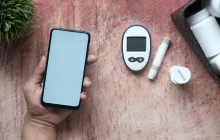
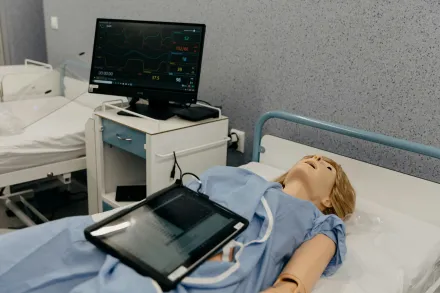
The technology required for effective remote monitoring spans devices, networks, and analytic software. At the patient level, devices such as blood pressure cuffs, glucometers, pulse oximeters, scale-based weight monitors, and posture or activity trackers gather streams of data. These streams feed into a secure cloud service where algorithms summarize trends, detect anomalies, and generate risk scores. Clinicians access dashboards that highlight patients who require attention and provide context about the readings, recent symptoms, and adherence patterns. The real value comes from a well-designed data flow: data must be reliably transmitted, interpreted in the clinical context, and translated into actionable tasks that fit into daily workflows. When data latency is minimized and insights are explained in plain language, care teams can respond quickly and without excessive cognitive load.
Patient Engagement and Behavioral Change
Engagement is not a one-size-fits-all proposition. Some patients respond to automated alerts and educational messages; others benefit from human reassurance and structured coaching. Remote monitoring programs that emphasize patient autonomy, clear goals, and tailored support tend to produce better adherence and fewer readmissions. Techniques such as goal setting, feedback on progress, and social support from caregivers can be woven into the monitoring experience without overwhelming the patient. Importantly, programs must respect patient preferences for communication modality, whether mobile alerts, phone calls, or in-person visits, to sustain participation over time. When patients feel that monitoring is a partner in their recovery rather than surveillance, they are more likely to engage in the behaviors that prevent deterioration.
Clinical Evidence and Real-World Outcomes
Across different disease groups, studies have demonstrated that remote monitoring can reduce readmission rates when embedded in comprehensive care models. For heart failure, home telemonitoring programs that track weight, blood pressure, and symptoms have shown reductions in 30-day readmissions in certain populations, particularly when paired with timely nurse-led outreach and rapid access to clinicians. In chronic obstructive pulmonary disease, monitoring of oxygen saturation and symptom burden has enabled earlier escalation to escalate or adjust therapy, reducing hospital utilization in some trials. Even after surgery, remote check-ins, wound assessments, and rehabilitation progress tracking have contributed to smoother transitions and fewer return visits. It is crucial to emphasize that the benefits typically arise when monitoring is integrated with proactive care management, not when devices merely collect data in isolation. The human element—clinical judgment, compassionate contact, and well-structured follow-up—remains essential to translate data into better outcomes.
Different patient groups require different monitoring strategies. Older adults may benefit from user-friendly interfaces and robust training to build comfort with devices, while younger patients may expect more digital interaction and rapid feedback. Patients with heart disease, hypertension, diabetes, kidney disease, or pulmonary conditions depend on a continuous stream of vital signs and symptom logs to reveal trends that would be invisible during a one-time clinic visit. For rural or underserved communities, remote monitoring can be a practical lifeline, reducing the need for travel and enabling access to specialist care that might otherwise be unreachable. Socioeconomic factors influence how data is interpreted, how caregivers participate, and how easily patients can maintain device usage. Programs designed with equity in mind address barriers such as internet access, language support, and cultural appropriateness to keep the benefits of monitoring within reach for all who might need it.
Operational Workflows and Care Coordination
Implementing remote monitoring requires meticulous design of workflows that align with existing hospital processes. Scheduling, alert triage, and escalation paths must be defined so that data-driven signals lead to timely actions without overwhelming clinicians. Care coordinators play a pivotal role in scheduling follow-ups, arranging home health visits when needed, and ensuring that care plans harmonize across primary care, specialty clinics, and hospital teams. When the monitoring program includes a clear handoff protocol at the moment of discharge, the transition becomes smoother and more predictable. The integration with electronic health records is another critical factor; interoperability standards and thoughtful user interface design help reduce duplication of work and improve data integrity. A well-tuned workflow can turn a complex technology solution into a reliable, everyday practice that supports safer transitions from hospital to home.
Data Privacy, Security, and Trust
Any remote monitoring program must address concerns about privacy and data security. Patients share sensitive information about health, behavior, and location, and clinicians rely on data that can influence critical decisions. Robust encryption, strict access controls, audit trails, and transparent data-use policies build trust and reduce risk. Equally important is ensuring that patients understand how their information is used and who can view it. Clear consent processes and ongoing communication about data governance help create a sense of safety around monitoring. When patients trust the system, they are more likely to engage with devices and share candid information about symptoms and side effects, which in turn makes readsions and interventions more accurate and timely.
Cost and Reimbursement Considerations
Financial viability is a central concern for hospitals and payer organizations considering remote monitoring. While the upfront costs of devices, platforms, and training are tangible, many programs achieve favorable return on investment through reduced admissions, shortened lengths of stay, and lower emergency department visits. Reimbursement models are evolving, with some payers offering coverage for remote monitoring services, nurse-led outreach, and digital health interventions as part of chronic disease management programs. Successful programs articulate clear value propositions, including measurable reductions in readmission rates, improved patient satisfaction, and better coordination of care across settings. To sustain efforts, it is essential to monitor not only clinical outcomes but also operational metrics such as alert burden, device usage rates, and care-team workload, ensuring that the technology remains a support rather than a bottleneck in patient care.
Equity and Access in Remote Monitoring
There is a risk that technology could widen gaps if programs are not designed with inclusivity in mind. Older adults, individuals with limited digital literacy, and patients who live in areas with weak connectivity may struggle to participate fully. Programs that deliver training, provide multilingual resources, and offer non-digital alternatives alongside digital options tend to achieve broader engagement. Community partnerships, home visits, and caregiver involvement can compensate for barriers by creating a safety net around the patient. By prioritizing equity in the design, procurement, and operations of remote monitoring programs, health systems can ensure that the benefits of reduced readmissions extend to patients who historically faced barriers to high-quality post-discharge care.
Implementation Roadmaps and Best Practices
Organizations embarking on remote monitoring initiatives benefit from a structured approach that starts with clear objectives, stakeholder alignment, and a realistic assessment of capacity. A phased rollout enables learning and adjustment, allowing teams to expand the patient population and the clinical triggers gradually. Best practices emphasize user-friendly device choices, robust training for patients and clinicians, and a resilient technical backbone that can withstand intermittent connectivity without data loss. Engagement with frontline staff during design phases helps produce workflows that fit naturally into daily routines, reducing friction and increasing adherence. Documentation and governance processes create accountability and ensure that monitoring remains aligned with clinical goals rather than becoming a standalone project. In practice, the most successful programs treat remote monitoring as an integral part of care delivery rather than a bolt-on technology.
Clinical Nuances: When Monitoring Works and When It Requires Caution
Remote monitoring shines when there is a clear link between the data collected and a defined action. In conditions with rapid fluctuations, such as congestive heart failure or acute respiratory issues, timely alerts can prompt life-saving or risk-reducing interventions. In other settings, data may be noisy or of uncertain significance, and clinicians must interpret it with caution to avoid unnecessary escalations. The interface design matters; dashboards should present context, trends, and clinical meaning in concise form, enabling quick judgments. It is equally important that patients receive appropriate education about what readings warrant concern and when to seek help. When monitoring is too intrusive or produces alerts that do not translate into practical steps, fatigue can set in for both patients and clinicians, undermining the entire effort. Thoughtful design and ongoing evaluation help maximize benefits while minimizing unintended consequences.
Future Innovations
The frontier of remote monitoring is expanding with advances in sensors, analytics, and patient engagement tools. Artificial intelligence can augment human judgment by identifying nonobvious patterns across large cohorts, predicting deterioration earlier, and optimizing care pathways based on real-time data. Wearables may evolve to monitor additional biomarkers and activity states, while home-based diagnostics become more capable and affordable. Interoperability improvements will allow data to flow seamlessly between hospital information systems, primary care records, and community health services. Clinicians will benefit from more nuanced risk stratification and clearer action plans that translate complex streams of data into simple decisions. As technology matures, patient experience should remain central, with interfaces that are intuitive, nonintrusive, and respectful of patient autonomy.
In summary, the potential of remote monitoring to reduce hospital readmissions rests on a careful blend of reliable devices, thoughtful data interpretation, patient-centered engagement, and integrated care processes. When these elements align, care teams can identify early warning signs, coordinate timely interventions, and support patients in maintaining stability after discharge. The result is not merely fewer return visits to the emergency department or inpatient beds but a more humane and proactive model of care that keeps people healthier in their communities. By investing in the right technology, the right people, and the right workflows, healthcare systems can transform the period after discharge from a fragile transition into a continuous, supported journey toward recovery.
Lessons from Successful Implementations
Successful implementations share a common thread: clear goals, engaged clinicians, patient-centered design, and a robust support structure. Programs that fail to integrate with primary care tend to drift into data collection without timely actions, losing the potential benefit. By contrast, teams that embed remote monitoring into a comprehensive discharge plan, assign dedicated care coordinators, and establish daily huddle routines for high-risk patients tend to achieve measurable improvements in readmission metrics and patient experience. The human factors—the trust built between patients, families, and the care team, and the sense that someone is watching over their recovery—are often as important as the technology itself. In these cases, technology acts as an amplifier of good clinical habits rather than a substitute for them.
Metrics and Evaluation
Evaluating remote monitoring programs requires a balanced set of measures. Clinical outcomes such as readmission rates, emergency department visits, and mortality are essential, but they must be interpreted in the context of patient complexity and care processes. Process measures like alert fidelity, response times, and adherence to follow-up schedules reveal whether the system is functioning as intended. Patient-reported outcomes, satisfaction, and perceived quality of life add the patient voice to the picture, ensuring that the program supports dignity and autonomy. Financial analyses should consider total cost of care, including device costs, staffing, and potential savings from reduced utilization. A mature program uses a dashboard that reconciles these domains, supports continuous learning, and makes it easy for leaders to see where improvements are needed.
Patient Stories and Voices
While numbers tell one part of the story, patient narratives reveal the real-world value of remote monitoring. A patient recovering from heart surgery might describe how daily weight tracking and a timely nurse call reassured them during a moment of anxiety, preventing a trip to the hospital. Another patient with chronic obstructive pulmonary disease could share how daily activity data helped them pace breathing and adjust medications to stay out of the hospital longer. Caregivers may note the emotional relief that comes from knowing there is a direct line to clinicians when questions arise, reducing the burden of caregiving. These stories underscore that remote monitoring is not merely a clinical tool but a caregiving ecosystem that supports patients where they live, in the moments that matter most.
Global Perspectives on Remote Monitoring
Experiences with remote monitoring vary across health systems and geographies, influenced by reimbursement models, technology infrastructure, and cultural expectations of patient autonomy. In some settings, universal access to connected devices is paired with concerted efforts to strengthen home health services; in others, programs target a subset of patients with the highest risk, gradually expanding as capacity allows. The global perspective highlights flexible design: devices that operate on low bandwidth, interfaces available in multiple languages, and care models that respect local workflows. Although challenges such as privacy concerns, data sovereignty, and resource constraints persist, the overarching trend is toward more continuous, connected care that reduces avoidable readmissions and shifts the focus from episodic care to sustained health maintenance across communities.
Sustainability and Long-Term Impact
Long-term success depends on building a sustainable model that balances technology, people, and processes. This includes ongoing training for clinicians and patients, regular updates to the clinical pathways as new evidence emerges, and mechanisms to prevent alert fatigue. It also requires governance structures that ensure data quality, monitor performance, and adapt to changing reimbursement landscapes. A durable program can scale gradually, analyze which patient cohorts benefit most, and invest in improvements that compound over time. By focusing on reliability, usability, and alignment with core care objectives, remote monitoring can become a lasting element of high-value care, rather than a temporary pilot that fades away after a few months.
The Path Forward for Hospitals and Care Teams
Looking ahead, hospitals that want to leverage remote monitoring should start with a patient-centered design philosophy, then build the technical and organizational scaffolding to support safe and effective practice. This means selecting interoperable devices, creating clear escalation protocols, and training teams to respond with empathy and speed. It also requires a commitment to equity, ensuring that all patients who could benefit have access regardless of age, income, or place of residence. As the healthcare landscape increasingly rewards outcomes rather than volume, remote monitoring stands out as a strategy that can simultaneously reduce readmissions, improve patient experience, and support clinicians in delivering proactive, value-driven care. By embracing continuous learning, strong governance, and thoughtful implementation, health systems can realize the promise of remote monitoring as a durable driver of safer, more efficient, and more humane care at the post-discharge stage.