Understanding Chronic Pain and Barriers to Traditional Care
Chronic pain is a complex and deeply human experience that extends beyond the intensity of sensations to affect mood, sleep, work, and relationships. It often resists simple medical explanations and demand for consistent, coordinated management over months and years. In many communities, patients face barriers that make regular clinic attendance difficult or even impractical. Distances between home and specialists, limited transportation options, and the high costs of repeated appointments can create a barrier that leaves pain unmanaged or undertreated. In addition, the skills and time required to navigate multiple providers, insurance plans, and treatment modalities create cognitive and emotional burdens that compound the physical symptoms. Telemedicine emerges as a bridge across these gaps by enabling patients to connect with clinicians from the comfort of familiar environments while still receiving thoughtful, comprehensive care. The goal of telemedicine in this context is not merely convenience but the creation of an integrated care experience that respects the day to day realities of living with chronic pain while aligning with evidence based strategies for relief and function restoration.
The Foundations of Telemedicine for Pain Management
Telemedicine rests on the principle that high quality medical care can be delivered through information and communication technologies that extend the reach of clinicians. At its core, telemedicine for chronic pain combines real time communication such as video visits with asynchronous channels like secure messaging and digital health portals. When used thoughtfully, these tools support timely assessment, ongoing monitoring, patient education, and collaborative decision making. The patient and the clinician may exchange findings, review treatment plans, adjust medications, and coordinate referrals without the friction of travel. For older adults or individuals with mobility challenges, this model can dramatically reduce the effort required to maintain continuity of care, which in turn supports adherence to treatment plans. Effective telemedicine programs in pain management also emphasize accessibility, ensuring platforms are user friendly, secure, and compatible with a range of devices, from smartphones to desktop computers, while maintaining clear pathways for urgent concerns when they arise.
Assessment and Diagnosis Through Remote Encounters
Remote encounters begin with a careful and empathetic history that frames the pain within the broader context of the patient’s life. Clinicians gather information about onset, distribution, quality, intensity, and fluctuating patterns, alongside functional impacts such as sleep disruption, daily activity limitations, and emotional distress. Video assessment can offer valuable clues about movement, posture, and function, while conversations about activity tolerance help guide recommendations for activity pacing and graded exposure to movement. Home based tools such as pain diaries, sleep logs, and daily activity records enrich the clinician’s understanding by providing longitudinal data that complements a limited physical examination. When necessary, clinicians can order imaging or laboratory tests with digital referrals, and many findings can be interpreted remotely with timely follow up. The remote assessment framework also includes safety considerations, such as red flags that would prompt urgent in person evaluation or escalation to secondary care, ensuring that patients receive accurate diagnoses and appropriate treatment adjustments in a timely manner.
Medication Management and Safety in Telemedicine
Managing medications for chronic pain requires careful balancing of benefits and risks, especially when analgesics or adjuvant therapies are involved. Telemedicine supports safe prescribing practices through secure electronic prescriptions, transparent documentation, and ongoing monitoring of efficacy and adverse effects. Clinicians can review medication histories, assess potential interactions, and coordinate with pharmacists to optimize regimens. Telemedicine platforms often incorporate automated reminders for refills, adherence prompts, and patient-reported outcome measures that track changes in pain intensity, functional status, and mood. Remote consultations enable clinicians to discuss non pharmacological options in parallel with pharmacotherapy, fostering a holistic approach rather than a singular focus on pills. Importantly, telemedicine can enhance opioid stewardship by facilitating risk screening, counseling about safe use, and timely identification of warning signs that require adjustment or withdrawal of certain medications, while respecting patient autonomy and preferences in a compassionate, non judgmental environment.
Remote Physical Therapy and Rehabilitation
Physical therapy is a central pillar of chronic pain management, yet in person sessions can be challenging to fit into busy schedules or long recovery trajectories. Telemedicine opens up opportunities for guided, home based rehabilitation that can be tailored to the patient’s capabilities and equipment. Clinicians can lead live demonstrations of exercises, observe technique through video, and provide real time feedback to correct form and prevent injury. Many programs pair synchronous sessions with asynchronous education, allowing patients to review exercise protocols on their own time. The use of mobile apps or wearable sensors can track repetition counts, tempo, and range of motion, providing objective data to inform progression. Even in the absence of hands on manipulation, the therapeutic alliance remains strong as clinicians acknowledge progress, celebrate small gains, and adjust plans in response to the patient’s reported outcomes and observed performance. This model supports sustainable improvements in strength, flexibility, endurance, and daily function while reducing barriers to ongoing engagement in therapy.
Psychological and Behavioral Support for Pain
Chronic pain frequently intersects with psychological factors such as anxiety, depression, catastrophizing, and fear of movement. Telemedicine makes psychological care more accessible by extending the reach of specialists in psychology, psychiatry, and behavioral health to patients who might not otherwise seek help. Through confidential video sessions, clinicians can deliver evidence based therapies such as cognitive behavioral therapy, acceptance and commitment therapy, and mindfulness based approaches that help patients reinterpret pain signals, reduce maladaptive coping strategies, and increase engagement in meaningful activities. Telemedicine also supports psychoeducational resources, guided relaxation exercises, and structured homework assignments that patients can complete between visits. The result is an integrated care experience where mental health and physical rehabilitation reinforce each other, contributing to improved mood, better sleep, reduced pain related disability, and a greater sense of control over one’s life.
Remote Monitoring, Wearables, and Data-Driven Care
The integration of wearables and remote monitoring devices into chronic pain care introduces a data rich dimension to management. Patients may wear devices that track activity levels, sleep quality, heart rate, and other physiological indicators that correlate with pain fluctuations or response to treatment. Pain diaries captured digitally offer granular insight into how daily routines, medications, and environmental factors influence symptoms. When this data is integrated with electronic health records, clinicians can identify patterns, adjust interventions proactively, and personalize treatment plans with a level of precision that was not possible in traditional episodic care. Patients appreciate having concrete feedback about progress, while clinicians gain a more complete picture of the patient’s lived experience beyond what is possible in a single appointment. Privacy protections and clear consent are essential elements of this data driven approach, ensuring that patients retain ownership of their information and understand how it is used to inform care decisions.
Care Coordination, Access for Rural and Underserved Populations
Telemedicine shines in its capacity to connect patients with a broad network of providers who may be geographically distant or specialized. In rural areas and underserved communities, access to multidisciplinary teams including physicians, nurses, physical therapists, psychologists, and social workers can be limited. Telemedicine enables hub and spoke models where local clinicians remain the point of care and specialist teams participate remotely to provide expertise and second opinions. This collaborative model supports timely referrals, layered care plans, and consistent follow ups without requiring patients to endure long journeys. For patients juggling work, family care, and financial constraints, telemedicine can reduce the burden of care while maintaining high standards of quality. Language support, cultural competence, and adaptations for sensory or cognitive impairments further enhance inclusivity, ensuring that telemedicine serves as a bridge rather than a barrier to comprehensive pain management.
Challenges, Limitations, and Patient Empowerment
Despite its many benefits, telemedicine is not a universal solution. It hinges on reliable technology, sufficient bandwidth, and digital literacy, all of which vary across populations. Some patients face digital exclusion due to lack of devices, poor connectivity, or limited comfort with screens, which can perpetuate disparities in pain management. Licensing and reimbursement policies across regions influence the feasibility and continuity of telemedicine services, sometimes requiring careful navigation by clinicians and patients. Privacy concerns, the need for secure data transmission, and ensuring informed consent in every encounter remain central to ethical practice. Empowering patients through education about how to use telemedicine tools, how to prepare for visits, and how to interpret feedback is essential to successful adoption. Hybrid models that blend in person and virtual care can accommodate preferences and clinical needs while preserving the strengths of both modalities. Building trust in digital care requires consistent communication, clear expectations, and a patient centered approach that honors autonomy and dignity.
Safety, Privacy, and Regulatory Landscape
Safeguarding patient safety and privacy is foundational to telemedicine in chronic pain care. Clinicians must stay apprised of evolving regulatory requirements, licensing rules, and data protection standards that govern the transmission of sensitive health information. Clear consent processes, transparent data practices, and robust security controls help protect patient information from unauthorized access. Telemedicine also introduces new responsibilities for triage and emergency planning; clinicians must have documented protocols for situations where patients require urgent in person evaluation or escalation to local emergency services. Documentation practices must capture the rationale for telemedicine based decisions, the data reviewed, and the plan for follow up. As telemedicine technologies advance, ongoing education for clinicians about best practices in remote assessment, communication skills in a virtual environment, and ethical considerations remains essential to sustaining high quality care that patients can trust.
Future Directions and Innovations in Telemedicine for Pain
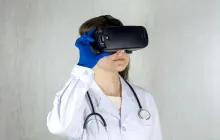
The horizon for telemedicine in chronic pain management includes exciting possibilities that blend technology with compassionate care. Advances in artificial intelligence may assist clinicians with screening tools that highlight patients at risk of poor outcomes, enabling proactive outreach and tailored interventions. Virtual reality and immersive therapies could augment traditional rehabilitation by providing engaging, motivating environments for movement and exposure to graded activities. Home based capabilities such as remote neuromodulation devices or guided, adaptive exercise programs could become more common as devices become safer and more user friendly. In parallel, research focused on patient experience, outcomes, and cost effectiveness will inform best practices and reimbursement policies, helping telemedicine become a standard component of comprehensive pain management rather than a supplementary option. As these innovations unfold, the central aim remains constant: to support people living with chronic pain so they can pursue meaningful activities, maintain autonomy, and experience a sustained improvement in quality of life through accessible, respectful, and evidence informed care.
Real-World Impacts: Patient Stories and System-Wide Benefits
Across diverse communities, stories emerge of patients who navigated chronic pain with less disruption to daily life thanks to telemedicine. A person living with widespread musculoskeletal discomfort found that regular video visits, combined with a home exercise program and remote monitoring, translated into steadier sleep and greater endurance for daily tasks. Another patient managing neuropathic pain discovered that faster prescription adjustments, guided by timely symptom reporting, reduced the occurrence of breakthrough pain episodes and minimized the need for emergency care. Caregivers often describe reduced travel time and stress, enabling them to participate more fully in treatment decisions and daily routines. Clinicians report stronger therapeutic alliances when conversations happen in familiar spaces, where patients feel seen and heard and where data from wearable devices informs practical steps rather than theoretical plans. Such experiences underscore the potential for telemedicine to reshape chronic pain care into a more equitable, responsive, and person centered system that respects each patient’s voice and pace of progress.