In recent years the landscape of health monitoring has shifted from periodic visits to continuous observation powered by wearable devices. Chronic conditions such as heart disease, diabetes, sleep disorders, respiratory illness, and musculoskeletal pain impose long tails of risk that unfold over weeks, months, and even years. Wearables provide a window into physiological signals and daily patterns that were once available only in clinical settings or through invasive testing. This gradual shift toward real time data has transformed how patients understand their own health, how clinicians detect early warning signs, and how systems of care respond to evolving conditions with timely interventions. The promise is not simply to collect more data but to translate streams of information into meaningful insights that can guide everyday choices, treatment adjustments, and proactive management strategies.
Today’s wearables come in many forms, ranging from smartwatches and fitness bands to specialized patches and rings. Each form factor emphasizes different data modalities and comfort profiles, allowing individuals with diverse needs and preferences to participate in continuous monitoring. The sensors embedded in these devices are designed to be light enough to wear throughout the day while delivering reliable measurements that can be interpreted in the context of an individual’s baseline health. The data harvested by these devices do not exist in isolation; they are integrated with apps, cloud platforms, and clinical workflows to support decision making across home, community, and professional care environments.
At the core of wearable health technology is a paradigm that treats health as an ongoing process rather than a single snapshot. By combining data from multiple sensors with user inputs, wearables can build a longitudinal picture of an individual’s physiology, activity, sleep, and behavioral patterns. This longitudinal view is crucial for understanding fluctuations that accompany chronic conditions, such as gradual changes in heart rate variability in cardiovascular disease, trends in glucose control in diabetes, or variations in lung function and breathing during respiratory illnesses. As this approach matures, it becomes possible to identify personal baselines, recognize deviations from those baselines, and tailor interventions to the unique dynamics of each patient’s condition.
How wearables collect data
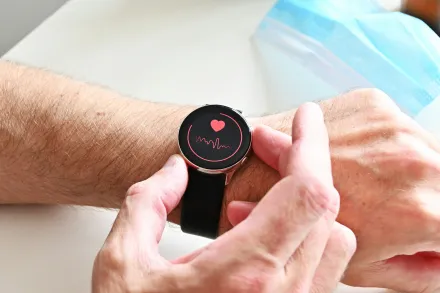
Wearable devices gather information through a combination of optical, electrical, and contextual sensing. Optical sensors, most commonly based on photoplethysmography, illuminate the skin and measure how light is absorbed or scattered by blood vessels. This data can be used to estimate heart rate, heart rate variability, and blood flow patterns, which are informative markers for cardiovascular and autonomic nervous system function. The strength of optical sensing lies in its noninvasive nature and its ability to operate continuously without requiring direct contact with a body fluid, though it can be sensitive to movement and ambient light conditions.
Electrical sensing is another cornerstone, especially in devices capable of recording electrocardiograms or single-lead heart activity. By detecting the electrical signals produced by the heart, these sensors can reveal rhythm disturbances, conduction delays, and changes in cardiac electrical stability. Even when full clinical-grade electrocardiography is not feasible in a consumer device, lower resolution measurements can still illuminate patterns such as elevated heart rate during activity or episodes of irregular rhythm that warrant medical attention. The data are most powerful when interpreted over time, in relation to the wearer’s baseline and lifestyle context.
Contextual data completed through motion sensors, skin temperature, and ambient environmental measurements provides additional depth. Accelerometers and gyroscopes track movement, posture, and activity levels, turning activity data into proxies for functional status and energy expenditure. Skin temperature can shift with illness, circadian rhythms, or environmental exposure, offering clues about fever trajectories or inflammatory states. Some devices integrate respiratory sensing through impedance or acoustic signals, which can reflect changes in breathing patterns that accompany chronic lung disease or sleep disorders. Location data and user inputs about symptoms or medication timing can further enrich the dataset, enabling a more complete portrait of health during daily life.
Smart sensors and their role in tracking chronic conditions
The practical value of wearable sensors lies in their ability to continuously monitor physiological signals with minimal burden on the user. For chronic conditions, this means capturing stability and change over weeks to months rather than just during a clinic visit. Continuous heart rate monitoring and heart rate variability provide insights into autonomic balance, stress responses, and deconditioning, all of which can influence the progression of cardiovascular disease and the risk of adverse events. Regular measurements of blood oxygen saturation can help identify respiratory compromise, exacerbations of chronic lung disease, and sleep-disordered breathing that might otherwise go unnoticed until symptoms worsen.
Glucose monitoring is a critical area for diabetes management, and wearables offer several pathways to insight. Noninvasive or minimally invasive glucose sensing technologies embedded in wearables can track trends in glucose control when combined with activity and insulin or medication timing data. While the accuracy of consumer-grade glucose metrics can vary, trend data and response patterns relative to meals, exercise, and sleep can still guide treatment decisions in collaboration with healthcare providers. Wearables also support hydration and electrolyte balance through skin conductance and derived metrics, which can be relevant for those managing kidney disease, metabolic syndrome, or heat-related stress during daily activities.
Beyond single metrics, multimodal wearables synthesize information across domains to reveal more complex physiological states. For example, a sustained elevation in heart rate with limited movement may reflect stress or an evolving clinical event, whereas a rise in respiratory rate paired with reduced sleep efficiency could indicate an early respiratory decline. Machine learning and personalized baselining enable devices to distinguish a person’s ordinary variability from meaningful changes, thereby reducing alarm fatigue and increasing compatibility with real-world living. The practical effect is a toolset that helps patients observe their bodies with greater nuance and collaborate with clinicians to fine-tune treatment plans over time.
Cardiovascular monitoring and early warning signals
In chronic cardiovascular disease, wearables can track heart rate, rhythm, blood pressure proxies, and activity tolerance to reveal changes that might signify disease progression or the onset of complications. Continuous heart rate data help assess autonomic function, a factor that can influence heart failure management and postevent risk stratification. Irregular rhythms detected through ongoing monitoring may prompt timely diagnostic tests or adjustments in therapy. Importantly, devices can be configured to generate alerts when specific thresholds are exceeded or when patterns emerge that resemble clinically significant events, enabling rapid communication with caregivers or medical teams while avoiding unnecessary anxiety from normal daily fluctuations.
Activity and sleep insights are also highly relevant for cardiovascular health. A consistent decline in daily steps, reduced exercise capacity, or disrupted sleep can reflect deconditioning, evolving heart failure status, or coexisting conditions such as sleep apnea. When these data are interpreted in context, healthcare providers can tailor rehabilitation plans, optimize medication regimens, and advise on lifestyle changes that support long-term cardiovascular resilience. The combination of physiological monitoring and behavioral data turns wearable devices into a practical companion for managing chronic heart disease across home and hospital settings.
Privacy and data stewardship remain essential considerations in cardiovascular monitoring. Patients should understand what events trigger alerts, who is notified, how data are stored, and how long information is retained. Clinicians likewise must balance the benefits of early detection with the potential for false positives, ensuring that communication pathways are clear and that patients retain agency over their own health information. When well implemented, wearable-based cardiovascular monitoring contributes to safer, more proactive care and a sense of shared management between patients and their medical teams.
Diabetes management and continuous glucose indicators
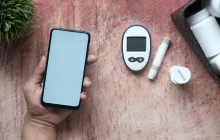
Diabetes care benefits from continuous observation of glucose trends, meal timing, physical activity, and stress levels. Wearables can provide context-rich information about how blood sugar responds to different foods, exercise regimens, and medications, helping patients optimize insulin dosing or other therapies. While not every device delivers medical-grade glucose data directly through wearables, many systems integrate with continuous glucose monitors (CGMs) and fashion a continuous picture of glycemic dynamics that can be analyzed with learning algorithms and clinical input. This shared data stream supports more precise interventions and reduces the burden of frequent fingerstick testing for some individuals.
The practical use of wearable glucose-related insights hinges on user engagement and the quality of the interpretive framework. Patients can observe how rapid-acting carbohydrates, fiber content, or exercise influence postprandial spikes, while clinicians can identify patterns indicating nocturnal hypoglycemia or dawn phenomena. Over time, these observations can guide dietary planning, medication titration, and adjustment of remote monitoring protocols, ultimately improving glycemic control and reducing complication risk. The value emerges when data are translated into actionable advice rather than raw numbers, with clear recommendations that patients can apply in daily life.
Wearables that incorporate activity tracking, sleep analysis, and stress indicators complement glucose data by providing a fuller picture of metabolic health. Poor sleep quality or high stress can worsen glucose variability, while regular physical activity can improve insulin sensitivity. By correlating these dimensions, care teams can design holistic interventions that address behavior, sleep hygiene, and medication timing in concert. As devices become more capable and user-friendly, the barrier to sustained monitoring diminishes, enabling longer observation windows and richer datasets for diabetes management inside and outside clinical environments.
Respiratory health, sleep quality, and chronic lung disease
Chronic respiratory conditions often require ongoing attention to breathing patterns, oxygenation, and endurance during daily activities. Wearables equipped with respiratory sensing capabilities can track breathing rate, depth, variability, and even airway dynamics in some advanced configurations. Changes in these signals may precede noticeable symptoms, offering a window for early intervention such as medication adjustment or a change in activity level. When combined with oxygen saturation measurements, wearable devices can help detect hypoxemia during sleep or exertion, guiding clinical decisions about therapy or refinements in disease management plans.
Sleep disordered breathing frequently coexists with chronic respiratory disease and cardiovascular risk. Wearables that monitor sleep stages, movement, and heart rate can help identify disruptions in sleep architecture and long-term consequences of poor sleep, such as blood pressure elevations or increased inflammatory markers. Patients can gain a better understanding of how bedtime routines, environmental factors, and comorbidities interact with their respiratory health. Clinicians benefit from longitudinal sleep data when formulating treatment strategies, adjusting ventilatory support, or recommending lifestyle adjustments that support respiratory function and overall well-being.
Contextual data such as activity levels, environmental exposure, and medication adherence further enrich respiratory analysis. For instance, episodes of exertional breathlessness might align with shifts in daily activity patterns or air quality indices, enabling targeted counseling and environmental controls. The overarching aim is to create a feedback loop whereby real world data informs personalized treatment while empowering patients to participate actively in their care, reducing the risk of acute exacerbations and hospitalizations.
Movement disorders, chronic pain, and functional monitoring
Chronic pain and movement-related disorders pose distinct monitoring challenges because symptoms may fluctuate with activity, mood, and sleep. Wearable devices shed light on functional status by tracking movement quality, gait patterns, posture, and daily activity endurance. Subtle changes in mobility can signal progression of a condition or the onset of a complication before patients perceive it themselves. By sharing this information with clinicians, patients gain evidence-based feedback about the effectiveness of physical therapy, analgesic regimens, and ergonomic adjustments in real time.
Moreover, wearables can capture circadian fluctuations in pain perception and mood, which often correlate with energy levels and sleep quality. This information helps tailor multidisciplinary treatment plans that address not only the physical dimension of chronic pain but also the behavioral and psychological factors that influence symptom experience. With persistent data streams, clinicians can identify responders and nonresponders to interventions, optimize scheduling for therapy sessions, and track long-term trends that matter for quality of life and functional independence.
As sensors become more sensitive to subtle movements and muscle activity, wearables can support rehabilitation programs by providing objective metrics for progress. Patients can observe improvements in strength, flexibility, and endurance, reinforcing adherence to exercise prescriptions and facilitating early adjustments when progress stalls. Importantly, wearables should be integrated with patient education and self-management tools so that data become meaningful knowledge rather than an abstract metric, empowering individuals to make informed decisions about activity levels, pacing, and pain management strategies.
Sleep, circadian rhythms, and overall well-being
Sleep is a foundational pillar of health, and chronic conditions often interact with sleep quality in complex ways. Wearables that monitor sleep duration, stages, heart rate, and movement provide a practical means to assess sleep architecture at scale. Disturbances in sleep can exacerbate metabolic, cardiovascular, and inflammatory processes, while improved sleep can enhance daytime functioning and treatment responsiveness. By tracking nightly patterns over weeks and months, individuals can identify habits, environment, and medications that influence sleep and collaborate with clinicians to optimize bedtime routines and therapies.
Beyond duration, the quality of sleep matters. Devices that infer sleep stages and awakenings reveal whether restorative sleep is achieved, how leg movements or snoring relate to arousals, and how environmental factors like room temperature affect rest. When analyzed alongside daytime activity and mood data, sleep metrics help explain fluctuations in blood pressure, glucose control, and pain perception. The resulting insights support comprehensive care plans that address sleep hygiene, insomnia, sleep apnea screening, and behavioral changes that promote healthier sleep cycles.
For patients with chronic conditions, the ability to quantify sleep over extended periods fosters a proactive stance toward well-being. Clinicians can use sleep trends to time medication adjustments, schedule follow-ups when necessary, and recommend behavioral interventions such as relaxation training or light exposure therapy. The integration of sleep data with other physiological signals turns wearables into a versatile tool for understanding the interconnectedness of rest, recovery, and disease management in everyday life.
Data analytics, baselining, and personalized interpretation
Raw sensor streams only become valuable when transformed through thoughtful analysis. Wearables rely on analytics that establish a personal baseline for each user, allowing algorithms to distinguish meaningful change from normal variability. This approach reduces false alarms and improves the relevance of alerts by learning what constitutes typical patterns for a given individual. Robust baselining requires extended periods of wear, consistent usage, and careful data quality checks to filter out noise from movement, device placement, or environmental interference.
Personalized interpretation integrates multiple data streams, contextual inputs, and clinical knowledge to produce actionable insights. For example, a rise in resting heart rate paired with decreased activity and poorer sleep may indicate fatigue, illness, or a worsening chronic condition, while the same pattern in a different person could reflect training adaptation or a temporary stressor. Clinicians can use these nuanced interpretations to tailor recommendations, adjust monitoring intensity, and design patient-specific care pathways that align with goals and preferences. The most effective analytics also preserve the patient’s autonomy, presenting understandable explanations and options rather than opaque algorithmic judgments.
This analytic framework extends to predictive modeling, where researchers and clinicians examine whether certain patterns reliably forecast adverse events or disease progression. Prospective models can guide proactive outreach, hospital avoidance strategies, or early therapeutic adjustments. Yet the deployment of predictive analytics must be tempered with careful validation, transparency about uncertainty, and ongoing user engagement to ensure trust and correct interpretation by patients and providers alike.
Clinical integration, patient engagement, and workflow considerations
Widespread adoption of wearable monitoring hinges on seamless integration into clinical workflows. Data flow should be designed to minimize extra steps for clinicians, with sources standardized, time-stamped, and interoperable with electronic health records. When wearable data appear in the clinician’s dashboard alongside lab results and imaging, care teams can quickly gauge trajectory and determine the next best action. Alerts and summaries should be prioritized to reduce alarm fatigue and support timely, patient-centered decision making rather than creating information overload.
Patient engagement is at the heart of successful monitoring programs. Users must understand what signals the device is tracking, what actions are expected in response to alerts, and how their privacy is protected. Education about data interpretation helps patients see the relevance of wearables to their daily lives, encouraging sustained use and honest reporting of symptoms or medication adherence. Design features such as intuitive interfaces, culturally appropriate content, and accessible language enhance engagement across diverse populations and improve the equity of chronic disease management through technology.
From a systems perspective, partnerships among device manufacturers, healthcare providers, insurers, and patient advocacy groups shape the accessibility and affordability of wearable monitoring. Reimbursement policies, regulatory oversight, and quality assurance processes influence how quickly innovative sensors translate into routine care. When stakeholders align around patient outcomes, wearables can become a standard component of chronic disease management, enabling proactive care, personalized support, and better health trajectories while respecting user autonomy and dignity.
Privacy, security, and ethical considerations
The continuous collection of personal health data raises important questions about privacy, consent, and data security. Patients need clear information about who accesses their information, how it is stored, for how long, and for what purposes it may be used beyond direct care. Security measures such as encryption, authentication, and access controls help protect sensitive data from unauthorized use, yet ongoing vigilance is required to address emerging threats and potential vulnerabilities in consumer devices. Transparency about data handling fosters trust and helps patients make informed choices about participation in wearable monitoring programs.
Equity is another ethical dimension that warrants attention. Access to wearables, digital literacy, and the availability of robust internet connectivity influence who benefits from monitoring technologies. Efforts to reduce disparities should emphasize user-friendly designs, multilingual support, and affordable devices, ensuring that chronic disease management is not limited to a privileged subset of the population. Clinicians and researchers also have a responsibility to avoid overreliance on technology at the expense of person-centered care, maintaining space for conversation, interpretation, and shared decision making that respects patient values and preferences.
Regulatory and governance considerations shape how data are used in research, quality improvement, and population health initiatives. Data sharing agreements, deidentification standards, and consent frameworks require careful alignment with patient expectations and applicable laws. When ethical safeguards are in place, wearables can contribute to a more compassionate health system that leverages technology to support individuals with chronic conditions while preserving dignity, autonomy, and the right to participate in decisions about one’s own care.
Future directions, challenges, and the evolving care landscape
The trajectory of wearable technology in chronic disease management points toward devices that are more accurate, less intrusive, and capable of delivering richer, context-aware insights. Advances in sensor materials, battery life, and energy harvesting will enable longer wear times and more continuous monitoring without frequent charging interruptions. Innovative data fusion techniques will allow even small devices to infer complex states such as inflammatory activity, hydration status, and tissue health, expanding the scope of conditions that can be monitored safely in daily life.
Interoperability remains a central challenge. Manufacturers, clinicians, and researchers are increasingly aware that data must flow smoothly between devices, apps, and electronic health records to provide a cohesive care experience. Standardized data models, common APIs, and shared clinical vocabularies will facilitate integration, reduce fragmentation, and support scalable workflows across health systems. As these standards mature, patients can expect more consistent experiences and fewer barriers to using wearables as part of routine care.
Another frontier involves personalized coaching and behavioral support. Wearables will not only measure health signals but also deliver tailored feedback that takes into account an individual’s goals, preferences, socioeconomic context, and cultural background. With the help of intelligent agents and human oversight, devices can offer adaptive programs that encourage adherence, motivate lifestyle changes, and sustain long-term engagement without creating dependency or anxiety. The result could be a more resilient model of chronic disease management that blends technology with human partnership to promote sustainable well-being.