Big data in public health represents a paradigm shift in how societies observe, understand, and respond to the health needs of populations. It encompasses vast, diverse, and rapidly acquired information from a multitude of sources that extend beyond traditional clinical records. At its core, big data refers to data sets that are so large and complex that conventional methods struggle to process them efficiently, yet the real value lies not merely in quantity but in the actionable knowledge that emerges when patterns, correlations, and causal si...
Medical Technology & Innovations

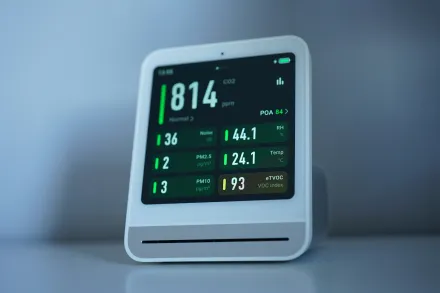
In the modern landscape of healthcare, AI-powered health monitoring platforms stand as a transformative force that blends continuous data collection with intelligent interpretation. These platforms synthesize streams from wearables, medical devices, and electronic health records to produce actionable insights that can guide both clinical decisions and patient self-management. The promise lies not merely in accumulating data, but in transforming it into meaningful context that can detect subtle changes in health status, predict potential deterio...

Diagnostic accuracy stands at the center of clinical decision making, acting as the bridge between observed patient manifestations and the underlying conditions that clinicians strive to identify. It is not a single number but a tapestry of metrics that include sensitivity, specificity, positive and negative predictive values, and the often overlooked dimension of calibration, which reflects how well a probability estimate aligns with real-world frequencies. In practice, accuracy is mediated by the patient’s presentation, the prevalence of dise...

Telemedicine has emerged as a transformative channel in health care, and its influence on mental health screening stands out for its capacity to identify concerns earlier, tailor responses to diverse settings, and integrate continuous observation with timely intervention. The concept of screening in mental health is rooted in the recognition that early detection of mood disorders, anxiety syndromes, and related conditions can alter trajectories, reduce burden, and prevent deterioration when followed by appropriate care pathways. Telemedicine do...
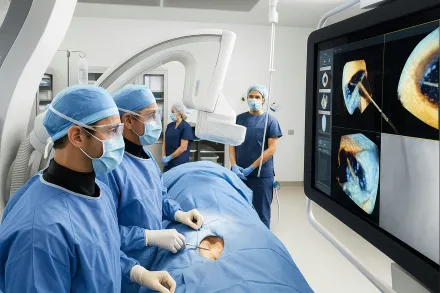
Augmented reality AR sits at the intersection of digital information and the physical environment, blending live surgical views with layered data to guide decisions, measure alignment, and refine motion. In the operating room this technology acts as a dynamic navigator, projecting patient-specific anatomy, instrument tracking, and real-time analytics into the surgeon's field of perception. The promise of AR is not merely to overlay static diagrams but to create an integrated, contextual canvas that synchronizes radiologic images, preoperative p...
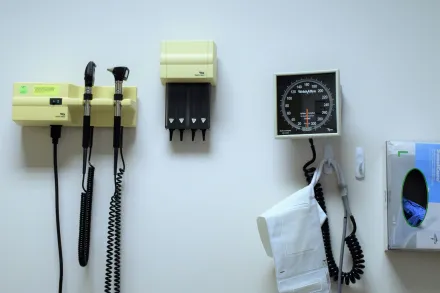
Telemedicine has moved beyond a niche option for remote patients and into a fundamental pillar of modern health care delivery, reshaping how clinicians diagnose, treat, and support the well being of diverse populations. The shift is not simply about screens and microphones; it is about reimagining the relationship between patients and clinicians through timely information, continuous monitoring, and more flexible access to expertise. In many regions, telemedicine emerged from necessity during emergency situations, yet its continued expansion is...

Readmission rates have long stood as a mirror reflecting the quality of inpatient care, post discharge planning, and the availability of social and clinical support systems. When a patient returns to a hospital shortly after discharge, it can signal gaps in risk assessment, care transition processes, or outpatient follow up. Traditional approaches to predicting readmissions have relied on simple thresholds or limited sets of diagnostic codes, offering only a coarse view that often failed to identify the nuanced combinations of factors that driv...
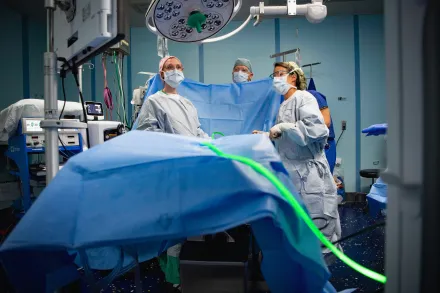
In modern medicine, the fusion of engineering and clinical practice has produced a new class of tools that extend the reach of the surgeon beyond the limits of manual dexterity. Robotics in surgery refers to the use of mechanical arms, computerized control systems, and high fidelity visualization to assist or guide the surgeon through delicate operations. This fusion creates an environment where precision, steadiness, and ergonomic efficiency can be improved while preserving the essential decision making of the human operator. The technology do...

As healthcare continues to evolve, the role of education within the patient journey has become increasingly central to improving outcomes, satisfaction, and adherence to treatment plans. Virtual reality offers a unique pathway to transform traditional didactic methods into immersive experiences that engage the senses, foster empathy, and translate complex medical concepts into tangible, memorable learning moments. By transporting patients into carefully designed digital environments, VR can simplify explanations of anatomy, procedures, and pote...
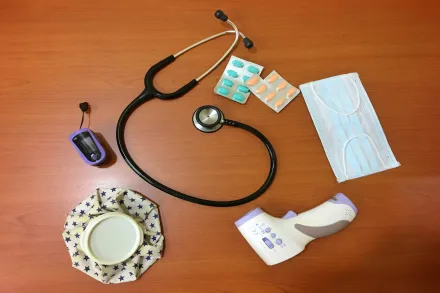
In recent decades, remote patient monitoring has moved from a niche, experimental concept to a cornerstone of chronic disease management and preventive care. The early stages relied on sporadic data collection, often constrained by limited connectivity, bulky devices, and the logistical hurdles of transmitting information from patients' homes to clinics. With the democratization of sensors, improvements in wireless communication, and the emergence of cloud-based analytics, RPM evolved into a continuous or near continuous stream of health signal...