Introduction to robotics in surgery
In modern medicine, the fusion of engineering and clinical practice has produced a new class of tools that extend the reach of the surgeon beyond the limits of manual dexterity. Robotics in surgery refers to the use of mechanical arms, computerized control systems, and high fidelity visualization to assist or guide the surgeon through delicate operations. This fusion creates an environment where precision, steadiness, and ergonomic efficiency can be improved while preserving the essential decision making of the human operator. The technology does not replace the surgeon; it augments human capabilities by translating intention into highly controlled movements, filtering out tremor, and enabling access to confined anatomical spaces that would be challenging with traditional approaches. As a result, patients may experience benefits that arise not merely from a single device but from a coordinated workflow that includes planning, imaging, and intraoperative feedback aligned with clinical goals.
Historically, surgical robotics emerged from early explorations in teleoperation and image guidance, gradually evolving into sophisticated systems that combine three dimensional visualization with articulated instrument tips. The trajectory of development has been shaped by a continuous dialogue among engineers, surgeons, anesthesiologists, nurses, and hospital administrators, each contributing perspectives on safety, efficiency, and outcomes. The shift toward minimally invasive techniques accelerated the adoption of robotic platforms because the instruments offer greater range of motion within restricted cavities and improved control in the hands of a trained operator. The resulting capabilities include submillimeter precision in some tasks, remarkable steadiness during complex dissections, and the potential to standardize certain procedural steps through repeatable instrument trajectories. Although the promise is substantial, the leap from promise to routine practice rests on rigorous training, thoughtful patient selection, and ongoing evaluation of patient centered outcomes.
In clinical discourse, robotic systems are often described as a bridge between human skill and machine precision. The surgeon remains at the helm, typically seated at a console that provides immersive visualization and the ability to manipulate master controls that drive the robotic arms. The interplay between human judgment and machine execution creates a dynamic where intraoperative decisions can be refined in real time, and where the instruments can execute movements that would be physically straining if performed freely by a human hand. This collaborative model requires meticulous team coordination, including scrub personnel, nursing staff, and anesthesia providers, to maintain a stable environment for a potentially longer and more technically complex operation. The benefits of such collaboration become apparent in carefully chosen cases where the anatomy is demanding, the disease process is intricate, and the anticipated recovery profile favors rapid return to function for the patient.
Beyond the immediate surgical field, robotics in surgery has stimulated broader discussions about the efficiency of care pathways, the design of operating rooms, and the training ecosystems that shape the next generation of surgeons. Institutions investing in robotic platforms often adopt standardized protocols for patient selection, preoperative planning, and intraoperative checklists that emphasize safety and reliability. The overarching objective is to translate the theoretical advantages of precision and control into tangible improvements in patient experience, less tissue trauma, and faster return to daily activities. Yet the narrative is nuanced; not every procedure benefits equally from robotics, and the value proposition hinges on a careful balance of expertise, case complexity, and institutional resources. This landscape invites ongoing assessment, adaptation, and transparent communication with patients and families about what robotics can realistically achieve in a given context.
When considering the adoption of robotic systems, stakeholders routinely weigh the potential to reduce surgeon fatigue against the realities of equipment maintenance and system reliability. The ergonomics of at least some consoles are designed to mitigate the physical strain of prolonged cases, which can be meaningful for surgeons performing many operations over a career. However, console time can also be associated with cognitive load as surgeons manage intricate visualization and precise instrument control while supervising an entire team. The integration of robotics thus represents a systems level change, requiring investment not only in devices but in personnel training, workflow redesign, and data governance. The patient outcomes associated with such investments are ultimately a reflection of how well the technology is integrated into the broader culture of safety and continuous improvement within a healthcare organization.
How robotic systems function
Central to the operation of robotic platforms is a triad that includes a visualization subsystem, a set of articulated instruments, and a control console. The visualization component typically delivers high definition, three dimensional imagery, providing depth perception that supports precise tissue handling. To translate the surgeon’s intent into instrument motion, master controllers at the console convert hand and finger movements into voltage and torque commands that actuate the robotic arms. This translation can suppress human tremor and scale motion to permit micro movements that would be impractical at the bedside. The result is a level of operational finesse that can improve accuracy during critical steps such as dissection, suturing, and vessel sealing. The overall system is designed to remain responsive and intuitive for the operator while maintaining a safe operational envelope through built in safeguards and feedback mechanisms.
Instrument design is another cornerstone, balancing reach, joint articulation, and compatibility with the anatomical corridor being addressed. The tools are often long and slender to access deep or narrow spaces, and they incorporate various end effectors such as graspers, scissors, needle drivers, and energy devices. The energy devices enable controlled coagulation and cutting, reducing bleeding while preserving surrounding tissues. The control algorithms aim to create smooth trajectories that minimize unintended contact with nontarget structures. It is essential that instrument exchange is efficient and that spare parts or accessories are readily available to avoid unnecessary delays. The reliability of the system is reinforced by diagnostic routines that verify sensor integrity, track wear patterns on instrument joints, and monitor power supply stability during the procedure.
The software backbone of robotic systems supports the coordination of movements, integration with imaging modalities, and the potential incorporation of decision support tools. In some designs, surgeons may access preoperative data overlays or real time imaging that aligns with their operative plan. In addition, simulation capabilities allow rehearsal of complex operations in a risk free environment, which helps surgeons gain familiarity with the specific platform and tailor their technique to the patient’s anatomy before the actual procedure begins. The safety architecture of these platforms often includes fail safe modes, rapid disengagement options for the surgeon, and alerting mechanisms to prompt assistance from the broader intraoperative team if any anomaly arises. This layered approach to safety seeks to minimize the risk of inadvertent instrument motion and to maintain continuous situational awareness in what can be a highly dynamic environment.
Another critical aspect is the integration of data streams from intraoperative monitoring, imaging studies, and patient physiology. When well orchestrated, this integration can support more informed decision making and sharper adjustments during surgery. It is important that the team maintains a shared mental model of the ongoing operation, with clear communication about instrument status, anticipated milestones, and contingencies in case of unexpected findings. The human operator’s expertise remains the central driver of the procedure, but the robotic system provides a platform that is capable of delivering refined, repeatable actions under precise control. This synergy represents a meaningful departure from conventional open or laparoscopic methods and has the potential to expand the range of cases that can be performed with minimally invasive techniques while maintaining a high standard of safety and quality of care.
In the clinical theatre, the success of robotic surgery hinges on preoperative planning, intraoperative performance, and postoperative evaluation, with each phase reinforcing the others. Preoperative imaging and navigation data may be used to guide instrument pathways and to anticipate critical structures that demand careful avoidance. Intraoperative feedback, including high fidelity visualization and instrument tracking, helps the surgeon assess progress in real time and adapt to technical challenges as they arise. Postoperative assessment then informs future practice, enabling the surgical team to refine selection criteria, adjust technique, and optimize recovery protocols based on observed outcomes and patient-reported experiences. In this way robotics in surgery becomes not a single intervention but a continuous cycle of learning, performance improvement, and patient-centered care that evolves with evidence and experience.
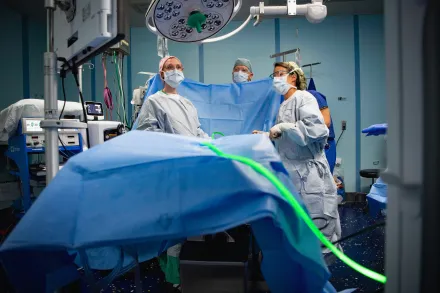
It is also important to recognise the collaborative nature of robotic surgery, wherein the entire operating team contributes to the success of the procedure. Anesthesiologists monitor physiologic stability and respond to the demands of the operative duration, while nurses manage instrument availability, maintain sterile technique, and anticipate needs that arise during complex moves. The scrub nurse and circulating staff coordinate to ensure that equipment is properly prepared and that any device changes occur smoothly. The team’s experience and communication skills often determine whether the advantages of the robotic approach are fully realized in the patient’s outcome. When teams practice together regularly, they can streamline steps, reduce turnover times between cases, and shorten postoperative recovery milestones through disciplined perioperative care, all of which complement the technical prowess of the robotic systems themselves.
Clinical benefits for patients
One of the most frequently cited advantages of robotic assistance is enhanced precision in dissection and suturing, which translates into cleaner incisions and less trauma to adjacent tissues. The ability to perform minute, controlled movements is particularly valuable in operations near critical nerves, blood vessels, and delicate organs where even minor hand tremor could lead to tissue injury. The predictable motion profile offered by the robot can reduce inadvertent tissue handling and may contribute to lower rates of inadvertent complications such as bleeding or unintended nerve damage. These improvements in technical performance can have downstream effects on recovery timelines and postoperative comfort, especially when compared to older, less precise approaches.
Another widely recognized benefit is improved visualization. The three dimensional, magnified view provided by many robotic systems offers an enhanced appreciation of anatomical relationships. Surgeons can assess microanatomy with clarity that is challenging in conventional methods, which can aid in preserving function and improving dissection planes. This optical advantage often aligns with the goals of organ preservation, accurate tumor margin assessment, and careful identification of critical structures. The result can be more conservative resections, better organ-sparing outcomes, and reduced collateral damage, which collectively contribute to shorter hospital stays and potentially quicker return to normal activities for patients.
Minimally invasive characteristics are central to patient-centered benefits. The robotic approach frequently enables smaller incisions, which correlate with reduced soft tissue trauma, diminished postoperative pain, and lower risk of wound-related complications. Patients often experience quicker mobilization, earlier resumption of oral intake, and more rapid rehabilitation compared with more invasive surgical methods. The combination of refined instrument control and constrained tissue trauma tends to support faster functional recovery, enabling individuals to resume daily routines sooner and with less disruption to their lives. These clinical advantages are especially meaningful for populations where recovery speed is critical to maintaining independence and quality of life.
In specific subspecialties, the patient-level benefits can be particularly pronounced. For instance, in urologic surgery, robotic assistance has shown promising improvements in precision during delicate suturing of the urinary tract and complex reconstruction, potentially reducing the risk of postoperative strictures and leakage. In gynecologic oncology, robotic systems can facilitate meticulous tumor debulking and nerve-sparing techniques, where preserving reproductive or pelvic function is a priority. In general surgery, robotic platforms may support precise hernia repair with controlled mesh placement or enable complex bariatric procedures with reproducible limb geometry that supports consistent outcomes. Across disciplines, the shared thread is that when robotics is applied to appropriate cases, it can complement surgical judgment with ergonomic advantages that translate into patient benefits in the perioperative period and beyond.
Beyond the immediate surgical field, robotics can influence perioperative care pathways, including anesthesia management, hemodynamic stability during longer procedures, and postoperative pain protocols. The relative predictability of instrument motion and reduced tissue disruption can contribute to gentler tissue handling and diminished inflammatory response, which in turn may influence pain perception and analgesic requirements. In some studies, patients report lower pain scores and shorter duration of strong analgesic use after robotic procedures, although results vary depending on the specific operation and patient factors. The broader implication is that robotics has the potential to shape holistic care experiences, not only the moment of intervention but the entire trajectory of recovery and rehabilitation.
Cosmetic considerations, while not the primary goal of surgery, are also relevant to patient perception and satisfaction. The smaller incisions typical of many robotic procedures may result in less conspicuous scarring, which can be meaningful for patients' body image and long-term psychological well-being. While the clinical outcomes remain the central focus, the aesthetic dimension can contribute to overall satisfaction and perception of quality care. In some contexts, fewer wounds may also reduce scarring-related complications and the need for revision procedures, adding another layer of potential benefit associated with appropriate use of robotic technologies.
In addition to physical outcomes, robotic surgery can influence the educational experience for trainees and the ongoing professional development of practicing surgeons. The structured, repeatable motion profiles and the objectivity of certain intraoperative data streams can provide valuable feedback for skill development. However, it is essential to balance this potential with the recognition that real-world judgment, tactile assessment, and nuanced tissue feedback remain critical components of surgical expertise. Experienced mentors and comprehensive training pathways are necessary to ensure that the technology enhances rather than erodes the clinician’s ability to respond to unexpected findings during an operation. In this sense, robotic platforms become not only instruments but catalysts for a more thoughtful approach to surgical practice that values both innovation and seasoned clinical judgment.
Patient education remains a cornerstone of successful adoption. Transparent discussions about what robotics can and cannot achieve in a given case help align expectations and informed consent. Patients should understand the nature of the procedure, the role of the robotic system, potential alternatives, and the possible risks specific to a robotic approach. Shared decision making respects patient autonomy while enabling clinicians to tailor a plan that optimizes safety and outcomes. For some individuals, robotics offers a compelling route to less invasive treatment with a favorable recovery profile; for others, alternative approaches may be equally or more appropriate. The goal is to ensure that each patient receives care that is congruent with their values, anatomy, and clinical circumstances.
Finally, evidence synthesis remains an essential part of measuring patient benefit. The body of literature on robotic surgery includes randomized trials, observational studies, and comparative analyses that collectively inform best practices. While early adopters often emphasize the functional gains of robotics, subsequent analyses emphasize context, case mix, and long term outcomes. The evolving evidence base must be integrated with patient preferences, surgeon experience, and institutional resources to shape guidelines that are practical and relevant across diverse settings. This evidence-informed approach helps ensure that the deployment of robotic technology contributes to meaningful, durable improvements in patient health and well being over time.
Clinical challenges and limitations
Despite the promises associated with robotic assistance, there are intrinsic challenges and limitations that must be acknowledged and addressed for responsible use. A key limitation is the absence of direct tactile feedback in some robotic systems, which means surgeons rely on visual cues and indirect cues such as tissue response to instrument pressure. The lack of haptic sensation can complicate tissue discrimination and force estimation, requiring a adapted skill set and careful intraoperative assessment. Surgeons often compensate by integrating qualitative cues from visual inspection, instrument resistance, and tissue movement, but this compensation may not be universal across all operators or procedures. This gap highlights the need for ongoing research into improved haptic interfaces or alternative feedback modalities that can enhance surgeon perception without compromising safety.
Another challenge is the potential for increased operative time, at least during the initial learning curve and in complex cases. Even experienced teams may encounter longer durations as they optimize docking, instrument exchanges, and patient positioning specific to robotic workflows. Prolonged anesthesia time can carry its own risks, particularly for high-risk patients or those with comorbidities. Institutions must balance the theoretical efficiency of robotic platforms with pragmatic considerations about scheduling, staffing, and resource utilization. This balance often requires a careful assessment of case mix, surgeon familiarity, and the availability of technical support during the operation to ensure that patient safety remains the primary priority.
Patient selection criteria represent another important limitation. Not every procedure or patient anatomy is well suited to a robotic approach, and some cases may benefit more from traditional open techniques or conventional laparoscopy. Factors such as obesity, congenital anomalies, prior surgeries, and complex oncologic involvement can influence the feasibility and safety profile of a robotic operation. Surgeons and care teams must undertake comprehensive preoperative evaluation, including imaging review and multidisciplinary discussion, to identify those patients who are most likely to benefit from robotics while avoiding unnecessary risks. The dynamic nature of surgical decision making means that even when robotics is planned, intraoperative findings may necessitate conversion to an alternative approach, underscoring the importance of preparedness and clear communication with the patient about contingencies.
Mechanical reliability is another practical concern. Robotic systems are sophisticated machines that depend on precise hardware, software stability, and robust maintenance protocols. Instrument wear, calibration drift, or unexpected software glitches can disrupt a case if not promptly addressed. Hospitals must establish redundancy plans, supply chain resilience for parts, and rapid access to technical support. The risk of unplanned interruptions emphasizes the need for teams to maintain a high degree of readiness for alternative strategies should a technical issue arise. Robust maintenance programs, rigorous testing, and vendor partnerships help minimize such disruptions and preserve uninterrupted patient care in the operating theater.
Surgeon and team training represent a persistent challenge as well. Mastery of robotic techniques requires dedicated time, resources, and mentorship, and the learning curve can vary across procedures and patient populations. This reality has implications for credentialing, ongoing competency assessments, and the distribution of advanced skills within surgical departments. Institutions voting to adopt robotic platforms must invest in simulation curricula, proctored cases, and structured continuing education that keeps pace with technology updates. Without sustained and well designed training, the potential benefits may not be fully realized and could even translate into increased perioperative risk rather than improvement. The professional development considerations are as important as the technical capabilities of the machines themselves.
There is also the concern of data management and privacy. Robotic systems generate rich streams of intraoperative data, video, and telemetry that can be valuable for teaching and quality improvement but require careful handling to protect patient confidentiality. Institutions must implement data governance frameworks, access controls, and secure storage solutions to comply with regulatory requirements and ethical expectations. When data are used for research or benchmarking, it is essential to maintain patient anonymity, obtain proper consent, and ensure transparency about how information will be used. This dimension of robotics in surgery links clinical care to information security and patient rights, reflecting the broader digital health landscape in which modern medicine operates.
From a clinical perspective, not all advantages observed in one setting replicate in another. Variability in surgeon expertise, patient anatomy, disease stage, and institutional protocols can lead to differences in outcomes. It is important to interpret study results with attention to these contextual factors and to avoid overgeneralizing benefits. The heterogeneity of patient populations across studies means that blanket claims about robotics should be tempered by careful consideration of individual circumstances. In daily practice, clinicians must weigh evidence against clinical judgment and patient preferences to determine the most appropriate approach for each case. This prudent, personalized approach remains essential for translating technological potential into real world benefits that endure over time.
The integration of robotics into established care pathways also necessitates alignment with other evolving techniques and devices. As new energy modalities, imaging enhancements, and navigational aids emerge, clinicians must assess how these innovations interact with robotics without compromising safety or efficiency. The compatibility of instruments, software interfaces, and operating room configurations becomes a central logistical concern. In some environments, the adoption of robotics may require broader infrastructural changes, such as upgrading electrical systems, improving sterile processing workflows, and redesigning patient positioning zones to accommodate docking and instrument reach. These systemic considerations influence the pace and scope of technology adoption and shape the practical reality of delivering robotic assisted care in diverse hospital settings.
Patient experience is yet another dimension where limitations can be observed. Even when technical aspects proceed smoothly, patients may encounter anxieties related to implants, artificial components, or the perception of being treated by a machine. Clear, empathetic communication about what robotics entails—how the surgeon remains in control, what to expect during recovery, and how risks are managed—helps address fears and fosters trust. Surgeons and teams should provide accessible information, encourage questions, and involve families in the care plan to support shared understanding. The human element remains central to patient satisfaction, and it is amplified by the clarity and transparency with which clinicians discuss the role of robotic technology in their treatment.
Finally, there are ongoing questions about the generalizability of benefits across health systems with varying resources. In densely resourced centers, robotic platforms may become deeply integrated into routine practice and thereby realize economies of scale, while in other settings the upfront costs and operational demands may pose formidable barriers. Health policy, reimbursement frameworks, and institutional priorities will influence where and how robotics is deployed. The equitable distribution of advanced surgical options is a concern that touches on broader issues of access to care, social determinants, and the imperative to ensure that technological progress translates into improved outcomes for diverse patient populations rather than appealing only to a narrow segment of the population. These considerations remind us that technology alone does not determine quality; thoughtful policy, stewardship, and collaborative planning are required to maximize patient benefit across the health care ecosystem.
Risks and safety concerns
With any major medical technology, safety and risk management must be central to the conversation about adoption and ongoing use. A fundamental risk is the potential for technical malfunctions that could disrupt an operation, require urgent troubleshooting, or necessitate conversion to a non robotic approach mid procedure. Such events underscore the importance of having a well practiced contingency plan, accessible alternative instruments, and a prepared anesthesia team ready to manage patient physiology under changing conditions. The possibility of unanticipated device movement or instrument collision adds another layer of risk that teams must anticipate through rigorous protocol based training and thorough intraoperative communication. The goal is to minimize exposure to potential harm while ensuring patient safety remains the primary priority during every case.
Software related risks also deserve careful attention. As robotic systems rely on complex algorithms and networks, software glitches, sensor failures, or latency issues can impact performance. Regular software updates, validated configurations, and robust verification processes are essential components of risk mitigation. Hospitals should establish response protocols for suspected software anomalies, including immediate escalation, system reinitialization, and, if necessary, a safe shutdown to preserve patient well being. The integration of cybersecurity measures is increasingly recognized as a critical aspect of safety, since malicious interference or unauthorized access could compromise sterile conditions, patient data, or device control in extreme scenarios. Maintaining strong cyber protections remains a shared responsibility among manufacturers, institutions, and clinical teams.
Disruptions in energy supply or docking alignment problems can complicate operations and extend procedure times in unpredictable ways. Power surges, equipment misconfiguration, or mechanical wear over time may precipitate intraoperative alarms that demand rapid clinical judgment. Teams must be trained to interpret alarms accurately and to execute predefined escalation processes to safeguard patient safety. Regular maintenance and preventative servicing are essential to detect wear and tear before it affects performance. The objective is to create a resilient system where the likelihood of unexpected interruptions is minimized and a reliable path exists for immediate corrective action should a fault occur during a critical phase of the operation.
Training gaps and human error are acknowledged risks. Even experienced robotic surgeons may encounter a higher cognitive load during complex cases because they must monitor device function, imaging, and patient physiology simultaneously. This multifaceted responsibility can contribute to fatigue or momentary distraction if breaks in concentration occur. Ongoing simulation based practice, structured proctoring for initial cases, and continued performance feedback help address these concerns by reinforcing safe habits and standardizing technique. A culture of safety emphasizes learning from adverse events, routine debriefings after procedures, and proactive improvements that reduce the chance of recurrence in future cases. In this way, risk management becomes an organizational discipline rather than a series of isolated incidents.
Infection control and sterile technique have specific implications in the robotic setting. The need to maintain sterile interfaces for long instrument arrays, docking components, and console areas that are accessed by the surgical team requires careful planning to prevent breaches in asepsis. Even small lapses can contribute to postoperative infections or complicate recovery. Adherence to evidence based infection control protocols, meticulous instrument handling, and consistent decontamination processes are essential components of risk reduction. These practices dovetail with broader quality improvement efforts aimed at minimizing avoidable morbidity and ensuring predictable, safe perioperative experiences for patients undergoing robotic assisted procedures.
Patient selection remains a common source of risk when robotics are pursued without adequate justification. Aggressive expansion of robotics into areas where benefits are uncertain can expose patients to unnecessary costs, longer anesthesia times, and potential complications without a commensurate improvement in outcomes. A thoughtful approach that prioritizes procedures with demonstrated advantages helps ensure that the technology is applied where it adds real value. Clinicians should be candid about the current evidence base, acknowledge when data are limited, and collaborate with patients to weigh alternative strategies. When used appropriately, robotics can contribute positively to safety profiles; when used indiscriminately, it may introduce avoidable risks that erode trust in surgical innovation.
The risk landscape also encompasses the potential for inequity in access to advanced care. Not all patients have equal availability to facilities equipped with robotic platforms, which can lead to geographic and socioeconomic disparities in the options available to them. Addressing this dimension requires thoughtful policy, transparent pricing, and a commitment to equity in health service delivery. Ensuring that valuable advances reach diverse communities involves balancing investment decisions, capacity building, and the establishment of referral networks that connect patients with centers that can provide high quality robotic surgery when indicated. The ethical imperative is to expand access without compromising safety, outcomes, or the sustainability of health systems that support these technologies.
Another safety concern relates to data use and privacy in the clinical setting. As robotic systems generate volumes of imaging, procedural, and outcome data, there is an increasing responsibility to protect patient identity and sensitive information. Institutions must implement rigorous governance frameworks, secure storage, controlled access, and clear policies about who can view data and under what circumstances. When data are used for research or quality improvement, they should be de identified whenever possible and handled in accordance with applicable laws and ethical guidelines. The responsible stewardship of data reinforces trust in robotic surgery and supports continuous learning without compromising patient rights.
Economic and access considerations
The economics of adopting robotics in surgery is a defining factor for many hospitals and health systems. The upfront costs of robotic platforms, including purchase, installation, and integration with existing operating room infrastructure, can be substantial. Ongoing expenses such as maintenance contracts, instrument reprocessing, and periodic software upgrades contribute to a recurring financial burden that must be justified by improved outcomes, efficiency gains, and broader access to advanced care. In financial planning, administrators weigh the potential for reduced length of stay, decreased complication rates, and improved discharge readiness against the investment required to sustain a high caliber robotic program. The long term profitability of a robotics initiative depends on a careful balance of volume, case mix, and the ability to translate clinical benefits into measurable economic value.
Reimbursement dynamics play a central role in determining the viability of robotic surgery in different health care markets. Payer models, coding structures, and allowable rates can shape the adoption pace and influence patient access. When reimbursement schemes align with demonstrated clinical value, hospitals may be better positioned to invest in training, equipment, and service line development. Conversely, misalignment between reimbursement and actual costs can constrain growth or hinder the ability to offer robotic options to eligible patients. Transparent communication with patients about potential costs, coverage options, and financial assistance is essential to prevent financial barriers from becoming an additional obstacle to care.
Operational efficiency is another economic lever that benefits from robotics when implemented thoughtfully. In some settings, robotics can shorten operative times after the learning curve stabilizes and contribute to more predictable throughput in the operating room by standardizing portions of procedures. However, the effect on overall scheduling and staffing depends on variables such as instrument turnover times, docking requirements, and the need for specialized technicians during cases. A comprehensive approach to efficiency should incorporate scheduling strategies, instrument inventory management, and cross training of staff so that the robotic program integrates smoothly with the broader perioperative system rather than creating bottlenecks or fragilities in the care continuum.
Maintenance costs are frequently underappreciated components of the total cost of ownership. Robotic platforms require routine servicing, calibration, and occasional part replacement to maintain reliability. Institutions must plan for scalable maintenance programs, budget for instrument lifecycle management, and ensure a reliable supply chain for critical components. The financial model should account for downtime associated with preventive maintenance and potential repairs, as well as the impact of these factors on patient access and hospital revenue cycles. When considered comprehensively, the economic arguments for robotics emphasize not just the price tag of devices but the overall value delivered through improved safety, patient experience, and long term system performance.
Staffing implications also influence the economics of robotic surgery. High upfront investment is often complemented by the need for specialized technicians, dedicated support staff for instrument configuration and docking, and dedicated training resources for surgeons and teams. Some institutions find that establishing multi disciplinary centers of excellence for robotic care helps optimize resource use, facilitates knowledge sharing, and drives quality improvement across departments. Efficient operational models anticipate the workflow changes introduced by robotics and align human resources with the demands of longer but potentially more consistent and higher quality cases. A well designed staffing plan can thus enhance both financial viability and clinical outcomes of robotic programs.
Patient access and disparities are important considerations in the equity of care. In wealthier regions, patients may have more opportunities to receive robotic assisted procedures, while in less resourced settings, access may be limited by geographic distance, referral patterns, or the absence of trained personnel. Addressing these disparities requires thoughtful policy design, investment in training pipelines for surgeons in underserved communities, and perhaps regional centers that can offer advanced options with appropriate patient selection and safety oversight. The ultimate objective is to ensure that the benefits of robotics do not become a privilege restricted to a subset of the population but rather a component of high quality surgical care available to a broad range of patients who can benefit from it.
From an organizational standpoint, the decision to implement robotics extends beyond the operating room and encompasses the entire patient care ecosystem. This includes preoperative clinics, patient education resources, postoperative rehabilitation services, and data analytics platforms that monitor outcomes. A holistic approach recognizes that robotics influences many facets of care, and that success depends on coordinating these elements so that patients experience coherent, high value journeys through their surgical experiences. In this broader frame, robotics becomes a catalyst for elevating the standard of care across multiple dimensions rather than a solitary technological novelty confined to a single department.
Regulatory and ethical dimensions
Regulatory oversight provides the framework within which robotic surgical systems are evaluated, approved, and monitored. Agencies such as the United States Food and Drug Administration and equivalent bodies in other regions require evidence of safety, effectiveness, and reliability before devices are marketed for clinical use. This regulatory process encompasses preclinical testing, clinical trials or post market surveillance, labeling, and ongoing reporting obligations that help ensure patient protection. The evolving nature of robotic technology means that regulatory agencies frequently reassess devices as new capabilities and software updates emerge, emphasizing the importance of continuous monitoring and rigorous post approval studies to capture real world performance and potential rare adverse events.
Ethical considerations in robotic surgery center on patient autonomy, informed consent, and the responsible use of powerful technologies. Clinicians must communicate with patients about the role of robotics in their proposed procedure, explaining expected benefits, potential risks, alternatives, and the possibility of conversion to a non robotic approach if necessary. Informed consent should reflect the specifics of the robotic modality, including instrumentation, anesthesia considerations, and the potential for longer operative times in certain scenarios. Additionally, clinicians are called to consider issues of equity, ensuring that patient choice is not unduly constrained by resource limitations and that decisions about robotics are driven by clinical appropriateness rather than financial incentives or institutional convenience.
Transparency in reporting outcomes and adverse events is essential to maintain public trust and to inform continuous improvement. Ethical practice includes sharing data on complications, conversions, and long term results with appropriate safeguards for patient privacy. It also involves guarding against the overstatement of benefits or the underreporting of limitations, so that patients and the broader medical community can make informed judgments about the value of robotic surgery in different contexts. As the technology matures, ongoing dialogue among clinicians, patients, policymakers, and industry stakeholders will help align innovation with core medical ethics and the shared objective of maximizing patient welfare.
The governance of data within robotic programs raises questions about privacy, ownership, and consent for data use in research and quality improvement. Institutions should develop policies that clarify who has access to intraoperative video, instrument telemetry, and patient identifiers, along with the purposes for which such data may be analyzed. When data are used for benchmarking or comparative effectiveness research, de identification and robust safeguards are essential to protect patient confidentiality. By embedding ethical considerations into the fabric of robotic programs, healthcare teams can pursue innovation while honoring patient rights and sustaining public confidence in medical technologies.
Inter professional collaboration is another ethical imperative in robotics. The successful deployment of robotic platforms rests on the collective expertise of surgeons, nurses, anesthesiologists, technologists, and administrators working together to maintain safety and quality. Clear delineation of roles, mutual respect for professional judgment, and a culture of safety where concerns can be voiced openly all contribute to more resilient practices. Ethical teams cultivate continuous learning, encourage reporting of near misses, and use that information to implement system wide improvements that reduce risk and improve patient outcomes. Such a collaborative ethic ensures that technology serves the patient’s best interests and reinforces the trust that underpins the patient clinician relationship.
Informed policy design also requires attention to long term societal impacts. Societal discussions about the allocation of resources, the possible displacement of certain surgical workflows, and the environmental footprint of high tech operating rooms are part of a broader ethical discourse. Decisions about where to invest in robotics should consider not only immediate clinical benefits but also sustainable practices, workforce implications, and the potential for innovation to create new opportunities for patient care. This broader ethical perspective helps ensure that progress in robotic surgery aligns with social values and contributes positively to population health over time.
Professional guidelines and consensus statements from surgical societies contribute to harmonized ethical standards and safety practices. These documents often address topics such as credentialing, case selection criteria, requirements for ongoing competency assessment, and recommended models for patient education. By articulating shared expectations, professional communities help ensure that robotic surgery is practiced with consistency, quality, and accountability. Clinicians who adhere to these guidelines demonstrate their commitment to patient safety, scientific integrity, and the enduring trust that patients place in medical expertise when confronted with complex, technology driven interventions.
Innovation must be tempered with humility and patient centered reasoning. Surgeons are called to balance curiosity about new capabilities with a rigorous appraisal of risks, costs, and practical benefits for each patient. This mindset acknowledges that technology, while powerful, is not a universal remedy and that careful judgment remains essential in determining when robotic assistance will improve the odds of a favorable outcome. The ethical approach is to pursue responsible innovation, measure impact with appropriate metrics, and remain open to revising practice in light of new evidence and patient experience. In this spirit, robotics in surgery can evolve as a thoughtful, patient oriented discipline that integrates technical prowess with compassionate care.
Training and proficiency pathways
Effective training in robotic surgery begins with a clear framework that defines milestones, competencies, and length of time required to reach proficiency. A typical pathway includes a combination of didactic learning, simulation based practice, and progressively challenging cases supervised by experienced mentors. Simulation environments allow residents and practicing surgeons to rehearse workflows, refine motor skills, and troubleshoot device behavior in a risk free setting before operating on patients. The transition from simulation to live cases is guided by structured assessment tools that measure technical performance, decision making, communication, and adherence to safety protocols. These instruments help ensure that competence is demonstrated across essential domains and not solely based on case volume.
Proctoring during initial cases provides a critical bridge between training and independent practice. An experienced proctor can observe technique, provide real time feedback, and guide decision making when unusual anatomy or unexpected findings arise. This mentorship fosters confidence while ensuring patient safety and helps accelerate the learning curve without compromising care. Credentialing processes at institutions typically combine evidence of successful completion of formal curricula, demonstrated technical performance in simulations, and a record of a required number of supervised cases. Ongoing maintenance of skills then relies on continued participation in advanced courses, performance review, and re credentialing at defined intervals that reflect evolving capabilities and technological updates.
Continuous professional development is especially important given the pace of innovation in robotic platforms. As new instruments, software features, and imaging enhancements become available, surgeons must stay current with training that reflects these changes. Institutions support this by offering modular courses, hands on workshops, and access to remote expert guidance. Peer review and case discussion forums enable clinicians to share experiences, discuss complications, and jointly develop best practices. A culture of lifelong learning ensures that surgeons adapt to advancements while preserving the essential elements of safe patient care, such as meticulous planning, thorough preoperative assessment, and disciplined teamwork during each operation.
Societal considerations also influence training strategies. Access to high quality robotics education may vary by region, and efforts to disseminate expertise often include regional collaboration, visiting professorships, and distance learning initiatives. Training programs increasingly emphasize not only the technical steps of the operation but also non technical skills such as communication with the patient, teamwork during the case, and effective intraoperative leadership. By cultivating a comprehensive skill set that integrates technical proficiency with professional comportment, the surgical community enhances patient outcomes and builds confidence in the use of robotic systems across diverse clinical environments.
Finally, the measurement of proficiency extends beyond operative metrics to encompass patient outcomes and system level metrics. Tracking parameters such as conversion rates, complication profiles, length of stay, readmission rates, and patient reported outcomes provides a holistic view of a surgeon’s competence within the robotic domain. This data informs feedback loops that guide further training and refine credentialing standards. A robust training ecosystem recognizes that excellence in robotic surgery emerges from sustained practice, thoughtful mentorship, and an unwavering commitment to patient safety and well being across generations of practitioners.
Future directions and evolving technologies
The horizon for robotics in surgery is shaped by ongoing research, cross disciplinary collaboration, and a willingness to explore novel modalities that may transform how operations are planned and executed. Advances in haptic feedback aim to restore a more tactile sense to the surgeon, allowing a direct perception of tissue consistency and resistance even when using robotic interfaces. While solutions are still being perfected, early prototypes and experimental platforms suggest that adding tactile information could enhance tissue discrimination, reduce inadvertent injury, and improve overall confidence in delicate maneuvers. The pursuit of haptics reflects a broader objective of making robotic systems feel more like natural extensions of the surgeon’s own hands while preserving the precision advantages that the platform provides.
Artificial intelligence is increasingly being integrated into the robotic ecosystem to aid planning and intraoperative decision making. AI driven image analysis can assist with identifying critical anatomical landmarks, predicting tissue planes, and flagging potential risk zones during dissection or suturing. Such assistance could help standardize complex maneuvers and support less experienced operators in challenging cases. It is important, however, that AI tools augment clinician judgment rather than replace it, preserving the central role of the surgeon as the ultimate decision maker and accountable operator of patient care. The ethical and regulatory implications of AI assisted guidance will require careful governance and ongoing evaluation as these technologies mature.
Augmented reality and advanced visualization hold promise for enhanced spatial orientation during surgery. By overlaying preoperative imaging data onto the real time operative field, augmented reality systems can provide intuitive guidance about the location of hidden structures or the expected trajectory of instruments. This capability can improve planning accuracy and may shorten the time needed to achieve critical steps. As display technology and tracking accuracy improve, surgeons could benefit from more immersive and informative environments that support safer dissection and precise reconstruction while keeping workload within manageable levels.
Soft robotics and flexible materials present another frontier that may broaden the applicability of robotic assistance to even more delicate tissues and intricate physiological structures. The ability to bend and adapt to complex geometries with compliant actuators might reduce tissue stress and expand the range of tissues that can be clinically addressed with robotic tools. The integration of soft robotic elements with established platforms points toward a family of hybrid systems that can combine the stability and precision of rigid arms with the adaptability of compliant components. Such innovations hold potential for reducing tissue trauma and expanding the scope of operations that can be performed minimally invasively.
Remote and telepresence capabilities continue to evolve, enabling expert surgeons to participate in complex procedures across great distances under appropriate safety and regulatory frameworks. Tele robotic arrangements can extend access to subspecialty expertise for patients in rural or underserved areas and may support collaborative care models that leverage distributed knowledge. Nevertheless, these approaches require robust networks, rigorous latency management, and clearly defined protocols to guarantee that patient safety remains uncompromised when expert guidance is provided remotely. As bandwidth, reliability, and security improve, tele presence in robotic surgery could become a more common and trusted component of high quality care delivery.
Automation with a broader autonomous profile is an area of active exploration. While current systems largely rely on human operators, research into autonomous tasks or semi autonomous assistance explores how robots might perform repetitive or highly precise actions under supervision. The challenge lies in ensuring that these autonomous elements operate within clearly defined safety constraints, with human oversight that can intervene instantly if deviations occur. The balance between autonomous capability and clinician control will likely define the trajectory of this field, with gradual introduction of autonomy in carefully curated steps that emphasize patient safety and clinician accountability above all else.
Materials science and sterilization innovations contribute to more reliable and cost effective robotic solutions. Advances in instrument design, disposable components, and sterilization processes can influence the overall efficiency and accessibility of robotic platforms. By reducing downtime between cases and simplifying maintenance, these improvements may help clinics manage expenditure while maintaining high standards of sterility. The ongoing collaboration between engineers and infection control specialists is essential to ensure that new materials and processes meet the rigorous demands of the surgical environment and the expectations of patients undergoing invasive procedures.
Interdisciplinary collaboration will continue to drive progress as clinicians, engineers, data scientists, and ethicists work together to refine the role of robotics in surgery. Lessons learned from one specialty can inform practices in another, enabling cross pollination of techniques and the dissemination of best practices. This collaborative spirit supports the responsible expansion of capabilities in a way that respects patient autonomy, preserves safety margins, and aligns with the broader goals of improving health outcomes. Through shared innovation and patient centered evaluation, the field can mature toward approaches that deliver consistent value across diverse clinical contexts.
As the technology evolves, healthcare systems will increasingly emphasize quality metrics and outcome based assessments to guide investment and practice. Standardized reporting on performance, complication rates, and long term results will help clinicians compare approaches and identify areas for improvement. This data driven culture supports continuous learning and helps ensure that robotics remains a value adding component of surgical care rather than a novelty reserved for a few cases. The future thus holds steady promise: robotics in surgery may become more capable, more accessible, and more safely integrated into comprehensive patient care, guided by evidence, ethics, and patient needs.
Ultimately, the evolution of robotics in surgery will be shaped by patient experiences, clinician judgment, and the successful alignment of technology with the core mission of medicine to alleviate suffering and restore function. The journey involves not only advancing capabilities but also strengthening the trust between patients and the teams who care for them. When practiced with humility, rigorous safety practices, and a commitment to equitable access, robotic surgery can offer meaningful improvements in the precision, safety, and efficiency of care while preserving the essential human dimensions of compassion and informed choice that define the healing professions.
The ongoing exploration of robotics in surgery invites reflection on what constitutes good clinical practice in an era of rapid innovation. It prompts us to consider how best to balance speed of adoption with thoughtful risk assessment, how to ensure that training keeps pace with technology, and how to measure success in ways that matter to patients and families. In this context, the responsible deployment of robotic systems becomes a collaborative art that honors science, patient autonomy, and the shared aspiration to improve health outcomes. As researchers, clinicians, and communities engage in dialogue about these themes, it is possible to imagine a future where surgical robotics contributes sustainably to safer procedures, shorter recoveries, and lives that are less disrupted by illness.
In closing, the evolving story of robotics in surgery is not simply a technical tale but a human one, rooted in the aspiration to extend healing hands with the precision of machines while preserving the personal touch that lies at the heart of patient care. The path forward will require continued investment in training, thoughtful stewardship of innovation, and a steadfast commitment to patient safety and equity. By embracing these principles, the medical community can harness the benefits of robotic assistance while remaining vigilant about risks, thereby advancing surgical care in a manner that honors both science and humanity.