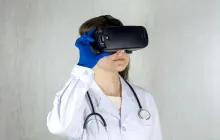
Telemedicine has moved beyond a niche option for remote patients and into a fundamental pillar of modern health care delivery, reshaping how clinicians diagnose, treat, and support the well being of diverse populations. The shift is not simply about screens and microphones; it is about reimagining the relationship between patients and clinicians through timely information, continuous monitoring, and more flexible access to expertise. In many regions, telemedicine emerged from necessity during emergency situations, yet its continued expansion is driven by a confluence of patient expectations, technological advances, and a health care system that seeks higher value care with lower overhead. This evolution touches every facet of care, from primary prevention to complex chronic illness management, and it challenges traditional models that depended on in person visits as the sole route to reliable medical advice. The result is a future where care is more proactive, data driven, and personalized, with telemedicine serving as an accelerant for innovation rather than a marginal add on to existing workflows.
Across the spectrum of health care, telemedicine is redefining access, enabling patients who previously faced barriers such as distance, mobility limitations, or time constraints to connect with clinicians who can address their needs in a timely and convenient manner. The core idea is simple and powerful: bring the right care to the right place at the right time by leveraging technology to bridge physical distance. When implemented thoughtfully, telemedicine reduces unnecessary travel, cuts wait times, and helps patients stay engaged with prevention strategies and routine monitoring. But the impact goes beyond convenience. It enables clinicians to observe patterns in symptoms, vitals, and behaviors over extended periods, which can lead to earlier identification of problems, more precise treatment adjustments, and better outcomes for chronic conditions that require constant attention. As a result, telemedicine is becoming an essential component of a more resilient and responsive health system that can adapt to changing patient needs and public health challenges.
To understand the trajectory of telemedicine, it is important to recognize that it is not a single technology but a suite of interconnected tools, including real time video visits, asynchronous messaging, remote patient monitoring, digital diagnostics, and decision support embedded in electronic health records. Each component plays a distinct role in patient care, enabling different modes of interaction that together create a comprehensive care pathway. Video visits can replicate the essential elements of a physical encounter while offering flexibility for patients who cannot travel. Asynchronous communications can empower patients to describe their symptoms in detail at a time that suits them, while clinicians can review information and provide feedback without scheduling a live appointment. Remote monitoring devices collect data such as heart rate, glucose levels, blood pressure, and sleep patterns, adding objective insight to clinical judgment. Digital diagnostics and AI driven tools can help interpret this data, flag anomalies, and support clinicians with evidence based recommendations. The integration of these components requires careful attention to interoperability, data standards, and patient privacy, but when aligned with clinical workflows they can dramatically extend the reach and effectiveness of care.
The future of telemedicine also hinges on the human factors that influence adoption and success. Patient literacy with digital tools, trust in virtual encounters, and the perceived quality of care all shape whether telemedicine becomes a routine habit rather than an episodic occurrence. Clinician acceptance depends on the comfort with technology, the ability to maintain the personal connection that characterizes compassionate care, and the assurance that remote care can meet safety and quality benchmarks. Health systems that invest in user friendly platforms, robust training, and clear guidelines for appropriate use tend to see higher rates of engagement, better adherence to treatment plans, and more efficient care delivery. In this sense telemedicine is not merely a technology upgrade; it represents a cultural shift toward a more patient centered, data informed, and accessible form of care that aligns with the realities of contemporary life and medicine.
As telemedicine becomes woven into the fabric of everyday health care, it also invites a reexamination of the roles of different health professionals and the distribution of responsibilities within teams. Pharmacists, nurses, physicians, physician assistants, and allied health professionals can collaborate in ways that extend expertise beyond the confines of a single clinic. For instance, nurses may monitor stable patients remotely and escalate concerns to physicians when thresholds are crossed, while pharmacists may use telemedicine platforms to counsel patients on medication adherence and potential interactions. This reconfiguration of team based care fosters a shared responsibility for outcomes and a more efficient use of scarce expert resources. It also opens the door to new career pathways and opportunities for ongoing professional development, as clinicians acquire competencies in telehealth communication, data interpretation, and digital ethics. The long term effect is a more agile health system capable of delivering high quality care at scale without sacrificing the personal attention that patients value.
Access, equity, and the digital divide
One of the most compelling advantages of telemedicine is its potential to democratize access to health care. For people living in rural communities, urban food deserts, or regions with limited specialty coverage, telemedicine can connect patients with clinicians who possess the exact expertise required for their condition. For patients with mobility challenges, the elderly, or those with caregiving responsibilities, virtual visits offer a practical alternative that reduces the burden of travel and time off work. Telemedicine also provides an avenue for consultations with subspecialists who are not available locally, enabling second opinions and broader expertise without the need for extensive travel or lengthy wait times. In areas with a shortage of primary care providers, telemedicine can help maintain continuity of care and support early intervention before conditions progress to more serious states. The result is a health system where geography becomes less of a barrier to receiving appropriate and timely care, creating opportunities for healthier communities across diverse settings.
However, expanding access through telemedicine must be coupled with a careful focus on equity to avoid widening disparities. The digital divide remains a persistent challenge in many contexts, with differences in broadband coverage, device ownership, digital literacy, and trust in digital health platforms shaping who can benefit and who is left behind. Efforts to close gaps include investing in high speed internet infrastructure, subsidizing devices for low income patients, and designing user interfaces that are accessible to people with varying levels of literacy and cognitive ability. Community based outreach, multilingual support, and culturally tailored communication are essential to ensure telemedicine services are understandable, acceptable, and respectful of diverse values and preferences. Equitable access also requires clinicians and health systems to verify that telemedicine does not replace necessary in person care, but rather complements it in ways that meet patients where they are and aligns with their health priorities. Sustained attention to equity helps telemedicine live up to its promise of broad, inclusive, and patient centered care.
Beyond access, it is important to examine how telemedicine intersects with social determinants of health. Telemedicine may enable timely discussions about nutrition, housing, and psychosocial stressors when integrated with a broad health care ecosystem, yet it also risks leaving behind individuals who lack privacy at home, stable electricity, or a quiet space for a confidential conversation. Thoughtful design of telehealth programs can mitigate these challenges by offering alternative contact modalities, providing flexible scheduling, and coordinating with community resources to address non medical needs that influence health outcomes. In practice, successful telemedicine programs adopt a holistic view of patients, recognizing that medical care does not happen in a vacuum but within a complex social environment. The most effective telemedicine offerings are those that collaborate with social services, community health workers, and local organizations to weave medical care into a broader network of support that enhances overall well being.
As telemedicine expands, there is a growing recognition that data governance and patient rights must evolve in parallel with technological capabilities. Patients should have clear, understandable information about how their data are collected, stored, used, and shared. They should be able to control consent preferences, access their own records, and know who may view their information in different care contexts. Transparent privacy notices, robust encryption, and strict authentication protocols are essential elements of trust in digital health. When patients feel confident that their privacy is protected, they are more likely to engage in telemedicine, share accurate information, and participate in shared decision making. Trust also emerges from consistent delivery of high quality care through telemedicine, including visible clinical oversight, performance reporting, and accountability mechanisms that demonstrate respect for patient autonomy and dignity. In this way, attention to equity and privacy becomes central to the ethical and practical realization of telemedicine as a mainstream health delivery model.
Technology, infrastructure, and interoperability
The success of telemedicine depends heavily on the quality of the technology platforms and the underlying infrastructure that supports it. Modern telemedicine requires reliable high bandwidth networks, secure data exchange, and platforms that integrate smoothly with electronic health records, laboratory systems, and pharmacy networks. Interoperability is not merely a technical requirement; it is a practical necessity for clinicians who rely on a coherent stream of patient information to make informed decisions. When systems can share data without friction, clinicians gain access to longitudinal patient histories, previous imaging studies, medication lists, and diagnostic results that a clinician in a different setting may have generated. This continuity of information reduces duplication, minimizes errors, and accelerates the care process. At the same time, robust infrastructure ensures that telemedicine visits are not interrupted by connectivity issues, which can erode patient confidence and undermine clinical engagement. The design of telemedicine platforms should emphasize usability, reducing cognitive load, and supporting clinicians with decision aids that reference up to date guidelines. A system that blends user friendly interfaces with strong data governance creates an environment in which telemedicine can flourish across specialties and care settings.
Beyond the patient facing front end, the back end of telemedicine is equally important. For example, triage workflows that determine when a video visit is appropriate, when remote monitoring is warranted, or when urgent in person assessment is necessary must be built into the clinical pathway. These workflows require standardized assessment protocols, clear escalation criteria, and well defined roles within the care team. To support scalability, organizations deploying telemedicine must invest in secure cloud based architectures, resilient disaster recovery plans, and ongoing cybersecurity measures that protect against evolving threats. The complexity of these systems can be daunting, but when implemented with a strong governance framework and continuous improvement mindset, they become enablers of high quality care rather than sources of strain for busy clinicians. Ultimately, the promise of telemedicine is closest to realization when technology serves as an enabler of human connection, rather than a barrier that fragments the clinical encounter.
Artificial intelligence and machine learning are increasingly woven into telemedicine platforms to assist in decision making, prognosis estimation, and personalized care planning. These tools can help clinicians interpret imaging studies, screen for risk factors in large populations, and tailor recommendations to the unique characteristics of each patient. When integrated responsibly, AI augments clinical judgment without replacing it, providing real time guidance while preserving the essential human elements of empathy and patient education. The ethical deployment of AI requires transparency about how models arrive at their conclusions, ongoing validation across diverse patient groups, and clear delineation of responsibility among the care team. As AI becomes more capable, telemedicine platforms can offer proactive alerts about potential complications, schedule timely follow ups, and organize patient education materials that are aligned with the patient’s literacy level and cultural context. The net effect is a more proactive, precise, and patient centered approach to care that leverages technology to enhance human expertise rather than supplant it.
Patient experience, engagement, and outcomes
From the patient perspective, telemedicine offers an experience that can feel more personal and responsive when designed with attention to human communication. Virtual visits can preserve the tone and warmth of the patient clinician relationship when providers skilled in telecommunication bring clarity, empathy, and collaborative decision making to the screen. For many patients, this translates into greater comfort asking questions, sharing symptoms, and adhering to treatment plans because the encounter feels accessible and respectful. At the same time, telemedicine raises questions about the perceived quality of care when patients sense a loss of hands on examination or physical presence. Balancing telemedicine with strategic in person visits, especially for complex diagnostics or when physical examination is essential, is critical to maintaining patient trust. A well designed telemedicine program uses hybrid care models to adapt to clinical need, patient preference, and the nature of the health condition being treated. When patients experience continuity of care, clarity about next steps, and prompt responsiveness from the care team, satisfaction increases and engagement improves. These improvements in experience often correlate with better adherence, fewer preventable complications, and more timely problem detection, demonstrating that telemedicine can contribute meaningfully to health outcomes beyond convenience alone.
Engagement in telemedicine also involves empowering patients to participate actively in their care. Online access to test results, educational materials, and self management tools creates opportunities for patients to learn about their conditions, track progress, and set personal health goals. When platforms incorporate interactive features—such as goal setting, reminders, and feedback loops—patients may be more motivated to maintain healthy behaviors. Clinicians can leverage asynchronous channels to provide guidance between visits, supporting steady momentum rather than periodic check ins. This ongoing engagement is particularly valuable for chronic diseases where daily decisions accumulate toward meaningful changes in health status. Yet it requires sensitivity to digital fatigue and the potential for information overload; well designed systems curate messages, prioritize clinically important alerts, and present information in concise, understandable formats. The objective is to sustain a productive dialogue between patient and clinician that respects the patient’s time while delivering consistent value through every touchpoint of care.
Incorporating telemedicine into care pathways also has implications for preventive care and early intervention. Routine screenings, vaccination reminders, and lifestyle counseling can be delivered through virtual visits or connected mobile applications, enabling a more continuous health maintenance approach rather than episodic treatment only after symptoms emerge. When integrated with population health analytics, telemedicine becomes a lever for identifying gaps in coverage, missed screenings, and disparities in care delivery, allowing health systems to target outreach efforts more effectively. The combined effect is a health ecosystem that nudges people toward preventive actions, supports sustainable behavior change, and reduces the burden of disease on both individuals and communities. While there are challenges to sustain engagement over time, including privacy concerns and the risk of digital overload, thoughtful design and patient centered governance can create a durable value proposition for telemedicine as part of routine health maintenance.
Clinical quality, safety, and standards
Clinical quality in telemedicine hinges on the ability to preserve the standards of evidence based medicine within virtual encounters. Achieving this requires rigorous clinical protocols, validated assessment tools, and clear criteria for when in person care should be pursued. Remote consultations must be anchored in reliable medical history, documented consent, and consistent documentation practices that ensure continuity of care across different providers and locations. Telemedicine complicates some elements of the physical examination, but it also opens new avenues for assessment through patient guided self examination, remote devices, and data visualization. Clinicians may rely on patient provided measurements, wearable device data, or photographs to augment the evaluation, while being mindful of the limitations and potential biases that accompany remote information. The key to maintaining quality is ongoing training, robust auditing, and transparent feedback loops that help clinicians refine their telemedicine skills as the modality evolves. Establishing and adhering to clinical guidelines for telemedicine across specialties ensures that patient safety remains the central priority, regardless of the setting or modality of care.
Safety in telemedicine extends beyond clinical outcomes to include privacy, data security, and ethical practice. Secure handling of health information is essential to protect patients from unauthorized access, data breaches, and potential misuse of personal medical details. Telemedicine programs must implement multi factor authentication, encryption for data in transit and at rest, and access controls that limit who can view sensitive information. Regular security training for staff and ongoing risk assessments are necessary to identify vulnerabilities and implement corrective measures promptly. Ethical practice also involves respecting patient autonomy, obtaining informed consent for virtual care, and ensuring equitable access to avoid discrimination based on socioeconomic status, geographic location, or technology access. By embedding safety and ethical considerations into governance structures, telemedicine can sustain trust and integrity while expanding the reach of high quality care across diverse populations.
Quality improvement in telemedicine relies on measurement and learning. Programs monitor process metrics such as visit completion rates, wait times, and referral throughput, as well as outcome metrics like symptom resolution, hospital readmissions, and patient satisfaction. Data from these indicators feed into iterative cycles of refinement, enabling healthcare organizations to optimize scheduling, triage criteria, and follow up protocols. Benchmarking against national and international standards helps maintain alignment with best practices and drives consistency across different settings. A mature telemedicine program treats quality as an ongoing journey rather than a one time achievement, fostering a culture of curiosity, accountability, and patient centered innovation that continuously elevates the standard of care offered through digital channels.
One practical consideration for clinical safety is the appropriate use of remote monitoring and the integration of home based devices. Telemedicine thrives when monitoring equipment is accurate, patient friendly, and well integrated with the clinical record. However, the influx of data must be managed to prevent information overload and to filter signals that truly require clinical attention. Intelligent alert systems, data normalization, and user tailored dashboards can help clinicians focus on meaningful trends rather than incidental noise. Training for patients and families in the correct use of devices, calibration routines, and interpretation of readings is essential to maintain data quality and patient confidence. When these elements are in place, remote monitoring can enable earlier detection of complications, support timely interventions, and reduce the likelihood of adverse events that would otherwise necessitate urgent care. The ultimate aim is to deliver consistent, safe, high quality care whether it occurs in a clinic, a patient’s home, or any other location that can connect to health care professionals.
Economic considerations, policy, and global health
The economic dimension of telemedicine is multifaceted, touching costs, reimbursement, productivity, and the allocation of scarce clinical resources. For health systems and payers, telemedicine can reduce costs associated with unnecessary emergency department visits, hospital admissions, and patient travel, while requiring upfront investments in platforms, cybersecurity, and clinician training. The long term financial equation depends on careful program design, the adoption of value based care models, and thoughtful consideration of the appropriate use of telemedicine across different patient populations. If telemedicine is deployed strategically, it can unlock economies of scale by enabling routine monitoring and timely interventions that prevent expensive complications, thereby improving overall efficiency and affordability of care. However, misalignment between reimbursement policies, licensing frameworks, and care pathways can hinder adoption, create fragmentation, and threaten the continuity of care. Policymakers and health system leaders are increasingly seeking regulatory clarity, streamlined cross border practice where appropriate, and standardized billing practices that reward high quality telemedicine care without creating unintended incentives that compromise patient safety or equity. The outcome of well crafted policy is a healthier, more sustainable health system with telemedicine functioning as a core mechanism for delivering high value care to the broadest possible population.
Global health provides an important vantage point for understanding telemedicine's potential and its limitations. In low resource settings telemedicine can connect clinicians with global expertise, facilitate remote training, and support disease surveillance and outbreak response. It can also help overcome shortages of specialized professionals by enabling remote consultations with specialists who might not be locally available. Yet global deployments face challenges in infrastructure, governance, and cultural adaptation. Sustainable telemedicine programs require local leadership, contextually appropriate technology choices, and partnerships that respect local health priorities and health system capacities. When designed with these considerations, telemedicine contributes to health system strengthening, knowledge exchange, and resilience in the face of public health emergencies. The global perspective highlights telemedicine not as a singular solution but as part of a broader strategy to improve health outcomes through smarter use of expertise, data, and connectivity across borders.
Finally, the economics of telemedicine intersect with the training and distribution of the health workforce. By reducing geographic bottlenecks and enabling more flexible work models, telemedicine can influence workforce planning, leading to a more even distribution of expertise and allowing clinicians to focus their on site time where it is most needed. The financial models accompanying this shift include reimbursement structures that recognize telemedicine visits, remote monitoring services, and collaborative care arrangements. In sum, telemedicine holds the promise of lowering systemic waste while amplifying the impact of clinicians, patients, and communities by aligning technology with the enduring goals of health care: better outcomes, higher value, and greater human connection in the service of well being.
As telemedicine continues to mature, it will increasingly rely on standardized protocols, interoperable data, and patient centered design principles to maintain quality and safety at scale. The challenges ahead include addressing residual disparities in access, ensuring privacy in an expanding data ecosystem, and maintaining the human touch that defines meaningful health care experiences. Yet the momentum is undeniable: telemedicine is transforming how care is organized, how care is funded, and how patients experience the health system day to day. The future of health care will likely look less like a single encounter in a clinic and more like a continuous, embedded relationship between patients and a network of clinicians, devices, and digital tools that together support healthy living, timely intervention, and compassionate guidance across the spectrum of health needs.