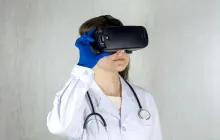
Telehealth has evolved from a specialized adjunct to a mainstream modality that reshapes how chronic diseases are monitored, managed, and experienced by patients over the long arc of care. It integrates real time communication, remote data exchange, and secure, patient centered interactions to extend the reach of healthcare teams beyond the walls of traditional clinics. This transformation addresses not only the logistical barriers that patients encounter but also the broader social and behavioral dimensions of chronic disease management. By enabling timely conversations, quick adjustments to treatment plans, and access to clinical expertise from home or other familiar settings, telehealth contributes to a sense of continuity and partnership between patients and clinicians that is essential when day to day decision making is influenced by fluctuating symptoms, laboratory trends, and daily life pressures. The essence of telehealth in chronic disease care lies in combining human touch with digital tools to support consistent engagement, personalized guidance, and proactive prevention, thereby shaping outcomes in ways that are measurable, meaningful, and enduring.
From the patient perspective, telehealth lowers the threshold for initiating and maintaining contact with healthcare providers. The physical distance that once separated patients from routine care can be replaced with a flexible cadence of virtual visits, asynchronous messaging, and data sharing that fits into daily life rather than requiring a dense block of in person appointments. For individuals with mobility challenges, limited transportation options, or work and caregiving responsibilities that complicate travel, these modalities can radically improve the likelihood of adherence to treatment plans, timely reporting of concerns, and participation in self management programs. Clinicians, in turn, gain insight into patterns that may be invisible during episodic encounters. The interplay between patient-reported experiences and objective measures collected remotely creates a feedback loop that informs medication adjustments, lifestyle recommendations, and educational interventions in a way that can be more responsive to the patient’s current reality than episodic, clinic centered care alone.
Another facet of expanded access is equity in care delivery. Telehealth platforms, when designed with inclusive language, accessible interfaces, and language appropriate resources, can reach diverse populations who historically faced barriers to consistent care. The flexibility to offer care in multiple languages, to provide captioning and sign language support, and to tailor educational materials to varying literacy levels helps ensure that information is not simply available but usable. The social determinants of health, including housing stability, nutrition, and access to reliable internet or devices, intersect with telehealth in meaningful ways. Recognizing and addressing these determinants within telehealth programs fosters a more holistic approach to chronic disease care, one that acknowledges that medical management is inseparable from the broader context in which people live. In this sense, telehealth is not merely a technology platform but a framework for reimagining patient centered care that respects time, dignity, and autonomy while expanding the palette of available therapeutic supports.
In practical terms, expanding access through telehealth often involves a combination of video visits, secure messaging, remote monitoring, and educational outreach that can be personalized to the patient’s condition and preferences. For chronic diseases that require ongoing surveillance, such as diabetes, cardiovascular disease, or respiratory conditions, telehealth tools translate laboratory data, home measurements, and symptom reports into actionable clinical insights. When patients can share real time blood glucose readings, blood pressure sequences, weight trends, or spirometry results with their healthcare team, clinicians can detect subtle deteriorations early and make targeted changes with confidence. The patient’s experience of care becomes less episodic and more continuous, which is a cornerstone of preventing complications, preserving function, and reducing the emotional burden associated with unpredictable health trajectories. This shift also helps caregivers participate meaningfully in the care plan, supporting adherence, monitoring, and the coordination of services across diverse settings such as primary care clinics, specialty centers, and community organizations.
Telehealth also serves as a catalyst for integrated care teams that collaborate across disciplines. The ability to bring together physicians, nurses, pharmacists, nutritionists, social workers, and care coordinators into a shared virtual space fosters a more cohesive approach to chronic disease management. When care plans are discussed in a multi person, patient centered context, the resulting recommendations tend to be more comprehensive and aligned with the patient’s goals. The virtual environment can host educational sessions, group coaching, and peer support that reinforce positive behavior change while enabling patients to voice concerns, ask questions, and build confidence in managing daily routines. In this sense, expanding access through telehealth is not simply about replacing in person visits; it is about enriching the care ecosystem with new opportunities for collaboration, accountability, and empowerment that adapt to each patient’s unique life story.
As telehealth matures, the emphasis on usability and interoperability becomes critical. Platforms that are interoperable with electronic health records, wearable devices, laboratory systems, and pharmacy networks reduce the friction that often accompanies data sharing and care coordination. The seamless flow of information allows clinicians to view a longitudinal portrait of a patient’s health, rather than several disconnected snapshots. This continuity supports preventive strategies such as timely referrals to nutrition counseling, physical therapy, smoking cessation programs, or mental health services, all of which are essential components of chronic disease management. Patients benefit from a sense of coherence across their care journey, and clinicians benefit from more accurate, context rich data that inform decisions about therapy intensification, de escalation, or the introduction of new modalities that may enhance quality of life while minimizing risk.
A critical factor in expanding access is the ongoing adaptation of reimbursement models and regulatory frameworks to telehealth realities. When coverage structures recognize virtual encounters as equivalent in value to in person visits for chronic disease management, patients are less likely to delay care due to cost concerns. Sound policy also supports the use of remote monitoring devices and data sharing that preserve privacy while enabling timely interventions. In practice, this means establishing clear guidelines on the frequency and content of telehealth visits, ensuring appropriate patient consent, and safeguarding information while allowing clinicians to derive meaningful insights from continuous data streams. The result is a more resilient care system that can absorb patient variability, respond to disruptions with agility, and maintain continuity of care during times when travel or clinic access may be limited by external circumstances.
In sum, telehealth’s role in expanding access to chronic disease care is multifaceted and deeply transformative. It redefines the boundaries of where care is delivered without diluting the clinical relationship or the rigor of medical decision making. It introduces new modalities for interaction that honor patient preferences and circumstances, while preserving the professional standards, safety, and accountability that caregivers strive to uphold. As technology evolves and providers refine workflows, telehealth has the potential to become a standard component of chronic disease management that complements in person care, rather than replacing it, by offering a consistent, personalized, and compassionate means to support people in living with long term conditions with greater confidence and control.
Clinical continuity and monitoring in chronic diseases
Continuity of care is a central objective in chronic disease management, and telehealth advances this goal by enabling ongoing observation and timely clinical responses between in person visits. Remote monitoring devices capture critical physiologic signals such as glucose levels, blood pressure, heart rate, weight, and respiratory function, converting them into actionable trends that clinicians review at regular intervals. When data illuminate a pattern of gradual deterioration, providers can initiate early interventions that may avert hospitalization or emergency room visits. Conversely, stable data can reassure both patient and clinician that current management strategies are effective, reducing unnecessary changes that could disrupt a patient’s sense of routine. The telehealth model thus becomes a living record of a patient’s health journey, stitching together laboratory results, symptom diaries, medication adherence information, and lifestyle factors into a coherent narrative that informs shared decision making and collaborative care planning. The practical benefits include fewer clinic no shows, more precise titration of therapies such as antihypertensives or antihyperglycemics, and the capacity to adjust treatment plans quickly in response to real time information rather than waiting for the next scheduled appointment.
From a workflow perspective, telehealth integration can streamline routine follow ups by combining asynchronous data review with synchronous conversations. Patients may upload home measurements ahead of a virtual visit, allowing clinicians to prepare targeted questions and recommendations. When appropriate, automated alerts can be configured to flag critical thresholds, such as dangerously high blood pressure readings or rapidly rising weights in heart failure patients. These alerts prompt timely outreach and engagement, which often reduces the interval between recognition of risk and the initiation of corrective actions. At the same time, care teams can designate specific roles for various team members to monitor different data streams, ensuring that the right expertise is available for each patient’s changing needs. The net effect is a care environment that feels consistent, responsive, and tailored to the trajectory of a chronic condition rather than episodic and reactive care.
Clinical continuity also benefits from standardized yet flexible care pathways that align telehealth activities with evidence based guidelines. Protocols for scheduling, data review, escalation, and documentation help maintain quality across diverse settings and among a broad spectrum of clinicians. The patient experience is enriched when virtual visits occur at intervals that reflect the condition’s natural history, balancing the need for close surveillance with the desire to minimize burden. When patients understand what to expect and perceive that their clinicians are watching for early signs of trouble, engagement naturally increases. This engagement becomes a driver of better adherence to medications, lifestyle changes, and scheduled testing, which in turn supports the overall stability of the patient’s chronic disease status. The integration of telehealth into chronic disease care, therefore, is not a replacement of traditional care but an enhancement of its continuity, making care more predictable, proactive, and person centered.
In addition, telehealth fosters better symptom management by facilitating immediate connections when a patient experiences a concern that could herald a fluctuation in disease control. A timely conversation about subtle shifts in energy, appetite, or sleep patterns can prompt quick tweaks to therapy or referrals to supportive services. This approach is particularly valuable for diseases with high day to day variability, where small changes can cascade into meaningful consequences if left unaddressed. The ongoing dialogue supported by telehealth reinforces a culture of vigilance and partnership, where patients are active collaborators in monitoring their own health, and clinicians are continually attuned to the daily rhythms that influence disease progression. Through this sustained engagement, clinical continuity becomes a living practice that evolves with the patient, rather than a static sequence of episodic interactions.
As remote monitoring evolves, the patient experience becomes more autonomous yet remain deeply connected to the care team. User friendly interfaces, clear visualization of data trends, and contextual explanations help patients interpret their own metrics and recognize when to seek guidance. When patients feel empowered to understand their numbers and observe how choices influence results, they participate more fully in self management, which reinforces adherence and fosters a sense of agency. Telehealth therefore supports a virtuous cycle of monitoring, interpretation, and action that underpins long term disease control, reduces avoidable complications, and contributes to a more resilient health system capable of absorbing patient diversity and fluctuating care needs with dignity and efficiency.
Ultimately, the aim of clinical continuity through telehealth is to transform episodic care into a dependable, ongoing partnership that respects the patient’s lived experience while leveraging the precision of modern data. Achieving this requires thoughtful alignment of technology, workflow, and human factors. It calls for robust data governance, interoperability, and clinician training to ensure that remote monitoring translates into meaningful clinical decisions. When these elements come together, telehealth becomes a powerful enabler of consistent, evidence based chronic disease management that supports patients at every stage of their health journey and strengthens the trust that underpins therapeutic relationships across time and setting.
Patient engagement and self management
Engagement in chronic disease care is deeply influenced by how patients perceive the relevance and accessibility of the information and guidance they receive. Telehealth offers opportunities to tailor education and support to individual needs, preferences, and literacy levels, which can improve understanding, confidence, and motivation to maintain healthier daily patterns. In a telehealth environment, clinicians can deliver concise, digestible content during virtual encounters and pair it with asynchronous learning materials that patients can revisit as needed. The ability to reinforce self management strategies through multiple channels—video demonstrations, interactive modules, and patient specific action plans—helps patients translate clinical advice into concrete behaviors that fit their routines. Importantly, telehealth platforms can capture data about how patients engage with educational content, enabling clinicians to refine materials and approach in real time, optimizing the learning experience for diverse audiences and reducing misunderstandings that undermine adherence.
Self management extends beyond information delivery to include coaching, goal setting, and collaborative problem solving. Telehealth can facilitate ongoing coaching relationships where patients set achievable milestones and receive feedback that acknowledges progress and addresses barriers. The presence of a supportive clinician who tunes guidance to the patient’s context reaches beyond the clinical measurement and resonates with everyday life challenges such as meal planning, activity scheduling, medication management amidst side effects, and the navigation of competing priorities. This relational dimension is a core strength of telehealth, because it preserves the human connection that motivates sustained behavior change, even when physical presence is limited. In this framework, patients become knowledgeable participants in their own care, with telehealth acting as a scaffold that keeps communication open, responses timely, and care decisions aligned with patient goals and values.
Beyond individual behavior, telehealth can cultivate a sense of community and shared learning. Virtual group sessions, peer mentoring, and facilitated discussions on real world experiences offer social support that complements professional guidance. When patients observe peers managing similar conditions successfully, they often experience increased confidence that they, too, can implement effective strategies. The educational ecosystem surrounding telehealth thus expands appreciation for the daily decisions that shape disease trajectories, including how to monitor symptoms, when to seek help, and how to integrate medical advice with personal preferences and cultural considerations. By positioning patients at the center of care with accessible, participatory resources, telehealth deepens engagement and fosters a durable commitment to health outcomes that persists across time and changing circumstances.
In practical terms, patient engagement through telehealth requires attention to usability, language, cultural sensitivity, and accessibility. User interfaces should be intuitive, with clear instructions and feedback that help patients feel capable of navigating the platform. Multimodal content that uses visual and textual cues, concise summaries, and optional translations reduces barriers for diverse populations. Security and privacy protections should be explained transparently so patients understand how their information is used and safeguarded, which in turn builds trust and willingness to share personal data that informs care decisions. When patients experience telehealth as a respectful, responsive, and empowering form of care, their participation quality rises, which contributes to better disease control, improved satisfaction, and stronger therapeutic alliances that endure over time.
From the clinician’s perspective, fostering patient engagement through telehealth involves careful communication, timely feedback, and a willingness to adapt to patient preferences. It requires setting expectations about the cadence of contacts, defining what constitutes a successful day to day management, and ensuring that patients feel heard even when the clinical decisions may be complex or nuanced. The goal is to cultivate a collaborative relationship in which patients are active partners who contribute valuable information about symptoms, daily routines, and treatment effects. When this partnership is established, telehealth becomes a platform for shared decision making that respects patient autonomy while maintaining clinical rigor, ultimately supporting healthier behaviors and improved health outcomes across a wide range of chronic conditions.
Effective telehealth engagement also depends on addressing barriers that may limit participation, including technology access, digital literacy, and competing life demands. Solutions can include loaner device programs, simplified onboarding processes, user friendly tutorials, and flexible scheduling that accommodates work and family responsibilities. By removing friction points and providing real time support, health systems can widen participation, reduce disparities, and promote sustained involvement in care. In this sense, telehealth is not just a method of communication but a catalyst for deeper engagement, enabling ongoing collaboration, timely problem solving, and a shared commitment to maintaining health and quality of life despite chronic illness.
Ultimately, patient engagement through telehealth hinges on the intelligent alignment of technology with human needs. It seeks to empower patients to participate in meaningful choices about their care while ensuring that providers have the information and tools necessary to respond effectively. When well designed and implemented, telehealth nurtures patient self efficacy, strengthens the therapeutic alliance, and supports a care paradigm in which chronic disease management is collaborative, responsive, and resilient in the face of daily challenges.
Technology and devices that enable telehealth
The success of telehealth in chronic disease care rests on a constellation of technologies that work together to create a seamless care experience. Core modalities include secure video consultation platforms that maintain privacy, robust messaging systems that support timely communication, and integrated scheduling tools that align patient and provider availability. Beyond these foundational elements, remote monitoring devices such as digital glucometers, home blood pressure monitors, pulse oximeters, weight scales, and spirometers capture vital information in the patient’s normal environment. The data generated by these devices can be automatically transmitted to the clinician’s dashboard or securely stored in the patient’s electronic health record, allowing for ongoing trend analysis, early warning signals, and rapid response when measurements shift toward risk thresholds. The interconnection between devices and health records is essential for building a coherent picture of the patient’s health status over time, reducing data silos, and enabling clinicians to base decisions on longitudinal evidence rather than isolated readings.
Wearable technologies extend the reach of telehealth into daily life, providing continuous streams of observational data that reflect physical activity, sleep patterns, respiratory effort, and heart rhythm. The richness of these data streams supports a more nuanced understanding of disease impact on function and energy, informing the tailoring of rehabilitation programs, medication adjustments, and lifestyle recommendations. In parallel, decision support tools embedded within telehealth platforms help clinicians interpret complex data, suggest evidence based actions, and standardize parts of the care pathway while leaving room for clinician judgment and patient preferences. This combination of patient generated data and intelligent clinical support helps translate raw measurements into meaningful clinical decisions, enabling proactive rather than reactive care. The safety and effectiveness of telehealth depend on maintaining reliable device performance, ensuring data integrity, and protecting patient privacy across all channels of information exchange.
Security considerations are central to the trust that patients place in telehealth systems. Encryption, access controls, and auditable data trails must be integral to every platform used for chronic disease management. Patients should be informed about how their data will be used, who can access it, and what protections are in place in case of a breach. Governance structures that define roles, responsibilities, and incident response plans help ensure accountability and transparency. In addition to technical safeguards, thoughtful design involves creating intuitive interfaces that minimize cognitive load and reduce the likelihood of misinterpretation of data. This is particularly important for devices that deliver critical health information, where misreading a value or delayed interpretation could have significant consequences. When technology is paired with clear communication and rigorous security practices, telehealth becomes a trustworthy and scalable approach to sustaining care for people with chronic diseases.
Interoperability is another key ingredient that enables the full potential of telehealth. When telehealth platforms can exchange information seamlessly with electronic health records, pharmacy systems, laboratory networks, and other service platforms, clinicians can access comprehensive data without duplicative data entry or painful workarounds. Standards-based data exchange supports a more efficient clinical workflow, reduces errors, and enhances the patient experience by avoiding repeated forms and unnecessary administrative tasks. The ultimate objective is to create an ecosystem where data flows intelligently across settings, enabling coordinated care that respects patient preferences and preserves the security and privacy of sensitive health information. As technology evolves, interoperable telehealth systems will increasingly accommodate advanced analytics, real time risk stratification, and personalized clinical guidelines that respond to individual patient contexts rather than generic pathways.
Finally, user experience design plays a vital role in the adoption and ongoing use of telehealth technology. Interfaces should minimize friction, present information in a clear and concise manner, and support quick, accurate interpretation of data. Educational components within the platform should be accessible and culturally appropriate, helping patients understand what their numbers mean and what actions are appropriate. The goal is to create a hospitable digital environment where patients feel confident using devices, clinicians feel empowered to interpret data, and care teams can coordinate smoothly. When technology is designed with the patient and clinician in mind, telehealth becomes an enabler of consistent, high quality chronic disease care that honors individuality, respects privacy, and fits naturally into daily life.
Evidence of impact on outcomes and costs
As telehealth has become more integrated into chronic disease care, a growing body of evidence explores its effects on health outcomes, patient satisfaction, and economic impact. Studies in diverse populations have reported improvements in metrics such as glycemic control in diabetes, reductions in hospital readmissions for heart failure, and better blood pressure management in hypertension when telehealth is combined with structured self management and remote monitoring. These findings are encouraging because they suggest that telehealth can contribute to meaningful health gains without necessarily increasing patient burden. However, the literature also highlights contextual factors that influence success, including the design of telehealth programs, patient engagement levels, provider training, and access to reliable technology. In some settings, the benefits are more modest, with variations driven by population characteristics, disease severity, and the availability of supplementary supports like home health services or community resources. The nuanced picture points to telehealth as a powerful amplifier of chronic disease care when implemented as part of a well resourced, patient centered strategy rather than as a standalone solution.
Cost considerations are central to decisions about scaling telehealth programs. Analyses have found potential reductions in travel costs for patients, fewer missed appointments, and lower costs associated with acute care when telehealth-enabled monitoring detects problems early. Nevertheless, upfront investments in platforms, devices, staff training, and data management infrastructure can be substantial, and ongoing maintenance costs must be considered. The economic calculus improves when telehealth is tightly integrated into care pathways with clear clinical guidelines, outcome driven targets, and performance measurement. The value proposition grows stronger when telehealth facilitates medication optimization, supports adherence, reduces caregiver burden, and enables efficient use of scarce clinical resources by allowing specialists to reach more patients without compromising quality. The most compelling evidence often emerges from programs that combine telehealth with patient education, remote monitoring, and coordinated care teams that actively respond to patient data in a timely and patient friendly manner.
Quality of care is another axis along which telehealth impact is evaluated. When telehealth is used to support regular follow up, consistent monitoring, and patient education, clinicians can maintain a higher degree of clinical oversight with less disruption to patients. This can translate into more stable disease control, improved patient confidence, and greater adherence to treatment plans. However, quality is contingent on robust governance, clear clinical pathways, and reliable data. Platforms that fail to provide dependable data streams or that lack appropriate escalation protocols may lead to delays in response or misinterpretation of trends. The evidence consistently underscores the importance of pairing technology with skilled clinical leadership, patient engagement, and ongoing quality improvement processes. Together, these elements create a telehealth environment that not only reduces risk but also fosters continuous learning and iterative enhancement of care delivery.
Ultimately, the cost and outcome implications of telehealth for chronic disease care are highly dependent on the context and design of the program. When telehealth is implemented with thoughtful workflows, appropriate reimbursement models, compatible devices, and a patient centered culture, it has the potential to improve outcomes and efficiency while maintaining high levels of patient satisfaction. The challenge lies in building durable systems that can adapt to evolving technologies, changing patient needs, and shifting policy landscapes while preserving the core human relationships that define quality care. As more evidence accumulates and best practices emerge, health systems can refine telehealth initiatives to maximize benefits, close gaps in care, and support long term health and resilience for individuals living with chronic conditions.
Special considerations for specific chronic diseases
Telehealth in Diabetes Care
Diabetes care presents a compelling case for telehealth because the condition requires continuous monitoring, timely adjustments to treatment, and sustained self management. Telehealth platforms enable patients to upload glucose readings, insulin dosing data, and dietary information in a structured way that clinicians can review between visits. Remote coaching supports carbohydrate counting, meal planning, and physical activity, helping patients align daily choices with glycemic targets. Digital decision support can guide insulin titration under professional supervision, reducing the risk of hypoglycemia or hyperglycemia while preserving patient safety. Education delivered through telehealth is not limited to in clinic content; it can address real world challenges, such as managing glucose variability during travel, dealing with illness related spikes, and integrating technology with practical aspects of life like work schedules and family responsibilities. When patients feel equipped to manage their condition and know their healthcare team is closely observing their trends, engagement increases and metabolic control improves over time. The combination of remote monitoring, education, and accessible support creates a robust framework for achieving durable improvements in HbA1c levels, time in range, and overall cardiovascular risk reduction in a way that respects patient preferences and daily routines.
However, diabetes telehealth programs must address potential barriers such as device compatibility, data interpretation, and the cognitive demands of data driven care. Clinicians should balance technical detail with clear, actionable guidance, ensuring that patients can act on the information without feeling overwhelmed. To maximize effectiveness, programs should tailor education to individual literacy levels, language needs, and cultural contexts, while also offering alternative modalities for patients with limited digital access. Support for caregivers, respiratory symptoms, or social concerns that impact diabetes management further enhances the utility of telehealth in this domain. When thoughtfully designed, diabetes telehealth supports a more precise and timely approach to management, helping patients maintain better long term control and reducing the risk of complications through sustained engagement and proactive care.
In addition, telehealth can play a pivotal role in bridging gaps introduced by geographic and socioeconomic disparities. Rural patients, who often face scarcity of endocrinology specialists and long travel distances, can benefit from virtual access to expert guidance. The ability to share clinical data, receive feedback on insulin regimens, and obtain urgent recommendations without substantial travel can meaningfully reduce barriers to care and improve equity in outcomes. Overall, diabetes care through telehealth exemplifies how digital health technologies can augment standard care by delivering continuous support, improving clinical metrics, and empowering patients to maintain healthy lifestyles in a dynamic, real world environment.
Telehealth in Hypertension and Cardiovascular Conditions
Hypertension and other cardiovascular conditions are particularly well suited to telehealth because they thrive on routine monitoring, timely adjustments, and lifestyle counseling. Remote monitoring of blood pressure, heart rate, and weight allows clinicians to detect early signs of destabilization and to fine tune medications with minimal delay. Telehealth can facilitate remote initiation and titration of antihypertensive therapies under carefully designed protocols, reducing the need for frequent in person visits while maintaining rigorous clinical oversight. The integration of home monitoring data into concise, interpretable dashboards assists clinicians in identifying patterns, such as nocturnal hypertension or nonadherence, that warrant targeted interventions. For patients with established cardiovascular disease, telehealth supports post event surveillance, rehabilitation guidance, and ongoing risk reduction strategies through education and regular coaching. These elements together can translate into lower rates of hospitalization, better management of comorbid conditions, and improved quality of life, particularly when care teams coordinate across primary care, cardiology, and allied health services.
However, cardiovascular telehealth requires careful attention to measurement accuracy and data reliability. Blood pressure readings must be collected with validated devices and proper technique to ensure that the data informing decisions are trustworthy. Clinicians should guard against misinterpretation of single measurements and rely on longitudinal trends to guide therapy. Privacy and data security remain essential, given the sensitivity of cardiovascular information and the potential for rapid, high consequence changes in patient status. Patient engagement also plays a critical role; patients who understand the rationale for monitoring and who see tangible benefits from timely interventions are more likely to adhere to monitoring schedules and treatment modifications. When these conditions are met, telehealth becomes a powerful mechanism for maintaining cardiovascular health and preventing adverse events without imposing undue burdens on patients.
In the cardiovascular realm, telehealth can also support multidisciplinary collaboration, including input from nutritionists, exercise specialists, and mental health professionals who contribute to comprehensive risk reduction. By aligning these services through virtual care, patients receive a more cohesive, holistic plan that addresses the complex interplay of factors shaping heart health. The result is a more resilient approach to managing hypertension and related conditions, with telehealth serving as the connective tissue that binds together clinical expertise, patient preferences, and daily health behaviors into an integrated strategy for long term cardiovascular wellness.
Telehealth for Chronic Obstructive Pulmonary Disease and Respiratory Conditions
Chronic obstructive pulmonary disease and other respiratory conditions present natural opportunities for telehealth because stable management relies on regular monitoring of symptoms, oxygenation, and functional capacity. Telehealth enables clinicians to assess breathlessness, cough, fatigue, and exertion levels through patient reported outcomes and remote assessments, while wearable devices and pulse oximetry provide objective data that inform treatment decisions. Remote coaching for inhaler technique, adherence to maintenance therapy, and pulmonary rehabilitation exercises can be delivered through video sessions, enhancing the effectiveness of management and reducing the risk of exacerbations that require urgent care. Virtual check ins also support early recognition of infections or worsened respiratory status, allowing timely escalation of therapy or supplemental oxygen and a rapid triage response when necessary. This approach helps maintain function, preserve independence, and improve health related quality of life for patients living with chronic respiratory diseases.
Accessibility considerations are especially important in respiratory care, because patients with limited mobility or transportation barriers may have difficulty attending frequent clinic visits. Telehealth reduces transportation burdens and can deliver more consistent follow up, which is essential for monitoring disease progression and ensuring that vaccination updates, inhaler technique checks, and optimization of maintenance medications are carried out in a timely manner. However, the success of telehealth in this area depends on patient education about symptom monitoring, the availability of accurate home testing and measurement tools, and the capability to differentiate between mild symptoms that can be managed remotely and signs that require urgent evaluation. When these components align, telehealth becomes an effective modality for sustaining respiratory health and preventing deterioration in chronic lung conditions.
In practice, telehealth for respiratory care benefits from integrated patient education, flexible modalities for exercise and breathing retraining, and connections to multidisciplinary teams including respiratory therapists and physical therapists. The collaborative virtual environment supports personalized plans that address airway management, medication optimization, and supplementation when appropriate. The combined effect is a care framework that maintains stability, supports functional capacity, and improves patient confidence in managing daily activities despite chronic respiratory disease. As technologies continue to evolve, telehealth will increasingly enable remote pulmonary rehabilitation programs, augmented by real time feedback, that empower patients to maintain healthier breathing patterns and higher levels of activity in the comfort of their own homes.
Telehealth in Heart Failure Management
Heart failure care benefits significantly from telehealth due to the condition’s high risk of rapid decompensation and the need for frequent medication adjustments, fluid balance monitoring, and symptom surveillance. Telehealth enables patients to report weight changes, edema, dyspnea, fatigue, and other key indicators from home, while remote monitoring devices can track thoracic impedance, heart rate, and blood pressure as part of a comprehensive surveillance strategy. Clinicians can identify early signs of fluid overload or medication intolerance and respond promptly with therapeutic changes, follow up on adherence, and reinforce education about daily weight checks, salt intake, and medication timing. The ability to intervene quickly when trends shift supports stabilization of heart failure symptoms, reduces urgent care utilization, and improves overall survival and quality of life for many patients. In settings where access to specialists is limited, telehealth bridges the gap by connecting patients with multidisciplinary teams experienced in heart failure management, fostering a coordinated approach that aligns with guideline based care.
Effective heart failure telehealth programs emphasize patient empowerment and clear communication about warning signs that warrant contact with the care team. Education focuses on recognizing symptoms that could signal early deterioration, understanding diuretic management, and maintaining consistency in medication regimens. Care plans are reinforced with routine virtual checkups, timely medication reconciliation, and integration with home monitoring data that inform decisions about therapy intensity. The technology also supports caregiver involvement, enabling family members to participate in reviews of daily measurements and to assist with adherence strategies. Although challenges such as device cost, data interpretation, and ensuring reliable connectivity exist, when these hurdles are addressed, telehealth adds a valuable layer of protection against costly hospitalizations and supports a higher standard of chronic heart failure care that remains patient centered and goal oriented.
Telehealth in Chronic Kidney Disease and Nephrology Care
Chronic kidney disease requires careful monitoring of kidney function, electrolyte balance, blood pressure, and comorbid conditions. Telehealth offers a platform for regular communication between patients and nephrology teams, enabling timely adjustments to medications such as renin-angiotensin system inhibitors, phosphate binders, and anemia management strategies. Home blood pressure tracking, weight observation, and lab result review can be coordinated through secure messaging and virtual visits, facilitating proactive management of progression risk and symptom burden. For patients approaching dialysis initiation or those already undergoing dialysis, telehealth can support prehabilitation, vascular access care planning, and education about treatment options, helping patients make informed choices aligned with their preferences and life circumstances. Collaboration with dietitians, social workers, and palliative care specialists, when appropriate, ensures that care addresses dietary restrictions, psychosocial stressors, and quality of life concerns, creating a more holistic nephrology care pathway.
Equity considerations are particularly important in kidney disease, where late stage progression disproportionately affects certain populations. Telehealth programs must account for barriers related to internet access, device availability, and health literacy, ensuring that patients from underserved communities are not left behind. By providing flexible care options, culturally sensitive education, and access to community supports, telehealth can help reduce disparities in kidney disease outcomes and support more equitable management strategies across the spectrum of disease severity. The capacity to coordinate laboratory testing, imaging, and specialist consultations through a single telehealth ecosystem enhances the efficiency and effectiveness of care for patients with chronic kidney disease, improving monitoring, delaying progression, and supporting patient centered decision making on treatment options and lifestyle modifications.
Equity, privacy, and policy considerations
As telehealth becomes a more central component of chronic disease care, attention to equity, privacy, and policy is essential to ensure that benefits are shared broadly and sustainably. The digital divide remains a meaningful barrier for some populations, including older adults, low income individuals, rural residents, and communities with limited broadband access. Programs must address these gaps by offering adaptable modalities that do not rely solely on high speed internet, providing devices on loan or subsidized terms, and delivering training to build digital literacy. Equitable telehealth requires active outreach, culturally competent care, and the removal of obstacles that prevent engagement. By prioritizing inclusive design and targeted support, health systems can reduce disparities and ensure that telehealth contributes to better health outcomes for all patients living with chronic disease, not just those with the most favorable resources.
Privacy and data security are indispensable to the trust that patients place in telehealth. Regulations and best practices should guide the collection, storage, transmission, and use of health information in ways that protect patient autonomy and confidentiality. Clear consent processes, transparent data sharing policies, and robust technical safeguards are necessary to prevent unauthorized access and to respond quickly to any data breach. Transparency about who has access to data, how data are used, and how long they are retained fosters patient confidence in using telehealth tools as part of their ongoing care. Health systems must invest in continuously updating security measures, conducting risk assessments, and training staff to recognize and respond to privacy threats. In the policy arena, reimbursement models, licensure requirements, and cross jurisdictional practice rules must evolve to reflect the realities of telehealth, enabling clinicians to deliver high quality care across distances while maintaining patient safety, clinician well being, and systemic accountability for outcomes.
Policy frameworks should also emphasize interoperability and standardized outcomes measures so that telehealth programs can be compared, scaled, and sustained. When data standards enable seamless exchange of information across settings, clinicians can coordinate care with greater efficiency, and patients experience more consistent care experiences. At the same time, policies should incentivize continuous quality improvement, patient safety, and evidence based practice. Striking the right balance between flexibility for innovation and guardrails to protect patients is essential to realizing the full potential of telehealth for chronic disease care while ensuring that care remains patient centered, affordable, and respectful of personal preferences and values.
Finally, policy and governance must support workforce development so that clinicians are prepared to integrate telehealth into their daily practice with competence and confidence. Ongoing training in remote assessment, data interpretation, communication skills in virtual environments, and privacy compliance is vital. As telehealth becomes more embedded in care pathways, clinicians will require new workflows, appropriate incentives, and institutional backing to sustain high quality services. When equity, privacy, and policy are harmonized with clinical excellence, telehealth stands to expand access, improve outcomes, and enhance the overall experience of care for individuals living with chronic diseases, creating a more resilient health system that can adapt to evolving medical knowledge and patient needs.
The future trajectory of telehealth in chronic disease care
The future of telehealth in chronic disease care is likely to be shaped by advancements in artificial intelligence, data analytics, and patient centered design that together enable more precise, proactive, and personalized care. Advanced analytics can transform the vast streams of patient generated data into actionable insights, identifying subtle patterns that precede clinical events and guiding proactive changes in therapy or supportive interventions. Clinical decision support tools embedded within telehealth platforms may offer evidence based recommendations while allowing clinicians to apply professional judgment and patient preferences. As these technologies mature, they will become more integrated with practice guidelines, enabling a dynamic, adaptive care model that evolves with new evidence, patient experiences, and real world outcomes.
Interoperability will continue to be a central driver of success, ensuring that data flows smoothly across primary care, specialty care, laboratories, pharmacies, and community services. The ability to consolidate information from diverse sources into a single, coherent view of the patient will support clearer communication, more accurate risk stratification, and more efficient care coordination. This integrated approach will empower clinicians to tailor interventions to each patient’s unique biology, lifestyle, and social context, thereby enhancing effectiveness while preserving patient autonomy and preference. The role of telehealth in supporting population health initiatives also extends beyond the individual patient. When aggregated and analyzed responsibly, telehealth data can inform quality improvement efforts, resource allocation, and public health strategies that target chronic disease management on a broader scale.
Design thinking and patient onboarding innovations will shape the ways people interact with telehealth systems. Simple, intuitive interfaces, multilingual resources, and culturally resonant educational materials will help expand adoption to diverse communities. Equally important is the ongoing commitment to patient safety, privacy, and ethical considerations as new modalities emerge. Voice interfaces, automated coaching, and AI driven triage can reduce staff burden while sustaining human connection where it matters most. However, the human element remains central; deep listening, empathy, and shared decision making are not replaced by technology but supported and amplified by it. The future of telehealth in chronic disease care will be defined by how well technology serves people’s needs, preserves dignity, and strengthens the collaborative relationship between patients and those who care for them.
In the evolving landscape, telehealth will likely be embedded within a holistic care ecosystem that prioritizes prevention, early detection, and maintenance of independent living. The ongoing refinement of reimbursement, licensure, and regulatory approaches will determine the pace at which these innovations scale and reach underserved populations. As healthcare systems navigate these developments, the focus will remain on delivering high quality care that is accessible, affordable, and appropriate for individuals living with chronic conditions. The trajectory points toward a more responsive, resilient, and patient centered model in which telehealth is an integral, valued component of everyday life and long term disease management, helping people maintain health, function, and meaning even when chronic disease persists.