In contemporary healthcare, a quiet transformation unfolds as robotic technology integrates with physical rehabilitation to extend the reach of clinicians, augment patient effort, and redefine what is possible in recovery after injury or illness. The collaboration between human therapists and intelligent machines creates a synergy that blends precise repetitive movement with adaptive support, where machines act as partners in the rehabilitation journey rather than as impersonal devices. This shift is not about replacing expertise but about expanding it, enabling more patients to access high quality therapy, personalize exercise programs, and experience engaging, motivating rehabilitation experiences that can be tailored to individual goals, conditions, and progress trajectories. The promise lies in combining mechanical precision with human judgment to foster neuroplastic changes, muscular endurance, range of motion, and functional capability in ways that were previously difficult to achieve through manual therapy alone.
Rehabilitation robotics sits at the intersection of engineering, neuroscience, and clinical practice. Engineers design actuators, sensors, control algorithms, and feedback interfaces that translate intent into motion, while clinicians specify therapeutic goals, monitor safety, and interpret data to adjust therapy in real time. This collaborative ecosystem rests on a science of motor recovery grounded in principles of neuroplasticity, motor learning, and muscle conditioning. Robots can deliver thousands of correct, well-tosed repetitions with consistent timing and precision, a level of repetition that would be extremely demanding for human therapists to sustain over many sessions. Yet the human element remains essential, offering empathy, strategy, real world context, and the ability to adapt treatment to fluctuating patient states. The combination of reliable automation with clinical wisdom creates a powerful tool for optimizing rehabilitation outcomes over the short term and across longer trajectories of recovery and adaptation.
Historically, rehabilitation robotics emerged as a response to the need for intensive therapy for neurological injuries, orthopedic immobilization, and chronic musculoskeletal conditions. Early devices tended to be simple assistive mechanisms that guided limb movement along predefined trajectories. Over time, the field evolved toward more sophisticated systems that could respond to the patient’s performance, adjust resistance, and incorporate multi joint coordination. With advances in sensing, machine learning, and secure data transmission, modern rehabilitation robots can assess movement quality, provide real time feedback, and autonomously modify the difficulty of tasks to maintain an optimal challenge point. This evolution has opened doors to outpatient programs, home based rehabilitation, and remote monitoring, expanding access to therapy for people who face barriers to frequent clinic visits or who require heavy training volumes to regain function. The narrative of progress in rehabilitation robotics is thus a story of increasing personalization, safety, and integration into everyday life for patients and families alike.
Within clinical environments, robotics support a range of bodily functions and motor goals. Devices can assist with upper limb tasks important for daily living, such as reaching, grasping, and manipulating objects. Others focus on gait and balance, enabling practice of walking patterns with adjustable loads, speed, and environmental challenges. Some systems simulate complex tasks that require coordination between multiple joints, fostering a more holistic reeducation of movement patterns. The breadth of applications reflects the diversity of patients, from stroke survivors to individuals with spinal cord injuries, traumatic brain injury, cerebral palsy, or degenerative conditions. Each patient benefits from a tailored combination of robotic support, manual therapy by skilled clinicians, and functional practice that mirrors real life demands. The end goal is not simply to move the limb but to restore meaningful function, independence, and confidence in activities of daily living.
The discipline of robotics in rehabilitation draws on sophisticated control strategies that balance assistance with patient effort. Assist-as-needed principles prioritize the patient’s active contribution, resisting the temptation to overcorrect movement or create dependency. Controllers interpret sensor data to provide just enough support to complete a task safely, while encouraging the patient to initiate movement, modulate force, and refine timing. This approach aligns with motor learning theories that emphasize trial, error, and adaptation as drivers of durable improvement. Haptic feedback, vibrotactile cues, and auditory or visual rewards reinforce desirable movement patterns, creating an engaging loop that promotes motivation and sustained participation. The net effect is a therapy experience that is both challenging and safe, enabling patients to push their boundaries without compromising safety or comfort. The clinical relevance of such systems is amplified when therapists can adjust parameters through intuitive interfaces, enabling rapid customization of progression schemes for different conditions and stages of recovery.
When considering upper limb rehabilitation, robotic systems often combine end effector configurations with grasp training and finger flexion extension tasks. End effector devices anchor the limb at a fixed point while guiding distal segments through prescribed trajectories, creating a stable environment for repetitive practice. Robotic gloves or exoskeletons provide more granular control of finger and wrist movements, enabling precise resistance and assistance as patients regain dexterity needed for everyday tasks such as self feeding, dressing, and pinching small objects. The integration of sensors measuring force, torque, movement smoothness, and tremor allows clinicians to map patient progress with objective metrics that complement clinical observation. Importantly, patient engagement is fostered by interactive tasks, adaptive games, and goal oriented activities that translate therapy into meaningful, real world outcomes rather than abstract exercises alone. By combining technology with meaningful tasks, rehabilitation robotics can sustain attention, reduce fatigue, and promote adherence to therapy regimens across varied settings.
In the realm of gait rehabilitation, robotic devices frequently employ a treadmill based collaboration that guides leg movement, supports weight bearing, and modulates step length and pace. Such systems can provide safe, controlled environments for practicing walking in individuals who have partial motor recovery after stroke, spinal injury, or orthopedic interventions. Robotic gait trainers allow therapists to standardize intensity and progression while still observing patient responses, enabling refined adjustments to speed, incline, and resistance. The data streams from these workouts reveal patterns in symmetry, joint angles, and timing, offering a window into the mechanisms of recovery and the points at which intervention yields the greatest gains. Beyond treadmill based systems, wearable exoskeletons and modular assistive devices broaden the spectrum of scenarios in which gait rehabilitation can be pursued, including overground training in real world contexts. These tools collectively support endurance training, improve cardiovascular conditioning, and promote confidence in walking, all critical components of meaningful functional recovery.
Motor learning sits at the core of why rehabilitation robotics can be so impactful. The nervous system learns through repeated practice, refining motor commands and reorganizing older neural networks to accommodate new patterns. Robotic systems structure practice sessions to optimize the challenge point, provide immediate feedback, and track progression across sessions. By delivering consistent, precise, and adjustable practice, robots reduce the variability that can accompany manual therapy, allowing clearer interpretation of progress and more reliable evaluation of therapeutic strategies. The integration of performance metrics over time helps clinicians decide when to increase task difficulty, vary task goals, or shift from highly structured tasks to more ecological activities that better resemble daily life demands. This measurement driven approach supports evidence informed practice and fosters a data literate culture among rehabilitation teams, where decisions are anchored in objective indicators of movement quality, stamina, and independence.
Patient engagement emerges as a crucial factor shaping the success of robotic rehabilitation programs. When individuals perceive that the technology is helping them achieve personal goals, they become more engaged, persistent, and optimistic about outcomes. Robotic systems contribute to engagement by offering clear feedback, visible progress indicators, and interactive challenges that align with patient interests. Designers increasingly incorporate gamified elements, virtual environments, and social components to transform repetitive practice into an immersive experience. Yet engagement is not solely about entertainment; it is about creating a meaningful, connected therapeutic process that respects patient autonomy and fosters a sense of agency. Clinicians play a central role in connecting robotic experiences to real life relevance by embedding therapy within patients' values, daily routines, and longer term rehabilitation plans. The human robot partnership thrives when patients feel heard, when therapists adapt tasks to personal preferences, and when the technology serves as an ally rather than a constraint in recovery.
From a data perspective, rehabilitation robotics generates rich information about movement quality, force application, coordination, and fatigue. This data supports more than routine monitoring; it fuels research, quality improvement, and personalized care pathways. Clinicians can examine trends across sessions to identify plateau phases, anticipate relapse, or confirm that a given intervention is delivering value for the patient. In turn, researchers leverage aggregated datasets to understand which configurations, control laws, and task structures yield the most robust gains across diverse populations. The resulting evidence base informs best practices, regulatory considerations, and reimbursement models, creating a cycle of learning that accelerates the maturation of robotics in rehabilitation from experimental novelty to standard of care. As analytics become more advanced, predictive models may guide therapists in selecting initial settings, predicting performance trajectories, and scheduling sessions to maximize recovery while minimizing fatigue and risk.
Foundations and historical context
Rehabilitation robotics has roots in a concern for delivering intensive, repetitive therapy efficiently while protecting patients from overuse or injury. Early prototypes emerged as conceptual demonstrations in universities and specialized clinics, often focusing on simple joint guided motions or assistive frames that supported limb movement. Over time, advances in actuators, sensors, and control theory allowed these devices to participate in more sophisticated training paradigms, integrating patient intention signals with velocity and impedance control to create responsive and safe training environments. The historical arc is marked by incremental improvements in safety mechanisms, user interfaces, and portability, each enabling broader adoption in diverse care settings. This evolution reflects a broader shift toward patient centered care, where technology serves to enhance outcomes without diminishing the essential role of therapists and caregivers who provide clinical judgment, emotional support, and contextual understanding of each patient’s life story. As clinics embraced digital record keeping and telemedicine, robotic rehabilitation began to connect with complementary tools such as virtual reality, remote monitoring, and cloud based analytics, weaving together a more comprehensive ecosystem for recovery. The historical perspective reveals how far the field has progressed while illustrating the enduring importance of thoughtful clinical integration and patient safety as foundational principles guiding ongoing innovation.
From the standpoint of safety and regulation, rehabilitation robotics has progressed through careful testing, standardized protocols, and collaboration with regulatory bodies that oversee medical devices. Early concerns about device reliability, movement unpredictability, and potential misuse led to the incorporation of redundant sensing, fail safe mechanisms, and comprehensive clinician training programs. Contemporary devices emphasize ergonomic design, intuitive interfaces, and robust data stewardship to address privacy and data security concerns. The regulatory landscape continues to evolve as evidence accumulates regarding efficacy, cost effectiveness, and patient satisfaction. This maturation process mirrors the broader trajectory of medical technology, where proof of benefit, demonstrated safety, and clear indications for use become the cornerstone of acceptance by clinicians, payers, and patients alike. As the field advances, new generations of devices will increasingly integrate with hospital information systems and home based platforms, enabling continuous rehabilitation journeys that transcend the boundaries of the traditional clinic visit.
In terms of clinical outcomes, even modest improvements in movement quality, endurance, or independence can translate into meaningful gains in daily life. Robotic rehabilitation strategies have demonstrated support for functional recovery by enabling repetitive practice of task specific movements, enabling patients to regain control over daily activities with greater confidence. The impact of such gains extends beyond physical capability; social participation, emotional well being, and the ability to assume preferred roles in family and community life can be enhanced as patients experience progress. The interplay between objective metrics and subjective experiences matters, as perceived improvements often predict sustained engagement with therapy and adherence to long term rehabilitation plans. Clinicians must interpret robotic data through the lens of each patient’s life context, balancing ambitious rehabilitation goals with realistic expectations and the emotional dynamics that accompany recovery journeys.
Looking forward, the role of robotics in rehabilitation is poised to expand through integration with artificial intelligence and adaptive automation. Systems that learn from accumulated patient data can refine therapeutic parameters for new individuals, supporting more rapid personalization. Tele presence capabilities enable remote supervision by therapists, ensuring that patients in rural or underserviced areas can still receive high quality guidance and feedback. Modular designs will empower clinics to assemble devices tailored to the specific needs of their patient populations, whether focusing on shoulder mobility, wrist control, or complex gait patterns. In home settings, compact, user friendly robots hold the potential to sustain therapy between clinic visits, bridging the gap between episodic care and continuous rehabilitation that aligns with long term health goals. The convergence of robotics with digital health infrastructure, patient education, and caregiver support promises to create a more resilient and inclusive rehabilitation landscape for diverse communities.
Beyond individual outcomes, rehabilitation robotics has implications for workforce dynamics within rehabilitation specialties. Devices that reduce repetitive strain on therapists can allow clinicians to allocate more time to higher level decision making, patient education, and complex case management. This shift may help address workforce shortages and support sustainable care models in aging populations where demand for therapy is increasing. At the same time, training and credentialing become critical to ensure that clinicians can operate sophisticated devices safely and interpret data responsibly. Educational programs increasingly emphasize interdisciplinary collaboration, teaching clinicians how to integrate robotic tools with traditional therapeutic methods, pharmacological considerations, and patient centered care plans. The goal is to cultivate a workforce that can harness technology to enhance, rather than complicate, clinical workflows. By aligning device capabilities with clinical expertise, rehabilitation teams can deliver more effective, efficient, and compassionate care to people who need it most.
The ethical landscape surrounding rehabilitation robotics involves careful attention to equity, autonomy, and informed consent. Access to advanced devices should not be limited to those with greater financial means or geographic access; strategies to democratize availability include scalable home based models, insurance coverage discussions, and public health initiatives that subsidize essential therapy for vulnerable populations. Respect for patient autonomy requires transparent communication about what robotics can and cannot achieve, potential risks, and the realistic pace of recovery. As systems collect increasingly granular data about movement and physiology, safeguarding privacy and ensuring that data is used to support patient welfare rather than market advantage becomes essential. The integration of robotics into rehabilitation also invites ongoing reflection about the human aspects of care—how technology supports the therapeutic alliance, preserves dignity, and enables patients to pursue meaningful life goals as they navigate the complexities of recovery.
In clinical practice, successful implementation of rehabilitation robotics hinges on thoughtful workflow integration. This includes careful patient selection, appropriate timing within the recovery process, and alignment with therapeutic goals that matter to the patient. Clinicians must assess the readiness of a patient to engage with robotic therapy, considering factors such as cognitive function, motivation, fatigue, and comorbidities that may influence participation. The adaptation of therapy to home or community settings requires robust safety protocols, caregiver training, and reliable remote monitoring to detect adverse events promptly. Interdisciplinary collaboration among physicians, therapists, engineers, and informatics specialists helps ensure that robotic interventions are not siloed as standalone activities but are embedded within an evidence based, patient centered rehabilitation pathway. When these components are harmonized, robotic systems can extend the reach of rehabilitation services while preserving the clinician’s central role as the advocate, educator, and strategist for recovery.
In the domain of education and training for clinicians, robotic rehabilitation demands new competencies that extend beyond traditional hands on therapy. Practitioners must understand how to interpret device feedback, adjust impedance and assistance levels, and translate robot generated data into clinically meaningful decisions. The learning journey includes understanding the limitations of devices, knowing when to escalate or modify therapy, and recognizing when a patient may need alternative modalities. Specialized training programs, mentorship opportunities, and continuing education modules help clinicians stay current with evolving technologies and evidence. As students and seasoned professionals become proficient with robotic tools, the culture of rehabilitation shifts toward a more data driven, collaborative, and patient centered practice where technology amplifies human skills and compassion rather than diminishing them.
Economics and policy play a pivotal role in determining how widely rehabilitation robotics is adopted. The upfront costs of devices, maintenance requirements, spare parts, and software subscriptions must be weighed against long term benefits such as reduced hospitalization, shorter rehabilitation timelines, and improved functional independence. Payers and policymakers are increasingly interested in demonstrating return on investment through robust outcome data, patient satisfaction metrics, and cost effectiveness analyses. Reimbursement frameworks that recognize the value of high intensity, repetitive therapy delivered safely through robotic means will influence how clinics plan investments and how patients access care. In parallel, public health strategies that support equitable access to rehabilitation technologies can help ensure that the benefits of robotics are not confined to a select segment of the population but reach a broad spectrum of communities with diverse needs and resources. The interplay between clinical impact and economic feasibility ultimately shapes the trajectory of robotics driven rehabilitation in the coming years.
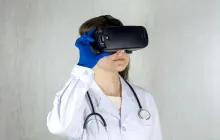
Future directions in rehabilitation robotics point toward greater personalization, more seamless human robot collaboration, and expanding the scope of conditions that can benefit from robotic therapy. Advances in soft robotics, which employ compliant materials to reduce passive resistance and improve safety, may enable more natural assistance with multi joint movements. Integration with virtual and augmented reality can create immersive, motivating practice environments that simulate real world tasks, supporting transfer of learned skills to daily activities. Developments in machine learning and adaptive control could allow devices to anticipate patient difficulties, adjust to fatigue, and modify tasks in real time to sustain an optimal learning pace. At the same time, efforts to miniaturize hardware, improve battery life, and simplify user interfaces will enhance usability and expand access to home based programs. The future of rehabilitation robotics lies in a holistic approach that weaves together technology, clinical expertise, patient preferences, and care delivery models designed to support durable, meaningful recovery across the lifespan, with a continued focus on safety, equity, and human flourishing. In this landscape, robotics is not a destination but a dynamic partner that evolves as science reveals new insights about how movement, motivation, and resilience arise after injury or disease.
Clinical applications for upper limb rehabilitation
Upper limb rehabilitation benefits from robotic devices that assist, resist, or guide arm and hand movements, enabling repetitive practice of reaching, grasping, pinching, and coordination tasks. By providing controlled assistance during movement, these systems help patients overcome paralysis or weakness resulting from neural injury, stroke, or degenerative conditions. The capacity to adjust impedance, speed, and trajectory allows clinicians to tailor therapy to the patient’s current capabilities while gradually increasing difficulty as strength and control improve. Robotic assistive devices can also measure movement quality with high precision, providing feedback on smoothness, coordination, and trajectory accuracy that supplements clinician observation. Importantly, the training context is enriched by meaningful tasks such as object manipulation or functional simulations that resemble daily activities, creating a bridge between therapeutic exercises and real life performance. This alignment supports not only motor recovery but also confidence in self care, recreation, and social participation, which are essential components of overall well being and long term rehabilitation success.
For many patients, early interventions focusing on proximal stability and shoulder function pave the way for distal improvements in wrist and hand control. Robotic systems can deliver rapid, high repetition practice while maintaining safety margins crucial for joints that are fragile or painful after injury. In chronic conditions, robots may provide maintenance programs that sustain gains achieved during the acute recovery phase, potentially slowing decline and preserving independence. The collaboration between therapists and robotic devices remains central, as clinicians interpret device feedback within the context of each patient’s unique history, comorbidities, and personal goals. The ongoing refinement of control strategies seeks to balance patient effort with assistive support so that movement remains a product of active engagement rather than passive guidance. Over time, these systems can evolve to incorporate more nuanced sensory feedback that helps patients adjust grip, finger individuation, and precise wrist orientation, expanding the repertoire of functional tasks accessible through rehabilitation robotics.
In practice, successful upper limb rehabilitation with robotics often combines device driven practice with task oriented training. Therapists calibrate sessions to emphasize essential goals such as independence with self care activities, ability to manipulate utensils, or the performance of computer based fine motor tasks. The devices supply quantitative measurements that accompany the clinicians qualitative assessment, offering a richer picture of progress. The patient experiences a consistent feeling of advancement when the robot supports a task and the patient then reduces assistance as capability increases. This dynamic fosters a self reinforcing loop in which improved performance leads to increased motivation, which in turn promotes more intense practice. The resulting gains depend on careful patient selection, appropriate progression, and ongoing adjustment by skilled clinicians who remain the main drivers of care while leveraging robotic tools as powerful amplifiers of therapy quality and reliability.
Beyond motor gains, robotic assisted upper limb training can contribute to neurocognitive benefits through task complexity, multisensory feedback, and goal driven practice. By engaging perception, attention, and planning processes in conjunction with movement execution, these programs may promote broader neural network engagement that supports recovery. Clinicians watch for signs of fatigue, frustration, or compensatory strategies that could undermine progress, stepping in to reframe tasks, modify parameters, or switch to alternative approaches when necessary. This adaptability underscores the value of human oversight paired with robotic capability, ensuring that therapy remains patient centered, goals oriented, and responsive to changes in clinical status. As the field matures, more robust evidence will clarify how best to deploy upper limb robotics across different etiologies, stages of recovery, and patient preferences, guiding clinicians toward optimized, sustainable practice patterns.
Gait rehabilitation and robotic gait trainers
Gait rehabilitation harnesses robotic innovation to address the complex coordination of leg movement, posture, and weight bearing required for successful walking. Robotic gait trainers support leg movement, control joint trajectories, and adjust loading to simulate natural walking patterns. The advantage is twofold: enabling patients to practice high volumes of walking in a controlled environment and enabling therapists to extract precise data about temporal and spatial gait features. Through careful tuning of speed, step length, and symmetry, clinicians can gradually challenge patients to walk more efficiently, safely, and with less compensatory effort. The resulting improvements can translate into a more independent lifestyle, greater mobility for community participation, and enhanced cardiovascular health, which collectively contribute to a more holistic sense of well being for recipients of rehabilitation services. In addition to treadmill based systems, overground exoskeletons and portable assistive devices open doors to real world practice, allowing patients to navigate stairs, curbs, and uneven surfaces under the supervision of clinicians who monitor safety and adapt interventions as needed. The evolving landscape of gait rehabilitation thus blends clinical insight with wearable technologies to support meaningful, daily life oriented mobility recovery.
Equipment used for gait rehabilitation integrates sensor arrays that monitor spatiotemporal parameters, joint angles, ground reaction forces, and user intention signals. These data streams inform continuous adjustments to assistance levels and trajectory patterns, ensuring that the patient remains engaged in purposeful walking tasks rather than passive movement. The therapist retains responsibility for selecting appropriate tasks, setting safety limits, and interpreting gait metrics in the context of each patient’s goals and comorbid conditions. The real time feedback offered by robotic gait trainers can be visual, auditory, or haptic, reinforcing correct patterns and encouraging endurance during longer training sessions. By combining physical practice with targeted feedback, gait robotics supports motor learning and muscle memory formation that are critical for durable improvements in walking ability and overall functional independence. The field continues to explore how to maximize transfer effects as patients move from clinic to community environments, seeking reliable strategies to maintain gains achieved through robotic gait training.
Another important dimension of gait robotics is their potential to accommodate neuroplastic changes through repetitive, precise, and properly timed activation of muscle groups. By providing consistent practice that aligns with the patient’s current capabilities, these systems can help reshape motor maps in the brain and spinal circuitry. The pace and intensity of practice can be modulated to respect patient fatigue thresholds while ensuring ongoing challenge. This careful balancing act is central to optimizing outcomes, especially for individuals early in recovery when neural pathways are most capable of reorganization. As clinical trials accumulate, researchers aim to identify which patient characteristics predict the greatest benefit from robotic gait therapy, which combination of devices yields the best functional transfer, and how to harmonize robotic training with conventional therapies such as overground walking, balance training, and functional task practice. The overarching aim remains to restore as much independent ambulation as possible and to enable patients to participate meaningfully in their daily lives and communities.
In the broader systemic sense, gait robotics intersect with rehabilitation science by providing structured opportunities to measure progress with standardized metrics. Quantitative indicators such as gait symmetry, swing time, stance duration, and propulsion force are complemented by qualitative observations of confidence, posture, and adaptability. This dual approach supports clinicians in identifying early signs of improvement, tracking responses to therapy, and making data driven decisions about progression. Moreover, advances in sensor fusion and cloud based analytics enable multidisciplinary teams to collaborate across sites, sharing insights that refine best practices and accelerate collective knowledge about how best to apply robotic gait training for diverse populations. As the field matures, the integration of robotics into gait rehabilitation will likely become more commonplace, fostering a high quality standard of care that benefits patients regardless of geographic or socioeconomic status.
In remote or home based contexts, mobile gait assistance devices enable continued practice outside the clinic, supporting continuity of care and reducing the risk of regression. However, safety considerations take on heightened importance when therapy occurs outside supervised environments. Robust alarm systems, remote monitoring, caregiver training, and clear emergency protocols are essential to ensure that patients can practice safely at home under appropriate oversight. Clinicians must assess the home environment, device suitability, and patient capability to determine whether home based robotic gait training is appropriate. When implemented thoughtfully, home programs can extend the benefits of clinic based therapy, helping patients maintain gains while fitting rehabilitation into daily life. The combination of in clinic and home based practice represents a promising model for scalable, patient centered gait rehabilitation that respects individual circumstances while upholding safety and efficacy standards.
Neuroplasticity and motor learning with robotics
Robotics provide a concrete platform for exploring and stimulating neuroplastic changes that underlie recovery of function after neurological injury. By delivering repetitive, task specific practice with precise timing and feedback, robots can help rewire motor circuits, strengthen residual connections, and promote more effective recruitment of alternative pathways. The sense of consistent, immediate feedback supports motor learning by guiding error correction, reinforcing desirable patterns, and helping patients calibrate their efforts. This process is not instantaneous; it unfolds over weeks and months as neural networks adapt to repeated stimulation and meaningful task practice. The role of the therapist remains to interpret these changes, adjust the therapeutic challenge, and ensure that the patient remains motivated and engaged with a trajectory that aligns with personal goals and life routines. When combined with sensory feedback and contextual tasks, robotic rehabilitation becomes a powerful driver of neural adaptation that translates into functional improvements in activities that matter most to patients.
Motor learning principles emphasize the importance of practice variability and transfer to real life tasks. Robotic systems can be programmed to vary initial conditions, speeds, and perturbations to foster robust learning that generalizes beyond the clinic environment. The challenge for researchers is to determine the optimal balance between structured repetition and variability to maximize transfer and minimize frustration. Clinicians contribute by selecting tasks with relevance to daily life, ensuring that improvements observed in a laboratory or therapy setting translate into safer, more independent living. The evolving evidence base seeks to identify patient subgroups that derive the greatest neuroplastic benefits from robotics, as well as timing windows during which robotic intervention is especially advantageous. As understanding deepens, clinicians will be able to tailor rehabilitation programs that harness the brain's capacity to reorganize in response to targeted, meaningful practice guided by robotic support and expert clinical oversight.
Interdisciplinary collaborations between neuroscience researchers, engineers, and clinicians are essential to translating neuroplasticity insights into practical rehabilitation strategies. Robotic platforms serve as testbeds for novel therapeutic concepts, enabling systematic experimentation with variables such as task complexity, feedback modality, and timing of assistance. The results of such work feed back into clinical protocols, refine device design, and shape training guidelines that promote durable recovery. Ultimately, the objective is to craft rehabilitation experiences that are scientifically grounded, clinically feasible, and richly responsive to the individual needs and aspirations of patients. In this way, robotics contributes to a dynamic research to practice pipeline that advances our understanding of how the brain relearns movement and how technology can be harnessed to support this remarkable capacity for recovery.
Patient engagement and motivation are central to the success of neuroplastic rehabilitation. Robots deliver structured, goal oriented practice that patients perceive as purposeful, which enhances willingness to participate in demanding training regimens. When therapy feels meaningful, patients are more likely to attend sessions consistently, push through challenging tasks, and maintain optimism during periods of plateau. Clinicians recognize this psychological dimension and integrate motivational strategies into treatment plans. The design of therapy experiences that are enjoyable, rewarding, and aligned with personal interests can make a measurable difference in adherence and outcomes. At the same time, caregivers and family members play a supportive role by encouraging progress, celebrating milestones, and enabling a home environment conducive to continued practice. The social dimensions of rehabilitation thus interplay with robotic technology to form a holistic approach to recovery that honors both physical and emotional well being.
As the technology evolves, ethical considerations about autonomy, agency, and dependency require ongoing attention. Patients must be informed participants in decisions about when and how robotics are used, with transparent explanations of benefits, risks, and alternatives. Designers should strive to minimize cognitive load and ensure that interfaces are accessible to people with varying levels of digital literacy. The potential for data driven personalization should be balanced with safeguards to protect privacy and prevent potential misuse of sensitive health information. Clinicians, researchers, and policymakers share responsibility for cultivating an ecosystem that privileges patient dignity, consent, and empowerment, while promoting innovation that improves health outcomes. In this environment, robotics supports a compassionate, patient centered model of rehabilitation that respects individual values and goals, fosters trust, and elevates the standard of care across diverse populations.
In summary, robotics has emerged as a transformative partner in physical rehabilitation by enabling high volume, precise, and adaptable practice that complements the expertise of clinicians. The continued evolution of devices, control strategies, and analytics holds the promise of more personalized therapy, better functional outcomes, and expanded access for people facing mobility challenges. As stakeholders collaborate across disciplines, geographies, and care settings, rehabilitation robotics can help translate scientific understanding into practical interventions that restore independence, improve quality of life, and empower patients to participate more fully in the activities and roles that matter most to them. This trajectory reflects a broader commitment to leveraging technology in service of human potential, ensuring that the journey of recovery remains hopeful, evidence informed, and deeply humane for every individual who seeks to reclaim movement and function.