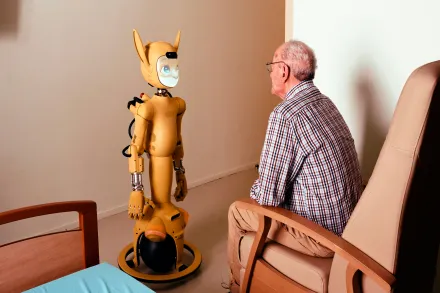
Overview of robotics in elder care
The landscape of elder care is undergoing a quiet revolution driven by advances in robotics and intelligent systems that seek to complement and extend human care rather than replace it. In its most essential form, robotics in elder care encompasses machines designed to assist with everyday activities, monitor health signals, facilitate communication with family and clinicians, and provide companionship that can reduce the sense of isolation that often accompanies aging. These systems are not a single invention but a constellation of devices that vary in embodiment, from mobile companions that speak, listen, and move through living spaces to stationary units that monitor vital signs, remind about medications, and guide residents through gentle exercises. At the core of this field lies a fundamental principle: technology should be visible enough to support safety and independence while preserving the dignity, preferences, and autonomy of the person receiving care. The result is a spectrum of robotic aids that can adapt to different environments, from private homes to assisted living facilities and acute care settings, each with its own goals but sharing a common aim of enhancing quality of life without increasing burdens on families or professional staff. As designers and clinicians collaborate, they routinely emphasize user-centered design, cultural sensitivity, and a responsive feedback loop that allows the devices to learn from interactions and adjust their behavior to align with personal routines, health trajectories, and emotional needs. The promise of robotics in elder care is not a future fantasy but a visible trend integrating sensors, actuators, and conversational capabilities into everyday routines in ways that feel natural rather than disruptive. This overview invites readers to imagine a care scenario where technology acts as a trusted partner, enabling seniors to maintain familiar routines, pursue activities that matter to them, and engage with the world in ways that reinforce autonomy and connection rather than erode it. In this sense, robotics becomes a collaborative tool that supports caregivers, clinical teams, and residents in a shared objective to sustain independence while safeguarding health and safety. The discussion that follows explores the layers of this evolving field, including how different robot types fit into various care paths, the benefits and risks involved, and the ethical considerations that accompany the adoption of intelligent machines into intimate spaces of daily life.
From a technical perspective, robotics in elder care integrates perception, planning, and interaction with the human user. Perception enables a robot to sense its surroundings through cameras, lidar, or tactile sensors, converting raw data into actionable information about spatial layouts, obstacles, and the presence of a person. Planning translates high-level goals, such as delivering a glass of water or reminding a resident to take a medication, into executable sequences that consider safety constraints, available energy, and the potential impact on comfort. Interaction then mediates the communication with the person, often through natural language, touch, or expressive gestures that convey warmth and empathy as well as precise instructions. This triad—perception, planning, and interaction—forms the backbone of adaptive care robots that can switch between roles as needed, whether a resident desires a friendly conversation, a guided exercise routine, or a monitoring check during the night. The result is not a rigid machine but a responsive system capable of learning preferences and adjusting its approach over time, a quality that is essential when addressing the diverse needs of older adults with varying cognitive, sensory, and physical abilities. The narrative of robotics in elder care, therefore, is not merely about sophistication of hardware but about an improving grammar of interaction that makes machines seem understandable, trustworthy, and helpful rather than distant or intrusive. The ongoing challenge is to harmonize technical capability with human-centered design so that robots support the nuanced rhythms of aging with grace and predictability, reducing anxiety around technology while extending practical benefits across daily life. The field remains dynamic, with researchers constantly testing new sensor fusion techniques, safer actuators, and more natural means of communication to ensure that the experience remains comfortable, respectful, and empowering for the person at the center of care.
Historical context and technological milestones
To understand the present role of robotics in elder care, it helps to look back at a broader arc of development that connects medical devices, assistive technologies, and social robots. Early interventions often focused on mechanical aids that helped with mobility or basic daily tasks, while later innovations introduced autonomous guidance and remote monitoring that could function with minimal human intervention. The emergence of social robots marked a turning point, reframing care from a purely utilitarian model to one that also honors companionship, responsiveness, and emotional attunement. Early ambassadors in this space included devices designed to provide simple, repetitive interactions that could be personalized over time, gradually giving way to systems capable of engaging in more complex conversations, understanding mood cues, and recognizing patterns in behavior or health status. As researchers refined actuation, battery technology, and sensor arrays, robots evolved from passive tools to proactive partners that could coordinate with clinicians, caregivers, and family members to ensure continuity of care. The milestone moments in this trajectory are often associated with demonstrations of fall detection, telepresence capabilities, medication reminders, and the capacity to guide residents through therapeutic exercises, sometimes accompanied by visual or auditory feedback designed to reinforce correct movements. Each milestone contributed to a broader confidence in deploying robots in everyday life, highlighting the importance of safety standards, regulatory considerations, and ethical reflexivity as the technology moved from experimental settings into real-world environments. The narrative thus traces a shift from simplification toward sophistication, from stand-alone devices to integrated ecosystems that share data across platforms, preserve privacy, and support human decision-making in ways that are transparent and interpretable. In this sense, the historical arc is not merely about hardware improvements; it is about building a social contract between technology and aging populations that respects autonomy while providing a reliable safety net for health monitoring and daily routine management. The field continues to evolve as new materials, computational methods, and human-robot interaction paradigms emerge, reinforcing the idea that elder care can be enhanced through thoughtful design and collaborative care models that place the person at the center of every technological choice.
Types of robotic systems used in elder care
Robotic systems deployed in elder care span a spectrum that includes mobility aids, monitoring devices, social companions, and therapeutic assistants, with each category serving distinct functions while often overlapping in practice. Mobility-oriented robots may traverse living spaces to assist with transfers, provide light assistance during ambulation, or accompany residents on short walks, all while ensuring stability and safety through careful gait analysis and crash-sensitive stopping mechanisms. Monitoring robots emphasize continuous observation of vital signs, posture, location, and environmental conditions, enabling early detection of anomalies that could indicate health concerns or safety risks such as wandering or falls. Social robots, in turn, specialize in naturalistic dialogue, empathetic responses, and timely social stimulation, offering conversational companionship, memory support, and cognitive exercises that can be tailored to the resident's interests and cognitive level. In addition, rehabilitation and exercise robots guide residents through therapeutic activities that promote balance, flexibility, strength, and endurance, using real-time feedback to correct form and motivate consistent engagement. Telepresence robots bridge the geographic gap between residents and remote caregivers or clinicians, allowing real-time communication, visual monitoring, and collaborative decision-making without necessitating frequent in-person visits. The deployment of these diverse systems requires careful alignment with the individual’s health status, living setting, and personal preferences, recognizing that some residents may prioritise independence and privacy while others seek more social interaction and reassurance. Each type of robot draws on core technologies such as sensor fusion, machine vision, speech processing, and robust control algorithms, but the value lies in how these technologies are woven into daily routines without creating friction or intrusion. The most effective configurations often combine different robot types into a holistic care plan where a single resident benefits from a mosaic of capabilities that collectively address medical needs, emotional well-being, and practical day-to-day tasks. Such integration demands thoughtful workflow design within care teams, clear delineation of responsibilities, and standardized interfaces so that human and machine collaborators can coordinate seamlessly, delivering consistent and personalized support across time.
In practice, the choice of robotic system is seldom about choosing a single device but about orchestrating a suite of tools that together cover the spectrum of needs. A home environment might feature a privacy-preserving monitoring robot that respects boundaries while alerting caregivers to potential issues, alongside a companion robot that can initiate gentle conversations, play familiar music, recall important memories, or help with cognitive exercises. In facility settings, researchers and administrators often implement a combination of navigation-enabled robots that can deliver supplies or transport items, social robots that provide stimulating interaction in communal spaces, and telepresence units that connect residents with nursing staff during off-hours or in emergencies. The design challenge is to ensure that each device integrates into the daily rhythm in a way that feels natural, with careful attention to user experience, acoustic and visual comfort, and unobtrusive presence. Privacy by design becomes a practical guideline as developers implement data minimization, secure communication protocols, and transparent consent processes so that residents understand what data are collected, how they are used, and who can access them. The result is a mature ecosystem where robots contribute to safety, health monitoring, emotional support, and practical independence, while still requiring human oversight to interpret alerts, validate medical decisions, and preserve the human elements that are central to compassionate care.
Benefits for seniors and caregivers
The adoption of robotic technologies in elder care is often framed around tangible improvements in safety and efficiency, yet the benefits extend far beyond measurable metrics to touch on dignity, reminiscence, and social connectedness. For seniors, robots can provide reliable reminders to take medications, structured cues for daily routines, and gentle prompts that sustain a sense of purpose and autonomy. The presence of a predictable, responsive companion can alleviate anxiety, reduce loneliness, and stimulate cognitive engagement through conversations and activities that reflect personal history, hobbies, and preferences. When a resident feels understood and engaged, mood and motivation often improve, which in turn enhances participation in rehabilitation and daily tasks that promote independence. For caregivers, whether they are family members or professional staff, robots can alleviate burdens by taking over repetitive or high-frequency tasks such as check-ins, environmental monitoring, and basic transportation within the home or facility. This does not merely free time; it enhances the quality of care by enabling caregivers to respond more thoughtfully to urgent needs, to plan interventions with better timing, and to maintain continuity of care across shifts or visits. A well-integrated robotic system can also act as an early warning mechanism, flagging deviations from normal patterns that might indicate dehydration, fatigue, or escalating medical concerns, thereby supporting proactive clinical decision-making. The cumulative effect of these benefits is a care environment where independence is reinforced rather than undermined, where social interaction remains a valued component of daily life, and where the collaboration between human and machine creates a more resilient framework for managing aging with grace and competence. The emotional and relational dimensions are important to acknowledge, as residents often respond not just to the function of a robot but to the quality of the interaction, tone of voice, warmth in the conversation, and a sense that the technology is attentive rather than robotic in a negative sense. When designed with empathy and practical constraints in mind, robotics can transform the experience of aging by extending meaningful activity, preserving personal identity, and supporting families in their caregiving journeys.
Beyond individual experiences, robotics contribute to systemic improvements in care delivery. In settings where staffing shortages or high turnover challenge continuity of care, robots can provide consistent routines, reduce the risk of human error in medication administration, and maintain regular monitoring schedules that ensure critical information is captured and acted upon in a timely manner. The data streams generated by these devices can also empower clinicians with richer context about a resident’s daily functioning, enabling more precise tailoring of treatment plans and rehabilitation goals. When privacy and consent are carefully managed, the observability provided by robots can become a tool for collaborative care planning, with residents, family members, and care teams sharing insights about what works best, what matters most to the individual, and how to adjust strategies as health conditions evolve. The net effect is a more patient-centered, data-informed approach to elder care that respects personal agency while embracing the benefits of automation and artificial intelligence in enhancing safety, efficiency, and human connection. As with any transformative technology, the success of robotics in elder care hinges on thoughtful implementation, ongoing evaluation, and a culture of continuous improvement that centers the lived experiences of older adults and those who support them.
Ethical considerations and social implications
Deploying robotic systems in intimate care environments raises a constellation of ethical questions that require careful, ongoing reflection. A primary concern centers on privacy and consent, as many devices collect data about daily routines, health status, and personal preferences. Residents must have clear, accessible information about what is being recorded, how data will be used, who has access, and under what circumstances data might be shared with family members or healthcare professionals. The principle of autonomy remains central: residents should retain control over the use of technology in their lives, including the ability to opt out of certain features or to pause monitoring when privacy needs outweigh safety considerations. Another dimension concerns dignity and the way robots interact with older adults. Interactions should avoid patronizing tones or overly simplistic behavior and should instead reflect respect for the resident’s experience, intellect, and individuality. This includes recognizing limits to machine understanding and ensuring that the person maintains a sense of agency in decision-making, even when the robot provides suggestions or nudges toward healthy routines. There is also a broader societal responsibility to prevent bias and inequity in access to robotic care. If robotics become a standard feature of elder care, disparities across income, geography, or institutional resources could widen existing gaps in quality of life. Designing inclusive systems that work for diverse cultural backgrounds, language preferences, and varying levels of cognitive or physical ability is essential to avoid marginalizing certain groups. The governance framework surrounding robot use must address accountability, especially in situations where a device fails or misinterprets a situation, ensuring that clear lines of responsibility exist among manufacturers, clinicians, and care providers. The social implications extend to the labor ecosystem, where automation may influence job roles, training requirements, and the emotional labor of caregivers who must integrate new tools into their routines without feeling diminished in their skills or professional identity. Thoughtful policies, robust safety standards, and ongoing dialogue with residents and families can help to align technological possibilities with deep, human-centered values, turning potential ethical tensions into opportunities for transparent, trust-building practice. The outcome is a learned equilibrium where technology enhances compassion rather than replacing it, and where the presence of robots in elder care is interpreted as a supportive partnership that honors the complexities of aging and human relationships.
Clinical applications and independence
Clinical integration is a key driver of the practical value that robotics can offer in elder care. By connecting robotic systems with electronic health records, clinicians can receive timely updates about a resident’s well-being, adherence to treatment plans, and response to prescribed therapies. This integrated approach enables more adaptive care plans that reflect real-world experiences, rather than relying solely on episodic in-person assessments. For residents, the aim is to sustain independence by supporting daily activities with precision and reliability, offering assistance that is appropriate in intensity and scope. When a robot assists with medications, for example, it does so with careful checks that reduce the likelihood of errors while preserving the resident’s sense of control and dignity. In physical rehabilitation, therapeutic robots can guide movements, measure progress, and provide gentle feedback that motivates continued participation, turning rehabilitation from a frustrating obligation into a structured, positive routine. Social robots contribute to mental health by offering conversations, reminiscence prompts, and culturally resonant activities that keep the person connected to their identity and community. Telepresence capabilities give clinicians a window into the home or facility, enabling remote guidance, assessment, and timely escalation of concerns without requiring disruptive travel. The clinical value emerges when robots are not seen as isolated devices but as integrated teammates that communicate with care teams, signal red flags to prevent hospitalizations, and contribute to a more continuous model of care that aligns with the person’s preferences and goals. Importantly, independence does not imply isolation; robots are tools that expand the repertoire of supported living, enabling residents to maintain routines, engage with meaningful activities, and remain part of their social networks while receiving timely professional oversight when necessary. The net effect is a more resilient care ecosystem in which technology reduces friction, supports clinical decision-making, and enhances the overall sense of security and freedom for older adults and their families.
In practice, achieving effective clinical integration requires careful pilot testing, rigorous safety evaluations, and ongoing training for staff to interpret robot-generated data and incorporate it into care decisions. Clinicians must collaborate with engineers to translate clinical goals into actionable robot behaviors, ensuring that automated prompts align with patient education and consent considerations. The process also necessitates robust fault management protocols, including clear escalation paths when a device encounters a limitation or when a resident’s needs change in unexpected ways. By embracing a collaborative, interdisciplinary approach, healthcare teams can harness the strengths of robotic systems while remaining attentive to the human factors that shape successful care experiences. This synergy between technology and clinical wisdom can help maximize positive outcomes, reduce unnecessary hospital visits, and foster environments where older adults feel observed, valued, and capable of sustaining their preferred routines with support that respects their preferences and life history.
Cost, accessibility, and policy implications
Cost considerations are central to the widespread adoption of robotics in elder care, influencing decisions in homes, communities, and healthcare systems. Initial purchase price, ongoing maintenance, software updates, and the need for staff training all factor into the total cost of ownership. While high upfront costs can be a barrier, a broader economic perspective recognizes how robotic systems can lower long-term expenses by reducing caregiver burnout, preventing adverse events such as falls or medication errors, and enabling home-based care that delays or reduces reliance on more expensive institutional care. A well-structured funding model may combine public subsidies, private insurance coverage, and value-based arrangements that reward improved outcomes, safety, and quality of life. Policies that encourage interoperability and data standardization can also help reduce long-term costs by enabling seamless integration across devices and care platforms, preventing vendor lock-in and encouraging continued innovation. Accessibility hinges on thoughtful design and local adaptation. Robots should support diverse living environments, from compact apartments to larger care facilities, and they must be usable by residents with a range of cognitive and physical abilities, including those with visual or hearing impairments. Language options, intuitive interfaces, and adaptable interaction styles are essential to ensure broad usability and meaningful engagement for a wide spectrum of residents. Policy frameworks should promote equitable access, addressing disparities related to income, geography, or institutional resources. Regulatory oversight must balance the imperative of safety with the need to foster innovation, encouraging transparent reporting of adverse events and ensuring rigorous testing of new capabilities before clinical deployment. In this context, collaboration among policymakers, healthcare providers, researchers, industry partners, and patient representatives becomes vital to shaping a sustainable, inclusive roadmap for robotic elder care that can adapt to changing demographics, evolving technologies, and diverse cultural expectations. The financial and policy landscape shapes not only what is possible but what is practical, guiding decisions that ultimately determine whether technology extends the horizon of independence and well-being for older adults across communities and generations.
Future directions and research challenges
The road ahead for robotics in elder care is characterized by both optimism and humility, recognizing the profound potential while acknowledging the complexities of human life and the limits of technology. Advances in artificial intelligence promise more natural and context-aware interactions, enabling robots to interpret emotional cues with greater nuance, recall long-term preferences, and respond with appropriate sensitivity to mood and energy levels. Improvements in perception, navigation, and manipulation will enhance safety in cluttered home environments, making robots more capable assistants for tasks that require careful handling, precise contact, and adaptive planning. Research into explainable AI seeks to demystify robot decisions, offering residents and caregivers a clearer understanding of why the robot acts in a certain way, which in turn builds trust and acceptance. The development of modular hardware and software architectures can accelerate customization and facilitate the deployment of new capabilities without requiring a complete system overhaul. This modularity also supports ethical and privacy considerations by allowing targeted privacy controls and data sharing preferences that reflect individual comfort levels. A key area of challenge lies in ensuring robust reliability across diverse settings, including variable lighting, acoustic conditions, and the presence of multiple humans with dynamic routines. Safety infrastructures must evolve to anticipate edge cases, prevent unintended actions, and provide comfortable fail-safes that preserve safety without eroding user trust. Social acceptance remains critical; even the most advanced robot yields diminishing returns if it is perceived as intrusive or disrespectful. Therefore, research must continue to explore culturally resonant design, meaningful interaction styles, and adaptive behavior that honors personal history and social context. Finally, the field must address equity and access, ensuring that the benefits of robotic elder care do not accrue only to those in affluent regions or well-funded facilities. Concerted efforts in global collaboration, open standards, and shared best practices can help broaden impact while maintaining the high ethical and safety standards that communities rightly expect. By embracing interdisciplinary collaboration and centering the experiences of older adults, researchers and practitioners can push toward a future where robotic assistance is a trusted, respectful partner in aging well, with outcomes that extend beyond efficiency to enhance dignity, autonomy, and belonging.
Case studies and real-world deployments
Across diverse settings, real-world deployments of robotics in elder care illuminate both the promise and the practical realities of these technologies. In a home setting, a resident with mild cognitive impairment might rely on a small companion robot to remind them to drink water, take medications, and participate in short cognitive exercises that reinforce memory and attention. The robot learns preferences over time, choosing conversations and activities that reflect the resident’s past interests, such as favorite literature, music, or travel memories, and it gracefully avoids prying into topics that make the resident uncomfortable. In a retirement community, a combination of mobility aids, monitoring units, and social robots can knit together a daily rhythm that feels cohesive and supportive. Robotic assistants can deliver snacks, fetch items from common areas, and gently guide residents through group activities in shared spaces, all while ensuring that staff are alerted promptly if someone appears unwell or at risk of a fall. Telepresence devices in such environments enable clinicians and family members to check in, observe, and participate in daily routines without imposing travel burdens, creating a sense of continuity of care that transcends physical distance. In an assisted living facility with a high demand for personalized care, robots can support caregivers by taking on repetitive tasks, freeing nurses to focus on more complex clinical needs and direct interaction with residents. The experience in these contexts underlines the importance of thoughtful integration: robots must be embedded into established care protocols, guided by clinical oversight, and accompanied by training that helps staff interpret robot data, respond appropriately, and preserve the human-centered nature of care. Ethical monitoring and transparent governance accompany these deployments to ensure that residents retain control over their lives and that any data collected serve clearly defined, consented purposes. The cumulative lesson from case studies is that when robots are deployed with respect for autonomy, privacy, and relational dignity, they can become valuable allies in a broader care ecosystem, enhancing safety, enabling engagement, and supporting emotional well-being in ways that feel natural and empowering rather than impersonal and coercive. These narratives illustrate a trajectory toward care environments where technology and humanity reinforce each other, rather than compete for space or authority in the daily lives of older adults.
In many installations, families report a greater sense of reassurance knowing that a device is attentively monitoring routine health signals, enabling earlier intervention during health fluctuations. Staff members appreciate the ability to allocate attention to tasks that require human judgment, listening to residents more attentively, and offering companionship that complements the technical monitoring provided by robots. Residents themselves often describe the experience as companionship backed by dependable safety features, a combination that can reduce stress about aging and support ongoing participation in activities they enjoy. These real-world deployments reveal a future in which robotic systems do not merely perform mechanical actions but participate in the social fabric of care, orchestrating a balance between independence, safety, and meaningful human contact. As technology matures, ongoing evaluations, user-centered research, and transparent reporting of outcomes will help ensure that the benefits remain aligned with the values and preferences of older adults, caregivers, and the communities in which care takes place. The result Is a more nuanced and compassionate approach to elder care where robots are leveraged to amplify human care rather than supplant it, creating opportunities for richer, more connected, and healthier aging experiences across diverse populations.
In summary, the story of robotics in elderly care is a narrative of incremental gains, thoughtful design, and collaborative practice that centers human dignity and autonomy. The technology offers tangible improvements in safety, independence, and social connectedness while presenting ethical and practical challenges that require careful consideration and ongoing stewardship. As researchers, clinicians, families, and residents continue to collaborate, the role of robotics will likely expand in ways that honor preferences, adapt to changing health needs, and support sustainable models of care that are resilient in the face of demographic shifts. The ultimate aim remains clear: to enable older adults to live with greater agency, enjoy richer relationships, and maintain the routines and activities that give life meaning, all while benefiting from the steady, respectful assistance that modern robotics can provide. This vision invites continued exploration, investment, and dialogue, ensuring that technology serves as a respectful partner in aging well rather than a distant instrument of surveillance or control.