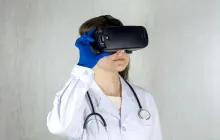
Telemedicine has emerged as a transformative force in the landscape of follow-up care, redefining how patients and clinicians stay connected after an initial encounter. The traditional model relied heavily on in-person visits that required travel, time off work, and balancing scheduling against other life responsibilities. Telemedicine changes the equation by leveraging secure video conferencing, asynchronous messaging, remote monitoring devices, and integrated electronic health records to create a continuous thread of care that extends beyond the walls of a clinic. This continuity is particularly valuable when the goal is to detect early signs of deterioration, adjust treatment plans promptly, and support patients in implementing complex self-management regimens. The shift is not simply about replacing face-to-face encounters; it is about reconfiguring the pace and channel of communication to fit real-world patient needs. When used thoughtfully, telemedicine makes follow-up care more responsive, more personalized, and more sustainable for both patients and providers. It also helps learners and families become part of the care ecosystem, which can magnify the impact of treatment plans and improve satisfaction with the care experience.
Expanded access and patient reach
One of the most immediate advantages of telemedicine in follow-up care is the expansion of access for people who previously faced barriers to regular check-ins. Rural residents, individuals living in remote areas with limited transportation options, and patients with mobility challenges can connect with clinicians without long trips or waiting rooms. This expanded reach is not merely about convenience; it translates into more timely assessments, faster escalation of concerns, and earlier interventions for evolving symptoms. When a patient can share vital signs collected at home, post-discharge monitoring data, or a snapshot of current medications, clinicians gain a more complete picture than a single visit could provide. The result is a care relationship that transcends geographic constraints, enabling consistent follow-up that helps prevent subtle complications from slipping through the cracks. In many health systems, telemedicine platforms support multilingual interfaces, easy scheduling, and flexible hours, further lowering friction for patients who would otherwise delay or skip follow-ups. The cumulative effect is a broader net of safety and continuity that benefits communities with historically uneven access to care.
Enhanced patient engagement and adherence
Engagement and adherence are critical determinants of successful follow-up care. Telemedicine creates opportunities for ongoing dialogue that supports patients as they implement treatment regimens, adjust medications, and adopt lifestyle changes. Through secure messaging, clinicians can answer questions promptly, clarify instructions, and provide timely pep talks that reinforce motivation. Remote check-ins, brief symptom surveys, and digital reminders help patients stay on track between visits, reducing the likelihood of missed doses or forgotten follow-up steps. In settings where patients juggle work, caregiving duties, and daily responsibilities, asynchronous communication can be the difference between adherence and disengagement. When patients feel heard and supported between visits, they are more likely to report concerns early and participate actively in decision-making about their care. This collaborative dynamic strengthens therapeutic alliances and can lead to better clinical outcomes over time, particularly for chronic conditions that require sustained behavior change and self-management efforts.
Remote monitoring and data integration
Remote monitoring has evolved into a central pillar of modern follow-up care, offering clinicians a steady stream of objective data to guide decisions. Wearable devices, home blood pressure cuffs, glucometers, weight scales, and pulse oximeters can feed real-time information into a patient’s electronic health record. When data are integrated with scheduled encounters, clinicians can identify trends, detect early warning signs, and tailor interventions with greater precision. The value of remote monitoring lies in its ability to capture dynamic processes that might not be evident during a single clinic visit. For example, subtle week-to-week fluctuations in blood pressure or glucose levels can signal the need for a medication adjustment before a crisis develops. Data integration also supports population health management, enabling care teams to monitor cohorts at risk and deploy targeted outreach or education. While the technology footprints are expanding, thoughtful workflow design ensures that data are reviewed in a timely manner and acted upon in a way that respects patient privacy and clinician bandwidth.
Clinical outcomes and quality of care
By enabling more frequent touchpoints and faster responses to changing clinical conditions, telemedicine contributes to measurable improvements in outcomes. Timely triage of new symptoms, rapid medication titration, and prompt adherence support can reduce hospital readmissions, shorten length of stay for certain conditions, and prevent emergency visits in some populations. In chronic disease management, regular virtual follow-ups support tighter control of disease activity, which often translates into fewer complications and improved quality of life. Telemedicine also supports standardized care pathways by providing a consistent framework for post-discharge instructions, monitoring schedules, and patient education across diverse settings. When clinicians can quickly verify understanding of treatment plans, correct misconceptions, and reinforce safety precautions, adherence improves and the risk of adverse events decreases. The net benefit is a safer, more reliable continuum of care that aligns with evidence-based guidelines and patient-centered goals.
Workflow efficiency and scheduling
From the perspective of healthcare teams, telemedicine can streamline workflows in ways that free up time for higher-value activities. Appointment scheduling becomes more flexible, with the option for short, targeted follow-ups that fit into a patient’s day. Virtual visits can reduce no-show rates by offering alternative modalities such as video or phone consultations when in-person visits are not feasible. For clinicians, asynchronous communications enable fast check-ins that do not require real-time presence, improving responsiveness without sacrificing quality. Integrated telemedicine platforms can automate routine tasks like prescription renewals, lab result reviews, and patient education delivery, which helps staff concentrate on clinical decision-making and patient interaction. The efficiency gains also support more equitable access, as clinics can serve more patients with the same or fewer resources. When workflow redesign is coupled with proper training and governance, telemedicine becomes a force multiplier that enhances the sustainability of follow-up programs while maintaining or improving care standards.
Cost implications and value proposition
The economic dimension of telemedicine in follow-up care is multifaceted. For patients, reduced travel time, lower transportation costs, and less time away from work contribute to tangible financial relief. Health systems may see savings through optimized staffing, reduced emergency department utilization, and more efficient scheduling. For payers, telemedicine can support proactive management of chronic disease, potentially lowering overall expenditures by preventing complications that require hospitalization. However, realizing these savings depends on thoughtful program design, appropriate reimbursement models, and careful selection of diagnostic modalities suitable for virtual follow-up. It is important to consider the upfront investments in technology, staff training, and cybersecurity measures, balanced against the long-term savings from improved outcomes and patient satisfaction. A well-structured telemedicine program aligns incentives with patient-centric goals, creating a compelling value proposition for patients, providers, and payers alike while maintaining high standards of clinical care and safety.
Equity, privacy, and security considerations
Privacy and security are foundational to any telemedicine initiative. Patients must be confident that their health information remains confidential and protected against unauthorized access. Healthcare organizations must implement robust encryption, secure authentication, and access controls, while also ensuring that data flows comply with relevant regulations and standards. Beyond technical safeguards, equity considerations are essential because digital divides can widen disparities in access to follow-up care. Some patients may lack reliable internet connectivity, suitable devices, or digital literacy to engage effectively in virtual care. Programs should incorporate alternatives such as telephone-based follow-ups and community-based support where needed, and they should actively provide education and assistance to bridge gaps. Thoughtful privacy and security planning includes ongoing risk assessments, clear consent processes, and transparent communication with patients about how their data will be used and protected. When patients trust the system, they are more likely to participate fully in follow-up care and share accurate information that improves clinical decision-making and safety.
Special populations and case studies
Telemedicine follows a broad spectrum of use cases, and certain populations may derive particular benefit from well-designed follow-up approaches. Elderly patients often face mobility and transportation barriers, yet may require frequent symptom checks or medication reconciliation after hospitalization. Telemedicine can provide caregiver-inclusive sessions, where family members can participate to ensure comprehension and support. Pediatric populations benefit from secure, child-friendly platforms that maintain continuity with pediatric specialists who monitor growth, vaccination schedules, and chronic conditions. Chronic disease management cohorts, such as heart failure, diabetes, and chronic obstructive pulmonary disease, frequently rely on routines that include daily self-monitoring, medication adjustments, and timely lifestyle counseling. Real-world examples from diverse health systems demonstrate that telemedicine-enabled follow-up can reduce readmissions, improve medication adherence, and sustain higher levels of functional status. Each case study reflects thoughtful alignment of technology, clinical workflow, and patient needs to achieve meaningful improvements in care.
Implementation challenges and best practices
Despite the many advantages, implementing telemedicine for follow-up care is not without challenges. Technical issues such as connectivity gaps, interoperability problems between platforms and electronic health records, and varying levels of digital literacy can impede adoption. Clinicians must learn new communication skills suitable for virtual encounters, including how to read nonverbal cues through video and how to structure conversations to maximize efficiency. Reimbursement policies and regulatory requirements may influence program design and sustainability, requiring careful navigation of payer rules and licensure considerations, especially for cross-state care. To overcome these hurdles, health systems should invest in user-centered platform selection, establish clear clinical protocols for virtual follow-up, and provide comprehensive training for clinicians and support staff. Strong governance, performance metrics, and patient feedback loops are essential to monitor quality, safety, and satisfaction. When best practices are embedded in the program from the outset, telemedicine-based follow-up can scale gracefully, maintain high standards, and adapt to evolving clinical needs and patient preferences over time.
Future directions and innovations
The horizon of telemedicine in follow-up care is expanding with advances in artificial intelligence, data analytics, and smart devices. AI-driven triage tools can help prioritize follow-up conversations based on risk, generating targeted questions for patients before a visit and guiding clinicians to focus on the most critical issues. Predictive analytics may forecast symptom trajectories, enabling proactive interventions that prevent deterioration. Multi-channel platforms that combine video, chat, and remote monitoring in a single, seamless interface can simplify the patient experience and reduce cognitive load. Innovations in patient education, decision aids, and digital therapeutics can complement clinical management by reinforcing evidence-based practices in real life. As technology becomes more integrated with clinical workflows, telemedicine is positioned to support more personalized, precise, and proactive follow-up care, while maintaining the human connection that is central to effective healing and ongoing trust between patients and clinicians.
Policy landscape and reimbursement
The policy and reimbursement environment continues to shape how telemedicine is deployed for follow-up care. In many regions, temporary policies expanded access during public health emergencies and demonstrated the potential for cost savings and improved outcomes. Ongoing policy work focuses on sustaining coverage for virtual visits, ensuring parity with in-person visits, and clarifying telemedicine's role in complex care management. Reimbursement models that reward quality and outcomes rather than volume are particularly compatible with telemedicine, encouraging providers to invest in reliable platforms, data integration, and care coordination capabilities. Licensure requirements, cross-state practice considerations, and privacy regulations remain essential considerations for program design. Health systems that actively engage with policymakers, align technology choices with clinical needs, and maintain rigorous privacy protections are better positioned to sustain high-quality follow-up care through telemedicine as part of the standard of practice rather than a niche option.
Patient experience stories and clinician perspectives
From the patient perspective, telemedicine often translates into feeling seen and heard more consistently, with fewer barriers to everyday health management. Some patients describe how virtual check-ins helped them stay on a medication plan they previously struggled to maintain, while others share relief from not having to travel long distances for routine follow-ups. Clinicians frequently report enhanced confidence in monitoring chronic conditions, thanks to continuous data flows and more frequent touchpoints. They describe the satisfaction of timely medication adjustments, quicker responses to patient concerns, and a sense of partnership with patients that extends beyond a single appointment. These narratives highlight the human benefits behind the technology — the reassurance that someone is watching over the patient’s health journey, the empowerment that comes from accessible information, and the sense of collaboration that motivates patients when making decisions about their care. While experiences vary, the overall trend points toward a more connected and responsive care environment that honors patient preferences and clinical responsibilities alike.
Sustainability and long-term impact
Looking ahead, telemedicine-enabled follow-up care has the potential to transform models of chronic care and post-acute care in sustainable ways. By reducing unnecessary hospital visits, enabling early detection of problems, and promoting patient self-management, telemedicine contributes to a more resilient health system. Long-term sustainability depends on aligning technology investments with clinical goals, fostering clinician acceptance through training and support, and ensuring patient access remains equitable. This means designing programs that accommodate diverse literacy levels and language needs, providing alternative channels for those with limited internet connectivity, and building robust data governance to protect privacy while enabling meaningful insights. The enduring impact lies in a culture shift toward proactive, continuous engagement with patients, where follow-up care is not a reactive afterthought but an integrated, value-driven component of everyday healthcare. When executed with attention to safety, equity, and user experience, telemedicine can redefine what follow-up care looks like in the 21st century and beyond.