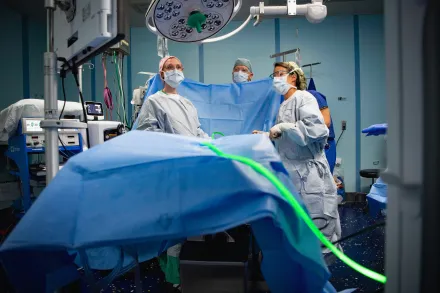
Robotic surgical training stands at the intersection of engineering, medicine, and pedagogy, where rapid technological advances collide with the timeless demands of patient safety, skill mastery, and ethical responsibility. The past two decades have seen a transformation from apprenticeship in the operating room to layered training ecosystems that blend simulation, virtual reality, artificial intelligence, and remote mentorship. The core drive behind these innovations is the recognition that robotic platforms, while offering enhanced precision and reach, introduce unique cognitive and psychomotor challenges for surgeons-in-training. They demand new ways to acquire spatial awareness, instrument control, haptic perception, and intraoperative decision making. The objective of modern training is not merely to perform a single operation with a robot but to cultivate a durable competency profile that endures across cases, patient populations, and evolving platforms. This article surveys the major innovations reshaping how surgeons learn robotic skills, why they matter, and how education systems are adapting to deliver safer, more accessible, and more effective training for learners around the world.
Historical foundations and the evolution of robotic platforms
The journey of robotic-assisted surgery began as a collaboration between engineers seeking to translate tactile precision into machine controlled motion and clinicians who sought to extend their reach beyond physiological limits. Early pioneers demonstrated that remote manipulation could reduce tremor, scale motion, and execute complex maneuvers in confined spaces. As the technology matured, the educational implications sharpened. Training networks recognized that mastery of robotic control is not a simple transfer of knowledge but a layered skill set that combines deep anatomical understanding with refined hand‑eye coordination and silent situational awareness. Over time, robotic platforms grew from simple teleoperation rigs to sophisticated systems that integrate vision enhancement, tremor suppression, and multiport instrumentation. The evolution created a feedback loop in which hardware improvements demanded corresponding advances in curricula, simulation fidelity, and assessment frameworks. Contemporary programs routinely incorporate synthetic tissue, virtual environments, and standardized task sets that map directly to operative scenarios, ensuring that trainees progress along a structured trajectory rather than relying on chance exposure to real surgeries. This historical arc highlights a central theme: training must keep pace with technology while preserving the patient safety imperative at the heart of all surgical education.
As robotic systems proliferate across specialties—from urology and gynecology to cardiothoracic and general surgery—the breadth of training needs expands. Each platform introduces unique instrument configurations, visualization modalities, and control paradigms. The earliest training models emphasized basic instrument articulation and camera navigation, but modern curricula emphasize adaptive planning, tissue handling, energy control, and the orchestration of multiport tasks. The result is a training culture that views robotic proficiency not as a single milestone but as a spectrum of competencies that advance with experience and reflective practice. This continuum demands a robust educational infrastructure, including accessible simulators, standardized benchmarks, and credentialing pathways that harmonize across institutions and regions. The historical foundations thus inform a present where rigorous, evidence-based training is embedded into the lifecycle of a surgeon’s career rather than appended as an optional activity.
One enduring lesson from the history of robotic training is the necessity of deliberate practice. Repetition with increasingly challenging scenarios, coupled with immediate feedback, has proven more effective than ad hoc exposure. Robotic training has thus embraced intentionally designed practice environments where learners repeatedly perform core tasks, receive corrective guidance, and gradually assume more complex cases. The design philosophy behind these programs mirrors broader advances in adult learning: experiential learning that respects prior knowledge, fosters self assessment, and cultivates a growth mindset. As technology continues to advance, the historical emphasis on structured progression remains a stable anchor, ensuring that new innovations augment, rather than replace, the pedagogical foundations that support patient safety and clinical excellence.
Contemporary training ecosystems also leverage the democratization of knowledge through open repositories, collaborative networks, and cross-institutional simulations. This diffusion helps reduce disparities in access to high-quality training and accelerates the dissemination of best practices. When combined with scalable simulators and affordable feedback mechanisms, these systems enable learners in diverse settings to reach a baseline proficiency that could previously require substantial hospital time or access to high-volume centers. The historical trajectory thus converges on a principle: technology should enlarge opportunities for training while maintaining rigorous standards of assessment and accountability. In this light, innovations are best understood not as isolated tools but as components of an integrated educational ecology that harmonizes hardware advances with timeless training principles.
High-fidelity simulators and physical phantoms
High-fidelity simulators and physical phantoms form the backbone of early skill formation in robotic surgery. These simulators replicate the tactile, visual, and geometric challenges of real procedures without placing patients at risk. Modern bench models incorporate layered tissue analogs, variable tissue stiffness, and integrated sensors that measure force, velocity, and precision. The tactile dimension, once imagined as beyond the reach of simulators, has become increasingly realistic through materials science and haptic feedback technologies. Trainees interact with synthetic organs, simulated vasculature, and connective tissue analogs that mimic the anisotropic properties of real biological tissues. This fidelity supports the development of nuanced skills such as selective dissection, accurate suture placement, and safe energy application. By providing repeatable, controlled environments, these simulators enable deliberate practice that is not constrained by case availability or patient safety concerns. The resulting competencies are transferable to the operating room, given parallel calibration of visual cues, force feedback, and instrument proprioception.
Beyond purely mechanical fidelity, simulators now integrate environmental cues that reflect real surgical settings. Lighting variations, mirror image anatomy, and dynamic exposures create robust training experiences that prepare learners for the unpredictable nature of live operations. Some platforms simulate physiological responses to manipulation, such as tissue deformation under instrument forces or the recoil effects of energy devices. The presence of such cues enriches cognitive processing, as learners must anticipate tissue behavior, predict hemodynamic changes, and adjust their strategies in real time. The educational payoff is a more resilient surgeon who can translate bench mastery into steady hands and calm decision making in the operating room. In parallel, automated performance metrics track procedural times, error rates, and path planning efficiency, enabling objective feedback that supports progressive mastery over weeks and months rather than sporadic improvement after a handful of procedures.
Another critical aspect of high-fidelity simulation is the standardization of tasks. Structured task libraries provide a common language for measurement and comparison, enabling multi-center benchmarking and research into best practices. These libraries include cadaveric or synthetic tasks that isolate essential components of a given procedure, such as precise needle handling, atraumatic tissue manipulation, or meticulous dissection planes. When standardized across programs, they allow educators to identify skill gaps, tailor individualized curricula, and assess competency consistently. The ultimate aim is to build a shared foundation of robotic competency that transcends local variation while still honoring the distinctive patient populations and clinical contexts each trainee will encounter. The commitment to fidelity, standardized tasks, and objective feedback thus anchors the use of high-fidelity simulators in a broader strategy for scalable, evidence-based training.
While high-fidelity physical simulators deliver indispensable hands-on practice, accessibility remains a practical concern. Not all learners can access expensive simulators, particularly in low-resource settings or remote regions. To address this, manufacturers and educational consortia have developed modular, cost-conscious models that preserve essential features while reducing capital outlay. These scalable options often pair with cloud-based data capture, enabling remote instructors to monitor progress and provide guidance without geographic constraints. In this sense, high-fidelity simulators serve not only as engines of skill development but also as catalysts for global inclusion, allowing a broader cohort of trainees to benefit from structured, repeatable practice that aligns with contemporary competency frameworks.
As part of ongoing quality improvement, simulators also support research into training effectiveness. Experimental studies compare different training modalities, quantify transfer to the OR, and evaluate how feedback modalities influence learning curves. The resulting evidence informs curriculum revisions, ensuring that practice tasks meaningfully contribute to clinical performance rather than simply burning time in a simulation lab. The fusion of fidelity, standardization, accessibility, and evidence-based pedagogy elevates high-fidelity simulators from fashionable tools to essential infrastructure within modern robotic surgical education. With continued investment in materials science, sensing, and user-centered design, simulators will increasingly blur the boundary between simulation and real-world practice, enabling learners to refine their skills in a risk-free yet genuinely relevant environment.
Virtual reality, haptics, and immersive learning
Virtual reality and immersive learning technologies have fundamentally reshaped how learners engage with complex spatial tasks inherent in robotic surgery. High immersion experiences leverage stereoscopic visualization, motion-tracked controllers, and responsive feedback loops to create a sense of presence that mirrors the operating room. In these environments, trainees can rehearse entire procedures or isolated segments, visualize three-dimensional anatomy from multiple angles, and experiment with different dissection strategies without endangering patients. The cognitive demands of robotic manipulation—such as depth perception through a 2D display, instrument collision avoidance, and precise force application—are addressed directly through immersive practice. When combined with timely feedback, the VR experience accelerates skill acquisition and supports deliberate practice as a core principle of adult learning.
Haptic feedback is a particularly transformative element of immersive robotic training. By delivering force sensations that reflect tissue interaction, haptics bridge the gap between visual-spatial understanding and tactile perception. Trainees gain an intuitive sense of how much force is appropriate for a given tissue type, how to modulate grip, and how to detect subtle tissue resistance that may signal potential complications. Although haptic technologies are not yet perfect replicas of real tissue, their progressive realism continually narrows the gap between simulation and live surgery. This ability to feel the difference between tissue planes, vessels, and suturing targets contributes to safer instrument handling, reduces inadvertent injury, and builds a more confident operator who trusts the feedback loop provided by the training platform.
Immersive learning also encompasses scenario-based modules that place the trainee in realistic clinical narratives. These modules integrate decision points, non-technical challenges such as team communication, and time-sensitive goals that simulate the pressures of actual operations. By engaging with these narratives, learners develop situational awareness, leadership and teamwork skills, and the ability to maintain composure under stress. The educational advantages extend beyond technical proficiency to encompass a broader suite of competencies that influence outcomes in the OR. As the technology matures, VR and haptic systems are likely to incorporate adaptivity, adjusting task difficulty in real time based on the learner’s performance, thereby maintaining an optimal challenge gradient that sustains motivation and accelerates learning.
Critically, immersive learning platforms are increasingly integrated with data analytics, so every action a learner takes is captured, analyzed, and translated into personalized feedback. The combination of rich sensory experiences with precise performance metrics enables instructors to diagnose specific weaknesses, monitor progress across a curriculum, and calibrate future tasks to address residual gaps. This integration embodies a shift from mere repetition to purposeful, feedback-informed practice that aligns with modern competency-based education. It also invites ongoing research into how different sensory modalities contribute to transfer of training to real procedures, how individual learning styles interact with VR-based instruction, and how to optimize the balance between practice in a risk-free environment and real case exposure to maintain patient safety and training efficiency.
In practice, immersive learning strategies bring together several threads of innovation: sophisticated visualization, haptics, scenario-based training, and data-driven feedback. The result is a learning ecosystem that can simulate rare but critical events, such as vascular injury or unexpected anatomic variation, without exposing patients to risk. Learners develop robust mental models of robotic workflow, anticipate potential complications, and rehearse adaptive responses. The educational value of such immersive experiences lies not only in skill acquisition but also in the cultivation of professional judgment, the capacity to interpret intraoperative cues quickly, and the ability to adjust plans as new information emerges. As these platforms continue to evolve, they promise to reduce the gap between theoretical knowledge and confident, practiced performance when real patients enter the OR.
Beyond individual skill development, immersive technologies enable collaborative learning experiences. Remote experts can guide novices through complex tasks, provide real-time coaching, and model best practices through shared, interactive simulations. This capability is particularly meaningful for training in regions with limited access to experienced robotic surgeons, because it democratizes expertise and fosters a global standard of care. The social dimension of immersive learning—shared problem solving, constructive critique, and collective reflection—enhances motivation and commitment to mastery, turning training into a community-based endeavor rather than a solitary pursuit. In this sense, virtual reality and haptic technologies not only teach hands-on technique but also cultivate the professional culture that underlies safe and high-quality robotic surgery.
Telesimulation and remote proficiency assessment
Remote training modalities, known collectively as telesimulation, extend the reach of expert mentorship across geographical barriers. Telesimulation combines live, synchronized instruction with data-rich simulations, enabling instructors to observe, annotate, and guide residents in real time from distant locations. This capability is particularly valuable for institutions in underserved areas that lack large volumes of robotic cases or access to highly experienced mentors. By virtualizing the training environment, telesimulation ensures consistent exposure to standardized tasks, while preserving the nuance of expert feedback that is essential for mastery. The clinician gains the benefits of expert oversight without the logistical burden of travel, while the expert maintains a high degree of instructional influence even from afar.
Remote proficiency assessment relies on objective metrics captured during simulated tasks. Video streams, instrument kinematics, tissue handling metrics, and event logs provide a comprehensive profile of a trainee’s abilities. These data streams support a structured progression through competencies, allowing educators to define explicit milestones and to determine whether a learner is ready for increasing levels of autonomy in the OR or should focus on particular skill domains. Because the assessments are grounded in performance data rather than subjective impressions, they offer a transparent framework for learners to understand their own trajectories and for institutions to benchmark outcomes across cohorts. In practice, telesimulation expands the ecosystem of feedback, enabling multi-source coaching that includes in-person mentors when possible and remote experts as a scalable alternative.
From a patient-safety perspective, remote training reduces the risk that a novice performs critical steps in live surgery before achieving a validated level of competence. The remote modality is especially important in emergent educational scenarios, where access to specialized training can determine the provider’s ability to deliver care under time pressure. In addition to technical skills, telesimulation platforms often embed training in team communication, decision making, and crisis resource management, enabling the development of non-technical competencies that are essential for successful robotic procedures. The synergy of remote guidance, standardized task libraries, and objective feedback paves the way for a more equitable distribution of expert knowledge, helping to raise the baseline quality of robotic care on a global scale while preserving patient safety and ethical standards across diverse healthcare systems.
As telesimulation integrates with advanced analytics, the fidelity of remote training increases further. Instructors can tailor sessions to the learner’s performance history, adjust the complexity of scenarios, and monitor fatigue indicators that may influence performance. Learners receive timely, precise feedback about specific actions, such as instrument alignment, tissue handling, or energy use, with recommendations for targeted practice. The result is a scalable, flexible training model that respects the realities of modern medical practice, including clinical duty cycles, resource constraints, and the need to maintain credentialing pathways in ever-changing regulatory environments. Telesimulation, in short, is not merely a convenience but a strategic instrument for elevating competency when access to in-person mentorship is limited or impractical.
Despite its promise, telesimulation presents challenges that must be addressed to maximize its impact. Technical reliability, bandwidth considerations, and user-friendly interfaces are critical for ensuring uninterrupted learning experiences. Data privacy and patient confidentiality must be safeguarded when training systems collect performance information that could be linked to real procedures. Additionally, the social dimension of apprenticeship—receiving nuanced feedback from a bedside mentor in person—remains valuable, and remote coaching should complement rather than replace direct clinical mentorship where feasible. Thoughtful integration of telesimulation with in-person training, along with ongoing research into its effectiveness, will help determine best practices for combining remote and on-site education to create resilient training ecosystems that can withstand workforce fluctuations and global health challenges.
Data analytics, metrics, and competency-based progression
Data analytics play a pivotal role in translating raw performance into actionable learning pathways. Robotic training platforms capture granular metrics on instrument trajectory, force profiles, precision, error rates, and completion times. When analyzed over time, these data illuminate learning curves, reveal skill plateaus, and reveal which tasks yield the most meaningful transfer to the live OR. This data-driven approach aligns with competency-based frameworks that emphasize demonstrable abilities rather than merely completing a fixed number of cases. In practice, learners progress through a sequence of defined milestones, earning incremental autonomy as they meet explicit performance criteria. This structured progression respects individual variability in learning speed while maintaining a rigorous standard for clinical readiness.
Beyond technical performance, analytic systems assess cognitive and decision-making aspects of robotic surgery. Metrics related to situational awareness, task planning, and error recovery provide a more holistic index of readiness. For example, the system might evaluate how quickly a trainee detects an unexpected anatomical variation, how effectively they replan the procedure, and how well they communicate with the team under pressure. The integration of cognitive metrics with technical ones offers a richer picture of competency, informing targeted interventions such as focused practice modules or mentorship sessions designed to address specific deficits. By embracing a comprehensive, data-informed view of skill, training programs can tailor curricula to the needs of individual learners, optimizing the efficiency of the journey from novice to proficient robotic surgeon.
Standardized performance dashboards enable consistent benchmarking across institutions and countries. They provide transparent evidence for credentialing bodies and accreditation organizations, supporting recognition of skill milestones and level of supervision required in the OR. When aggregated across cohorts, this data fuels research into training effectiveness, revealing which modalities deliver the strongest transfer to patient care. The responsible use of analytics also requires safeguards for fairness, privacy, and the avoidance of overreliance on metrics that may not capture nuance or context. By embedding analytics within a thoughtful educational framework, training programs can harness the power of data while preserving the human-centered elements of mentorship, reflective practice, and professional judgment that underlie surgical excellence.
In practical terms, competency-based progression reshapes scheduling and resource allocation. Learners may spend more time in simulation and less in the OR on tasks that do not yet meet criteria for clinical performance. This approach helps optimize patient safety by ensuring that real procedures are performed by individuals who have demonstrated readiness in controlled settings. It also provides motivation and clarity for trainees who can observe concrete milestones and understand how to target their practice. As predictive models improve, analytics may even anticipate risk associated with specific learners, enabling proactive coaching and risk-mitigated exposure to live cases. The promise of data-driven competency is a more objective, transparent, and patient-centered model of surgical education that harmonizes the speed of innovation with the gravity of patient outcomes.
Curriculum design and accreditation trends
Curriculum design in robotic surgical training is moving toward integrated, multimodal models that weave technical skill, cognitive understanding, and professional behavior into cohesive programs. A well-constructed curriculum aligns learning objectives with evidence-based practice, ensures alignment with regulatory requirements, and accommodates diverse learner backgrounds. It emphasizes deliberate practice, distributed learning, and spaced repetition to reinforce mastery over time. Crucially, it also embeds patient safety as a constant consideration, embedding risk awareness, ethical reasoning, and communication excellence as core competencies alongside technical prowess. The result is a holistic educational program that prepares surgeons to navigate both the technical demands of robotic systems and the complex interpersonal dynamics of the OR.
Accreditation bodies are increasingly endorsing structured robotic surgery training as a prerequisite for credentialing within many health systems. The accreditation process typically requires demonstration of baseline competencies across a defined set of tasks, documented proficiency improvements, and ongoing quality assurance linked to patient outcomes. Accrediting organizations pursue harmonization across institutions to ensure that a trainee who completes a program at one site achieves a level of competence comparable to peers trained elsewhere. This trend toward standardization helps to reduce variability in training quality, fosters cross-border recognition, and enhances patient safety by ensuring consistent expectations for surgeon performance across the global landscape.
Curriculum design also reflects a shift toward interprofessional education, recognizing that robotic surgery is a team sport. Training programs increasingly involve nurses, scrub techs, perfusionists, anesthesiologists, and surgical assistants in shared simulations that mimic real-world dynamics. Non-technical skills such as leadership, situational awareness, and closed-loop communication are taught in tandem with technical tasks to create a more cohesive surgical team. This integrated approach strengthens the entire perioperative ecosystem and improves the downstream quality of patient care. The trend toward holistic curricula is reinforced by modular, scalable content that can be customized to specific specialties, hospital resources, and patient populations, ensuring that education remains relevant as robotic platforms evolve and expand into new domains of practice.
In parallel, new accreditation frameworks emphasize continuous professional development and lifelong learning. Rather than treating certification as a one-time event, some systems promote ongoing recertification processes that reflect changes in technology, technique, and best practice. These frameworks recognize that robot-assisted procedures demand ongoing skill maintenance, adaptation to new instrument configurations, and periodic re‑assessment of all competencies. The implication for training programs is a need for sustainable, repeatable review cycles, access to updated curricula, and mechanisms to re‑validate proficiency as the field evolves. When designed thoughtfully, accreditation becomes a driver of quality improvement, incentivizing continual learning and ensuring that surgeons remain adept as robotic capabilities expand and diversify.
Curriculum development also involves robust evaluation and evidence generation. Programs implement research-informed changes to teaching methods, task sequencing, and feedback modalities, then monitor the impact on learning trajectories and patient outcomes. This evidence loop ensures that pedagogical innovations deliver real value and that resources are directed toward interventions with demonstrated efficacy. The culmination of thoughtful curriculum design and rigorous accreditation is a learning environment where technological progress and educational excellence advance in synchrony, ultimately elevating the standard of robotic surgery across institutions and regions.
AI-assisted guidance and decision support in training
Artificial intelligence is increasingly woven into robotic training as a decision-support partner that augments human capabilities without supplanting clinical judgment. In educational contexts, AI-driven systems analyze performance data to generate adaptive coaching, highlight subtle patterns in skill acquisition, and propose targeted practice modules aligned with each learner’s trajectory. The potential benefits include accelerated learning, more precise error detection, and the ability to simulate rare events with fidelity that would be difficult to reproduce through manual practice alone. By providing real-time feedback and longitudinal progress tracking, AI helps learners focus their efforts where they will yield the greatest return in terms of competence and patient safety.
AI also supports advanced decision making in simulated scenarios. By modeling likely intraoperative events based on a given anatomy and task sequence, AI can create dynamic, patient-specific practice environments that challenge learners to adapt under evolving conditions. In some systems, AI analyzes instrument kinematics and tissue interactions to offer corrective suggestions that mirror expert guidance. The result is a coaching assistant that extends the reach of human mentors, particularly in resource-constrained settings or during off-hours when expert presence is limited. It is important to note that these AI systems function best as collaborators, not arbiters; they enhance the learner’s understanding while still requiring a knowledgeable instructor to interpret, validate, and contextualize feedback within the broader clinical framework.
Ethical considerations accompany AI integration. Data privacy, algorithmic transparency, and the need to avoid over-reliance on automated recommendations are central concerns. Programs address these issues by deploying explainable AI models, ensuring that feedback is interpretable by learners and instructors, and maintaining human oversight in critical educational decisions. A carefully stewarded deployment of AI in training fosters a culture of accountability, where technology serves as a magnifier of human expertise rather than a substitute for it. When implemented with thoughtful governance, AI-assisted guidance can expand access to high-quality training while preserving the human-centered values that define medical education.
In addition to coaching, AI enables predictive analytics that forecast learning needs and potential skill gaps before they become apparent in performance. By integrating data from multiple modalities—simulation scores, raw video, instrument metrics, and time to task completion—AI can surface early indicators of plateau or deterioration, triggering proactive interventions. This proactive approach helps prevent stagnation and supports continuous improvement throughout a surgeon’s training journey. The convergence of AI and robotic education thus holds the promise of more personalized, proactive, and effective training experiences that align with the evolving demands of modern robot-assisted surgery.
Ultimately, the integration of AI into robotic training exemplifies a broader trend toward intelligent, adaptive education. It reflects a belief that the most effective learning ecosystems are those that respond to the learner's needs in real time, while maintaining ethical standards, patient safety, and professional integrity. As AI technologies mature, they will increasingly function as enthusiastic co-educators, offering precision feedback, shaping practice schedules, and enabling learners to achieve higher levels of proficiency faster than ever before. The collaboration between human expertise and artificial intelligence stands to redefine what is possible in surgical training and, by extension, in the quality and safety of robotic care for patients worldwide.
Together with AI, analytics, and immersive technologies, the future of robotic training envisions a learning environment where learners experience a continuum of practice that mirrors actual clinical rhythms. They may begin with cognitive rehearsals, progress to tactile and visual simulations, and then transition to supervised live cases with gradually increasing autonomy. This ladder of progression must be carefully calibrated to ensure patient safety while providing meaningful learning experiences. When successfully implemented, AI-guided curricula become engines of continual improvement, promoting not only technical excellence but also the collaborative, reflective, and empathetic care that characterizes best-practice robotic surgery.
Ethical, safety, and patient-centered considerations
Ethics, safety, and patient-centered considerations are inseparable from innovations in robotic training. The deployment of advanced training modalities raises questions about fairness, access, privacy, and the distribution of resources. Educational equity requires deliberate strategies to ensure learners from diverse backgrounds, institutions, and regions can benefit from state-of-the-art simulation, remote mentorship, and data-driven feedback. Institutions address these concerns by offering scalable programs, subsidies, and partnerships that broaden access while maintaining high standards of training quality. The ethical imperative is to ensure that every learner has an opportunity to acquire the competencies needed to protect patient welfare without being disadvantaged by geography, economic status, or institutional constraints.
Safety considerations permeate all stages of training. Learners must demonstrate not only technical accuracy but the ability to anticipate and mitigate risks, manage unexpected events, and make prudent decisions under pressure. The training environment must simulate extreme yet plausible contingencies with fidelity, enabling learners to rehearse safe responses without endangering patients. Oversight mechanisms integrate standardized checklists, performance metrics, and supervisory review to prevent skill gaps from translating into real-world errors. As the field evolves, safety cultures increasingly emphasize proactive risk assessment, shared responsibility among team members, and the continuous improvement of both equipment and education to minimize patient harm across the surgical continuum.
Patient-centered considerations drive a holistic view of training outcomes. Beyond technical success, surgeons must communicate clearly with patients, explain the nature of robotic approaches, and respect patient preferences regarding risks and benefits. Training programs increasingly embed communication skills, informed consent discussions, and empathy as essential competencies alongside mechanical proficiency. By reinforcing these elements, educational programs ensure that the patient’s voice remains central in the adoption of new technologies. The ultimate objective is to deliver robotic care that not only achieves technical milestones but also aligns with patient values, expectations, and trust in the medical system.
The ethical and safety framework also contends with evolving regulatory environments, data governance, and accountability in the face of rapid innovation. As training platforms collect increasingly detailed data about learner performance and procedural outcomes, stringent governance structures are needed to protect privacy and ensure responsible data use. Transparent reporting, independent oversight, and alignment with professional guidelines help maintain public confidence in robotic surgery while supporting ongoing educational innovation. In this way, ethical deliberation becomes a constant companion to technological progress, guiding decisions about which training modalities to adopt, how to measure success, and how to balance openness with safeguards for patient safety and professional integrity.
Finally, patient safety sits at the core of all transformative changes in robotic training. The most compelling innovations are those that demonstrably reduce error, shorten learning curves, and improve outcomes without compromising the well-being of patients. Rigorous research, disciplined evaluation, and a culture of continuous improvement ensure that the promise of robotic training translates into tangible benefits at the bedside. As we continue to explore new modalities—from AI-guided coaching to teleeducation, to hyper-realistic simulators—the ethical obligation remains the same: to educate practitioners who can perform with precision, compassion, and accountability, thereby enhancing the safety and quality of robotic surgery for patients around the world.
Global access, cost, and scalability
The global dissemination of robotic surgical training hinges on balancing high-quality education with pragmatic cost considerations. Access to advanced simulators and expert mentorship is not evenly distributed across regions, creating disparities in the level of preparedness among trainees. Innovative education models aim to reduce these gaps by embracing scalable, modular curricula, cloud-based analytics, and low-cost simulators that retain core fidelity. The economic logic behind these innovations is that upfront investments in training yield dividends in patient safety, reduced procedure times, and improved clinical outcomes, leading to lower long-term costs for health systems. As technology becomes more affordable and interoperable, more institutions can participate in robust robotic training programs, extending the reach of high-quality care to underserved populations.
Cost considerations influence the design of training curricula as well. Programs strive to maximize educational value per unit of expenditure by prioritizing tasks that deliver the greatest transfer to the OR, employing reusable simulation components, and leveraging shared resources across departments. This approach requires careful budgeting, partnerships with industry, and government support when appropriate. By aligning financial incentives with patient outcome goals, institutions can sustain comprehensive training without compromising other essential clinical services. The scalability of educational platforms also depends on the adaptability of content to different specialties and robot models, ensuring that learners can transfer core competencies across organisms, environments, and degrees of platform sophistication.
Global access is further enhanced by international collaboration and standardized credentialing. Cross-border partnerships enable learners to access diverse case libraries, receive mentorship from a broader pool of experts, and practice within a harmonized framework of competencies. Standardization reduces redundancy, clarifies expectations for trainees, and supports mutual recognition as robotic capabilities expand into new regions. The resulting ecosystem is one in which knowledge can flow across borders, while local contexts—such as regulatory environments, patient demographics, and health system resources—shape how training is implemented. In this way, scalability is both a technical challenge and a sociocultural opportunity, one that demands thoughtful design, stakeholder engagement, and sustained investments.
To maximize impact, cost and scalability strategies must be coupled with robust evaluation. Ongoing research assesses the return on investment in training platforms by tracking changes in operative efficiency, complication rates, and patient satisfaction. Information from these studies informs decisions about which modalities to deploy, how to sequence training activities, and where to allocate resources for maximum benefit. Transparent reporting and independent peer review help ensure that scaled training remains credible and scientifically grounded. When the world’s surgical educators harness the dual forces of affordability and evidence, the gap between cutting-edge robotic hardware and accessible training narrows, making state-of-the-art robotic care an achievable standard for more patients across diverse settings.
Global access also entails building the local capacity to support sustainable training ecosystems. This includes training local instructors who can propagate knowledge, establishing maintenance cycles for simulators, and ensuring that training content remains current with software upgrades and platform changes. By fostering local ownership and continuous professional development, institutions can create lasting improvements in surgical education that survive changes in leadership, economic fluctuations, and technological refresh cycles. A resilient training infrastructure therefore requires not only advanced devices but also people, processes, and policy frameworks that collectively sustain progress and improve patient care across the globe.
In sum, the economics and logistics of robotic training demand a balanced approach that values both innovation and practicality. The most successful programs are those that blend affordability with rigor, scalability with personalization, and global reach with local relevance. As these factors converge, robotic surgical training becomes less a privilege of a few outstanding centers and more a standard of care that benefits patients in a wide array of healthcare contexts. The future of robotic training will likely continue to refine cost structures, expand access through collaborative models, and maintain a relentless focus on the ultimate objective: equipping surgeons with the capabilities to deliver safer, more precise, and more compassionate care using robotic technologies.
Future directions: towards autonomous training and adaptive curricula
Looking forward, the frontier of robotic surgical training is poised to embrace autonomous aspects of practice and highly adaptive curricula that respond to the learner’s evolving needs. Autonomous training elements may include self-guided modules that adjust task difficulty, simulate progressively harder scenarios, and provide real-time coaching without direct instructor input. These systems can help learners build independence while still offering safe checkpoints to verify readiness. The challenge lies in ensuring that autonomy in training translates to responsible judgment in the OR. Human supervision and mentorship remain essential for clarifying intent, validating decisions, and reinforcing professional values that anchor patient-centered care.
Adaptive curricula are designed to tailor learning sequences to each trainee’s strengths and weaknesses. By analyzing performance data over time, the curriculum can reconfigure recommended practice tasks, allocate more time to underdeveloped domains, and adjust the pace of progression. Such personalization respects learner variability and accelerates proficiency, especially for experienced clinicians who transition from traditional surgery to robotic modalities. The adaptive model requires sophisticated data infrastructure, robust privacy safeguards, and transparent governance to maintain trust. When implemented carefully, adaptive curricula can shorten learning curves, increase confidence, and reduce the risk of early case exposure during the apprenticeship phase.
Artificial intelligence will likely play a central role in adaptive curricula by predicting difficulty levels, recommending targeted micro-practice sessions, and forecasting when a learner is ready for independent operation in the OR. Yet human factors must guide the integration of automation. Experienced educators provide nuance, contextual interpretation, and mentorship that machines cannot replicate. The ideal future blends machine-assisted monitoring with personalized human coaching, creating a synergistic learning ecosystem where learners can experiment, fail safely, receive precise feedback, and mature into autonomous robotic surgeons with a consistent standard of care. In this vision, technology amplifies human expertise without displacing the critical elements of professional responsibility, ethical practice, and patient advocacy that define surgical training.
Another important avenue is the development of cross-disciplinary competencies that unite technical mastery with leadership, communication, and teamwork. The robotic OR is a complex system with many moving parts, and successful performance depends on coordination among surgeons, anesthesiologists, nurses, and technicians. Future training programs will increasingly integrate multidisciplinary simulations that stress collaborative decision making, crisis management, and adaptive role assignment. This holistic approach acknowledges that technical skill, situational awareness, and interpersonal capabilities intertwine to determine outcomes in real life. By cultivating these integrated competencies, training programs can prepare surgeons to lead diverse teams, manage not only technical risks but human dynamics as well, and deliver safer, more efficient care in the evolving landscape of robotic surgery.
From a research perspective, future directions will emphasize longitudinal studies that follow trainees into actual practice to quantify how innovations in training influence real-world outcomes. Long-term data on patient safety, procedure efficiency, and surgical longevity will help determine the true value of novel educational modalities. This evidence base will support continuous refinement of curricula, ensuring that they remain aligned with the latest technology and best practices. In addition, studies exploring heterogeneity in learning across populations, specialties, and healthcare systems will inform more inclusive training designs. The overarching aim is to create an evergreen educational paradigm that remains responsive to the pace of technological change while preserving the core commitments of patient safety, professional integrity, and high-quality patient care.
Ultimately, the future of innovations in robotic surgical training envisions a dynamic, learner-centered ecosystem where cutting-edge tools, data-driven insights, and human mentorship converge to produce proficient surgeons who can deliver exceptional outcomes. The path forward requires thoughtful investment, rigorous evaluation, and unwavering attention to ethics and equity. By embracing the strengths of simulation, virtual reality, remote learning, AI guidance, and evidence-based curriculum design, the medical education community can ensure that robotic surgery remains a safe, effective, and accessible option for patients around the world. The evolution of training is not merely a technical evolution; it is a moral and professional commitment to excellence that adapts with humility to the needs of patients and the realities of healthcare systems everywhere.
As institutions experiment with novel modalities and researchers publish new findings, the educational landscape will continue to transform. Learners will increasingly experience a continuum of practice that starts with cognitive understanding, passes through mastery of tactile skills, and culminates in confident, autonomous performance in the OR under appropriate supervision. The innovations discussed in this article are not isolated technologies but interlocking components of a comprehensive strategy to produce surgeons who are technically excellent, cognitively agile, ethically grounded, and deeply committed to patient welfare. The ongoing challenge is to integrate these components in a manner that respects resource constraints, respects diversity of learners, and respects the patients who entrust their lives to the surgeons trained within these evolving programs. In pursuing this challenge, the global surgical community can realize a future where robotic technologies expand access to care, reduce variability in skill, and elevate the standard of safety and effectiveness across all settings.
As training ecosystems mature, there is renewed attention to the human elements of education—curiosity, perseverance, reflective practice, and mentorship. The most successful innovations will be those that harmonize technical sophistication with the art of teaching, creating an environment where learners feel supported, challenged, and inspired to pursue excellence. In this landscape, innovations in robotic surgical training become not only a collection of tools but a philosophy of education that values evidence, inclusivity, and patient-centric care. The aspirations embedded in this field are ambitious, but with careful design, collaborative effort, and steadfast commitment, they hold the promise of delivering safer surgeries, better outcomes, and a more equitable distribution of the benefits of robotic technology to patients everywhere.
The evolution of innovations in robotic surgical training is a story of convergence—of hardware with pedagogy, data with clinical wisdom, and global access with local responsibility. It is a narrative that recognizes that technology by itself cannot improve patient care; only when coupled with rigorous training, thoughtful ethics, and an unyielding focus on patient safety can robotic surgery fulfill its potential. That potential is large and growing, inviting ongoing research, cross-disciplinary collaboration, and sustained investment in the people who will carry robotic techniques forward. The field will continue to reinvent how we teach, evaluate, and sustain the competencies necessary to perform complex operations with ever finer precision, all while maintaining the highest standards of care for those who place their trust in the surgeons of tomorrow.
In this spirit, the innovations in robotic surgical training described here serve as a roadmap for educators, learners, institutions, and policymakers seeking to harmonize technological advancement with the timeless purpose of medicine: to heal with skill, compassion, and an unwavering commitment to do no harm. The path ahead invites curiosity, rigorous experimentation, and collaborative effort, and it offers the possibility that every surgeon trained in this era will enter the OR with not only mechanical proficiency but a holistic readiness to optimize patient outcomes in the complex, human-centered world of modern surgery.