In modern healthcare, the term big data describes vast, rapidly growing sets of information that originate from a multitude of sources, including patient records, wearable devices, imaging studies, laboratory results, and even environmental data. This data is not merely large in volume; it is diverse in type, generated at high velocity, and characterized by varying levels of accuracy and completeness. The promise of big data in healthcare rests on the ability to transform raw inputs into actionable insights that support better decisions at the ...
Medical Technology & Innovations
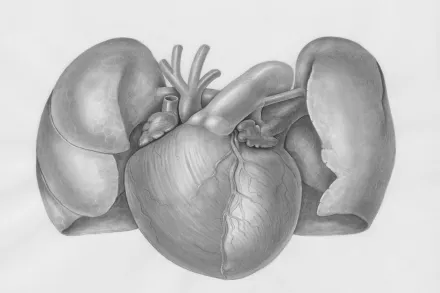
The landscape of cardiac care is undergoing a transformation driven by artificial intelligence, data science, and sophisticated analytics. Early diagnosis of heart disease has always stood as a cornerstone of preventive cardiology, offering the promise of treatments that can modify disease trajectories before irreversible damage occurs. Artificial intelligence, with its ability to distill signals from complex, high dimensional data, is uniquely positioned to enhance the sensitivity and specificity of early detection processes across a range of ...
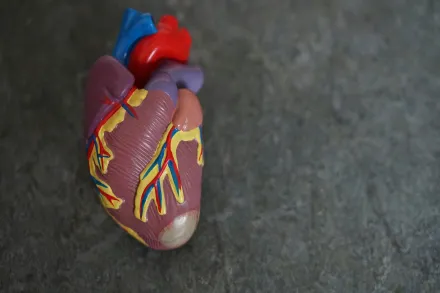
The rapid ascent of artificial intelligence in healthcare has brought with it a renewed focus on how machines can assist clinicians in recognizing life threatening events before they occur. Among the most compelling applications is the use of advanced analytics to predict myocardial infarction, commonly known as a heart attack, in individuals who may initially present with nonspecific symptoms or who do not yet meet traditional risk thresholds. The stakes in this domain are exceptionally high, because timely intervention can mean the difference...

How Mobile Monitoring Supports Hypertension Management
29 December 2025
Hypertension is a chronic condition that affects millions of people worldwide and remains a leading risk factor for heart disease, stroke, kidney failure, and many other health problems. Traditional management has often relied on intermittent clinic visits and occasional blood pressure readings taken in controlled environments. That approach captures only snapshots of a patient’s cardiovascular status and can miss important fluctuations that occur in daily life. The advent of mobile monitoring changes this landscape by turning everyday devices ...

In the weeks and months after a stroke, recovery unfolds as a dynamic and personalized process that blends therapy, daily practice, and careful monitoring. Wearable technology has emerged as a bridge between clinical sessions and everyday life, transforming what patients do at home into actionable data. By capturing movement, sleep, heart rate, energy expenditure, and even subtle changes in posture, wearables offer a lens into real-world function that goes beyond what is possible during clinic visits. This article examines how wearables fit int...
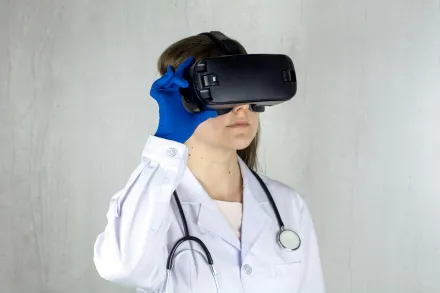
Virtual clinics represent a transformative approach to delivering healthcare through digital means, combining real time communication, asynchronous exchanges, and remote monitoring to extend the reach of professional care beyond the walls of traditional facilities. At their core, virtual clinics rely on secure platforms that enable video visits, secure messaging, remote symptom tracking, and data sharing with clinicians who can review information in a timely manner. In practice, these clinics integrate with electronic health records, scheduling...
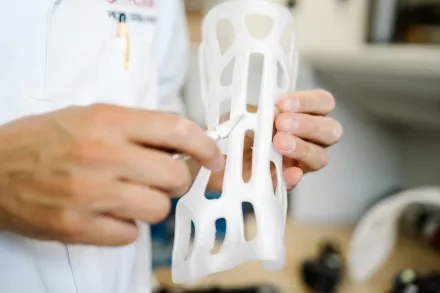
The Role of 3D Printing in Prosthetics and Orthotics
27 December 2025
The emergence of additive manufacturing as a mainstream engineering discipline has reframed the way clinicians, engineers, and patients approach devices that restore mobility and function. In the domains of prosthetics and orthotics, 3D printing has evolved from a niche novelty into a scalable, patient centric modality that blends precision fabrication with adaptive design. Its impact emerges not only in the creation of lighter, better fitting devices, but also in the democratization of access to custom equipment for individuals who previously ...

Smart implants in orthopedics represent a deliberate fusion of mechanical design, biocompatible materials, miniature electronics, and intelligent data pathways that connect the human body with digital insight. At their core, these devices embed sensors, microprocessors, energy systems, and communication protocols within or around conventional orthopedic implants such as joint prostheses, fracture fixation devices, and spinal hardware. The intent is not merely to replace a damaged structure, but to monitor its mechanical environment, track the h...

In recent years, a quiet transformation has unfolded at the intersection of technology and the daily routines of millions. Smart wearables have evolved from novelty devices into intimate companions that observe the rhythms of the body with a level of detail that was once the domain of clinical settings. These devices, worn on the wrist, clipped to clothing, or even worn as rings or patches, weave together sensors, software, and connectivity to create a continuous stream of information about movement, vitality, and environmental exposure. The pr...

In modern intensive care units, the concept of monitoring has evolved from a bundle of static measurements to a dynamic, interconnected ecosystem where smart sensors act as the nervous system of the patient environment. These sensors go beyond simply recording a single vital sign; they continuously collect a range of physiological signals, environmental data, and device statuses, and they feed this stream into analytic engines that correlate variables in real time. This transformation is not merely a matter of technological upgrade, but a funda...