In the weeks and months after a stroke, recovery unfolds as a dynamic and personalized process that blends therapy, daily practice, and careful monitoring. Wearable technology has emerged as a bridge between clinical sessions and everyday life, transforming what patients do at home into actionable data. By capturing movement, sleep, heart rate, energy expenditure, and even subtle changes in posture, wearables offer a lens into real-world function that goes beyond what is possible during clinic visits. This article examines how wearables fit into post-stroke recovery, what they can realistically contribute, and how to navigate their opportunities and limitations to support meaningful, sustainable improvement.
Wearable devices are not a single technology but a family of sensors and software platforms designed to collect information in real time. Some devices are worn on the wrist as smartwatches or armbands, others attach to the chest or limb, and a few are embedded in clothing or familiar everyday items. The key idea behind these devices is to translate physical activity and physiological signals into interpretable metrics. In the context of stroke rehabilitation, these metrics can illuminate gait quality, balance tendencies, arm and hand use, sleep quality, stress, and overall activity levels. When interpreted by clinicians and shared with patients, they help shape personalized rehabilitation plans, track progress toward specific milestones, and provide feedback that can sustain motivation through long recovery journeys.
Across the healthcare landscape, wearables have evolved from novelty devices to practical tools that support a continuum of care. For stroke survivors, this continuum often spans inpatient care, early rehabilitation, community-based therapy, and independent practice at home or in daily routines. The appeal of wearables lies in their potential to complement standard assessments with continuous data streams, reducing the gap between episodic measurements and the ongoing realities of daily life. Yet the success of these tools depends on thoughtful integration with clinical goals, user-friendly design, and robust data interpretation that respects patient privacy and autonomy. In this sense, wearables are not a replacement for human judgment or professional therapy; they are accelerants that extend the reach and precision of rehabilitation programs.
In addition to technical accuracy, patient engagement stands at the heart of wearable-powered recovery. A device that collects data without offering meaningful feedback or clear rehabilitation relevance risks becoming a passive tracker. When wearables deliver immediate, intelligible insights—such as how practice translates into improved movement quality or how sleep quality correlates with daytime function—they become partners in the recovery process. This requires careful attention to personalization, as every stroke survivor has unique impairments, goals, and life contexts. The most effective wearables align with patient values, provide intuitive explanations of what the data means, and connect to practical actions in daily life.
Finally, the integration of wearables into post-stroke care rests on collaboration among patients, caregivers, and clinicians. Data sharing, consent, and governance frameworks determine who can view what information, how it is interpreted, and how privacy is maintained. When this collaboration is well designed, wearables support goal setting, progress monitoring, and timely adjustments to therapy plans. They can also facilitate remote monitoring and tele-rehabilitation experiences, which may reduce barriers to access for individuals living in rural or underserved areas. In short, wearables have the potential to enrich post-stroke recovery by providing real-world context, enabling continuous practice, and fostering a partnership approach to rehabilitation that centers patient empowerment and clinical judgment alike.
Overview of wearables in healthcare and stroke recovery
Wearable technology intersects several core elements of modern healthcare, including continuous monitoring, data-driven decision making, and patient-centered engagement. In stroke care, these elements are particularly valuable because recovery is highly individualized and often extended over many months. Wearables offer objective measurements of movement patterns, which can reveal subtle improvements in motor control that clinical exams might miss between appointments. For example, sensors embedded in a sleeve or glove can quantify finger dexterity and grip strength during tasks that resemble activities of daily living, while accelerometers in a wristband can track the number of steps, walking speed, and cadence during therapeutic ambulation sessions or home practice. Such data enrich the clinician's view of functional change and can help tailor exercises to address specific deficits.
Beyond motor function, wearables can monitor non-movement domains that influence recovery. Heart rate variability, resting heart rate, and sleep duration or efficiency provide insight into autonomic regulation, recovery stress, and overall resilience. These signals can reveal how physical therapy, fatigue, and emotional factors interact to affect daily performance. Sleep, in particular, plays a critical role in memory consolidation and motor learning, both of which are central to neurorehabilitation after stroke. When wearables reliably capture sleep patterns, clinicians can explore associations between nighttime rest and daytime function, and patients can adjust routines to optimize restorative processes that support learning and recovery.
Another dimension is patient engagement and self-management. Wearables can translate complex rehabilitation goals into tangible targets. For instance, a person who has experienced partial arm weakness may set objective daily targets for arm use during routine tasks, with the device providing feedback on movement quality and frequency. This kind of feedback loop supports the practice principle of repetition, timing, and progressive difficulty that is foundational to motor relearning. When patients recognize the connection between practice and improvement, motivation often strengthens, reducing dropout and enhancing adherence to home programs that complement formal therapy sessions.
Clinically, the value of wearables emerges most clearly when they are integrated into a coherent care plan. Data should be aligned with therapeutic goals, standardized across devices when possible, and presented in a form that clinicians can interpret quickly during telehealth or in-person visits. Without effective data integration, wearables risk becoming isolated instruments that generate numbers without clinical meaning. Therefore, successful adoption hinges on collaboration among engineers, clinicians, rehabilitation specialists, patients, and caregivers to define meaningful metrics, establish data ownership and access protocols, and translate measurements into actionable steps within the rehabilitation timeline.
Types of wearable devices used in post-stroke recovery
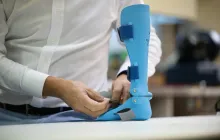
The landscape of wearables used in stroke rehabilitation is diverse, reflecting different therapeutic aims and patient needs. Wrist-worn devices often focus on activity tracking, heart rate monitoring, and sleep analysis, providing a convenient entry point for patients transitioning from acute care to home-based practice. For researchers and clinicians seeking more precise kinetic data, sensor-enabled garments, exoskeletons, and assistive devices that measure joint angles, muscle activation, and grip dynamics play an important role. In addition, smart insoles and balance boards can quantify gait stability and weight distribution, supplying information that informs balance training and fall prevention strategies. Each category has strengths and limitations, and the choice of device should be guided by therapeutic priorities, patient comfort, and data usability.
Arm and hand rehabilitation has benefited from wearable gloves and sleeves that incorporate motion sensors, electromyography, and pressure sensors. These devices can quantify aspects of finger extension, grip strength, and fine motor control during tasks such as object manipulation or simulated daily activities. The resulting data can reveal asymmetries, compensatory strategies, and motor recovery trajectories that may not be evident in a standard clinical test. For patients with upper limb impairment, such devices support targeted practice by providing objective feedback about movement quality, speed, and coordination, thereby helping to optimize therapy dosing and ensure that practice remains challenging yet achievable.
In the world of gait and locomotion, inertial measurement units integrated into ankle cuffs, shoes, or belts provide detailed information about step length, swing phase, and symmetry. Such data are especially valuable during walking training and balance work, where subtle improvements in gait efficiency can translate into greater independence and reduced fatigue. Wearable sensors can also detect compensatory patterns, such as overreliance on the nonparetic limb, enabling clinicians to adjust interventions that promote more balanced, symmetric movement. When combined with visual or auditory feedback, gait-focused wearables can motivate patients to reproduce proper movement patterns with greater consistency.
Accuracy and reliability are critical considerations in choosing wearables for post-stroke care. Some consumer-grade devices deliver robust trend data over time but may lack the precision required for clinical decision making. Others offer research-grade sensors with strict validation but may be less practical for everyday use. A practical approach balances accuracy with wearability and usability, selecting devices that are comfortable for long wear, simple to operate, and compatible with the patient’s daily routines. In many cases, clinicians select a core set of metrics—such as daily active time, peak walking speed, and arm use intensity—that are consistently interpretable across settings and devices, reducing confusion and enabling smoother data integration into care plans.
Data quality is also influenced by wear-time adherence and sensor placement. Ensuring proper device fit, consistent wear periods, and correct sensor positioning is essential for meaningful interpretation. Education for patients and caregivers about how to wear the device, how to charge it, and how to verify data collection can significantly improve reliability. Regular checks during therapy sessions, whether in person or via tele-rehabilitation, help maintain data integrity and build confidence that the reported metrics reflect genuine performance rather than device quirks. Clear guidance on data interpretation, including what constitutes clinically meaningful change, further supports the value of wearables in rehabilitation practice.
Wearables and motor recovery
Motor recovery after stroke hinges on neuroplastic changes that rewire motor pathways to restore voluntary movement. Wearables contribute to this process by providing tangible feedback during practice and by documenting real-world use of the affected limbs. A key concept is dose and quality of practice. Wearables can quantify how much time a patient spends moving the affected limb, the variety of movement patterns employed, and the consistency of effort across days. This information helps clinicians adjust therapy intensity, set incremental goals, and identify plateaus where alternative strategies may be required to stimulate further gains.
Beyond quantity, the quality of movement matters. Wearables equipped with sensors can detect kinematic details such as elbow and wrist angles, finger flexion, or scapular motion, enabling clinicians to assess coordination and range of motion. When feedback highlights decreased synergy between joints or compensatory trunk movements, therapists can introduce targeted interventions designed to restore more natural movement patterns. Real-time feedback during home practice can help patients self-correct, reinforcing desirable motor strategies between clinic visits and enhancing the transfer of skill to daily tasks.
Adaptive therapy is another promising application of wearables in motor recovery. Some systems monitor ongoing performance and dynamically adjust exercise difficulty, ensuring that tasks remain challenging without being discouraging. This adaptability aligns with principles of motor learning, which emphasize repetitive, progressively challenging practice. By tailoring task complexity to the patient’s current abilities, wearables can sustain engagement and promote steady improvement, even when progress appears slow on the surface. The result is a rehabilitation process that feels personalized, responsive, and attuned to the patient’s evolving capabilities.
Wearables also facilitate objective goals related to functional independence. For example, tracking daily arm use in functional contexts demonstrates whether therapeutic gains translate into meaningful activities, such as cooking, dressing, or grooming. When patients observe that increased arm use corresponds with greater independence, motivation to adhere to home programs tends to grow. Clinicians can leverage these data points to set aligned goals that reflect real-life demands, which in turn supports a more integrated recovery trajectory that extends beyond the clinic and into the home environment.
In sum, wearables offer a practical means to quantify, monitor, and enhance motor recovery after stroke. By capturing movement quality, limb use, and adherence to practice, they help clinicians personalize therapy, guide progression, and illuminate how patients translate gains from therapy into everyday function. The goal is not to replace traditional assessment but to augment it with continuous, patient-centered data that enriches decision making and accelerates meaningful recovery.
Wearables for cognitive and communication rehabilitation
Stroke often affects cognitive domains such as attention, memory, executive function, and language. While wearables cannot replace comprehensive neuropsychological assessment, they can contribute complementary data that informs cognitive rehabilitation planning. For example, wearable devices that monitor activity patterns and sleep quality may reveal how fatigue and circadian rhythms influence cognitive performance across the day. By correlating daytime attention tasks with wakefulness metrics, clinicians and patients can identify times of day when cognitive training is most effective and adjust therapy scheduling accordingly.
Emerging wearables also enable indirect monitoring of cognitive load during rehabilitation tasks. Metrics such as heart rate variability, skin conductance, and temporal patterns of movement can indicate stress or mental effort during challenging activities. Recognizing periods of high cognitive load can guide clinicians to pace therapy, reduce cognitive overload, or incorporate rest intervals that protect learning and retention. This approach supports the premise that successful cognitive rehabilitation depends not only on the quality of mental practice but also on managing fatigue and stress to optimize consolidation of new strategies.
In language and communication recovery, the role of wearables is more subtle but still valuable. By tracking conversational frequency, social engagement proxies, or practice time for speech therapy exercises, wearables help quantify the amount and regularity of language practice outside formal therapy sessions. When coupled with patient-reported outcomes, these data can illuminate the relationship between practice volume and communicative gains. While wearables do not diagnose language impairment, they can support a structured, data-informed approach to home-based language drills and social communication activities that reinforce therapy goals.
Technology-driven feedback loops may also support cognitive rehabilitation through gamified tasks that reward sustained attention, memory exercises, or problem-solving activities. Wearables can provide real-time cues or progress indicators to keep patients engaged during at-home cognitive training. The combination of objective activity data and meaningful feedback helps transform cognitive rehabilitation from a passive routine into an active, goal-oriented journey. Over time, this approach can improve adherence to cognitive therapy regimens and foster a sense of mastery that promotes sustained cognitive function after stroke.
Ultimately, wearables in cognitive and communication rehabilitation should be integrated with clinical expertise and patient goals. They are most effective when they complement formal assessments, offer practical feedback that supports strategy development, and respect patient privacy and comfort with data sharing. When used thoughtfully, wearables contribute to a holistic view of recovery that accounts for how fatigue, attention, language practice, and social engagement interact with motor rehabilitation to shape overall functional outcomes.
Real-time feedback, monitoring, and motivation
One of the most compelling benefits of wearables is the ability to deliver real-time feedback. Immediate cues about movement quality, pace, or limb usage can help patients correct errors during practice and reinforce correct motor patterns. Real-time feedback also enhances self-efficacy by making progress tangible. When patients see incremental improvements on a device, they are more likely to persist with challenging exercises, which is essential for long-term recovery. This feedback loop supports the principle of frequent practice with corrective guidance, a cornerstone of effective neurorehabilitation.
Beyond performance feedback, wearables enable continuous monitoring that extends the reach of rehabilitation between clinic visits. Clinicians can review daily or weekly summaries to assess adherence, identify trends, and detect early signs of stagnation or potential complications such as fatigue, stress, or sleep disruption. This ongoing oversight allows timely adjustments to therapy plans, optimizing the balance between challenge and rest. For patients, this monitoring can relieve anxiety about progress by providing objective evidence that effort translates into improvement, even when subjective feelings of challenge remain high.
Motivation is closely tied to goal setting and achievement. Wearables support both by translating long-term rehabilitation aims into concrete, trackable milestones. For instance, a patient may set a target for increasing daily minutes of ambulation, improving arm use during functional tasks, or achieving a specific sleep efficiency score. The ability to monitor progress toward these targets can sustain motivation and foster a sense of control over the recovery journey. It is important, however, to ensure that goals remain realistic, culturally appropriate, and aligned with the patient’s broader life priorities to prevent frustration or discouragement.
Another motivational aspect concerns social support and accountability. Data sharing with family members, caregivers, or rehabilitation teams can enhance accountability and enable collaborative problem solving. When a patient’s support network can observe progress and celebrate small wins, social reinforcement becomes a powerful driver of engagement. Responsible data sharing, clear consent, and straightforward privacy controls are essential to maintaining trust while leveraging these social benefits. In well-designed programs, real-time feedback and monitoring reinforce a positive cycle of practice, learning, and improvement that sustains recovery over the long term.
It is essential to acknowledge that real-time feedback and monitoring must be delivered in a patient-centered manner. Feedback that is overly critical or incongruent with the person’s capability can be counterproductive. User-friendly interfaces, customizable feedback frequency, and supportive language help ensure that wearables augment motivation rather than induce stress. When clinicians tailor feedback strategies to the individual’s preferences and cognitive load, wearables become a compassionate ally in recovery, promoting consistent engagement without overwhelming the patient.
Integration with clinical care and rehabilitation planning
Effective use of wearables in post-stroke care requires deliberate integration with clinical workflows. Data generated by wearables should be accessible to the rehabilitation team in a format that supports interpretation and decision making. This often involves dashboards that summarize key metrics, trends over time, and flagged events such as sudden drops in activity or significant improvements that warrant adjustment of therapy intensity. A clear data pipeline ensures that wearable-derived insights contribute meaningfully to treatment planning and not simply to data collection for its own sake.
Interoperability is a central consideration in integration. When wearables can interface with electronic health records and rehabilitation software, clinicians can embed wearable metrics directly into care plans, progress notes, and outcome assessments. Standardized metrics and reporting formats facilitate comparability across patients and settings, enabling broader program evaluation and continuous quality improvement. Interoperability also supports tele-rehabilitation models, where therapists remotely monitor patient progress and adjust home exercise programs in real time or near real time.
From the patient perspective, clear communication about how wearable data will be used in care decisions helps build trust and engagement. Patients should receive explanations about which metrics are being tracked, what constitutes meaningful improvement, and how the data informs therapy adjustments. Informed consent, transparent privacy policies, and options to opt out of data sharing are essential to maintaining patient autonomy. When patients understand the clinical relevance of the data and feel respected in ownership and control of their information, they are more likely to participate actively in wearable-mediated care.
Clinicians must also consider data validity and device limitations. Not all wearables provide clinically equivalent measurements, and sensor drift or battery issues can affect accuracy. Regular calibration, device checks, and validation against standard clinical assessments help maintain trust in the data. In addition, clinicians should be mindful of the patient’s environment, device comfort, and lifestyle constraints that influence wear-time. Practical workflows, including patient education, device setup guidance, and scheduled data reviews, support sustainable integration of wearables into routine care without creating excessive administrative burden.
Ultimately, the goal of integration is to create a seamless continuum of care where wearable-derived insights inform therapy decisions, track progress over time, and guide personalized rehabilitation plans. When well executed, wearables extend the clinician’s ability to respond to changing needs, empower patients to take an active role in their recovery, and foster a rehabilitative culture that values data-informed collaboration across all members of the care team.
Clinical evidence and practical considerations
The evidence base for wearables in post-stroke recovery is growing, yet it remains important to distinguish between promising capabilities and clinically validated outcomes. Randomized trials and pragmatic studies have begun to demonstrate that wearable-assisted rehabilitation can improve adherence to home exercise programs, increase the intensity of practice, and provide meaningful metrics for tracking progress. However, results are heterogeneous, influenced by device type, study design, patient characteristics, and the specific rehabilitation target. Interpreting wearable data within the context of a comprehensive treatment plan remains essential to translating metrics into real-world functional gains.
Practical considerations include device selection, user training, and ongoing support. Choosing devices with comfortable wearability, long battery life, and straightforward data sharing enhances the likelihood of sustained use. Training should cover not only device operation but also the interpretation of data, the meaning of changes in metrics, and how to translate observations into actionable rehabilitation steps. Regular check-ins help address user concerns, troubleshoot connectivity issues, and refresh goals so that wearables remain a helpful ally rather than a source of frustration.
Safety and privacy are paramount. Clinicians should implement clear guidelines for data access, storage, and consent. Patients should understand who can view their data, how long it is retained, and what happens if a device is lost or compromised. For some patients, particularly those with cognitive or communication challenges, caregiver involvement in data interpretation may be necessary, but this must be balanced with the patient’s autonomy and preferences. Ethical considerations also extend to the possibility of over-reliance on technology, ensuring that wearable data complements clinical judgment rather than replacing it.
From a clinical perspective, setting realistic expectations is crucial. Wearables can provide valuable information about movement patterns, activity levels, and sleep, but they do not diagnose stroke etiology or replace evidence-based therapy protocols. They are best used as components of a comprehensive, multidisciplinary approach that includes physical therapy, occupational therapy, speech-language pathology, neuropsychology, and medical management. When used as part of an integrated program, wearables can enrich assessment, catalyze patient engagement, and help quantify functional gains in daily life, which is the ultimate objective of post-stroke rehabilitation.
In practice, successful implementation often begins with a pilot period during which a patient and clinician explore a specific device or set of metrics aligned with current rehabilitation goals. Feedback from this early experience informs adjustments to device choice, data presentation, and therapy scheduling. Over time, a well-structured wearable program can become an enduring element of care that supports continuous improvement, fosters self-management, and strengthens the partnership between patients and their care teams as recovery progresses.
Accessibility, equity, and user experience
Wearable technology has the potential to democratize recovery by offering scalable monitoring and feedback accessible in diverse settings. However, disparities in access, digital literacy, and affordability can lead to uneven benefits. To maximize equity, programs should consider affordable device options, provide clear instructions in multiple languages, and offer adaptable support that accounts for cognitive or sensory limitations. Design decisions that prioritize simplicity, readability, and intuitive use can reduce barriers and widen the reach of wearable-powered rehabilitation.
User experience is a critical determinant of long-term adherence. Devices that are comfortable to wear for extended periods, unobtrusive in daily life, and easy to charge are more likely to be used consistently. Interfaces should be straightforward, with clear visuals and unambiguous guidance about what the data means and how to act on it. When patients encounter confusing metrics or ambiguous feedback, motivation can wane, which undermines the benefits of ongoing practice. In contrast, a well-designed user experience reinforces confidence, clarifies goals, and encourages ongoing participation in rehabilitation activities.
Equity considerations also include culturally sensitive goal setting and respect for individual contexts. Recovery priorities may differ across communities, and wearable programs should accommodate a range of daily routines, living environments, and support networks. For some patients, caregiver involvement is essential, while others prefer greater independence. Programs that recognize and adapt to these preferences are more likely to deliver meaningful outcomes and sustain engagement over time. Transparent communication about costs, data ownership, and access to care resources further supports equitable implementation and trust in wearable-supported rehabilitation.
In addition to access and design, education plays a pivotal role in empowering patients to use wearables effectively. Educational materials should explain the purpose of data collection, practical tips for device use, and examples of how metrics translate into real-world activities. Ongoing coaching and support—from clinicians, therapists, or trained caregivers—help patients navigate technical challenges, interpret trends, and maintain motivation. When education and support are tailored to individual needs and literacy levels, wearables become an enabling force rather than a barrier to recovery.
Ethical, privacy, and data governance considerations
Data privacy and governance are central to the responsible use of wearables in post-stroke care. Patients must have control over who can access their data, how it is used, and how long it is retained. Transparent consent processes, easy-to-use privacy settings, and clear explanations of potential data sharing with family members or healthcare providers contribute to trust and willingness to engage with wearable technologies. Clinicians and organizations should adopt data practices that comply with applicable regulations, protect sensitive information, and minimize the risk of data breaches or misuse of health data.
Ethical considerations also encompass issues of autonomy, autonomy, and patient empowerment. While wearable data can guide therapy, it should never be used to pressure individuals into more intensive regimens than they can manage or to stigmatize slower progress. Instead, data should inform compassionate, patient-centered conversations about goals, preferences, and feasible adaptations to daily life. Respecting the patient’s values includes acknowledging that recovery trajectories vary, and successful rehabilitation is defined not only by measurable gains but also by quality of life, independence, and satisfaction with daily functioning.
Another ethical dimension involves the potential for over-collection or surveillance concerns. Clinicians should balance the benefits of comprehensive monitoring with respect for privacy and the patient’s right to disconnect. This balance includes setting reasonable expectations about data frequency, avoiding excessive notifications, and ensuring that data collection serves clear clinical or rehabilitative purposes. When governance structures emphasize patient control, transparent data use, and minimal intrusion, wearable technologies can be embraced as supportive tools that enhance care without compromising personal boundaries.
Overall, ethical and privacy considerations require thoughtful policy development, patient-centered communication, and robust security measures. They also demand ongoing evaluation of how wearables impact the patient experience and whether the benefits justify the data practices involved. When these concerns are addressed proactively, wearables can contribute to safer, more respectful, and more effective rehabilitation experiences for stroke survivors.
Future directions and innovations
The coming years are likely to bring deeper integration of wearables with artificial intelligence, personalized rehabilitation programs, and multimodal sensing. Advanced algorithms may fuse data from motion sensors, physiologic monitors, environmental sensors, and patient-reported outcomes to generate holistic assessments of recovery. Such systems could detect subtle patterns that predict waning function or identify the optimal timing for specific therapeutic interventions, enabling proactive adjustments rather than reactive changes after a decline occurs. This anticipatory capability could be transformative for maintaining momentum in recovery and preventing complications related to inactivity or fatigue.
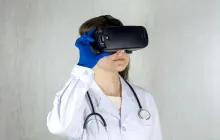
Adaptive and intelligent rehabilitation platforms may tailor interventions to an individual’s neuroplastic potential, learning style, and daily rhythms. For example, AI-driven coaching could suggest the most effective exercise sequences for a given day based on a constellation of sensor data, past performance, and sleep quality. Haptic feedback and immersive technologies might create engaging, motivating environments that encourage precise and varied movement. While these innovations are promising, their success depends on rigorous validation, ethical deployment, and careful consideration of user preferences and accessibility.
Another area of development involves multimodal wearables that combine physical sensing with cognitive and emotional monitoring. By linking movement data with indicators of fatigue, mood, or stress, rehabilitation teams can craft more nuanced interventions that address both physical and psychological aspects of recovery. This integrated approach aligns with the understanding that neuromotor recovery is influenced by cognitive load, emotional state, and social environment. Programs that embrace this complexity stand to offer a more comprehensive pathway to functional independence after stroke.
As wearables become more embedded in standard care, the emphasis shifts toward scalability and sustainability. This includes leveraging cloud-based analytics, interoperable data standards, and remote monitoring capabilities that support long-term follow-up in diverse settings. The democratization of wearable-enabled rehabilitation depends on balancing sophistication with simplicity, ensuring that devices remain accessible to patients with varying levels of technical comfort and resources. Clinicians, engineers, and policymakers will need to collaborate to create frameworks that maximize benefit while protecting patient rights and preserving the essential human-centered nature of stroke recovery.
Ultimately, the trajectory of wearables in post-stroke recovery points toward a future in which data-driven insights empower patients to participate actively in their healing journey, while clinicians gain precise, context-rich information to guide personalized care. This synergy between technology and compassionate clinical practice holds promise for enhancing independence, improving quality of life, and supporting resilient, lifelong health after stroke. By staying focused on patient needs, rigorous validation, and ethical stewardship, the field can realize the full potential of wearables to transform post-stroke rehabilitation into a more responsive, effective, and empowering process.