How Mobile Monitoring Supports Hypertension Management


Rethinking hypertension management in the mobile era
Hypertension is a chronic condition that affects millions of people worldwide and remains a leading risk factor for heart disease, stroke, kidney failure, and many other health problems. Traditional management has often relied on intermittent clinic visits and occasional blood pressure readings taken in controlled environments. That approach captures only snapshots of a patient’s cardiovascular status and can miss important fluctuations that occur in daily life. The advent of mobile monitoring changes this landscape by turning everyday devices into continuous data sources. Through smartphones, wearable sensors, and connected blood pressure cuffs, patients and clinicians gain a shared, near real time view of how blood pressure behaves across different activities, meals, sleep, stress, and medications. This shift from episodic to continuous data opens new possibilities for timely interventions, personalized treatment plans, and proactive care that can reduce the risk of complications associated with uncontrolled hypertension.
The building blocks of mobile monitoring for hypertension care
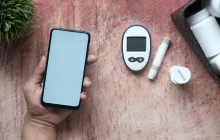
At the core of mobile monitoring are several intertwined elements. First, patient directed devices such as cuff based blood pressure monitors communicate with smartphones via Bluetooth or Wi Fi, securely transmitting readings to apps that visualize trends and store historical data. Second, wearable sensors equipped with photoplethysmography, accelerometry, and sometimes impedance or ECG capabilities provide context about heart rate, rhythm, activity levels, sleep quality, and stress indicators. Third, cloud platforms and software applications aggregate incoming data, apply algorithms to identify patterns, detect outliers, and generate actionable insights for patients and clinicians. Fourth, clinician facing dashboards integrate mobile data into electronic health records and decision support tools, enabling remote monitoring, trend analysis, and tailored recommendations. Together these components create a patient centered ecosystem where ongoing measurement informs ongoing care, rather than relying on sporadic measurements obtained during brief clinic visits.
Data flow, privacy, and governance in mobile hypertension monitoring
The value of mobile monitoring depends on robust data governance that protects privacy while enabling meaningful data use. Readings from home devices flow from the patient’s device to a mobile application, then to secure cloud storage and, where appropriate, into the healthcare system’s electronic health record. Throughout this journey, encryption, access controls, and audit trails help ensure that only authorized individuals can view sensitive health information. Patients typically provide consent for the collection and sharing of data, with ongoing options to modify permissions or revoke access. Clear policies around data retention, data ownership, and the use of de identified information for research or quality improvement projects further shape trust and transparency. Effective governance also addresses the risk of data overload by prioritizing clinically relevant alerts and ensuring that both patients and clinicians are not overwhelmed by excessive notifications.
Interoperability and clinical workflow in the digital hypertension environment
Interoperability is essential to translate mobile monitoring data into meaningful clinical action. Standardized data formats and industry protocols enable information to move across devices, apps, and health systems without manual re entry. When readings arrive in near real time, clinicians can observe trends such as nighttime blood pressure dipping status, morning surges, or responses to medication adjustments. This enables proactive decisions, such as adjusting therapy, scheduling timely follow ups, or reinforcing lifestyle interventions with personalized feedback. Integrating mobile data into workflow also requires thoughtful alerting rules, so that clinicians are alerted to sustained elevations, dangerous patterns, or medication non adherence without being overwhelmed by false positives. The end result is a seamless experience where mobile monitoring augments clinical judgment rather than complicating it with fragmented information.
Benefits for patients undergoing hypertension treatment
For patients, mobile monitoring often translates into a sense of empowerment and a clearer understanding of how daily choices influence blood pressure. Seeing how caffeine intake, salt consumption, physical activity, stress, and sleep relate to readings helps individuals tailor their behavior in practical ways. Timely feedback from apps and virtual coaching can improve adherence to medication regimens by providing reminders, educational content, and motivational messages personalized to each patient’s goals. In many cases, patients experience reduced anxiety about blood pressure as they gain more control and clarity about their condition. The ability to share data with family members or caregivers also enhances support networks, which can be particularly valuable for people managing hypertension alongside other chronic illnesses.
Benefits for clinicians and care teams
Clinicians benefit from a richer data set that extends beyond the single moment of a clinic visit. Continuous or frequent home measurements enable more accurate risk stratification, better detection of resistant hypertension, and earlier identification of issues such as medication non adherence or therapeutic inertia. Remote monitoring supports proactive care plans that can reduce unnecessary in person visits, optimize resource use, and maintain continuity of care for patients who live far from health facilities or who face barriers to frequent clinic attendance. In chronic disease management programs, mobile monitoring can help care teams coordinate with pharmacists, nutritionists, and behavioral health specialists to deliver integrated care that addresses the full spectrum of factors influencing blood pressure control. This collaborative approach often yields improvements in blood pressure control rates and patient satisfaction alike.
Evidence and real world experience
Across diverse healthcare settings, studies have begun to show that mobile monitoring can contribute to meaningful improvements in hypertension outcomes. Randomized trials and observational studies have reported higher rates of blood pressure control, reduced variability, and more timely medication adjustments when mobile data are incorporated into care pathways. Real world experiences highlight the importance of keeping measurement protocols simple, ensuring device accuracy, and providing patient education that emphasizes consistent usage. While results can vary based on population characteristics, device quality, and the design of the monitoring program, the overall trajectory suggests that well implemented mobile monitoring offers added value beyond standard care by enabling sustained engagement and more precise management decisions.
Challenges and considerations in adopting mobile monitoring for hypertension
Despite its promise, mobile monitoring introduces challenges that must be addressed thoughtfully. Device accuracy and proper cuff sizing are crucial to ensure readings are reliable. Variability in patient technique during home measurements can affect data quality, so user friendly instructions and patient training become essential. Data governance, privacy concerns, and the risk of data breaches require strong security practices and clear consent models. There is also the issue of data overload, where clinicians may be overwhelmed by streams of information if alerts are not well calibrated. The digital divide can limit access for older adults, people with limited technological literacy, or those in resource constrained environments. Finally, the sustainability of such programs depends on reliable devices, battery life, and consistent platform performance in real world conditions.
Implementation strategies for health systems and clinics
Successful implementation starts with stakeholder alignment, clear goals, and a patient centered design. Health systems should select devices and platforms that demonstrate accuracy, interoperability, ease of use, and robust data security. Pilot programs help identify workflow gaps, refine alert thresholds, and define roles for clinicians, nurses, and care coordinators. Integrating mobile data into the electronic health record should be done with care to avoid duplication and ensure that measurements are properly timestamped and contextualized. Training for clinicians and support staff is essential, as is patient onboarding that emphasizes practical setup steps and ongoing engagement strategies. Reimbursement models and incentives should support remote monitoring activities, including corresponding billing codes and performance metrics that reflect real world outcomes.
Equity and access considerations in mobile hypertension monitoring
A key ethical priority is ensuring equitable access to mobile monitoring technology. Socioeconomic factors, language barriers, and limited digital literacy can widen disparities if not addressed. Solutions include providing affordable devices or loan programs, offering multilingual and culturally sensitive education materials, and designing intuitive interfaces with clear visual cues. Programs should consider accessibility features for people with vision or dexterity challenges, and they should be adaptable to rural or underserved communities where connectivity may be limited. By prioritizing inclusive design and targeted outreach, healthcare systems can extend the benefits of mobile monitoring to patient populations that have historically faced barriers to hypertension management.
Future directions and innovations in mobile hypertension management
Looking ahead, advances in artificial intelligence, machine learning, and multimodal sensing are poised to deepen the impact of mobile monitoring. Predictive models could forecast blood pressure trends days in advance, enabling pre emptive adjustments to therapy and lifestyle recommendations. Multisensor data streams, including sleep quality, activity patterns, hydration status, and dietary intake, can be fused to create a holistic view of factors driving hypertension. Wearable technologies may evolve to provide continuous cuffless blood pressure estimates with validated accuracy, reducing the burden of frequent cuff based readings. Enhanced privacy preserving techniques, such as on device analytics and secure federated learning, may allow researchers and clinicians to extract insights from large data sets without compromising patient privacy. Together these innovations hold promise for more personalized care pathways, better long term control, and improved quality of life for people living with hypertension.
Practical guidance for patients and providers on starting a mobile monitoring program
For patients, the path begins with selecting a user friendly device ecosystem and installing a trusted app that feels approachable. It is important to establish a routine for taking measurements, be consistent about the times of day, and learn how to interpret trends rather than focusing on single readings. Patients should understand how data will be used by clinicians and what actions to expect when readings deviate from target ranges. Providers can support success by offering clear instructions, setting realistic goals, and providing feedback that reinforces positive changes. A successful program emphasizes education, ongoing communication, and a collaborative approach where patients feel supported and empowered to participate actively in their own care.
Regulatory and policy considerations shaping mobile hypertension monitoring
Regulatory frameworks are evolving to accommodate the rapid growth of mobile health technologies. Standards for device validation, data security, and software as a medical device influence which products are permissible for clinical use. Policymakers are increasingly focused on ensuring patient privacy, fair access, and reimbursement models that reflect the value of remote monitoring in improving outcomes and reducing hospitalizations. Health authorities promote interoperability through shared data standards, enabling more seamless data exchange across different platforms and institutions. Ongoing policy development will influence how clinics, payers, and patients adopt mobile monitoring solutions and how these solutions are integrated into broader strategies for chronic disease management.
Closing reflections on the enduring impact of mobile monitoring for hypertension management
As technology continues to evolve, mobile monitoring stands as a transformative tool in hypertension management that aligns clinical objectives with patient everyday life. The ability to capture context-rich blood pressure data, deliver timely feedback, and coordinate care across disciplines creates opportunities to lower blood pressure more consistently, reduce cardiovascular risk, and improve overall well being. The ongoing challenge lies in balancing innovation with practicality: selecting reliable devices, safeguarding privacy, ensuring equitable access, and embedding mobile data into clinical workflows in a way that strengthens the patient clinician partnership. When thoughtfully designed and implemented, mobile monitoring can become a sustainable cornerstone of hypertension care, enabling proactive, personalized, and collaborative management that benefits individuals and health systems alike.