The Role of 3D Printing in Prosthetics and Orthotics


The emergence of additive manufacturing as a mainstream engineering discipline has reframed the way clinicians, engineers, and patients approach devices that restore mobility and function. In the domains of prosthetics and orthotics, 3D printing has evolved from a niche novelty into a scalable, patient centric modality that blends precision fabrication with adaptive design. Its impact emerges not only in the creation of lighter, better fitting devices, but also in the democratization of access to custom equipment for individuals who previously faced long waiting times, restricted choices, or impersonal solutions. The story of this technology in the medical field is marked by collaboration among radiologists, therapists, designers, and manufacturers, all of whom recognize that subtle nuances in fit and alignment can transform daily life for people with limb differences or musculoskeletal conditions. The role of 3D printing extends beyond mere replication of shapes; it enables a richer dialogue about anatomy, function, aesthetics, and holistic well-being that resonates with patients and care teams alike.
Historical context and technological evolution
To appreciate the trajectory of 3D printing in prosthetics and orthotics one must trace its roots through a sequence of technological milestones. Early attempts at rapid prototyping in medicine aimed to streamline the transition from concept to tangible models, primarily for demonstration and planning. As imaging technologies such as CT and MRI grew more sophisticated and accessible, clinicians gained the ability to capture highly accurate representations of individual anatomy. The convergence of digital modeling tools with additive manufacturing unlocked a pathway from a patient’s scanned geometry to a functional device that could be produced at scale without sacrificing personalization. Over time, printers evolved from desktop hobby-grade machines to industrial systems capable of handling biocompatible materials and complex geometries, and the adoption of standardized workflows helped integrate 3D printed components into routine clinical practice. The historical arc thus moves from generic fixtures toward intimate, patient specific solutions that align with the contours of the body and the tasks that matter most to daily living.
As this evolution unfolded, the field also witnessed a broadening of materials, software ecosystems, and regulatory understanding. Early prosthetic socket prototypes often used rigid plastics that offered predictability but limited comfort, prompting engineers to explore lattice structures, compliant interfaces, and adjustable supports. Orthotic devices, too, benefited from the capability to tailor braces, insoles, and immobilization solutions to the unique pressure distributions and movement patterns of individual patients. The evolution was not merely technical; it reflected a shift toward patient empowerment, where individuals could participate in the design process and collaborate with clinicians to refine devices in ways that were previously impractical or prohibitively expensive. The historical context reveals a field in which innovation is guided by a compassionate aim: to restore function while preserving dignity and comfort for users across ages and conditions.
Foundations of 3D printing in medical devices
The foundations of applying 3D printing to prosthetics and orthotics rest on a triad of technology, workflow, and safety. At the core are additive manufacturing processes that build objects layer by layer, enabling geometric complexity that classical manufacturing often cannot achieve. Techniques such as fused deposition modeling, selective laser sintering, stereolithography, and multi jet fusion each bring distinct advantages in terms of speed, material properties, and surface finish. The selection of a process depends on the intended use, required mechanical performance, and the environment in which the device will operate. In parallel, digital capture technologies like optical scanning and low-dose imaging provide accurate baselines of anatomy that feed directly into computer aided design, allowing for rapid iteration and precise tailoring of fits. The safety dimension encompasses sterility, biocompatibility of materials, compatibility with cleaning protocols, and adherence to medical device quality standards, all of which ensure that 3D printed components behave reliably under real-world conditions and within clinical care pathways.
Critical to the foundations is the recognition that design for manufacturing must be harmonized with patient outcomes. This means that engineers and clinicians collaborate to embed functional requirements such as weight reduction, load distribution, socket comfort, and articulation into the digital model. It also means anticipating post-processing steps, such as surface finishing, coating, or assembly with conventional components, to guarantee that the final device performs as intended when worn for extended periods. The resulting ecosystem comprises software for digital modeling, hardware for fabrication, and a quality oriented mindset that places patient safety and comfort at the forefront. In practice this combination enables the production of devices that not only fit well but also adapt as the patient’s needs evolve over time.
From idea to device: the design workflow
The journey from a clinical idea to a finished 3D printed prosthetic or orthotic device encompasses several tightly coordinated stages. It begins with a patient consultation that identifies functional goals, constraints, and comfort preferences. This is followed by precise digital capture of the relevant anatomy, which may include residual limb geometry, limb length, or spinal alignment depending on the device type. The next phase involves CAD modeling and simulation, where engineers translate captured data into a functional design that distributes forces appropriately, accommodates muscle dynamics, and adheres to ergonomic principles. Once a digital prototype emerges, a series of validation steps ensures that the model will perform as intended when printed, taking into account material behavior, wall thickness, and potential manufacturing variances. The fabrication step follows, after which the part undergoes post-processing to remove supports, refine surfaces, and apply surface treatments or coatings that enhance durability and hygiene. Finally, the device is fitted to the patient, adjustments are made for alignment and comfort, and validation is completed through functional testing and clinical feedback. The entire workflow is iterative, enabling rapid revisions without sacrificing safety or clinical relevance, a feature that markedly reduces cycles of trial and error compared with traditional processes.
In clinical settings the workflow is often embedded within a broader care pathway that includes therapists, prosthetists, and orthotists who bring experiential knowledge about dynamic movement and real-world usage. This collaborative ethos ensures that the digital design remains grounded in practical needs: the patient’s daily routines, accessibility considerations, and long-term wearability. The design workflow also integrates regulatory expectations and documentation practices so that each device can be traced, validated, and audited as part of standard medical care. As teams refine workflows, they increasingly leverage patient feedback to fine tune fit, comfort, and function, reinforcing the principle that successful 3D printed devices emerge from thoughtful design, precise execution, and continuous learning from clinical experience.
Impact on patient personalization
One of the most compelling advantages of 3D printing in prosthetics and orthotics is the enhanced capacity for patient personalization. Traditional devices are often shaped by standard molds and generic fit paradigms that may not fully align with an individual’s anatomy or movement patterns. With digital scanning and modeling, clinicians can design sockets, braces, or supports that honor the exact contours of a patient’s residual limb, spinal curvature, or joint alignment. This personalization translates into improved comfort, reduced skin irritation, and a more natural alignment that supports efficient movement. By adjusting internal lattice structures, wall thickness, and reinforcement locations, engineers can tailor mechanical properties to the patient’s activity level, weight, and gait. The result is a device that feels like an extension of the body rather than an external appendage, a distinction that often correlates with higher levels of daily usage and satisfaction.
Beyond fit, personalization extends to aesthetics and modularity. Patients may choose color palettes, surface textures, and removable cosmetic covers that reflect personal identity and confidence. Orthotics can be customized to accommodate footwear, sports equipment, or work environments, enabling a seamless integration into daily routines. In pediatric care, customization acquires additional significance because growth plates and rapid development demand adjustable solutions that can adapt to changing dimensions without requiring complete replacement. 3D printing makes it feasible to produce successive iterations at a fraction of the cost and time of traditional methods, allowing families to participate actively in the design process and observe tangible improvements over successive visits. In this sense, personalization is not merely a matter of appearance; it is a clinical strategy that optimizes comfort, function, and adherence to treatment plans in meaningful, measurable ways.
Materials and biocompatibility considerations
Material science lies at the heart of the reliability and safety of 3D printed prosthetics and orthotics. A wide spectrum of polymers and composite materials is available, each with distinct mechanical properties, aging behavior, and biological interactions. For structural components such as sockets or braces, materials like medical grade polyether ether ketone and specialized nylon blends offer strength, resilience, and resistance to repeated loading. In other contexts, rigid or semi-rigid polymers such as certain grades of polylactic acid or acrylate resins provide surface precision and ease of finishing, while still requiring careful assessment of long-term exposure and cleaning protocols. The choice of material is influenced by the intended use, environmental exposure, sterilization requirements, and compatibility with skin contact. Biocompatibility testing, regulatory guidelines, and institutional review processes often guide the selection to ensure that materials do not provoke adverse reactions or cause irritation when worn for extended periods.
In orthotics, surface finishes, coatings, and seam management contribute to hygiene and durability, particularly for devices that contact skin or operate in moist or sweaty conditions. The material behavior under cyclic loading is a crucial consideration; fatigue resistance, creep, and resistance to UV exposure can determine how a device will perform after months of use. The sterilization pathway also matters; some polymers tolerate steam, while others require chemical or low-temperature processes, each with implications for dimensional stability and surface integrity. As the field advances, researchers explore bioinspired or multi-material printing approaches that combine a soft, compliant interface with a stiffer structural backbone, aligning comfort with mechanical performance. The ongoing dialogue about materials thus balances practical clinical needs with evolving regulatory expectations and continuous improvements in biocompatibility science.
Clinical outcomes and functional gains
Evidence about clinical outcomes in the realm of 3D printed prosthetics and orthotics points to several recurring benefits that resonate with patients, clinicians, and care systems. First, improved fit and distribution of pressure translate into reduced skin breakdown, fewer irritation points, and greater duration of wear per day. This correlates with higher usage levels, which in turn influence functional outcomes such as the ability to walk longer distances, perform tasks with more stability, or participate in occupational activities with less fatigue. Second, the ergonomic advantages of patient specific interface designs can enhance control in myoelectric devices, enabling more intuitive and responsive use for prosthesis users. For orthotics, better alignment and distribution can reduce compensatory movements that contribute to secondary musculoskeletal issues in the hips, back, or knees. Third, the cosmetic dimension often plays a meaningful role in acceptance and self-esteem, particularly for younger patients or individuals whose professional life involves visible devices. While research continues to build a robust evidence base, the existing clinical experience highlights the transformative potential of 3D printing to improve comfort, function, and quality of life across diverse populations.
In addition to individual functional gains, 3D printed devices have facilitated earlier rehabilitation, enabling patients to begin fitting and training with a device soon after assessment. Timely access supports more consistent therapy regimens and can reduce total treatment duration, which is meaningful for both patients and healthcare systems. Clinicians also report that the iterative design cycle available through rapid prototyping enables rapid testing of adjustments in real-world settings, leading to more precise tuning and faster convergence on optimal solutions. This dynamic relationship between feedback, adjustment, and validation strengthens the therapeutic alliance among patients, prosthetists, therapists, and engineers, and it helps ensure that devices are better aligned with the real tasks users perform in daily life rather than with theoretical performance alone.
Cost, accessibility, and supply chain resilience
One of the most compelling practical arguments for 3D printing in prosthetics and orthotics is its potential to lower barriers to access. Traditional fabrication often requires specialized tools, custom molds, and lengthy lead times that can delay a patient’s progress. In contrast, a well designed 3D printing workflow can reduce turnaround times, enable local or regional fabrication hubs, and allow for on-demand production of spare parts, replacements, or updates. This flexibility is especially valuable in rural or underserved communities where access to conventional suppliers may be limited. By shifting some manufacturing responsibilities closer to the point of care, clinics can lower inventory costs, minimize shipping delays, and empower patients to receive timely fittings. While initial equipment investments and training represent upfront costs, the long-term operational savings and improved patient outcomes contribute to a compelling business case for adopting additive manufacturing in prosthetics and orthotics.
Cost dynamics for 3D printed devices are further influenced by the ability to reuse digital designs, share them across institutions, and adapt a single model for multiple patients through parameterized adjustments. This versatility supports more sustainable manufacturing practices by decreasing waste and enabling scalable customization. In addition, the rise of open design communities and collaborative platforms accelerates knowledge exchange, helping clinicians and engineers learn from a broader cohort of cases and iterate more efficiently. As regulatory frameworks evolve to accommodate digital workflows, the emphasis remains on maintaining rigorous quality systems and traceability to ensure that cost savings do not come at the expense of safety or reliability. The overall economic narrative of 3D printing in this field is therefore one of balancing affordability with robust clinical performance and steady access to updated, patient centered solutions.
Regulatory landscape and risk management
The regulatory environment for 3D printed medical devices reflects the broader challenge of integrating digital manufacturing with conventional clinical oversight. Regulators emphasize the importance of quality management systems, material traceability, process validation, and robust documentation to demonstrate that devices meet specified safety and effectiveness standards. For prosthetics and orthotics, this means that while many devices are designed for personal use or clinic based production, they must still comply with applicable regulatory pathways when they are intended for broader distribution or when patient safety requires formal oversight. Institutions often navigate a spectrum of requirements, from device classification to sterilization validation and post market surveillance, all of which shape how digital design files, printing parameters, and post-processing methods are stored and audited. Transparency in design intent, material choices, and testing results becomes a cornerstone of trust between clinicians, patients, and regulatory bodies.
Effective risk management in the 3D printing workflow involves anticipating and mitigating potential issues such as print defects, material degradation, or misalignment between the digital model and the physical device. Visual inspection, dimensional metrology, and functional testing are often incorporated into production protocols to detect discrepancies early. Clear labeling, a well documented bill of materials, and a robust change control process help ensure that device modifications do not bypass safety considerations. As the field matures, regulatory agencies continue to refine guidelines that accommodate digital files, cloud based collaboration, and on demand manufacturing, while preserving the imperative to protect patient safety and preserve clinical accountability. Careful adherence to these frameworks underpins the sustainable growth of 3D printing in prosthetics and orthotics and helps foster confidence among clinicians and patients alike.
Ethical and social implications
Ethical considerations in the expansion of 3D printing for prosthetics and orthotics revolve around equity, privacy, and the social meaning of device choice. Access to high quality 3D printed devices should not be limited by geographic location, socioeconomic status, or the availability of specialized clinics. The democratization of fabrication opens possibilities for community based makerspaces, regional collaborations, and patient centered design studios, but it also raises concerns about quality assurance, liability, and informed consent when patients participate directly in design decisions. Privacy concerns arise when digital scans and personal anatomical data are stored, shared, or processed across networks, underscoring the need for rigorous data protection practices and clear patient guidance about how information will be used. As devices become more personalized, questions about body image, identity, and autonomy enter the clinical conversation, reminding caregivers that technology serves people, not merely systems or processes.
In pediatric care and in contexts of disability, the ethical imperative extends to ensuring that innovations do not exacerbate disparities or create new kinds of dependence on proprietary ecosystems. Open source or freemium software, community driven design libraries, and transparent material testing can contribute to more equitable access, while also inviting careful scrutiny of safety and reliability. The social value of 3D printing in prosthetics and orthotics is measured not only by technical performance but also by how well devices integrate into a patient’s life, supporting independence, participation, and dignity. The ongoing dialogue among clinicians, researchers, patients, families, and policymakers is essential to align technological possibilities with values that prioritize human flourishing and inclusive care.
Case studies and real-world implementations
Across diverse clinical settings, case studies illustrate how 3D printing translates from concept to tangible improvements in daily living. In one scenario, a patient with a residual limb experienced persistent skin irritation from a conventional socket; a redesigned, patient specific socket with an internal lattice structure was printed and fitted, delivering a noticeably improved fit, reduced sweating, and greater endurance during daily tasks. In another instance, a pediatric patient required a growth adaptable orthosis; the digital model supported an adjustable mechanism that could be updated with minimal replacement, saving time and reducing psychological distress associated with frequent device changes. A third example involved an active individual seeking a lighter, more aerodynamic prosthesis; the use of optimized internal channels and streamlined external geometry reduced weight without compromising strength, resulting in increased energy efficiency during ambulation and recreational activity. These narratives demonstrate how 3D printing can address concrete clinical challenges while preserving or enhancing the patient’s sense of agency and empowerment.
Beyond individual success stories, aggregated experiences reveal patterns in which rapid prototyping accelerates problem solving, interdisciplinary collaboration deepens understanding of functional demands, and patient feedback loops drive iterative refinement. In some institutions, the adoption of digital workflows has also fostered stronger partnerships with suppliers and universities, enabling access to advanced materials, simulation tools, and expertise that might be unavailable within traditional procurement channels. In each case, the common thread is the translation of detailed anatomical data into devices that respond to real life use, balancing technical constraint with the nuanced needs of everyday activity. The patient, rather than the device, becomes the center of the design narrative, guiding decisions about fit, comfort, and durability in a way that is highly responsive to lived experience.
Future directions and emerging technologies
The horizon for 3D printing in prosthetics and orthotics is shaped by advances in materials science, computational design, and integration with digital health ecosystems. Multimaterial printing holds the promise of devices that combine soft interfaces with stiff, load bearing components in a single build, mitigating interface irritation while preserving structural integrity. The development of bio compatible, recyclable, or bio derived polymers aligns with sustainability goals and long term health considerations. In terms of design, generative and parametric modeling, powered by machine learning, can translate clinical constraints into optimized geometries that adapt to changing activity levels, growth, or injury progression. On the regulatory front, continuous collaboration among clinicians, engineers, researchers, and regulators aims to streamline validation, facilitate data sharing, and establish best practices for monitoring device performance over time. The ultimate vision is a world where 3D printed prosthetics and orthotics are ubiquitous, affordable, and capable of continuously evolving to meet the evolving needs of patients and society.
As innovations unfold, the role of education and professional development becomes increasingly important. Clinicians and technicians must acquire skills in digital scanning, CAD design, print parameter selection, and post-processing, while staying attuned to safety, hygiene, and regulatory expectations. Interdisciplinary networks will likely expand, connecting material scientists, biomechanical engineers, occupational therapists, and patient advocates around shared goals of improved fit, comfort, and function. The broader ecosystem — from hospital labs to community clinics to repair shops — will benefit from standardized workflows, reliable supply chains, and transparent pricing that reflects value across the patient journey. The future of 3D printing in prosthetics and orthotics thus rests on a synergy of technical excellence, compassionate design, and thoughtful system level integration that places human outcomes at the core of every decision.
Intersections with orthotics practice and daily life applications
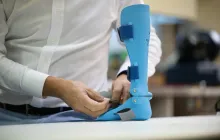
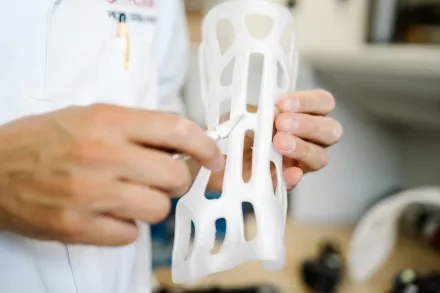
In orthotics, the reach of additive manufacturing extends to foot orthoses, ankle braces, knee supports, and spinal stabilization devices, each benefiting from precise customization to conform to anatomical contours and functional demands. For daily living, patients experience reduced discomfort during prolonged standing or walking, improved gait symmetry, and better maintenance of proper posture due to devices that align with natural biomechanics. Sports medicine applications are expanding as well, with lightweight, aerodynamic braces enabling longer training sessions and more confidence during performance. Pediatric care introduces a dynamic context where rapid growth requires adjustable, upgradable devices, a goal that 3D printing can meet by enabling modular designs and scalable interfaces. The cumulative effect is a repertoire of orthotic solutions that are not only functionally effective but also psychologically affirming, supporting participation in education, work, and recreation with fewer barriers caused by discomfort or misfit.
Across both prosthetics and orthotics, the cross pollination of ideas from engineering, clinical science, and user experience deepens the clinical toolkit. For clinicians, the ability to discuss precise design choices with patients using tangible, customized models enhances shared decision making and helps manage expectations. For engineers, real world feedback informs more resilient materials, better interfaces, and smarter designs that account for wear, sweat, and environmental exposure. For patients, the payoff is a sense of agency: devices that feel crafted for them, respond to their bodies, and adapt as their needs shift. The practical outcome is a more humane technology, where the line between medical device and personal empowerment becomes increasingly blurred in favor of improved independence and restored dignity.
Education, training, and collaboration across disciplines
Effective adoption of 3D printing in prosthetics and orthotics hinges on education and cross disciplinary collaboration that bridges clinical practice with engineering rigor. Training programs for clinicians extend beyond traditional fitting techniques to include digital scanning, CAD manipulation, and an understanding of printing processes and material properties. Technicians gain hands on experience with printer calibration, post processing, and quality control, while engineers learn to translate clinical feedback into manufacturable designs that meet safety and performance criteria. This collaborative culture encourages ongoing research partnerships, allows for rapid translation of laboratory innovations into patient care, and helps sustain a workforce capable of supporting advanced manufacturing technologies. In turn, patients benefit from more consistent care, clearer communication about device options, and a clinical ecosystem that remains adaptable as new materials and methods emerge.
The education ecosystem also extends to patients and families, who increasingly participate in the design decision process as part of collaborative care. Transparent discussions about design choices, expected benefits, maintenance needs, and realistic timelines empower patients to engage actively in their own rehabilitation journeys. Open dialogue about the limitations and capabilities of 3D printed devices fosters trust and sets appropriate expectations, while also inviting the patient community to contribute to design improvements through feedback and case sharing. As this educational and collaborative network matures, it strengthens the overall quality and resilience of the care pathway, ensuring that innovation serves human goals rather than becoming an isolated technical achievement.
Integrated care and the path forward
Integrated care models that incorporate 3D printing respond to a fundamental insight: the best outcomes arise when technological capability aligns with patient centered care, clinical expertise, and robust operational systems. The path forward involves expanding access to digital scanning and printing capabilities in more communities, supporting parallel development of software tools that streamline the design process while preserving safety and personalization. It also includes building durable partnerships among healthcare institutions, manufacturers, universities, and patient advocacy groups to cultivate shared standards, open repositories of safe design templates, and continuous performance data. In practice, this means embedding 3D printing into routine care workflows, ensuring that devices can be adapted over time as people’s bodies change, and maintaining a focus on long term sustainability and ethical considerations. The end result is a healthcare landscape where advanced fabrication complements compassionate clinical care, enabling more people to experience the functional and psychosocial benefits that well designed prosthetics and orthotics can provide.