Uneven skin tone is a common concern that can affect how the face looks and how confident a person feels. The term covers a range of visual differences, including dark spots, freckles, redness, dullness, and patches of lighter or darker color. These variations are often the result of a combination of sun exposure, inflammation, hormonal changes, genetics, aging, and environmental factors. A thoughtful skincare approach aims to illuminate the skin's natural radiance while addressing the specific areas where melanin or vascular factors influence ...
Beauty & Cosmetology


Transforming a routine cleansing into a mindful, soothing ritual starts with a quiet space and a gentle mindset. Create an area free from distractions where soft light and a comfortable temperature invite relaxation, and consider playing a faint, soothing soundtrack or ambient sounds to center attention on the process. The atmosphere matters as much as the ingredients because a relaxed skin surface tends to respond more evenly to care, absorbency increases, and tension melts away with every careful motion. When safety and cleanliness are priori...
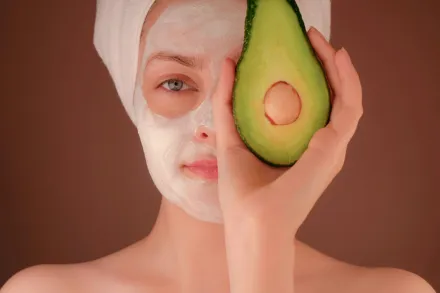
The skin is more than a cosmetic veil; it is a dynamic organ that reflects internal health and external exposure. Nutrition acts as the silent architect of skin, supplying the raw materials for its structure, fueling cellular processes, and shaping the balance between inflammation and repair. Our daily eating patterns influence skin turnover, barrier function, resilience to environmental stress, and even the color and texture that others notice. While genetics set the stage, nutrition determines how brightly skin can glow, how well it heals aft...

When the scalp shows signs of distress such as persistent itchiness, flakiness, sensitivity, or a dull, irritated feel, it often signals an underlying imbalance that affects the entire hair system. A damaged scalp is rarely the result of a single factor; rather, it emerges from a combination of environmental stressors, existing skin conditions, improper hair care routines, and sometimes dietary patterns that influence the skin’s barrier function. The scalp’s health is foundational to healthy hair, because the skin beneath the hair is what ancho...
Oil production on the skin, a natural and essential process, varies from person to person and is influenced by genetics, hormones, and environmental conditions. The shiny look that often accompanies oily skin is primarily caused by sebum, a complex mixture produced by sebaceous glands located beneath the surface of the skin. Sebum serves important roles: it forms a protective film, helps maintain skin elasticity, and assists in keeping the outermost layer of the epidermis flexible. However, when sebaceous glands produce excess oil, the surface ...

Sun exposure is a daily reality for most people, and while a certain amount of sunlight helps the body synthesize vitamin D, prolonged or intense exposure can damage the skin in lasting ways. The visible signs of sun damage include fine lines, wrinkles, uneven pigmentation such as sunspots, and a rough or leathery texture. Over time, the sun’s ultraviolet rays can break down collagen and elastin fibers, leading to sagging and a loss of resilience. Inside the skin, repeated UV exposure can trigger inflammatory processes and DNA changes that incr...

The dewy skin aesthetic is defined by a soft, luminous radiance that catches light in a way that mimics the natural sheen of healthy skin. It is not a flat shine or an overly glossy finish, but a glow that appears to emanate from within and is enhanced by careful preparation. Achieving this look begins long before makeup touches the face, with a routine that emphasizes hydration, balanced oil production, and a healthy surface texture. When you aim for dewiness, you become attentive to the way your skin drinks in moisture, how pores reflect ligh...
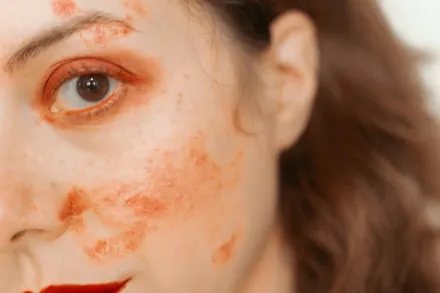
Removing makeup is not merely a preparatory step for skincare; it is a fundamental act of care that preserves the health and resilience of the skin. The process involves more than simply taking cosmetics off the face. It requires an understanding of the delicate balance of moisture, oils, and barrier function that protects the outermost layer of the skin. When makeup is removed with harsh rubbing, abrasive cleansers, or products that strip away essential lipids, the skin barrier can become compromised. A compromised barrier may lose its ability...
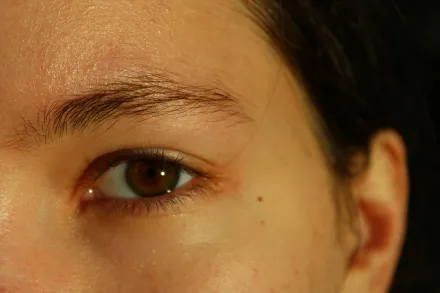
Retinol is a small but powerful molecule derived from vitamin A that has a long history in skincare. When applied to the surface of the skin, retinol does not act as retinoic acid directly; instead it is converted in the skin to active compounds that influence cellular behavior. This conversion helps accelerate cell turnover, meaning older, dull cells are shed more rapidly and newer, healthier cells rise to the surface. In parallel, retinol stimulates the synthesis of collagen and supports the remodeling of the extracellular matrix, which can c...

Heat-damaged hair is a common challenge for anyone who regularly uses styling tools, colors, or chemical treatments. The texture that once felt smooth and resilient can become porous, frizzy, and prone to breakage, even if you have careful routines. The damage is not just a matter of appearance; it reflects microscopic changes in the hair fiber, where the protective outer layer known as the cuticle becomes uneven and the inner cortex might lose moisture and structural integrity. The path to repair involves understanding what has changed, rebuil...