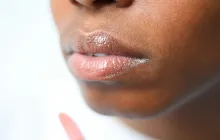
Uneven skin tone is a common concern that can affect how the face looks and how confident a person feels. The term covers a range of visual differences, including dark spots, freckles, redness, dullness, and patches of lighter or darker color. These variations are often the result of a combination of sun exposure, inflammation, hormonal changes, genetics, aging, and environmental factors. A thoughtful skincare approach aims to illuminate the skin's natural radiance while addressing the specific areas where melanin or vascular factors influence color. It is important to recognize that even in healthy skin, some fluctuations in tone occur naturally as part of the skin's life cycle, and progress happens gradually over weeks and months rather than overnight. By embracing a consistent routine that protects, renews, and calms, many people experience a smoother, more even complexion that looks healthier and more balanced without compromising the skin's barrier. In this guide the focus is on practical, science based strategies that can be adapted to different skin types and lifestyles, with an emphasis on safety, gentle methods, and sustainable results.
Understanding Uneven Skin Tone
Uneven skin tone arises when there is an irregular distribution of pigment or blood flow across the surface of the skin. The color differences may be caused by excess melanin in certain areas, inflammatory changes that leave behind residual pigment, or visible blood vessels that contribute to redness. Some unevenness is due to sun exposure that has accumulated over time, creating dark spots known as age spots or sunspots, while hormonal influences can trigger conditions such as melasma. In addition to pigment, texture and light reflection play a role in how even the skin appears; dullness can exaggerate visual irregularities and make previously subtle changes look more pronounced. The skin's barrier function, hydration status, and sensitivity also shape how uneven tone presents itself. An informed approach to treatment starts with recognizing these factors and identifying which elements are modifiable through daily care and which may require more specialized attention. A careful assessment of the skin's history, current exposures, and any past skincare reactions helps determine a plan that minimizes irritation while delivering results.
Foundation of Sun Protection as the Core
The sun is a central driver of uneven skin tone because ultraviolet light stimulates pigment production and can intensify existing spots while also aging the skin. A robust sun protection routine acts as the foundation for any attempt to even tone. Choosing a broad spectrum sunscreen that protects against both UVA and UVB rays is essential, with an SPF of at least 30 as a baseline and higher protection for those with a history of hyperpigmentation or extended sun exposure. The best results come from daily application regardless of weather conditions and from reapplication every two hours when outdoors or after sweating or swimming. It is wise to consider mineral sunscreens with zinc oxide or titanium dioxide for sensitive or reactive skin, while chemical sunscreens can offer comfortable textures for daily wear. Beyond sunscreen, adopting protective clothing, wide brim hats, and practical shade strategies reduces daytime pigment stimulation and supports color uniformity over time. Emphasizing sun protection does not simply prevent new spots; it helps the skin respond more evenly to other active ingredients that you may use for brightening and renewal.
Cleansing and the Barrier: Gentle Practices that Respect Your Skin
Gentle cleansing forms the first line of defense for maintaining an even complexion because harsh cleansers can strip lipids, disrupt the barrier, and predispose the skin to irritation that may worsen redness or hyperpigmentation. The ideal cleanser should remove dirt, oil, and impurities without leaving the skin feeling tight or inflamed. A mild, pH balanced formula that respects the skin's natural moisture levels can be used twice daily and adjusted according to climate and activity. It is beneficial to rinse with lukewarm water and to avoid hot streams that strip moisture. After cleansing, it is helpful to apply a hydrating serum or a lightweight moisturizer that contains humectants and ceramides to reinforce the skin's protective layer. When the barrier remains intact, the skin maintains a more even surface, and the environmental stressors that contribute to uneven tone have less opportunity to disrupt pigment distribution. A respectful cleansing routine supports all other steps and makes actives more effective over time.
Key Ingredients to Target Discoloration
In the realm of brightening and evening tone, certain ingredients have earned trust for their capacity to modulate pigment, reduce inflammation, and shield skin from ongoing damage. Vitamin C stands out for its antioxidant power and its influence on melanin synthesis when used consistently, particularly in the form of stable ascorbic acid or derivative complexes that fit different skin types. Niacinamide is valued for its anti inflammatory properties and its ability to restore barrier function, which in turn helps the skin handle other actives more effectively. Licorice root extract and related compounds offer lightening properties with a gentler profile for those who are sensitive to harsher agents. Alpha arbutin and kojic acid are often used to interrupt pigment production with varying degrees of potency and tolerability. While incorporating these ingredients, it is essential to patch test and introduce one product at a time to monitor how the skin responds. A balanced pairing of these actives with a sunscreen is especially important, because brightening strategies are most successful when supported by consistent protection from ultraviolet radiation and environmental stressors. When used thoughtfully, these ingredients contribute to a more uniform appearance without creating abrupt changes or discomfort.
Vitamin C for Brightening and Its Mechanics
Vitamin C performs multiple protective and corrective roles in the skin, with its primary actions including antioxidant defense, collagen support, and a modulation of pigment formation. By neutralizing reactive oxygen species generated by sun exposure and pollution, vitamin C helps maintain skin clarity and resilience, while its influence on tyrosinase activity can contribute to a smoother distribution of melanin. Different forms of vitamin C can be selected to fit the skin's tolerance and regimen, such as pure ascorbic acid in stabilized formulations or derivative forms like tetrahexyldecyl ascorbate that are often gentler for sensitive individuals. The timing of application matters; morning use allows vitamin C to pair with sunscreen for enhanced protection, and many routines place it before sunscreen to maximize absorption and efficacy. Consistency is critical; short bursts of use followed by long pauses rarely yield meaningful changes in tone, whereas steady daily application over several weeks can gradually reduce the appearance of spots and improve overall brightness.
Niacinamide and Its Role in Inflammation and Pigment Control
Niacinamide is a versatile molecule that supports the skin on multiple fronts. It helps strengthen the barrier by promoting ceramide synthesis, reduces the inflammatory signals that can drive post inflammatory hyperpigmentation, and can influence the way pigment responds to sun exposure. This makes it particularly useful for uneven skin tone that includes areas of redness, pigment change, or sensitivity. Its gentle nature means it can usually be incorporated into a daytime routine alongside vitamin C or other actives, though some people may experience minimal irritation if used in high concentrations or combined with incompatible formulations. A stable, consistent application helps the skin maintain uniform texture and tone, and it can improve the skin's receptiveness to other brighten ing ingredients over time. As a staple in many routines, niacinamide often proves itself through gradual, cumulative improvement rather than quick, dramatic shifts, which aligns well with a patient and sustainable approach to even tone.
Retinoids and Exfoliation: Renewal with Caution
Retinoids are potent agents that accelerate cellular turnover, promote collagen synthesis, and can help fade pigment irregularities when used with care. They are powerful tools in the pursuit of a more even tone, but they also carry the potential to irritate sensitive or compromised skin. Beginning with a low frequency and a modest concentration allows the skin to acclimate, reducing the risk of redness, dryness, or peeling. Using retinoids at night and pairing them with a broad spectrum sunscreen during the day is a common and effective pattern. When introducing retinoids, it is wise to monitor the skin for signs of irritation and to scale back as needed, gradually increasing the frequency as tolerance improves. In addition to direct pigment reduction, the renewal process helps to flatten pigmented lesions over time by improving the uniformity of the skin's surface, which in turn enhances light reflection and brightness. Combining retinoids with soothing ingredients such as ceramides and non irritating moisturizers supports barrier health and helps maintain comfort during this transformative process.
AHA/BHA/PHAs: Gentle Exfoliation for Texture and Tone
Exfoliation, when approached with balance, helps remove dull surface cells, smooth texture, and reveal brighter skin beneath. Alpha hydroxy acids like glycolic and lactic acids target surface pigment and can improve radiance, while beta hydroxy acids such as salicylic acid penetrate pores to reduce congestion that can otherwise contribute to uneven appearance. Polyhydroxy acids offer compatibility for drier or more sensitive skin types due to their gentler action. The key is to apply exfoliants at a rate that respects the barrier and avoids overdoing it, which can lead to irritation, sensitivity, and even pigment irregularities. Rotating between exfoliants or using them in a controlled schedule helps prevent cumulative irritation. It is prudent to avoid aggressive chemical peels without professional supervision and to listen to the skin during adaptation periods. With careful use, exfoliation can lighten spots, refine texture, and support a more even overall tone over several weeks to months.
Hydration, Ceramides, and Barrier Support
A robust hydration strategy is essential for sustaining an even complexion. The skin's moisture barrier relies on ceramides, fatty acids, and humectants to lock in water and safeguard against irritants. When hydration is adequate, the skin stretches less under daily stress, pigment changes are less likely to appear exaggerated, and the surface reflects light more evenly. Choosing moisturizers that pair humectants like glycerin or hyaluronic acid with ceramides creates a protective film that helps maintain consistent tone, especially in climates with low humidity or in individuals who use drying actives. For those who struggle with dryness alongside pigment concerns, a richer moisturizer at night or a targeted serum containing ceramides can be beneficial. In addition to topical products, drinking adequate water and maintaining a balanced diet with essential fatty acids contribute to the skin's overall resilience and tone stability.
Lifestyle Factors That Influence Skin Tone
Skin tone is not determined solely by topical products; lifestyle choices and environmental exposures play a large role in how evenly the skin presents. Adequate sleep supports repair processes that affect tone, while chronic stress can influence inflammatory pathways and pigment responses. A balanced diet rich in antioxidants, healthy fats, and hydration supports skin function and brightness. Regular physical activity improves circulation, which in turn can enhance the skin’s glow while reducing dullness. Limiting smoking and excessive alcohol intake reduces oxidative stress that can provoke pigment irregularities and redness. When possible, protecting the skin from pollution and harsh weather with supportive skincare and protective measures helps maintain a smooth, even canvas. A holistic approach that combines product use with mindful daily habits yields the most durable improvements in tone and texture without overloading the skin with actives.
Avoiding Common Pitfalls That Worsen Uneven Tone
Several mistakes can derail progress toward a more even complexion. Over signaling the skin with potent active ingredients without adequate tolerance can lead to irritation and rebound pigmentation. Skipping sunscreen or applying it inconsistently undermines any pigment-targeted steps and invites new spots to form with sun exposure. Using overly harsh cleansers, physical scrubs with rough grains, or abrasive tools can damage the surface and trigger inflammatory responses that manifest as redness or darker patches. Piling on multiple brightening products without proper sequencing may create conflicts between actives, reducing effectiveness and increasing irritation risk. A cautious, methodical approach that introduces one new product at a time, watches for reactions, and ensures proper sun protection forms the backbone of a safe and productive journey toward more uniform skin.
Developing a Long-Term Plan for Consistent Results
The path to a more even skin tone is best navigated with patience and consistency. A practical plan begins with a baseline routine that includes cleansing, hydration, barrier support, sun protection, and a single or pair of targeted brighten ing actives. Over weeks and months, you can consider adding or adjusting elements based on skin response, climate, and lifestyle changes. It is important to set realistic expectations because pigment changes take time, and the skin's rhythm differs from person to person. Regular check ins with yourself, noting how the skin looks in natural light and how it feels after applying products, helps tailor the regimen to evolving needs. As you progress, you may find that certain seasons call for adjustments in moisturization or sun protection, while others call for more frequent use of exfoliation or a gentle retinoid schedule. A thoughtful, adaptive approach stands a better chance of maintaining results and preserving skin health over the long run.
When to Seek Professional Guidance for Persistent Uneven Tone
In some cases, uneven skin tone persists despite consistent at home care, or the changes appear rapidly and aggressively. For these situations, professional guidance can provide access to treatments and formulations that are not available over the counter. Dermatologists can offer prescription strength serums, potent brightening agents, and advanced modalities such as laser therapies, chemical peels, or microneedling tailored to your skin type and pigment concerns. Hormonal changes, such as those related to melasma, may require a nuanced approach that balances aesthetic goals with safety, especially during pregnancy or while on hormonal therapies. A clinician can help determine whether a diagnosis such as melasma, post inflammatory hyperpigmentation, sun damage, or another pigment disorder is at play, and can guide the plan with evidence based options while monitoring for side effects. Timely professional input can improve outcomes and provide strategies that complement at home routines.