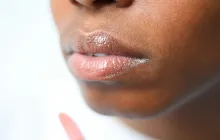
Understanding the Dewy Look and Skin Prep
The dewy skin aesthetic is defined by a soft, luminous radiance that catches light in a way that mimics the natural sheen of healthy skin. It is not a flat shine or an overly glossy finish, but a glow that appears to emanate from within and is enhanced by careful preparation. Achieving this look begins long before makeup touches the face, with a routine that emphasizes hydration, balanced oil production, and a healthy surface texture. When you aim for dewiness, you become attentive to the way your skin drinks in moisture, how pores reflect light, and how makeup adheres to the surface without pooling in fine lines or accentuating dryness. A foundational mindset is to treat skin as a living canvas that can be activated by hydration and reinforced with the right products. Environmental factors such as humidity, wind, and air conditioning can either aid or hinder glow, so understanding these influences helps you tailor your routine for consistent dewiness. The goal is to create a subtle, even radiance that remains believable in daylight as well as in photos, rather than a temporary reflectivity that looks slick or uneven. Patience and consistency are essential, because dewiness evolves as your skin responds to moisture, filtration, and the way you couple skincare with makeup layers. Think of the dewy look as a layered conversation between your skin and the products you choose, where every addition supports hydration, texture, and light reflection rather than masking or masking a problem. In this sense, the practice of dewiness is as much about skin health as it is about makeup technique, and the most convincing glow comes from skin that appears well cared for and naturally luminous.
Skincare Foundations: Hydration from Within
Hydration is the cornerstone of a luminous complexion that looks like skin itself rather than a cosmetic overlay. Start with a cleansing routine that respects your skin’s barrier, choosing a cleanser that cleanses without stripping essential oils and leaves a hint of moisture on the surface. Follow with a toner or essence that contains humectants or glycerin to attract and retain water, creating a plump, supple base that helps makeup settle smoothly. Serums with hyaluronic acid can bolster moisture levels, while antioxidants support long term skin health, reducing dullness and improving how light plays across the skin. A moisturizer designed for your skin type acts as a seal over this moisture rich layer, keeping hydration locked in and preventing makeup from sinking into dry patches. If your skin tends toward dryness, you may benefit from a layered approach that combines oil and cream-based products to create a soft, dewy cushion. For oilier complexions, choose a lightweight gel or water-based moisturizer that provides hydration without excessive shine, then balance with a silicone-free primer to maintain a natural glow rather than a slick finish. A well hydrated base reduces the contrast between creamy products and dry textures, allowing the light to diffuse evenly and the glow to appear more authentic.
Choosing Base Products for a Natural Dew
When selecting base products for a dewy effect, the emphasis should be on finishes that diffuse light rather than reflect it with a harsh, metallic sheen. Tinted moisturizers or lightweight skin tints tailor the coverage to your skin tone while preserving a translucent glow, so you can even out tone without completely masking texture. Foundations with a satin or radiant finish can be excellent choices for mature or textured skin, because they blur imperfections gently while catching light for a soft highlight. Cream foundations offer a natural blend between coverage and dew, especially when applied with a damp sponge or brush that preserves moisture on the surface. If you prefer a more traditional foundation, consider a luminous formula or a hybrid product that combines pigment with skincare actives to support hydration over time. In all cases, shade matching remains critical; a mismatch can destroy the illusion of dewiness by drawing attention to color rather than glow. For those who favor a minimal makeup approach, a tinted moisturizer with a touch of bronzer or a lightweight sunscreen with a subtle glow can deliver a healthy, sun-kissed radiance without heavy layers.
Techniques for a Dewy Base
Technique matters as much as product choice, because how you apply makeup determines whether dewiness looks refined or chaotic. Begin with a well-hydrated canvas and use tools that deposit product softly and evenly. A damp makeup sponge helps creams and liquids to blend into the skin with minimal streaks, encouraging a seamless finish that reads as skin rather than makeup layered on top. For an even more natural effect, use your fingertips to press cream products into the skin, allowing body heat to warm the formula and promote better adherence to the surface. Build in thin layers rather than heavy deposits; multiple sheer applications often yield a more realistic glow than one thick layer that pools around fine lines or dry patches. If you mix a drop of moisturizer or facial oil into your foundation, be mindful of the balance; a drop too many can make the product too sheer or cause sliding, while just enough can boost moisture and resilience against caking. Avoid aggressive buffing, which can lift dew from the surface and expose underlying texture; instead, glide the sponge or brush with controlled, circular motions to polish the skin. The goal is a luminous veil that corrects tone and texture without erasing the skin’s natural contour or creating a mask-like effect.
Concealer and Under-Eye Brightening for Dewy Skin
Concealer should be used sparingly to maintain the integrity of the glow. Apply a lightweight, creamy concealer to areas that need coverage, such as the inner corners of the eyes, a touch around any red zones, and along the sides of the nose where shadows may intensify. Layer gradually and blend with the same damp sponge you used for the base, ensuring there is no visible edge that can interrupt the seamless glow. For under-eye brightening, select a shade that is one to two tones lighter than your foundation to lift the eye area without creating a stark contrast. Use a light, tapping motion rather than dragging, which helps maintain the finish and reduces product migration into fine lines. If the area looks dry or crepey, consider a hydrating concealer with a dewy finish or apply a micro-layer of moisturizer just before concealer to restore suppleness. Strategic placement matters; keep highlights and brightening away from the middle of the cheeks if you prefer a very soft, glowing effect, and allow the natural light to do the work of distributing the highlight along the high points.
Highlighting and Illuminators: Placement and Formulas
Highlighting is a delicate art when the aim is a dewy complexion. Cream and liquid highlighters often work best because they blend into the skin rather than sitting on top of it. Choose color tones that mimic skin tones rather than stark metallics; subtle pinks, golds, or champagne hues can enhance radiance without looking artificial. Apply highlighter sparingly to the high planes of the face where light naturally hits, such as the tops of the cheekbones, the bridge of the nose, the cupid’s bow, and the inner corners of the eyes. For a more natural glow, blend the product downward toward the temples and blend upward along the cheekbone to create a soft, elongated radiance that photographs well. Layering a lighter cream highlight over a base layer of foundation can boost luminosity without building up texture, while a sheer powder glow can be used only in very small amounts on the aging areas to avoid flattening the skin. When choosing formulations, avoid heavy powders that can dull the glow; instead, favor emulsions, creams, or light liquids that merge with your base. The overall aim is a cohesive luminance that looks tactile and real, as though the skin is lightly kissed by reflected light rather than coated in shimmer.
Setting for Dewy Finish: The Right Balance
Setting products should protect the glow without extinguishing it. A translucent, pale powder with a velvety or pearlized finish can help tame excess shine in the T-zone while preserving a lively radiance on the cheeks. If your environment is humid or if you have combination or dry skin, you may prefer to forgo powder in some areas and rely on setting sprays that lock makeup in place while maintaining moisture and sheen. A lightweight setting spray or a hydrating mist can extend the life of dewiness by re-introducing moisture after the makeup has settled; apply from a short distance to avoid pooling, then allow it to dry naturally. Some professionals advocate a “press-and-bloom” technique: lightly sprinkle a fine powder in the oil-prone zones, then immediately spritz with a hydrating spray to re-emphasize dew. The key is to strike a balance between staying power and glow, ensuring that the finish remains luminous rather than chalky or patchy. Reapplying a thin veil of product or misting throughout the day can refresh brightness without diminishing the dew.
Color Theory and Skintone Considerations
Color choice matters because undertones influence how glow reads on skin. Warm undertones tend to appear more radiant with golden and peach-toned highlights, while cool undertones sparkle with pinky or icy highlights that still look natural rather than clinical. Undertone alignment is not about forcing a color into a shade but about selecting products that harmonize with the skin’s inherent warmth or coolness. For anyone striving for a dewy finish, it is helpful to note how your skin reacts to different lighting: daylight often reveals subtle shifts in undertones that can make glow appear too orange, pink, or ashy if mismatched. To avoid this, test products along your jawline and in natural light, paying attention to whether the glow reads as healthy, fresh, and skin-like. Another factor is the depth of color: deeper skin tones may benefit from peachy or bronzy highlights that mimic sun-kissed radiance, while lighter skin tones may favor champagne or champagne-rose hues that vanish into the skin’s texture. In all cases, the goal is cohesion between foundation, blush, bronzer, and highlighter so that the overall luminosity seems plausible and seamless rather than layered with disparate tones.
Maintenance and Longevity: Touch-Ups Without Matting
During the day or night, maintaining dew requires mindful refreshment that does not compromise the glow. When shine begins to creep in, gentle blotting with a tissue or a clean blotting sheet can remove excess moisture without disturbing makeup or stripping away dew. After blotting, consider a light mist of a hydrating spray that reactivates the dew on the surface and helps the products underneath remain flexible rather than rigid. If you prefer not to spritz, you can tap a small amount of moisturizer or luminizing balm onto the high points of the face, then softly blend with the fingertips to restore luminosity. Reapplying highlighter is possible, but use discretion: a tiny amount on the same areas as before can reinforce glow without creating glare. It is important to keep aside a few carefully chosen tools, such as a clean sponge and a travel-friendly hydrating mist, so you can address mid-day shine without piling product on the skin. A gentle approach that respects the skin's surface will yield the most natural, enduring dew that remains convincing from morning to evening.
Common Mistakes and How to Fix Them
One common misstep is applying too much product in a single layer, which can create an artificial shine or emphasize texture rather than diffuse it. Another frequent error is using the wrong foundation for your skin type, such as a matte formula on dry skin or a heavy, oil-rich base on oily skin, which can falsify the appearance of dew or cause breakdown over time. Skipping hydration and relying solely on makeup to achieve glow often backfires, producing a flat finish once skin movement settles. Over-powdering or tendency to mattify the entire face can drain dew, leading to a tired or dull look, especially in cooler or dry environments. Not letting sunscreen or skincare products settle before applying makeup can create a patchy base that interferes with light diffusion. If you notice that dew looks patchy or smeared after a few hours, reassessing your primer choice and the moisture balance can help you restore a natural radiance. Finally, chasing a uniform glow without considering browns or red tones that can alter the perception of color will produce an artificial complexion; ensuring tonal harmony across products is essential for a believable dew.
Tools for a Dewy Look: Brushes, Sponges, and Accessories
Tools influence how a dewy finish unfolds on the skin. A high-quality damp sponge helps to press formulas into the surface, creating a soft, blended glow that looks like skin rather than a layer of makeup. Cushioned brushes designed for cream products can help deposit color without moving product around too aggressively, preserving moisture and uniformity. Fingers can be surprisingly effective for cream textures, as body heat helps formulas melt into the skin for a natural glow, but it is important to keep hands clean to prevent spreading bacteria. A silicone applicator may be useful for precise placement of highlighter, but it can dull the dew if used excessively, so it should be used sparingly or avoided for large areas. When selecting tools, consider those that are easy to clean and maintain since product buildup can alter the finish over time. The goal is to cultivate a toolkit that facilitates a luminous, skin-adjacent look without introducing texture or uneven patches, and to use tools in ways that respect skin health and product compatibility.
Seasonal Considerations: Dewy Look in Different Climates
Climatic conditions strongly influence how dew behaves on the skin. In humid environments, dew can appear more lasting, but excessive humidity can cause makeup to slip, so lighter bases and careful blotting might be necessary. In dry or air-conditioned spaces, moisture evaporates quickly, making a strong emphasis on a robust skincare base even more important and potentially requiring a touch of facial oil or a gel-cream moisturizer to preserve a delicate glow. Colder months can dry the skin, so the dew may appear more luminous when you add an extra layer of moisture or a hydrating spray during the day. Warmer seasons invite more natural sebum production, so you may dial back highlighter intensity or use balancing primers to keep shine from dominating the look. The key is to adapt product choices and application techniques rather than rigidly applying the same method year-round; the dew should feel like a naturally integrated part of the skin that shifts gracefully with weather and lifestyle.
In practice, achieving dewy skin requires a thoughtful balance of care, technique, and product selection that respects the skin’s texture and the light that plays across it. It is a philosophy as much as a set of steps, guiding you toward a finish that looks effortless, alive, and true to your own features. For many, the most convincing dew emerges when skincare supports makeup rather than merely serving as a backdrop, allowing the glow to be a reflection of health, hydration, and care. By prioritizing moisture, choosing luminous products, applying them with sensitivity to texture, and embracing a flexible routine that adapts to daily conditions, you can enjoy a radiant skin look that stays fresh from morning to evening without appearing heavy or artificial. The result is a complexion that reads as natural, luminous, and confidently you, a makeup presence that enhances rather than covers, and a glow that seems to rise from within rather than being painted on the surface.