In its most expansive sense meditation refers to a family of mental practices designed to cultivate awareness, attention, and a nonjudgmental relationship to experience. While traditions differ in technique and emphasis, the common thread is a deliberate shift of focus away from automatic reactivity toward a calmer, clearer state of mind. Stress, from a physiological perspective, involves the activation of the body’s alarm systems, including the release of hormones such as cortisol and adrenaline, heightened heart rate, and the narrowing of att...
Alternative Medicine
Cupping therapy has emerged from a diverse tapestry of medical traditions and has been woven into the fabric of contemporary athletic care with growing confidence. In many sports, teams and individual athletes seek modalities that can support recovery, reduce discomfort after intense training, and preserve performance across demanding seasons. Cupping, in its various incarnations, offers a noninvasive approach that is often perceived as complementary to the core pillars of sports medicine such as structured training, nutrition, sleep, and progr...
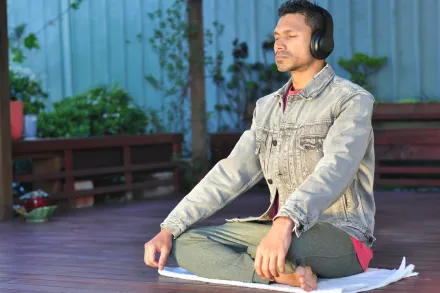
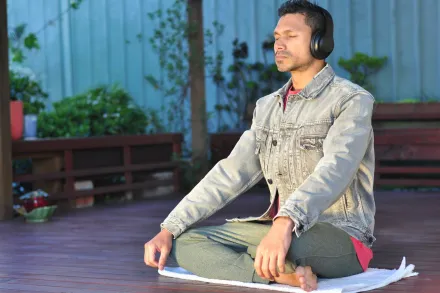
In a world saturated with stimuli and rapid shifts in mood, many people seek a steady inner weather to keep their days productive and relationships healthy. Meditation offers a pathway to emotional balance that does not rely on willpower alone, but on training attention, noticing thoughts without judgment, and choosing responses rather than reflexes. When practiced regularly, meditation becomes a quiet ally that helps the nervous system settle, the breath slow, and the mind turn its gaze inward to understand what is happening inside. This intro...
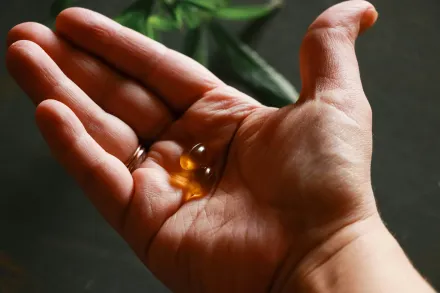
In recent years a growing number of people have explored herbal supplements as a complement to traditional mental health care. This interest reflects a broader shift toward holistic approaches that consider lifestyle, nutrition, sleep, stress management, and social connection as integral parts of emotional well being. Herbal products are appealing to many because they come from natural sources, carry a sense of historical wisdom, and are often accessible in various forms such as capsules, tinctures, teas, and extracts. At the same time the fiel...
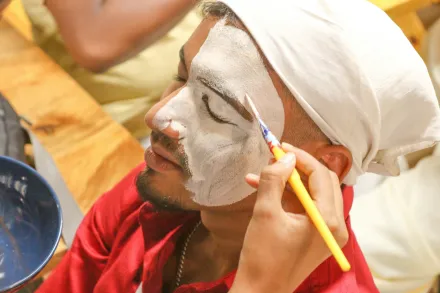
Ayurveda, a holistic system of life and healing rooted in ancient Indian knowledge, views the skin not merely as an organ that covers the body but as a living map that reflects internal balance or imbalance. In this tradition, the body, mind, and environment interact through a delicate weave of energies, tissues, and wastes, and the skin serves as a mirror of that internal state. The guiding aim is to restore equilibrium among the primary energies known as the doshas, while supporting the physiological processes that nourish the skin from withi...

Homeopathy is a practice with a history that stretches across continents and generations, continually evolving as it travels through classrooms, clinics, homes, and communities. For many families it functions as a first line of care for everyday concerns such as a cold that lingers, a stomach upset after a night of indulgence, or a minor bruise from a fall. People often describe a sense of companionship with a method that invites observation of the whole person rather than a single symptom, paying attention to mood, energy, sleep, and preferenc...

As people age the sense of balance is challenged by a gradual decline in multiple bodily systems that converge to keep us upright. Vision can become less acute, the inner ear’s delicate vestibular apparatus may show reduced responsiveness, and the nervous system can slow in processing sensory information. Muscles may lose strength and joint stiffness can increase, particularly around the hips, knees, and ankles that play a central role in stabilizing posture during movement. These changes do not occur in isolation; they accumulate and interact ...
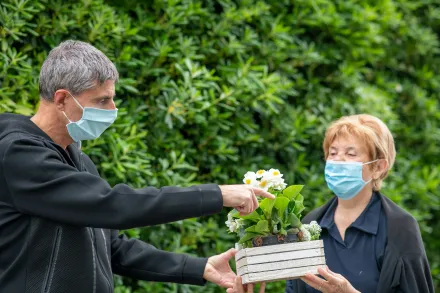
In this exploration, we examine how naturopathy positions itself within the framework of preventive care, looking at its philosophies, tools, and the everyday implications for individuals aiming to reduce risk factors and promote long term wellness. Naturopathy emphasizes the body's inherent capacity to heal and balance itself when supported by natural, minimally invasive interventions, and it places prevention at the center of the therapeutic conversation rather than treating symptoms alone. This orientation resonates in communities seeking ho...
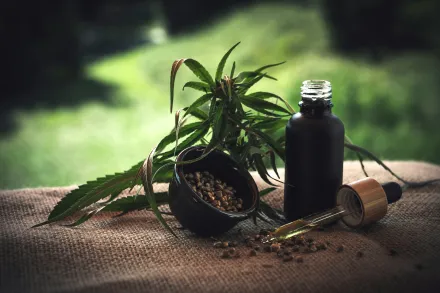
Inflammation is a fundamental biological process that protects tissues from harm and initiates repair after injury or invasion by pathogens. Yet when inflammation becomes chronic or dysregulated, it can contribute to a wide range of diseases, from arthritis and metabolic syndrome to neurodegenerative disorders and cardiovascular conditions. Herbal medicine has a long historical record of addressing inflammation through the use of plant-derived compounds that interact with cellular signaling, enzymatic pathways, and the immune system. This artic...

The practice of meditation has traveled a long road from ancient contemplative disciplines to a widely embraced approach for fostering emotional health in modern life. At its core, meditation invites a quieting of the restless mind and a meeting with sensation, feeling, and thought without immediate judgment. This simple yet powerful stance creates a space in which emotions can be observed, understood, and understood again, rather than being acted upon in automatic or impulsive ways. In this broader sense, meditation is not merely a technique f...