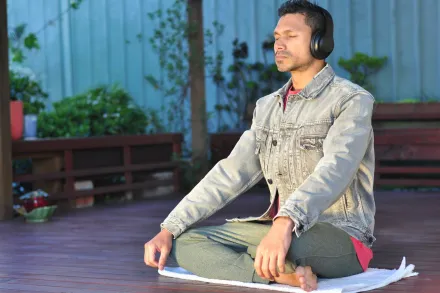
What meditation is and how stress manifests
In its most expansive sense meditation refers to a family of mental practices designed to cultivate awareness, attention, and a nonjudgmental relationship to experience. While traditions differ in technique and emphasis, the common thread is a deliberate shift of focus away from automatic reactivity toward a calmer, clearer state of mind. Stress, from a physiological perspective, involves the activation of the body’s alarm systems, including the release of hormones such as cortisol and adrenaline, heightened heart rate, and the narrowing of attention toward perceived threats. Meditation creates a stable interior space where sensations, thoughts, and emotions can be observed without becoming entangled in them. Over time this practice reshapes the way the mind responds to stressors, decreasing reactivity and increasing capacity for rest and restoration, even when external demands persist.
The neuroscience of stress and the promise of calm
Modern neuroscience provides a window into how meditation can alter brain function and structure in ways that support calmer emotional regulation. Studies show that regular practice can strengthen the prefrontal cortex, a region involved in planning, impulse control, and attention, while reducing activity in the amygdala, the brain’s alarm center. These changes are accompanied by shifts in the autonomic nervous system that favor parasympathetic dominance—the system responsible for rest, digestion, and repair. As a consequence, individuals report lower baseline anxiety, quicker recovery after stressful events, and a greater sense of internal steadiness even when external circumstances remain challenging. This is not about erasing stress but about changing the body's interpretation of and reaction to stress.
Core mechanisms through which meditation lowers stress
One central mechanism is enhanced attentional control, which allows a person to notice the onset of tension and choose a response instead of reacting automatically. This mindful spacing between stimulus and response reduces the likelihood of spiraling into worry or rumination. Another mechanism concerns emotional regulation, as meditation promotes a more nuanced awareness of emotions without immediately labeling them as dangerous or intolerable. In addition, meditators often cultivate a compassionate stance toward themselves, a stance that reduces self-criticism and the spiral of negative self-talk. From a physiological perspective, meditation appears to modulate the hypothalamic-pituitary-adrenal axis, leading to more balanced cortisol responses across the day and a calmer autonomic balance that supports sleep and energy restoration. Finally, meditation can foster social connectedness and a sense of global perspective that reframes personal stressors as part of a larger system, reducing the sense of isolation that often amplifies stress.
Different meditation approaches and how they work
There are many paths that share a commitment to present-mocused awareness, and each can be effective in reducing stress when practiced consistently. Breath-focused practices guide attention to bodily sensations linked to the breath, creating a steady anchor that reduces the noise of distracting thoughts. Body scan approaches cultivate a gentle, systematic awareness of physical sensations, inviting relaxation and release of muscle tension that often accompanies stress responses. Open-monitoring techniques invite observers to notice thoughts and feelings as passing phenomena, decreasing the habit of fused identification with inner experiences. In loving-kindness or compassion meditations, the focus expands from self to others, softening patterns of judgment and improving mood. Mindfulness-based cognitive strategies blend ancient practice with contemporary cognitive techniques to help reinterpret stressors with less catastrophic thinking. Regardless of the method chosen, the key ingredient is regular, purposeful practice that trains the mind to rest in awareness rather than reactivity.
How daily life can accommodate practice without disruption
Integrating meditation into a busy life does not require grand rituals or long hours. Even brief moments, taken with intention, can accumulate meaningful benefits. For many people, a short morning session establishes a tone for the day, while a longer evening practice supports emotional processing and sleep. Moments of pause punctuating the day—during a commute, between meetings, or after finishing a task—serve as micro-practices that reinforce the brain’s new pattern of turning toward awareness rather than automatic worry. The practice becomes less about squeezing in time and more about building a reliable doorway to rest that remains accessible during high-pressure periods.
Evidence from research and meta-analyses
A robust body of research suggests that meditation can meaningfully reduce subjective stress, improve mood, and enhance quality of life across diverse populations. Randomized trials and observational studies have reported decreases in perceived stress scales, improvements in sleep quality, and reductions in markers of physiological arousal among practice groups compared with controls. Meta-analyses indicate that mindfulness-based interventions have small to moderate effects on stress reduction that persist beyond the program itself, with stronger effects often observed in longer programs and when participants engage in ongoing practice. It is important to note that outcomes vary with adherence, the specific technique used, and individual differences in temperament and life circumstances. Nevertheless the overall pattern supports meditation as a practical tool for stress governance.
Practical guidelines to begin a sustainable practice
Starting a meditation routine is less about perfection and more about consistency and curiosity. Prospective practitioners are encouraged to set aside a few minutes each day for intentional breath awareness or a brief body-centered approach, gradually extending the duration as comfort grows. A comfortable seated posture, a stable and quiet environment, and a nonjudgmental attitude toward experience help create favorable conditions for practice. It is beneficial to establish a predictable time window, ideally when stress levels are not at their peak, to build reliability. When thoughts rise during practice, the goal is not to suppress them but to observe them with gentle curiosity, returning attention to the chosen anchor. Over weeks and months, the cumulative effect of these micro-practices tends to broaden the individual’s window of tolerance, allowing more space between stimulus and response.
Building routines that support resilience and mental flexibility
Resilience emerges when a person learns to meet stress with steadiness rather than with tightened reactivity. Meditation contributes to resilience by increasing emotional flexibility, strengthening attentional networks, and preserving cognitive resources during demanding tasks. An ongoing practice also cultivates a sense of self-efficacy—the belief that one can regulate attention and mood through deliberate effort. Rather than a distant ideal, resilience becomes a lived experience in which daily disappointments and unforeseen pressures are met with a calm, clear approach. In practice, the routine itself becomes a scaffold for reliable emotional management, and even small daily victories compound into meaningful personal growth over time.
Meditation’s different routes: sleep, mood, and immune function
Beyond reducing daytime stress, meditation often improves sleep by quieting racing thoughts, lowering physiological arousal, and stabilizing circadian rhythms. A calmer nightly state supports deeper, more restorative sleep, which in turn reinforces daytime mood regulation. Evidence also points to subtle benefits for immune function, with regular practice associated with favorable patterns of inflammatory markers and improved healing responses for some individuals. While these effects are not uniform across every person, the cumulative impact of consistent practice tends to manifest as better energy regulation, improved focus, and a steadier emotional climate that reduces the intensity and frequency of stress reactions.
Barriers to practice and strategies to overcome them
Many people encounter obstacles such as time constraints, restless bodies, or the challenge of maintaining motivation. Additionally, perfectionistic tendencies can derail beginners who expect immediate results. A compassionate, incremental approach helps counter these barriers: start with short sessions and gradually increase duration, accept imperfect days as part of the process, and remind oneself that the goal is not flawless stillness but more balanced attention. Creating a comfortable space, using guided recordings, and tying practice to valued outcomes like better sleep or calmer mornings can also support adherence. When life becomes especially demanding, short, frequent micro-practices can keep the thread of practice intact without becoming overwhelming.
Special considerations for beginners and people with mental health concerns
For most individuals, entering meditation is safe and beneficial, yet those with a history of trauma, severe anxiety, or certain mood disorders should approach with care and, if possible, under professional guidance. Some forms of practice may initially intensify awareness of distressing sensations or memories; in such cases, starting with gentler techniques and gradually exploring longer or more focused practices can minimize discomfort. Guidance from trained instructors, access to evidence-based programs, and coordination with mental health professionals can help ensure that meditation supports healing rather than triggering retraumatization. The emphasis remains on self-care, autonomy, and a pace that respects one’s current capacity while inviting gradual growth.
Creating a mindful workplace and community environment
When meditation is introduced within a workplace or community setting, it can transform the climate of daily life by reducing collective stress, improving listening, and fostering a cooperative tone. Short group sessions, integrated with flexibility and voluntary participation, offer a shared practice without imposing uniform norms. The benefits accrue not only to individuals but to teams as communication improves, conflicts become less volatile, and a sense of shared calm reduces the cost of stress-related errors and tensions. In such environments, the language used to describe the practice matters; framing meditation as a practical tool for wellbeing and performance helps normalize it as a routine benefit rather than an esoteric activity.
Long-term cultivation of awareness and a broader sense of identity
Over time, meditation often shifts the lens through which stress is experienced. A practitioner may begin to notice that stress arises more from cognitive and interpretive patterns than from external events alone. This realization invites a broader sense of self that is less defined by momentary circumstances and more anchored in deeper values, patience, and compassionate attitudes toward self and others. In such a frame, stress is not erased but encountered with greater equanimity. The practice becomes part of a wider lifestyle of attention, rest, and purposeful action, creating a stable foundation for decisions, relationships, and creative work that can endure the inevitable fluctuations of life.
Integrating breath, body, and mind for a holistic approach
A holistic meditation practice often weaves breath awareness with a gentle body scan and a steady mental stance. The breath serves as a tangible anchor that the mind can return to when tension arises, while conscious attention to physical sensations fosters a somatic understanding of stress. This integration deepens sensory discrimination, allowing the practitioner to notice subtle changes in muscle tension, heart rate, or temperature that accompany emotional states. When these elements function synergistically, the mind becomes less scattered, the nervous system shifts toward balance, and the subjective experience of stress diminishes in a meaningful way.
Stories of transformation: personal narratives and shared learning
Across cultures and life experiences, many individuals report that a consistent practice changes not only their relationship to stress but also their sense of purpose and daily vitality. These narratives often emphasize small, repeatable turns of attention that accumulate over weeks, months, and years. In group settings, stories of transformation can become powerful teaching tools, illustrating how patterns of worry soften, how sleep improves, and how patience expands in the face of obligations and disappointments. Although personal outcomes vary, the underlying mechanism remains similar: revising habitual responses by training attention and cultivating compassionate awareness.
Closing reflections on a practice that pays attention to presence
Ultimately, the role of meditation in reducing stress hinges on consistent engagement with the present moment and a nurturing stance toward one’s own experience. It is not a quick fix nor a magical solution, but a disciplined, compassionate practice that gradually shifts the balance between tension and ease. The more a person attends to breath, body, and mind with curiosity and kindness, the more ordinary moments reveal a wellspring of calm that is accessible even amid challenge. As understanding deepens, meditation becomes less about achieving a flawless state and more about maintaining a reliable relationship with awareness, a relationship that can endure the ebbs and flows of life with steadiness, clarity, and a growing sense of resilience.