In recent years a growing number of people have explored herbal supplements as a complement to traditional mental health care. This interest reflects a broader shift toward holistic approaches that consider lifestyle, nutrition, sleep, stress management, and social connection as integral parts of emotional well being. Herbal products are appealing to many because they come from natural sources, carry a sense of historical wisdom, and are often accessible in various forms such as capsules, tinctures, teas, and extracts. At the same time the field demands careful attention to scientific evidence, safety considerations, dose accuracy, and interactions with medications. The aim of this article is to illuminate how herbal supplements can play a role in mental health, where they may fit within a personalized treatment plan, and what essential precautions should guide responsible use. It is important to recognize that herbal remedies are not a substitute for professional care when serious conditions are present, and conversations with healthcare providers are essential to ensure safety and coherence with any ongoing therapies.
Historical perspective and cultural contexts
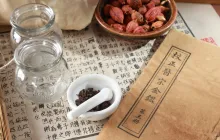
Long before the era of modern pharmacology, many cultures relied on botanical allies to influence mood, sleep, and emotional balance. Traditional systems of medicine, including herbal pharmacopeias and plant-based healing rituals, were built on centuries of observation of how certain plants might soothe nerves, support restful sleep, or elevate spirits during difficult times. In some traditions the same botanicals appeared in different regional forms, bearing names that conveyed both practical and symbolic significance. This continuity across cultures underscores a recurring human impulse to seek nature informed remedies for mental challenges. Modern interest often begins with this historical context and then moves toward scientific inquiry that aims to identify active compounds, understand mechanisms, and evaluate safety profiles under controlled conditions. By acknowledging both the wisdom of the past and the standards of contemporary research, practitioners can integrate herbal supplements in a way that respects cultural knowledge while prioritizing patient safety and evidence-based practice. The narrative of herbal mental health care thus becomes a dialogue between tradition and science, a partnership rather than a binary choice between old world remedies and new world medicines.
What counts as a herbal supplement in mental health
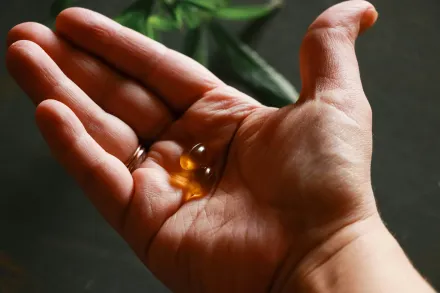
Herbal supplements are plant derived products designed to support psychological and emotional functioning, often available in concentrated forms such as standardized extracts, capsules, liquids, or teas. The diversity of preparations means that potency can vary widely between brands and batches, making quality assurance a central concern. Some products emphasize full plant material while others isolate specific constituents to achieve more predictable effects. The regulatory landscape for herbal supplements differs across regions, with some jurisdictions providing oversight for safety labeling and manufacturing practices while others rely on self regulation by manufacturers. The practical reality is that individuals seeking plant-based support should look for products from reputable manufacturers that disclose the botanical identity, extraction method, dosage per serving, and clear labeling about potential interactions and contraindications. In clinical contexts, herbal supplements are most effective when used as part of a broader approach that includes sleep hygiene, stress management, nutrition, physical activity, and psychosocial supports. Emphasis on individualized dosing, monitoring of responses, and collaboration with healthcare providers helps ensure that the potential benefits take hold without introducing avoidable risks. Herbal interventions are therefore best viewed as components of a comprehensive care plan rather than stand-alone cures.
Evidence, expectations, and limitations
Research in this area has produced a mosaic of findings, with some studies suggesting modest benefits for certain mood and anxiety symptoms and others showing limited or inconsistent results. A key factor is the quality of evidence, which can be influenced by study design, sample size, duration, the specific formulation tested, and the characteristics of participants. When a herbal preparation demonstrates a signal of efficacy, it often appears in contexts where conventional treatments are insufficient or poorly tolerated, or where symptom profiles align with what the plant is thought to influence. Yet it is equally important to acknowledge limitations such as placebo effects, the heterogeneity of mental health presentations, and the variability in herbal product quality. Realistic expectations emphasize that herbal remedies may contribute to symptom relief or improved functioning for some individuals, but they rarely replace the comprehensive care that includes evaluation, diagnosis, and evidence-based therapies. It is prudent to approach herbal supplements with curiosity and caution, seeking evidence-informed choices and maintaining an ongoing dialogue with clinicians about outcomes, safety, and any emerging concerns.
St John’s Wort and mood disorders
St John’s Wort stands as one of the most studied botanicals in relation to mood, particularly mild to moderate depressive symptoms. The plant contains a blend of active constituents that appear to influence neurotransmitter systems in ways that resemble a milder form of the pharmacological activity seen with certain antidepressants. In clinical contexts some randomized trials have reported improvements in depressive symptoms, but results can vary by the preparation used, the dose, and the population studied. A central caution is the potential for troubling interactions, especially with prescription antidepressants, hormonal therapies, and certain medications used to manage anxiety or sleep. These interactions can alter the way other drugs are metabolized, sometimes elevating the risk of adverse effects or reducing therapeutic efficacy. Because of this potential for interactions, healthcare providers must assess medical history, current medications, and individual risk factors before recommending St John’s Wort. For patients who are unable or unwilling to pursue conventional therapies, St John’s Wort may be considered as an adjunct in carefully monitored cases, with close supervision and regular evaluation of mood, functioning, and tolerability. The patient’s values, preferences, and safety concerns should guide the decision-making process, and dosing should never be adjusted without professional guidance. In addition there is a need for high quality, standardized products and ongoing pharmacovigilance to ensure that irregularities in potency do not translate into unpredictable therapeutic outcomes.
Valerian root for sleep and anxiety
Valerian root has a long history of use as a sleep aid and as a calmative in situations that generate restlessness or worry. The sedative and anxiolytic properties attributed to valerian are thought to involve a combination of components that influence GABAergic signaling and sleep architecture without producing obvious daytime sedation for many users. Clinical studies on valerian have yielded encouraging signals for improving sleep quality and reducing sleep onset latency in some populations, yet findings are not uniform across all trials. Individual responses vary, with some people reporting noticeable relief while others perceive little effect. These differences may relate to preparation methods, such as the extraction solvents and the ratio of plant material to extract, as well as the presence of other factors like caffeine intake or concurrent stress. Safety considerations include rare reports of dizziness or gastrointestinal upset, and valerian should be used cautiously by individuals with liver concerns, during pregnancy, or alongside medicines that interact with sedative pathways. It is essential to discuss valerian use with a physician or pharmacist to ensure there are no conflicts with prescribed therapies. When used thoughtfully within a broader sleep improvement plan that emphasizes routine, light exposure, and stress management, valerian can function as a supportive option for occasional sleeplessness rather than a sole remedy.
Ashwagandha and the stress response
Ashwagandha, a cornerstone of traditional herbal systems, is increasingly studied for its potential to modulate the physiological response to stress and to support mood regulation. Some research suggests that adaptogenic herbs like ashwagandha may influence cortisol levels, inflammatory pathways, and neuroplastic processes, which are all relevant to mental health. The clinical picture is nuanced; benefits may appear more consistently in individuals experiencing chronic stress or anxiety, but results are influenced by dosage, duration of use, and product quality. As with many botanicals, standardization and sourcing are key to achieving reliable outcomes. Potential safety considerations include interactions with immunomodulatory medications or thyroid agents, and some individuals may experience gastrointestinal upset or mild sedation. Given the complexity of the body’s stress response, ashwagandha is most appropriately considered as part of a comprehensive plan that includes sleep, physical activity, and cognitive behavioral strategies rather than as a simple pharmacological substitute. Shared decision making with a healthcare provider is recommended to tailor dosing and monitor effects over time.
Lemon balm, chamomile, and gentle calming effects
Lemon balm and chamomile are often used for their mild calming properties and potential support for anxious mood and sleep. These botanicals are typically consumed as teas, tinctures, or standardized extracts. In people seeking gentle, non-intense relief, they can offer subjective improvement in tension and sleep quality with relatively favorable safety profiles. The soothing effects are usually modest, and the presence of sedative interactions should be considered if combined with other central nervous system depressants or with certain medical conditions. The cultural comfort associated with sipping herbal teas can itself contribute to a sense of ritual and routine that supports mental health through better sleep and reduced rumination. To maximize benefits and minimize risks, it is prudent to use conferring products from reputable suppliers, verify that the herbal material is clearly identified, and avoid high-dose combinations that may unexpectedly amplify sedation or interact with other medications. When used mindfully as part of a daily routine, these botanicals can contribute to a sense of steadiness and routine that complements other mental health strategies.
Lavender and mood balance
Lavender, particularly in essential oil form or standardized extracts, has drawn attention for potential anxiolytic and mood stabilizing effects. Human studies vary in their design and outcomes, but some trials suggest improvements in subjective anxiety and relaxation without causing pronounced cognitive impairment in most individuals. The sensory aspects of lavender, including fragrance, may also engage psychological and autonomic pathways that support a calmer state. However, essential oil use requires caution to avoid skin irritation or accidental ingestion, and high potency preparations should be avoided by people with certain medical or surgical conditions without medical advice. As with other botanicals, lavender forms should be sourced from reputable producers who provide accurate labeling and clear dosage instructions. For people curious about non pharmacologic strategies to support emotional balance, lavender offers a complementary option that can be integrated into daily routines through mindful breathing, aromatherapy, or topical applications where appropriate.
Kava and cautionary considerations
Kava is a botanical with a distinctive profile that has sparked both interest and concern due to its potential for anxiety relief and its associated safety signals. Some studies indicate that kava extracts may help reduce symptoms of anxiety in certain populations, yet there is a well documented risk of liver injury linked to some preparations. Because of this, many regulators have imposed stringent guidelines or restricted kava products in certain contexts. The variability in preparation methods matters because the hepatotoxic potential appears more pronounced with specific using forms and dosages. Individuals considering kava should engage in a careful risk assessment with a clinician, especially if they have preexisting liver conditions, drink alcohol regularly, or are taking medications metabolized by the liver. The decision to use kava should be made with full awareness of the uncertain long term safety profile and in the context of a broader anxiety management plan that includes psychotherapy, sleep optimization, and regular health monitoring. In practice, cautious use under medical supervision and avoidance of concurrent liver stressing substances are prudent when evaluating kava as an option for anxiety-related symptoms.
Quality, safety, and interactions: a practical guide
One of the most critical aspects of integrating herbal supplements into a mental health plan is safety in the context of individual medical histories and current treatments. Botanical products can interact with prescription medications, influence liver enzymes, or alter the metabolism of other substances, leading to changes in effectiveness or safety. For example, some herbs interact with antidepressants, anticonvulsants, or sleep medications in ways that can either potentiate sedation, raise the risk of adverse effects, or undermine therapeutic goals. Therefore a careful review of all medicines, including over the counter items and dietary supplements, is essential before starting any herbal product. Product quality also matters because inconsistent potency and presence of contaminants can produce unpredictable results. Patients are encouraged to seek products that have undergone third party testing, clear labeling, and evidence of consistent batch potency. In clinical practice, a prudent approach involves starting with a lower dose, monitoring response over time, documenting mood and sleep changes, and adjusting gradually in close consultation with a healthcare professional. This careful process helps ensure that herbal supplementation aligns with the individual’s health status, therapeutic goals, and risk factors, while maintaining a safety net that prioritizes overall well being.
Safety in special populations and practical dosing considerations
Special populations, including pregnant or breastfeeding individuals, older adults, and those with chronic illnesses or immune system considerations, require heightened caution when considering herbal supplements. Some botanicals may pose unique risks in pregnancy, interact with medications used by older adults, or influence conditions such as thyroid disorders or autoimmune diseases. Practical dosing principles emphasize using the smallest effective amount, favoring preparations with well documented potency, and avoiding continuous high dose regimens unless guided by a qualified clinician. The variability among preparations means that the same herb can produce different outcomes depending on the dose and the extraction method. A thoughtful approach involves preemptively assessing potential contraindications, discussing family history of adverse reactions, and employing ongoing observation of mood, sleep, appetite, energy, and cognitive clarity. In real world practice this translates to a collaborative decision making process, where the patient, physician, and pharmacist coordinate to ensure that herbal supplements add value to the treatment plan without compromising safety or interaction profile.
Practical integration into a mental health care plan
When considered as part of a holistic treatment approach, herbal supplements can complement lifestyle strategies such as consistent sleep routines, regular physical activity, social connection, and stress management techniques. They may be used to support symptom relief in conjunction with evidence based therapies including psychotherapy and, when appropriate, pharmacotherapy arranged by medical professionals. The key to practical integration lies in individualized care: recognizing personal symptoms, tolerability, and life context, and then choosing a botanical that aligns with those factors. Clear expectations, collaborative monitoring, and a plan for tapering or discontinuation if needed are essential. The ultimate goal is to enhance resilience, mood stability, and daily functioning, while ensuring that any herbal aid remains a safe, measured, and ethical component of care.